





Mullein Leaf Tea Swap: Sustainable Community Tea Exchange Guide

Building a sense of community doesn’t always require grand gestures—sometimes, all it takes is a shared love for something as soothing as mullein leaf tea. If you’re eager to enjoy this gentle herbal infusion while connecting with your neighbors, a neighborhood herbal tea swap can be an inviting and practical way to discover, sample, and exchange mullein leaf tea. In this friendly guide, we’ll walk you through the steps for starting a local tea swap, from establishing guidelines and sourcing high-quality mullein, to sharing safely and thoughtfully, all while minimizing waste.
Why Start a Neighborhood Herbal Tea Swap Focused on Mullein Leaf Tea?
Establishing a local tea swap centered on mullein leaf tea encourages community, exploration, and responsible sharing. Mullein leaf tea has been appreciated for generations and is becoming a favorite among herbal enthusiasts. Meeting others interested in herbal teas provides a platform to learn, build friendships, and experience different preparations of this beloved herbal infusion.
- Community Connection: Sharing mullein tea creates an opportunity to connect with like-minded individuals right in your neighborhood.
- Diverse Mullein Experiences: Experience different batches, origins, and preparations of mullein leaf tea that neighbors may source or blend.
- Resource Sharing: Tea swaps make it easier to access mullein leaf tea, especially if you’re new or exploring it for the first time.
- Sustainability: Exchanging rather than purchasing teas reduces packaging, waste, and promotes conscious consumption.
If you want to broaden your horizons, consider including other nutrient-dense teas in your swap, like Guava Leaf Tea Organic 24 Bags | Immunity & Gut Wellness – Caffeine-Free, which also supports overall wellbeing.
Planning Your Neighborhood Herbal Tea Swap
Gathering Interest and Setting the Tone
Start by reaching out to neighbors you think may be interested—through flyers, neighborhood social networks, or local community boards. A friendly, welcoming message works best. State your goal: to find, share, and sample mullein leaf tea, while exploring herbal teas together.
Consider a survey or informal poll to gauge interest and collect ideas on timing, format (in-person, doorstep swap, or local park meet-up), and frequency.
Choosing the Venue and Format
The environment should feel relaxed and accessible. Options include:
- Someone’s backyard or porch
- Local park with tables or benches
- Community garden or shared green space
- Virtual: For those preferring to swap via doorstep drop-offs or mail
A regular schedule (monthly, quarterly) keeps engagement going and ensures everyone has a chance to participate.
Mullein Leaf Tea Sourcing Tips for Swaps
One of the joys of a tea swap is discovering the many places mullein leaf tea can be sourced. For a robust and varied swap, encourage members to contribute from trusted sources:
- Farmers’ Markets: Many farmers offer carefully harvested mullein; ask about their harvesting and drying methods.
- Local Apothecaries or Herb Shops: Small, expert-run shops often stock high-quality mullein leaf and are happy to share sourcing details.
- Herbalists and Small-Batch Makers: Seek local herbalists or crafters specializing in mullein leaf blends. They’re often a wealth of knowledge around freshness and origin.
- Homegrown Mullein: Foraging is sometimes possible, but always stress responsible identification and ethical wildcrafting practices—mullein should only be picked from clean, chemical-free areas, with confident identification.
Invite each participant to label their teas with the source—supporting transparency and trust in the swap. If you want to explore a convenient, organic option, Mullein Leaf Tea Organic 24 Bags | Respiratory & Lung Wellness Support is a great choice for regular gatherings.
Responsible Sharing: Identification, Storage, and Labeling Protocols
Herbal Identification and Quality Checks
Educate swap members about accurate identification of mullein leaf. Only leaves from Verbascum thapsus (common mullein) are suitable for tea; verify your source and inspect leaves for freshness (bright color, fluffy texture, no evidence of moisture or spoilage).
- Never use plant matter you haven’t positively identified.
- If foraged, ask participants to double-check using reputable guides or consult with local botanists/herbalists.
For those looking for further support in respiratory and lung wellness, consider Mullein Leaf Organic 15X Liquid Extract | Respiratory & Lung Wellness, which concentrates mullein’s benefits into a convenient liquid form.
Safe Storage and Handling
Proper storage ensures mullein leaf tea remains appealing and safe for all participants:
- Store dried leaves in clean, airtight containers, away from direct sunlight and moisture.
- Use glass jars or reusable tins; avoid plastic bags whenever possible.
- Include harvest or purchase date on the label for transparency.
Labeling for Clarity and Conversation
Thoughtful labeling helps build trust and fosters conversation:
- Source (farm, market, shop, home garden)
- Date harvested or purchased
- Any notes on blend or processing
Labels can be handwritten on recycled cards or printed simply to minimize waste.
Tea Swap Etiquette: Consideration and Inclusion
A successful mullein leaf tea swap rests on simple, compassionate etiquette:
-
Bring Enough to Share: Even a few servings per participant is appreciated.
-
Respect Preferences: Some may need caffeine-free, organic, or unsweetened options. Always disclose if your mullein batch is blended with other botanicals.
-
Ask Before Swapping: Ensure participants are comfortable with all herbal contributions before adding them to the exchange.
-
Gratitude and Curiosity: Thank others and ask questions—every participant brings unique insights on mullein preparation.
Incorporate a touch of variety by suggesting options like Organic Hibiscus Tea 24 Bags | Heart Health & Antioxidant Wellness for those who might appreciate a different herbal profile during your swap.
Low-Waste and Sustainable Tea Swap Packaging Ideas
A pillar of a responsible swap is minimizing environmental impact. Inspire your group with these low-waste solutions:
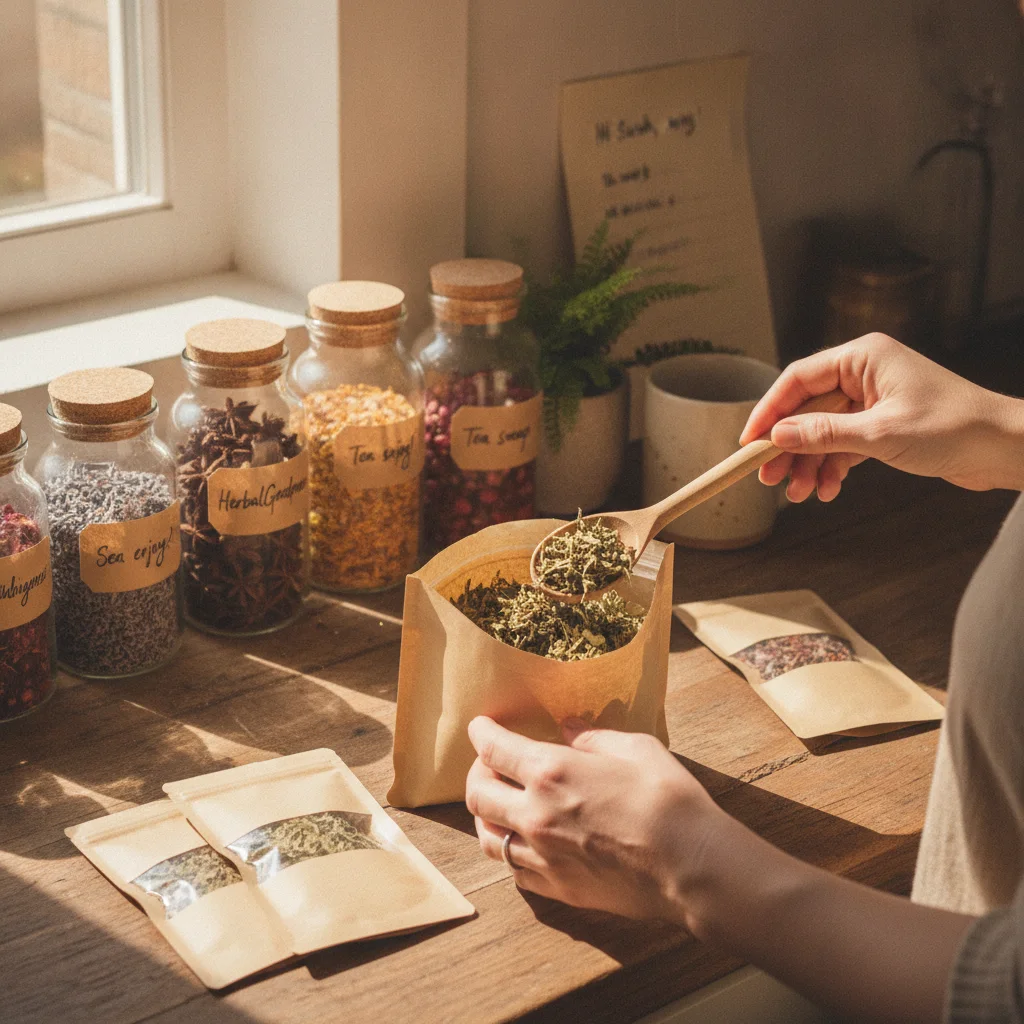
- Glass jars (reused from home pantry)
- Metal tins (cleaned and reused)
- Compostable paper bags
- Upcycled fabric pouches
- Recycled envelopes or origami folded paper for dry leaves
- Swap “empty for full” jars to encourage return and reuse
Encourage labeling with minimal tape or stickers to ensure packages can easily be washed and reused for future swaps.
If you're considering bringing extra teas, Bulk Loose Leaf Teas & Tisanes - Organic 4oz - Herbal Wellness Teas are ideal for creating sample packs to share.
Organizing Swap Logistics and Communication
Smooth logistics are the backbone of a stress-free tea swap. Consider these planning pointers:
- Confirm attendance a few days ahead.
- Offer a central table for displaying all mullein leaf tea contributions.
- Provide blank labels, pens, and sample-sized spoons or paper pouches.
- Foster dialogue with a signup sheet, social group, or follow-up communication after each swap to share feedback and suggestions.
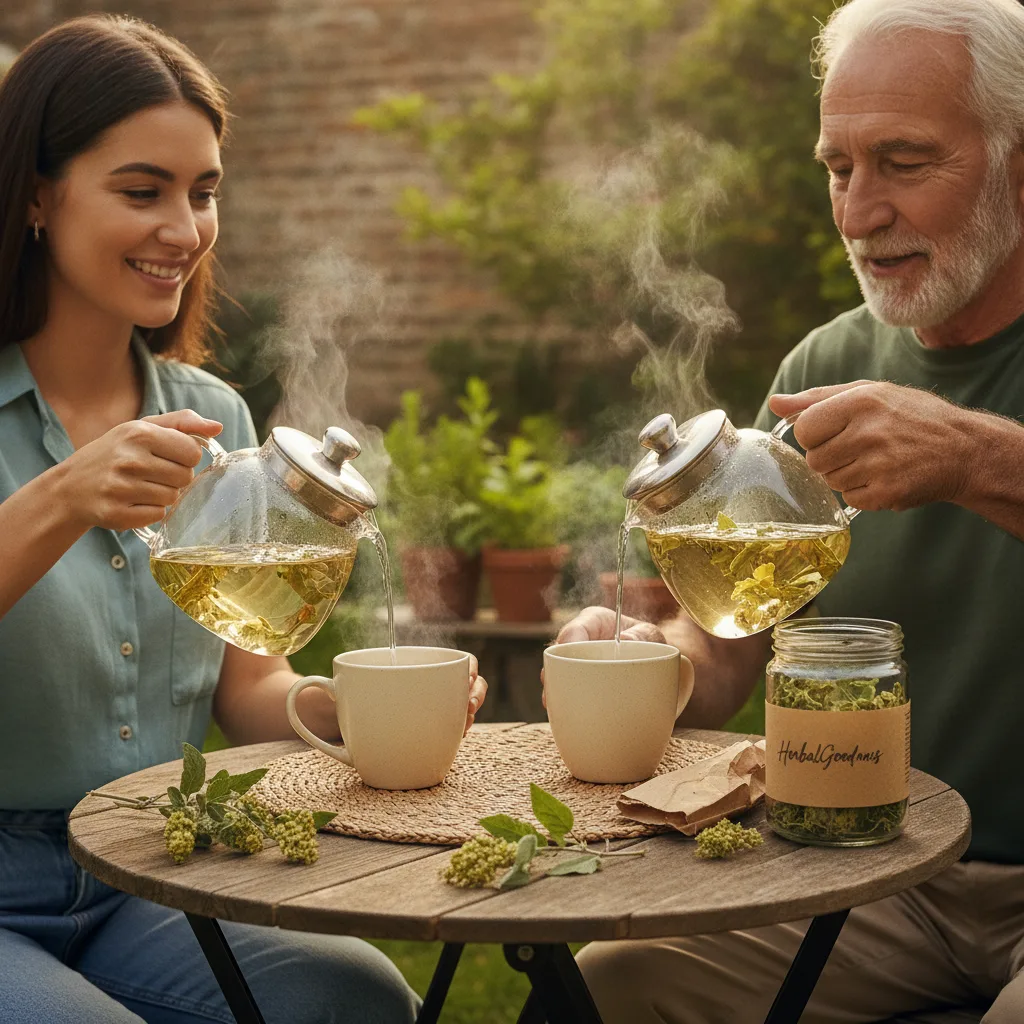
When offering teas to sample on-site, the convenience of Mullein Leaf Tea Organic 24 Bags | Respiratory & Lung Wellness Support can’t be overstated. Their pre-measured bags ensure every guest enjoys a consistent cup.
Sampling Mullein Leaf Tea Together: Education and Discovery
A tea swap is more than an exchange; it’s an invitation to learn. Add a shared tasting moment:
- Brew a communal pot of mullein leaf tea for all to sample.
- Invite participants to share preparation tips or personal stories.
- Display a short guide about mullein’s traditional uses, botanical features, and storage best practices (never as medical advice).
- Ask a local herbalist or experienced enthusiast to offer simple demonstrations or answer questions.
You might further enrich the experience by exploring Guava Leaf Tea Organic 24 Bags | Immunity & Gut Wellness – Caffeine-Free as a delicious, wellness-supporting alternative that fits within the herbal tea swap’s spirit.

Including Bulk Herbs & Roots Online for Tea, Tinctures & DIY Wellness - Organic 4oz Bags can open new avenues for experienced swappers interested in creating blends or learning more about herbal traditions.
Building Ongoing Community and Exploring Beyond Mullein
As your swap grows, it may organically broaden to include other herbal teas or host seasonal herb walks, planting days, or educational sessions. For now, focusing on mullein leaf tea fosters a strong, welcoming foundation centered on shared curiosity and kindness.
Conclusion: Fostering Connection Through Herbal Tea
Launching a neighborhood herbal tea swap focused on mullein leaf tea nurtures community, supports sustainable habits, and offers a rewarding path toward botanical exploration. As you savor distinct cups of mullein leaf tea together, you’ll forge new friendships and lay the groundwork for an enduring local tradition.
Frequently Asked Questions
Question 1: How do I choose quality mullein leaf tea for a swap?
Answer: Look for mullein with a bright, green color and fluffy texture, free from moisture or spoilage. If you prefer assurance and convenience, try trusted sources like Mullein Leaf Tea Organic 24 Bags | Respiratory & Lung Wellness Support.
Question 2: Are there other teas suitable for herbal swaps?
Answer: Absolutely! Expand your swap with blends like Organic Hibiscus Tea 24 Bags | Heart Health & Antioxidant Wellness or Guava Leaf Tea Organic 24 Bags | Immunity & Gut Wellness – Caffeine-Free for more variety.
Question 3: What’s the best way to package teas for sustainability?
Answer: Use glass jars, metal tins, compostable bags, or upcycled fabric pouches. For bulk sharing, consider Bulk Loose Leaf Teas & Tisanes - Organic 4oz - Herbal Wellness Teas to minimize single-use packaging.
Question 4: Should I label my tea swaps?
Answer: Yes, labeling builds trust! Include source, harvest or purchase date, and blend details. This practice is especially important when offering items like Bulk Herbs & Roots Online for Tea, Tinctures & DIY Wellness - Organic 4oz Bags to inform others.
Question 5: How can I ensure inclusion at my tea swap?
Answer: Offer caffeine-free and organic options, encourage clear labeling, and respect all preferences. A variety of teas, such as Mullein Leaf Organic 15X Liquid Extract | Respiratory & Lung Wellness, helps include everyone.
Question 6: Can I bring other herbal blends to the swap?
Answer: Yes! Invite diversity by including teas such as Organic Hibiscus Tea 24 Bags | Heart Health & Antioxidant Wellness for unique tastes and health benefits.
Explore the joys of responsible herbal tea sharing with your neighbors by starting a mullein leaf tea swap—connect, learn, and build a thriving local tea community.
About the Author
Herbal Goodness Editorial Team
The Herbal Goodness Editorial Team specializes in holistic health and superfoods, blending science and nature to educate and empower our community.
References
Why Social Impact Matters in Plant-Based Wellness
Share this

Popular posts


FAQs
1. What are the main benefits of drinking bamboo leaf tea?
Drinking bamboo leaf tea supports hydration, relaxation, skin wellness, and antioxidant balance.
2. What is bamboo leaf extract used for?
It’s used for general body wellness, skin elasticity, hair and nail support, and overall vitality.
3. Can bamboo leaf help with skin care and body wellness?
Yes, bamboo leaf is rich in silica and antioxidants, which promote healthy skin, strong nails, and a youthful glow.
4. What forms of bamboo leaf are available?
You can find dried bamboo leaf, powder, extract, drops, oil, and bamboo leaf green tea.
5. Are there any side effects of bamboo leaf?
Bamboo leaf is generally safe when consumed in moderation. Always consult your healthcare provider before starting any new herbal supplement.