





Mullein for Families: Exploring Tinctures, Alcohol-Free Extracts, and Safe Alternatives

Families increasingly turn to traditional herbs for gentle support in daily wellness routines, and mullein (Verbascum thapsus) stands out as a time-honored botanical. Parents today seek clarity on preparation methods, alcohol-free options, and best practices for introducing herbs like mullein into family routines, especially around children. This article explores how mullein tinctures are made, the difference between alcohol and glycerin-based extracts, practical alternatives for kids, and essential advice for making informed choices.
Understanding Mullein and Its Traditional Uses
Mullein is a tall, soft-leaved plant with a rich history in herbal traditions. Its leaves and flowers have long been valued for their gentle properties and are commonly prepared as teas, tinctures, or steams. For families, the appeal of mullein often lies in its longstanding reputation for supporting general comfort and wellness.
Common Mullein Preparations for Families
- Tincture (Alcohol-Based or Alcohol-Free)
- Herbal Tea (Infusion)
- Steam Inhalation (from dried leaves or flowers)
Each preparation method offers a unique balance of potency, convenience, and suitability, particularly when choosing options for children. While mullein is a classic choice, some families also opt to rotate preparations, similar to those who enjoy Papaya Leaf Extract - Organic 1oz 15X Liquid - Blood Platelet as a gentle supplementary extract.
How Mullein Tinctures Are Made: Alcohol vs. Alcohol-Free Methods
Alcohol-Based Tinctures: The Classic Approach
Traditional tinctures use high-proof alcohol to extract beneficial plant compounds from mullein leaves and flowers. The alcohol acts as a strong solvent, resulting in a concentrated liquid that preserves the extract for extended periods. Most herbal tinctures on the market utilize this method for its efficiency and stability.
What Parents Should Know:
- Concentration: Alcohol-based tinctures are potent and require only a few drops per use.
- Taste: The flavor can be strong or warming due to the alcohol base.
- Considerations for Kids: While some families may dilute alcohol-based tinctures in water or juice, alcohol-free options are often preferred for young children. Similar preferences have led some to explore Kids Plant-Based Supplements - Organic 1oz 15X Liquid Extract - Focus, Calm, Sleep, Tummy, which provides child-friendly alternatives in plant-based wellness.
Glycerin-Based (Alcohol-Free) Tinctures
For families seeking an alternative to alcohol, glycerin-based tinctures—often labeled as "alcohol-free extracts"—offer a sweet, gentle option. Vegetable glycerin acts as the solvent, extracting the desired compounds from mullein with a mild, palatable taste and without the presence of alcohol.
How Glycerin Extracts Differ:
- Flavor: Naturally sweet and smoother, appealing to children.
- Shelf Life: Slightly shorter than alcohol-based extracts, but still stable for months.
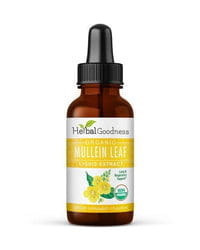
- Everyday Use: Dosing may be similar, but always check product-specific guidance. Those looking for this gentle profile may enjoy products like Mullein Leaf - Organic 15X Liquid Extract - Respiratory & Lung Health, which supports easy integration into daily routines.
Vinegar-Based Extracts
Some herbalists use vinegar as the extraction medium, producing a tart, alcohol-free extract suitable for families conscious about both taste and alcohol content. Vinegar extracts may not always be commercially available, but can be crafted at home under professional guidance if you use dried loose leaf herbs found in options similar to Bulk Herbs & Roots - Organic 4oz Bags - Herbal Tea.
Practical Tips for Reading Herbal Product Labels
Choosing the right mullein preparation starts with a careful look at the product label. Here’s a checklist of what families should look for:
- Identify the Base: Is it alcohol, glycerin, or vinegar?
- Ingredients List: Look for clear labeling—ideally just mullein and the extraction medium.
- Concentration or Potency: Is the extract standardized? Note ratios like 1:5 or 1:3, which indicate herb-to-liquid strength.
- Serving Size and Usage Recommendations: Ensure the dosing is appropriate for children or ask a professional for suggested amounts.
- Additives or Preservatives: Choose products free from artificial colors, flavors, or unnecessary fillers, especially for kids. Review labels similarly when selecting Papaya Leaf Tea - Organic 24/2g Tea Bags, as quality standards extend across various herbal categories.
- Certifications: Consider options labeled as organic or third-party tested.

Exploring Kid-Friendly Mullein Alternatives
For parents who prefer to avoid concentrated tinctures, several gentle, approachable alternatives can integrate mullein into a child’s routine without concern:
Mullein Tea: A Mild Infusion
Preparing mullein as a tea is one of the simplest and oldest ways to use the herb. Dried mullein leaves or flowers are steeped in hot water, producing a mild, slightly sweet-tasting beverage. An easy way to enjoy this is with Mullein Leaf Tea - Organic 24 Tea Bags - Respiratory & Lung, which offers measured servings and organic quality.
- Preparation: Use one teaspoon of dried herb per cup of hot (not boiling) water. Steep for 5–10 minutes.
- Serving: Allow the tea to cool to a safe temperature for children. Strain carefully, as mullein leaves may have fine hairs that can be unpleasant if consumed.
- Tip: For flavor, add a bit of honey (for children over 1 year old), chamomile, or lemon.
Herbal Steam Practice
A traditional practice involves creating a steam tent with hot water and dried mullein. This approach lets older children (with supervision) breathe in the gentle vapor, often described as calming and comforting. This technique aligns with the use of dried herbs, and can be replicated with selections from Bulk Loose Leaf Teas & Tisanes - Organic 4oz - Herbal Wellness Teas for a broader herbal experience.
Mullein Infused Syrups or Lozenges
Some families prepare simple syrups with mullein tea and honey, or use mullein-infused lozenges from reputable sources. Always check for all-natural ingredients when considering these forms. In the same way, care should be applied when exploring options such as Sea Moss - Raw Dried from St Lucia - 8oz Bag - Nature's MultiVitamins, which is valued for its gentle, nutritious profile.

Starting the Conversation: What to Ask Your Pediatrician or Herbalist
Introducing any botanical to your family’s wellness routine is a thoughtful process. Open, informed discussions with professionals ensure responsible choices. Here are a few conversation prompts:
- Is mullein appropriate for children of my child’s age?
- Which preparation (tea, glycerin extract, etc.) is most suitable for our needs?
- Are there any ingredients (like alcohol or allergens) that we should avoid?
- How do I interpret concentration ratios or serving sizes on herbal labels?
- Are there reputable brands or certifications you recommend?
Always bring your chosen product’s label with you and share all supplements or botanicals in use. Supplement guidance can also include products like Papaya Leaf Extract - - Organic 16oz 15X Liquid Extract for broader herbal support.
Everyday Tips for Families Considering Mullein
- Start Small: When first introducing mullein, use the smallest suggested serving and observe for any sensitivities. This cautious approach is notable in the use of products like Soursop Leaf Graviola Extract - - Organic 15X Liquid Extract - Cell Renew & Immunity, which are potent and supportive.
- Watch for Added Ingredients: Simpler is better—choose single-herb options when possible.
- Rotate Preparations: Some families enjoy rotating between teas, glycerin extracts, and steams depending on context and preference.
- Storage Matters: Store tinctures and extracts as directed (often in a cool, dry place), and keep all herbal products out of reach of children.
- Family Discussions: Involve children by letting them participate in the making of mild teas or helping measure ingredients under supervision. This can nurture curiosity and positive associations with plant-based traditions. Simple hands-on preparation may foster comfort around Bamboo Leaf Tea – 24/1.5g Tea Bags - Nature's Collagen & Biotin, bringing more herbal traditions into the home.
Mullein and Herbal Goodness: A Commitment to Quality
When sourcing mullein products or ingredients, priorities like organic sourcing, sustainable harvesting, and transparent labeling support a family’s confidence in their choices. Herbal Goodness is among the brands known for emphasizing quality ingredients, third-party testing, and educational resources for informed family wellness.
Choosing the right mullein preparation for your family is a highly individual process. There is a world of gentle, approachable ways to bring traditional herbs like mullein into your home—empowering you to make the best choice for family comfort and wellness.
FAQs:
- Are alcohol-free mullein tinctures safe for kids?
Glycerin-based (alcohol-free) mullein tinctures are commonly appreciated among parents for their gentle, sweet profiles. Always consult a trusted pediatrician or herbalist before offering any preparation to children and follow product-specific guidance.
- How do I choose between tincture, tea, or steam for my child?
Many families start with mild mullein tea or gentle steam practices before considering tinctures. The best choice depends on your child’s age, preferences, and your family’s comfort level. Professional guidance is recommended.
- What should I look for on a mullein extract label?
Check for clear identification of the extraction base (alcohol, glycerin, or vinegar), ingredient transparency, concentration ratios, serving size, and absence of unnecessary additives. Certifications such as organic or third-party verified can further guide your decision.
- Can mullein be combined with other herbs for children?
Combinations are often used in traditional herbal practice, but it’s best to start with single-herb preparations for children. Discuss any blends with a knowledgeable pediatrician or herbalist to ensure suitability.
- Is it okay to make mullein tea at home for kids?
Yes, mullein tea is a gentle, approachable option for families. Use only dried herbs from reputable sources, strain thoroughly, and let the tea cool before serving. Supervision is essential for younger children.
- How should mullein tinctures and extracts be stored?
Most extracts should be stored in a cool, dark place, tightly sealed. Always keep herbal products safely out of reach of children and check the label for specific storage instructions.
- Should I discuss mullein use with my healthcare provider?
Absolutely—open conversation with your child’s healthcare provider or a qualified herbalist ensures informed, balanced use of any herbal preparation in your family’s wellness routine.
Author Name:
Herbal Goodness Editorial Team
Author Bio:
The Herbal Goodness Editorial Team specializes in holistic health and superfoods, blending science and nature to educate and empower our community.
References:
Introducing Graviola to Young Taste Buds: Fun, Family-Friendly Flavor Exploration
Graviola in the Classroom and at Home: Creative Activities to Teach Kids About Tropical Plants
Share this
Popular posts


FAQs
1. What are the main benefits of drinking bamboo leaf tea?
Drinking bamboo leaf tea supports hydration, relaxation, skin wellness, and antioxidant balance.
2. What is bamboo leaf extract used for?
It’s used for general body wellness, skin elasticity, hair and nail support, and overall vitality.
3. Can bamboo leaf help with skin care and body wellness?
Yes, bamboo leaf is rich in silica and antioxidants, which promote healthy skin, strong nails, and a youthful glow.
4. What forms of bamboo leaf are available?
You can find dried bamboo leaf, powder, extract, drops, oil, and bamboo leaf green tea.
5. Are there any side effects of bamboo leaf?
Bamboo leaf is generally safe when consumed in moderation. Always consult your healthcare provider before starting any new herbal supplement.