





Moringa Supplement Near Me: 7 Local Substitutes for Easy Swaps

Exploring Local Substitutes When You Can't Find Moringa Nearby
Moringa has become a recognized addition to smoothies, teas, and wellness-inspired recipes. But it's not always easy to track down a high-quality moringa supplement near me, especially if you're used to visiting local stores or markets. For those who value the vibrant nutrition and versatility of moringa but lack consistent access, exploring local substitutes offers a practical, empowering path. This article unpacks seven readily available alternatives—ranging from leafy greens and dried powders to edible flowers and seed flours—along with simple ways to recreate moringa’s unique texture, color, and culinary role in your favorite recipes.
Understanding Moringa’s Role in Everyday Recipes
Before swapping in just any green, it helps to consider what makes moringa distinctive in your kitchen. Moringa leaves and powders are commonly appreciated for their:
- Bright green color
- Light, earthy flavor profile
- Smooth blending with liquids
- Ability to integrate into both sweet and savory dishes
When seeking a local substitute, look for options that echo these culinary traits. The goal isn’t to replicate moringa exactly, but to support similar versatility and nourishment in your routine, even when the original ingredient is out of reach locally.

Seven Simple Local Alternatives to Moringa
1. Spinach: The Balanced Everyday Green
Spinach is a pantry staple and a familiar replacement in smoothies, soups, and baked goods. When fresh, it brings a mild taste and easily mixes into recipes requiring moringa. For dry blends, spinach powder (found at many natural food stores and markets) offers a similar color and can work well in smoothies, energy bites, or homemade green blends.
Flavor note: Spinach is less earthy than moringa, but its adaptability makes it useful for both sweet and savory preparations.
2. Kale: Robust Texture and Earthy Depth
Kale’s hearty leaves and bold flavor set it apart. While it has a stronger taste than moringa, it shines in dishes that can benefit from added structure, such as frittatas or hearty stews. Kale powder is also available in some regions and mixes conveniently with shakes and oatmeal.
Tip: For milder recipes, use baby kale or massage mature leaves with a touch of olive oil to soften the flavor.
3. Chard: Colorful and Mild
Swiss chard, especially the tender young leaves, offers gentle flavor and vibrant color, similar to moringa. Rainbow chard brings an added spectrum of nutrients and can be chopped for stir-fries, wraps, or grain bowls.
Practical swap: Chard works beautifully in egg dishes, sautéed greens, and even folded into homemade flatbreads. For those who like to experiment beyond traditional greens, consider powdered herbal blends. One option is adding Wellness Tea Blends to recipes, creatively boosting the nutritional content while echoing moringa’s natural superfood appeal.
4. Mustard Greens: Peppery Kick
For those who enjoy bold flavors, mustard greens provide a peppery note that can stand up to strong seasonings and marinades. While the flavor is not identical to moringa, these greens lend vibrancy in dishes where moringa is usually featured as a centerpiece.
Usage tip: Blanch mustard greens to mellow their heat before adding them to green sauces, dips, or soups.
5. Edible Flowers: Nasturtium and Dandelion
Edible flowers, such as nasturtium and dandelion greens, bring traditional value and a pleasant bitterness reminiscent of moringa's underlying complexity. Widely available at farmers' markets in spring and early summer, these greens work in salads, toppings, or as a colorful addition to open sandwiches and smoothie bowls. Fans of greens with wellness benefits may appreciate incorporating Dandelion Root Liquid Extract to add a functional herbal touch to their wellness routine.
Harvesting advice: Use only flowers and greens from trusted, pesticide-free sources.

6. Amaranth Leaves: Traditional Staple
Amaranth, often found at co-ops or ethnic food markets, has a long history in world cuisines as both a leafy green and a seed grain. Its leaves can substitute for moringa in sautes, soups, and green blends, offering a delicate flavor balanced by mild sweetness.
Consideration: The texture of young amaranth leaves most closely matches chopped moringa. As another alternative rich in natural nutrients, explore Sea Moss - Raw Dried from St Lucia, which can easily be added to smoothies and wellness recipes to enhance mineral content.
7. Pumpkin Leaves: Seasonal and Hearty
Often overlooked, pumpkin leaves are traditional in many regional cuisines. When harvested young, these leaves are tender and adapt easily to recipes calling for leafy greens. They can stand in for moringa in stews, green sauces, or sautéed vegetable mixes.
Preparation: Remove any tough stems and chop finely for the best texture in cooked dishes.
Navigating Flavor and Texture Swaps
When experimenting with substitutes for moringa, consider these adjustments to help maintain your recipe’s desired qualities:
Color Matching
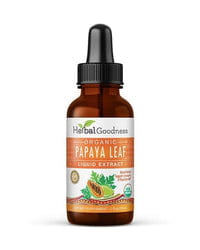
Leafy greens vary in hue, so if a vibrant green appearance is important for your smoothie or bowl, opt for spinach, kale, or powdered green blends for a close match. Try enhancing your green blends with Papaya Leaf Extract - Organic 1oz 15X Liquid - Blood Platelet, which easily mixes into drinks while supporting natural wellness benefits.
Texture in Recipes
Moringa’s fine powder gives a silky texture in drinks and sauces. Spinach or kale powder can mimic this, while fresh greens should be finely chopped or blended thoroughly for smoothness.
Flavor Pairings
Strongly flavored greens (like mustard or dandelion) are excellent in recipes with robust ingredients. When using these, consider balancing with a hint of citrus, nut butter, or a touch of honey to harmonize the overall taste. If seeking plant-based alternatives to boost the nutritional profile, adding a pinch of Sea Moss - Raw Dried from St Lucia - 8oz Bag - Nature's MultiVitamins can contribute minerals and blend smoothly into both sweet and savory meals.
Finding Local Greens and Alternatives
Locating the best moringa substitute often means exploring:
- Farmers’ markets: Seasonal greens and edible flowers are often fresher and more flavorful than store-bought varieties.
- Local co-ops: Many co-ops prioritize regional produce, which may include less common leafy greens and powdered alternatives.
- Ethnic grocery stores: Stores catering to international communities frequently stock amaranth, pumpkin leaves, or other non-mainstream greens used in a variety of global dishes.
- Your own pantry: Spinach, kale, and chard are commonly kept on hand and can easily be added to daily routines. If your pantry doubles as your wellness shelf, Papaya Leaf Extract - Organic 1oz 15X Liquid - Blood Platelet can expand your option for quick green nutrition in a convenient form.
If you’re dedicated to plant-based cooking or simply want to support your well-being with everyday greens, combining a few of these options can help support the freshness and adaptability moringa brings—without feeling like you’re missing out.
Practical Tips for Effective Substitution
Whether you’re making a morning smoothie, adding greens to a lunchtime bowl, or preparing steamed veggies for dinner, a few simple strategies help ensure your moringa alternative truly satisfies:
- Blend and pair: Mixing two or more greens can help balance color, flavor, and nutrition in a dish.
- Experiment with amounts: If using a strong-tasting green, start with a half-portion and adjust to taste.
- Try different formats: If you prefer the convenience of powdered greens, look for local blends or try making your own from dehydrated spinach or kale. For an easy wellness boost, Wellness Tea Blends can be repurposed into homemade powders or infusions.
- Consider the dish type: For sweet recipes, opt for milder greens like spinach or young chard; for savory, bolder greens like mustard or dandelion may shine.
The Tradition and Value of Using What’s Nearby
Throughout history, communities across the globe have embraced the plants that thrive close to home, adapting them to both culinary and daily rituals. Even though moringa is celebrated as a superfood, the practice of leaning on local, seasonal greens honors this same tradition. Ingredients grown nearby often bring fresher flavors, retain more nutrition, and support your local food system—key aspects that mirror the ethos behind choosing moringa in the first place. Interested in amplifying the benefits of green additions to your routine? Try incorporating Dandelion Root Liquid Extract for a wellness-inspired botanical swap.
Whether you’re an herbal enthusiast or just working to make your kitchen more resourceful, exploring moringa alternatives expands your culinary creativity and helps maintain the joy of discovery in your wellness journey. Herbal Goodness encourages curiosity and creativity as you make green choices that support your lifestyle, no matter what’s stocked on the shelf.
Bringing It All Together: Everyday Swaps for Lasting Enjoyment
Finding a "moringa supplement near me" isn’t always as easy as searching your neighborhood stores. Adopting a flexible approach with thoughtfully chosen local greens ensures your recipes stay vibrant and wholesome, even in the absence of the original superleaf. From spinach and kale to edible flowers and amaranth leaves, every substitute brings its own unique value—transforming your favorite meals into nourishing, locally-inspired creations. Keep exploring new herbal possibilities with Sea Moss - Raw Dried from St Lucia for a different mineral-rich twist.
Staying connected to your local food ecosystem while enjoying new flavors can make every recipe more meaningful and enjoyable. As you try these alternatives, tune into what works for you and adjust according to your preferences. The journey towards diverse, plant-powered eating isn’t just about finding substitutes—it’s about discovering new favorites along the way.
FAQs:
- What is the best substitute for moringa powder in smoothies?
Spinach powder or fresh baby spinach works well as a substitute for moringa powder in smoothies, offering a mild flavor and vibrant green color.
- Can I use kale instead of moringa in savory dishes?
Yes, kale can replace moringa in savory recipes like soups or stews. For a gentler taste, use baby kale or massage mature leaves before cooking.
- Where can I find unique local greens if moringa is unavailable?
Try checking farmers’ markets, local co-ops, or ethnic grocery stores for a variety of fresh greens, edible flowers, and regional specialty leaves.
- How do edible flowers compare to moringa in recipes?
Edible flowers like nasturtium or dandelion greens add color, mild bitterness, and tradition-inspired flavors that hold up well in salads and toppings.
- Will my recipes taste the same if I use a moringa substitute?
Flavors may change slightly depending on the green chosen, but experimenting with blends and personal preferences can yield delicious results.
- Is it possible to make my own green powder at home?
Yes, dehydrating and blending local greens like spinach or kale allows you to create your own powders for convenient use in recipes.
- Are moringa substitutes as beneficial in wellness recipes?
Local greens offer various plant compounds valued in traditional food practices; they’re often enjoyed for supporting diverse, plant-based diets.
Author Name:
Herbal Goodness Editorial Team
Author Bio:
The Herbal Goodness Editorial Team specializes in holistic health and superfoods, blending science and nature to educate and empower our community.
References:
Potential of Leafy Vegetables for Food Fortification – Frontiers in Plant Science
Traditional Edible Plants and Their Culinary Uses – National Institutes of Health