





Importing Bulk Organic Tea and Beverage Ingredients: A Beginner’s Checklist

Are you a small business or startup keen to import bulk organic tea or functional beverage ingredients? Navigating the world of international sourcing can feel overwhelming at first, but knowing what to check—and what to ask—can make the process much smoother and safer. This guide walks you through the essential steps of sourcing organic ingredients from overseas, highlighting quality assurance, documentation, shipping logistics, and supplier vetting. Our focus: giving you the beginner-friendly, practical basics to get started confidently.
Understanding Organic Certification Recognition
One of the first challenges you’ll encounter as a small buyer is ensuring that the teas or beverage ingredients you’re sourcing truly meet organic standards valid in your market. Not all organic certifications are created equal. For example, tea certified as organic by one country’s standards may not be accepted automatically by U.S. regulators or retailers.
Key Considerations:
- Organic Standards: Check if certifications like USDA Organic, EU Organic, or JAS (Japan) are accepted in your country. Inspect for seals or scan certification numbers.
- Certifying Bodies: Ensure the certifier is recognized and accredited by a legitimate national or international authority.
- Documentation: Ask suppliers for updated organic certificates and traceability documents, and review their renewal status.
Tip: Some countries have bilateral recognition agreements, streamlining documentation. Always verify the latest requirements for your market.
Navigating Basic Customs and Labeling Regulations
Importing organic foods and beverage ingredients means complying with your country’s customs rules and product labeling laws. Failure here can delay shipments or even result in confiscation.
What to Check:
- Import Declarations: You typically need an invoice, packing list, certificate of origin, and organic certificates. Requirements can vary by country and ingredient.
- Labeling Rules: U.S. regulations dictate how the word “organic” can be used. Ingredient panels and supplier details are often required.
- Tariff Codes: Understanding the correct customs codes (like HS codes for tea) helps with duties and import taxes—ask suppliers what codes they typically use.
Tip: Review sample import forms from customs websites to familiarize yourself with expected information fields.
Common Laboratory Testing and Documentation
Depending on your country and customer requirements, certain tests for contaminants or quality markers may be needed before tea or beverage ingredients can be sold. Testing is also a risk-management tool to ensure products are safe and as described.
Common Requests Include:
- Pesticide Residue Testing: Organic claims often require proof of minimal or no pesticide presence.
- Heavy Metal Screening: Especially important in roots, leaves, and botanicals sourced near mining or industrial areas.
- Microbial Panels: Some importers request checks for pathogens depending on ingredient type and usage.
- Certificates of Analysis (COA): Suppliers should provide batch-specific lab reports.
When ordering botanicals, selecting reputable sources for specialized products like Papaya Leaf Extract - - Organic 16oz 15X Liquid Extract can help ensure access to valid COAs and consistent quality.
Tip: Always ask for most recent COAs and consider third-party spot testing for first shipments or new suppliers.

Shipping Methods and Cold-Chain Considerations
Getting your tea or beverage ingredients from the supplier’s country to your doorstep is a crucial logistics step. Choices you make here can impact quality, cost, and regulatory compliance.
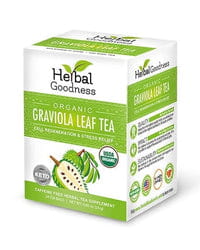
For example, products such as Soursop Leaf Tea Graviola Leaves - Organic 24/2g Tea Bags - Immunity & Cell Renew may benefit from cold-chain shipping to maintain their delicate properties during long transit.
Key Points to Consider:
- Sea vs. Air Freight: Air is faster but costlier; sea is more economical for large shipments but slower and can expose products to temperature swings and humidity.
- Cold-Chain Needs: Some botanicals, extracts, or sensitive teas benefit from temperature-controlled shipping (“cold chain”), especially in hot seasons or for longer routes.
- Packaging for Transit: Ensure packaging protects from moisture, light, and contamination. Vacuum-packed or double-sealed cartons are good signs.
- Incoterms: Clarify with the supplier who handles shipping, insurance, and customs clearance (common terms include FOB, CIF, DDP).
Tip: Request photos of the packed shipment and a full packing list before the shipment leaves the supplier’s facility.
A checklist for shipping logistics is even more essential when importing larger quantities of Bulk Herbs & Roots - Organic 4oz Bags - Herbal Tea or infusions that may have specific storage needs.
Understanding Sample Policies and Requesting Samples
Before committing to a bulk order, obtaining samples is a practical way to evaluate the tea or functional ingredient quality and reliability of your supplier.
What to Expect:
- Sample Fees: Many suppliers charge a nominal fee for samples or may refund it against a future bulk order.
- Shipping Costs: Small buyers often pay for express courier shipping (FedEx, DHL, UPS). Weigh cost/benefit of different service levels.
- Sample Documentation: Even for samples, request basic documents—batch details, production date, and any available lab results.

Tip: Taste, test, or send samples to a trusted lab before scaling up to a full order. Trying teas like Bamboo Leaf Tea – 24/1.5g Tea Bags - Nature's Collagen & Biotin offers insight into supplier consistency before placing larger orders.
Determining Lead Times and Planning Your Orders
Supply chain timing plays a significant role in meeting customer expectations. Lead time includes not only production and shipping, but also customs clearance on both ends.
Main Timeframes to Check:
- Production Lead Time: How long does it take to prepare and package your specific tea blend or ingredient batch?
- Transit Time: Sea shipping can take several weeks; air typically a few days to one week.
- Document Processing: Delays often arise from incomplete or slow paperwork—ask suppliers about timelines for certificates and export forms.
- Customs Clearance: Factor in extra days for review and, if chosen, random inspections.
Tip: Build in a buffer period for your launch or sales calendar. Ask for end-to-end timeline estimates in writing. Using teas such as Guayusa Leaf Extract Tea - Organic 24/2g - Energy & Focus Support - Herbal Goodness as samples can help forecast delivery and supply chain timing more accurately.
Warning Signs and Red Flags When Evaluating Suppliers
Sourcing tea and beverage ingredients from abroad holds exciting potential, but there are risks to manage. Knowing what to look out for can help new or small buyers avoid common pitfalls.
Red Flags Include:
- Unverifiable Certification: Incomplete paperwork or resistance to sharing certificates on request is a warning sign.
- Unrealistic Prices: Prices much lower than market averages could indicate quality or ethical issues.
- Vague Communication: Poorly worded emails or shifting answers about source, process, or testing suggest caution.
- No References: Established companies should offer verified references or export history.
- Pushy Sales Tactics: High-pressure selling often accompanies unreliable suppliers; reputable vendors expect questions.
Tip: A quick online search of company details, reviews, and the certifying body’s database can reveal mismatches or problems. Favor suppliers that specialize in recognized Bulk Loose Leaf Teas & Tisanes - Organic 4oz - Herbal Wellness Teas to enhance sourcing confidence.
Responsible Sourcing and Building Supplier Relationships
Beyond paperwork and logistics, building trust and open communication with your suppliers sets the tone for a smooth import process. Responsible sourcing benefits your brand and your customers’ confidence in your products.
Best Practices:
- Frequent Check-Ins: Regular contact helps catch problems early and keeps orders on track.
- Visit (If Possible): While not always practical for new buyers, visiting the farm or facility can deepen trust.
- Transparency: Choose suppliers who readily share documents and are clear about their sourcing and production practices.
- Shared Values: Align with partners who care about sustainability, quality, and ethical standards.
Tip: A trusted supplier relationship can open the door to customized blends, priority production slots, or better payment terms over time. For special blends, Wellness Tea Blends - Organic 4oz - Premium Herbal Infusion suppliers often provide partnership opportunities for unique formulations.
Stepping Forward as a Small Importer
Taking your first steps to import bulk organic tea or functional beverage ingredients can be a rewarding part of growing your business. By preparing a checklist, asking proactive questions, and learning to spot quality signals, even small buyers can import with confidence. Remember: regulations may change, and patience is key. Consider each batch and order as a learning experience, setting clear standards for future success.
FAQs:
- What documents are required to import bulk organic tea?
Typically, you will need an invoice, packing list, certificate of origin, and valid organic certification. Customs authorities may also ask for Certificates of Analysis and import permits, depending on the country.
- How can small buyers verify an overseas supplier’s organic certification?
Request official, updated certificates and check with the certifying body to ensure authenticity. Reputable suppliers should also share the certification number and provide reference contacts upon request.
- Is lab testing necessary for every shipment of tea or beverage ingredients?
Lab testing is commonly requested at least for initial orders or periodically, especially for organic and specialty ingredients. Many small buyers rely on supplier COAs combined with occasional third-party spot tests.
- What is a cold chain and when is it needed for tea imports?
A cold chain involves temperature-controlled shipping and storage to maintain freshness. Some sensitive botanicals or extracts, or shipments during hot seasons, may benefit from a cold chain to preserve quality.
- How can I spot potential issues with new suppliers?
Beware of unverified or incomplete certifications, unwillingness to share documentation, prices far below average, vague communication, and reluctance to provide references. These are common warning signs.
- What are typical lead times when importing tea ingredients?
Production and document processing may take 1–2 weeks, with sea shipping ranging from 3–8 weeks, and air freight typically 3–10 days. Customs clearance adds additional time, so always build in a buffer.
- Do I need to import a minimum quantity as a small buyer?
Minimum order quantities vary by supplier. Many will work with small buyers on trial or mixed orders, though you may pay slightly higher per-unit costs for smaller volumes.
Author Name:
Herbal Goodness Editorial Team
Author Bio:
The Herbal Goodness Editorial Team specializes in holistic health and superfoods, blending science and nature to educate and empower our community.
References:
Introducing Graviola to Young Taste Buds: Fun, Family-Friendly Flavor Exploration
Graviola in the Classroom and at Home: Creative Activities to Teach Kids About Tropical Plants
Why Social Impact Matters in Plant-Based Wellness