





How Your Body Notices Soursop: A 5-Day Taste & Sensation Journal for Curious Eaters

Embarking on a journey of curiosity, tasting soursop offers more than just a new flavor—it invites you to slow down and engage with your senses. Whether sampling the tangy fruit, savoring soursop leaf tea, or enjoying simple preparations, exploring soursop can be a rewarding, mindful experience. Through a five-day taste and sensation journal, you can gently notice how your body responds and record personal observations about flavor, texture, digestion, sleep, mood, and energy. This guide is designed for curious eaters who want a structured, enjoyable, and safe introduction to soursop, emphasizing subjective journaling over any health claims.
Understanding Soursop: Nature’s Curious Tropical Fruit
Soursop, also known as graviola or guanabana, is native to the tropical regions of the Americas and has gained popularity worldwide for its unique, tangy-sweet profile. Eaten fresh, brewed as a leaf tea, or prepared in smoothies and desserts, soursop offers an exciting range of sensory experiences.
The Many Ways to Experience Soursop
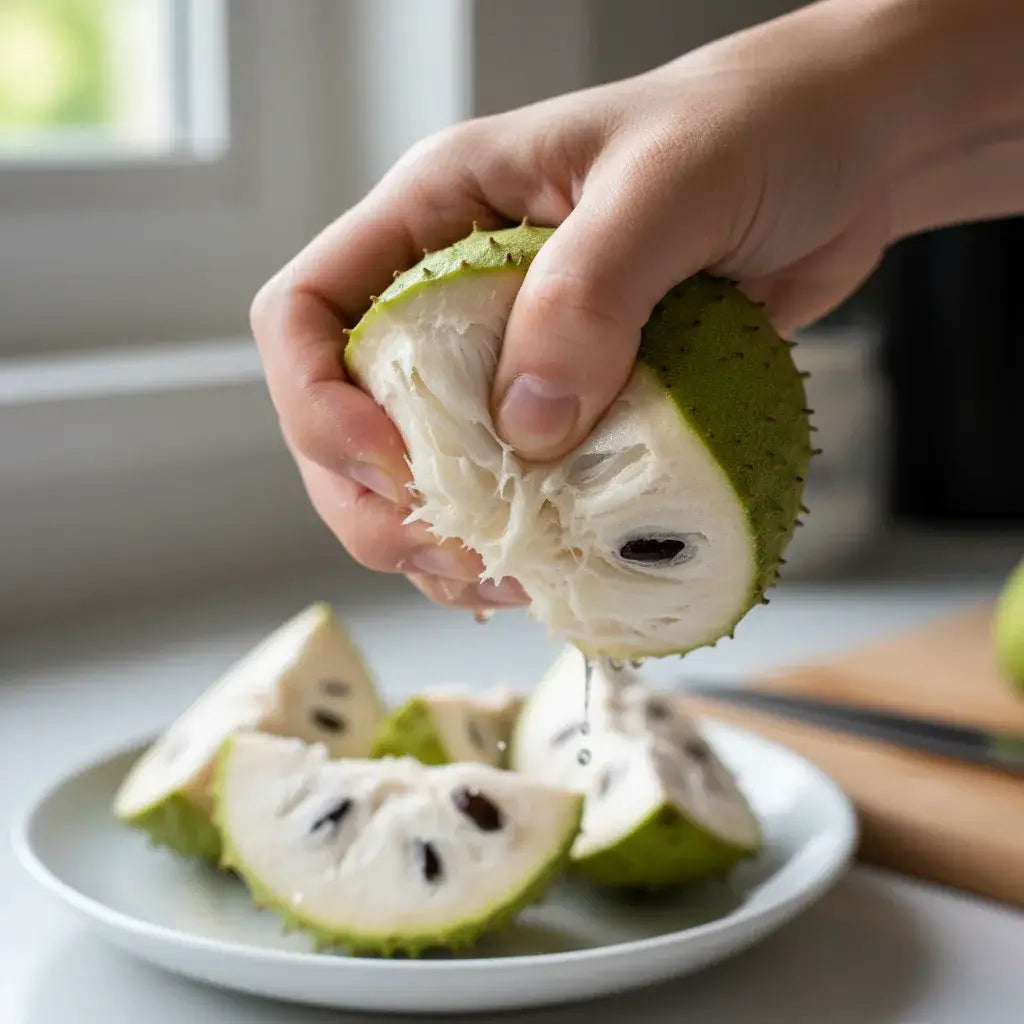
- Soursop Fruit: Soft, spongy white pulp with edible seeds; typically enjoyed fresh or blended.
- Soursop Leaf Tea: Mild, grassy, and softly aromatic with gentle herbal notes.
- Simple Preparations: Juice, smoothies, or purees that highlight soursop's fragrant qualities. For a convenient daily addition, consider the Soursop Leaf Graviola Extract - - Organic 15X Liquid Extract - Cell Renew & Immunity for intricate flavor and versatile usage.
Why Keep a Sensation Journal When Trying Soursop?
Journaling isn’t just for writers—it’s a great way for anyone to become more attuned to their surroundings and their own senses. When tasting unfamiliar foods like soursop, a journal can help you:
- Notice subtle reactions and sensations
- Uncover new flavor and aroma connections
- Experience mindful eating
- Build a record of personal preferences and experiences
- Recognize any personal patterns or changes
Remember, all notes are subjective and offer a snapshot into your unique experience.
Preparing for Your Soursop Exploration
Before you begin, it’s helpful to set an intention for curiosity and mindfulness. Here are a few sensible steps for a safe, pleasant tasting experience:
- Source Quality Soursop: Choose ripe soursop fruit, high-quality leaf tea, or trusted prepared soursop products. Soursop Leaf Tea Graviola Leaves - Organic 24/2g Tea Bags - Immunity & Cell Renew is a popular choice to start your journey safely.
- Start Small: Begin with a small serving to introduce soursop gently; for leaf tea, start with a lightly brewed cup.
- Observe Simplicity: Avoid combining soursop with strongly flavored foods at first so you can tune into its unique taste.
- Plan a Consistent Schedule: Try soursop at the same time each day for five days (morning, midday, or evening).
- Keep a Journal Handy: Use a notebook or digital device dedicated to your soursop observations.
What to Observe During Your Soursop Journal
Sensation journaling is about noticing, not judging. Here are sensory cues and prompts for each day:
Flavor and Aroma
- Is the flavor more tart or sweet today?
- Did you notice any floral, citrus, or mellow notes?
- How would you describe the aftertaste?
Texture
- How does the fruit or tea feel in your mouth?
- Is it creamy, fibrous, smooth, or thick?
Digestion and Satiety
- How does your stomach feel after your serving? Products such as Green Papaya Fruit Extract - 4X 60/600mg Capsule - Digestion Aid can support digestion as you explore new foods.
- Do you feel full, light, or unchanged?
Mood and Energy Awareness
- Did you sense any changes in energy or alertness?
- Was there a shift in your general mood after consuming soursop?
Sleep Patterns
- If sampled in the evening, did you notice anything in your sleep experience?
- Was falling asleep or waking up any different than usual?
You may wish to rate your impressions from 1–5, or simply write freeform notes each day.
Sample Soursop Sensation Journal Template
Below is a simple template for your five-day sensory journal. Adapt it to fit your preferences!
Day / Timing:
Form Consumed (fruit, tea, smoothie):
Flavor Notes:
Texture Notes:
Digestion/Satiety:
Mood/Energy:
Sleep (if noticing):
Personal Reflection:
Fill out these prompts right after sampling and, if relevant, note any follow-up observations throughout the day.
Your Five‑Day Guided Soursop Experience
Day 1: First Impressions
Open your journal with honest curiosity. Describe the look, smell, and feel of soursop before tasting. Sample your chosen form and record every sensory detail, no matter how small.
Day 2: Tuning Into Texture
Today, focus more deeply on the physical feel. Is the tea velvety, or does the fruit’s pulp remind you of something else? How does the sensation change as you chew or sip?
Day 3: Extended Observation
Track changes in your immediate and short-term experience. Do today’s perceptions differ from yesterday’s? Pay attention to satisfaction, comfort, and any flavor subtleties. Pairing your soursop experience with Papaya Leaf Tea - Organic 24/2g Tea Bags can extend sensory journaling into gentle herbal territory.
Day 4: Emotional and Energetic Reflections
Jot down any feelings or energetic states that may accompany your experience. Was tasting soursop energizing, grounding, or neutral?
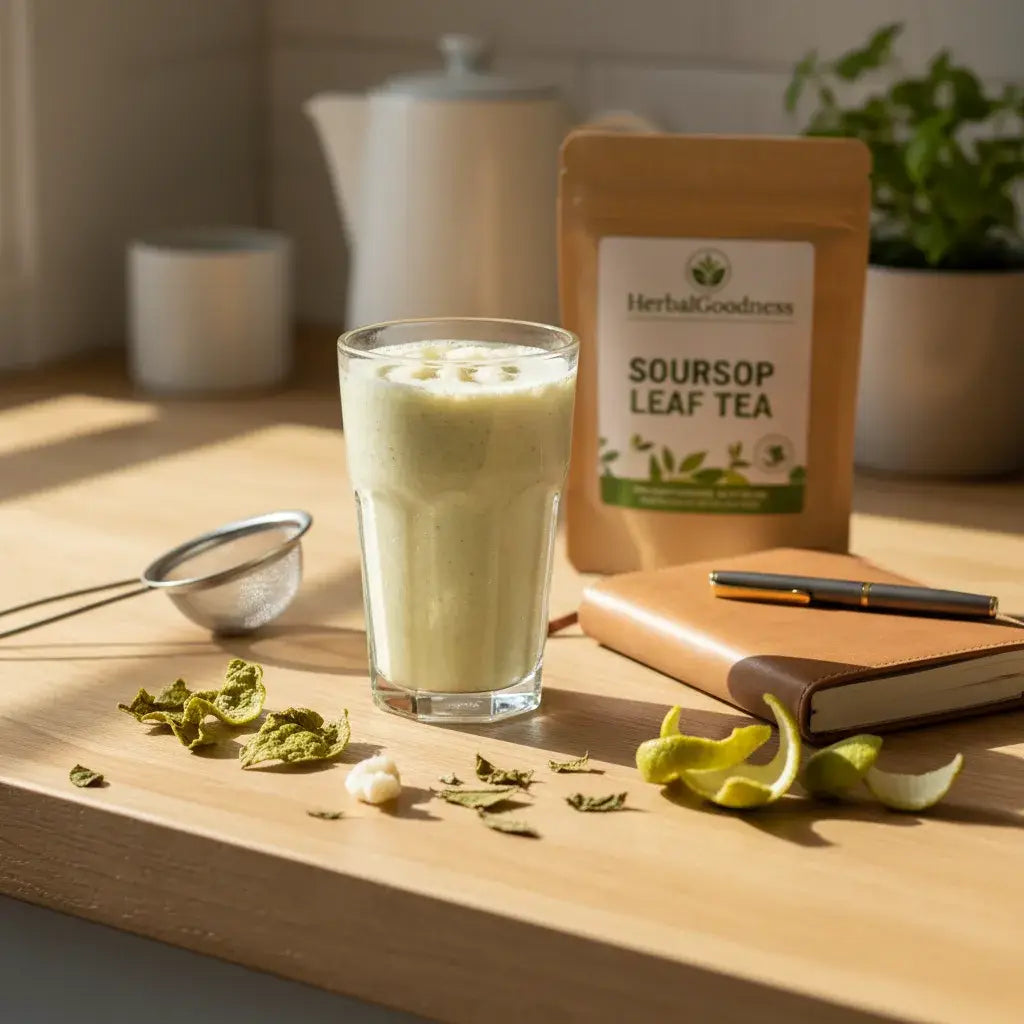
If you find a change in mood, consider herbal supports like Simply Bcos Im Happy - 2fl.oz - Mood & Zen or a classic cup of soursop leaf tea for grounding energy.
Day 5: Looking Back
Review your previous entries and reflect on what stands out. Are there repeated observations or surprising moments? What was most enjoyable or unexpected?
Interpreting Your Soursop Journal: Emphasizing Subjectivity
Each experience with soursop will be unique. When reviewing your journal, consider:
- Your initial expectations versus actual experiences
- Patterns or differences from day to day
- What forms (fruit, tea, preparation) you enjoyed most, perhaps integrating a drop or two from the Soursop Leaf Graviola Extract - - Organic 15X Liquid Extract - Cell Renew & Immunity for richer notes.
- Descriptive words that appear frequently in your notes

There are no wrong answers or interpretations. Your curiosity and attention shape the meaning of your experience.
Mindful Sensory Exploration Beyond Soursop
Soursop can be the starting point for a broader curiosity-driven approach to food. Applying sensory journaling to other fruits, herbal teas, and unfamiliar flavors can deepen your appreciation for variety and nature’s diversity. Exploring wellness teas such as Bamboo Leaf Tea – 24/1.5g Tea Bags - Nature's Collagen & Biotin is another satisfying way to expand your flavor notes and journaling observations.
Practical Sensory Exploration Tips
- When trying any new food or beverage, engage all five senses
- Record experiences without expectation or evaluation
- Sample in a calm, focused setting with minimal distractions
- Share your findings with friends or fellow curious eaters for a communal experience—perhaps invite them to try Soursop Bitters Graviola Extract - 120/1000mg Capsules - Immunity & Wellbeing and discuss your sensory notes together.
Safety and Personal Comfort in Taste Exploration
When exploring soursop or any unusual food, listening to your own body is paramount. If at any point something doesn’t feel right or pleasing, pause your experience and journal about it. Satisfy your curiosity at your own pace, knowing that mindfulness, not obligation, guides the process. For individuals with unique considerations about food introduction, consulting a Personal Consultation with Herbalist or Health Coach before trying new ingredients may be helpful.
Bringing Curiosity to Everyday Eating
Mindful, journal-driven tasting experiences like this can refresh your daily routine. Attuning to subtle tastes, mouthfeel, and sensations can boost enjoyment, foster creativity, and encourage a deeper, more joyful relationship with the foods you choose.
Start your soursop journey today, and remember—your tastebuds, sensations, and personal reflections are at the heart of this gentle exploration.
FAQs:
- What does soursop taste like?
Soursop has a unique flavor, often described as a combination of strawberry, pineapple, and citrus with creamy undertones. Its taste is both tangy and sweet, making it enjoyable in fresh fruit, teas, or smoothies.
- How do I start a soursop sensation journal?
Begin by dedicating a notebook or digital document for your daily observations. Each day, try soursop in one chosen form, then record your impressions about flavor, texture, digestion, mood, and overall sensations.
- Can I drink soursop tea instead of eating the fruit?
Absolutely! Soursop leaf tea offers a milder, herbal experience. You can include the tea as part of your five-day journaling, noting your sensory observations just as you would with the fruit.
- What should I look for when sourcing soursop?
Seek ripe, unblemished fruit or high-quality, ethically sourced soursop leaf tea from reputable vendors. Freshness and authenticity help ensure a positive tasting experience.
- Is journaling about food beneficial?
Food journaling increases mindfulness and personal awareness, helping you notice subtle nuances in taste, texture, and personal enjoyment. It's a valuable tool for any curious eater.
Author Name:
Herbal Goodness Editorial Team
Author Bio:
The Herbal Goodness Editorial Team specializes in holistic health and superfoods, blending science and nature to educate and empower our community.
References:
Introducing Graviola to Young Taste Buds: Fun, Family-Friendly Flavor Exploration
Graviola in the Classroom and at Home: Creative Activities to Teach Kids About Tropical Plants
Share this

Popular posts


FAQs
1. What are the main benefits of drinking bamboo leaf tea?
Drinking bamboo leaf tea supports hydration, relaxation, skin wellness, and antioxidant balance.
2. What is bamboo leaf extract used for?
It’s used for general body wellness, skin elasticity, hair and nail support, and overall vitality.
3. Can bamboo leaf help with skin care and body wellness?
Yes, bamboo leaf is rich in silica and antioxidants, which promote healthy skin, strong nails, and a youthful glow.
4. What forms of bamboo leaf are available?
You can find dried bamboo leaf, powder, extract, drops, oil, and bamboo leaf green tea.
5. Are there any side effects of bamboo leaf?
Bamboo leaf is generally safe when consumed in moderation. Always consult your healthcare provider before starting any new herbal supplement.