





How to Taste-Test Mushroom Tincture Blends at Home: A Simple, Flavor-First Guide

Curiosity about mushroom tincture blends extends beyond wellness benefits — the sensory experience is just as intriguing. For those seeking the best mushroom tincture to order or discerning the differences between specialty blends for sale, tasting at home lets you engage your palate and personalize your choice. This practical guide walks you through the basics of setting up an at-home blind tasting, exploring how extraction processes and mushroom species shape flavor, and suggesting gentle mixers to boost your experience. Whether you’re interested in premium, organic mushroom tinctures or just exploring flavor, this approach is designed to help you find a blend that fits your taste and your daily rituals.
Why Taste-Test Mushroom Tincture Blends at Home?
Shop shelves and online markets offer a variety of multi-mushroom tincture blends. But not all tinctures are made alike in taste, aroma, or mouthfeel. Blind, sensory-driven tasting helps:
- Discover which blends suit your palate
- Compare extraction quality and mushroom species
- Identify the best mushroom tincture for your preferences before you buy
- Build a mindful ritual around your supplement routine
Taste-testing at home makes informed buying decisions easier, ensuring you order blends that genuinely complement your daily routine. If you are interested in blends featuring adaptogenic mushrooms, consider comparing products like the Mushroom Blend Organic 15X Extract | Adaptogen for Brain & Immunity to evaluate quality and effectiveness at home.
Setting Up a Blind Mushroom Tincture Tasting
A home tasting doesn't require expert skills or fancy equipment. With these simple steps, you'll enjoy a flavor-focused experience that’s approachable and illuminating.
Choosing Your Blends
Select several mushroom tincture blends to compare. Look for differences in:
- Type of mushrooms used (e.g., Reishi, Lion’s Mane, Cordyceps, Turkey Tail)
- Extraction method (dual alcohol + water vs. single extraction)
- Organic or premium sourcing claims
If you’re looking to buy the best quality tincture, include options labeled as organic or premium to see if you detect sensory differences. Products like Lion's Mane Mushroom Liquid Extract | Organic – Brain Focus & Mood can help you notice subtle taste shifts between single-species and multi-mushroom blends.
Practical Tasting Supplies
You’ll need:
- Clean glass droppers or tasting spoons
- Small glasses (one per sample)
- Notepaper (for recording impressions)
- Water and plain crackers (to reset your palate)
Optional: a neutral pairing base, like cold water or mild tea, for diluting potent flavors. Herbal teas such as Soursop Leaf Tea | Organic Graviola 24 Bags – Immunity & Cell Renew can be a gentle way to experiment with dilution and taste enhancement.
Organizing the Blind Tasting
For unbiased results, have a friend label samples as "A," "B," and "C" — or prepare them yourself and shuffle their order if you’re solo. This ensures you assess each blend by flavor alone, not by brand or appearance.
Sensory Cues to Observe When Comparing Mushroom Tinctures
Tasting mushroom tinctures is about subtlety. These are complex extracts — not sugary drinks. Tune in to your senses, and note:
Aroma
Hold the tincture up to your nose before tasting. Ask:
- Does it smell earthy, woody, or slightly sweet?
- Is the scent sharp (alcohol-forward) or does it lean toward the natural mushroom aroma?
Aroma hints can point to both mushroom species used and the extraction method (alcohol extractions typically carry a stronger scent).
First Taste (Bitterness, Sweetness, Earthiness)
Place a small amount on your tongue (straight or diluted as desired). Record:
- How pronounced is bitterness? (more common with certain mushroom types or extraction strengths)
- Are there notes of umami, sweetness, or a dry finish?
- Does the flavor linger, or disappear quickly?
Premium blends or those using a gentle extraction may have more nuanced complexity or less bitterness when compared to harsher extracts. Tasting with Mushroom Blend Organic 15X Extract | Adaptogen for Brain & Immunity can highlight these differences in a side-by-side comparison.
Mouthfeel
Notice the way the liquid feels as it moves through your mouth and throat:
- Is the texture thin, oily, silky, or watery?
- Does it coat your tongue or leave a dry aftertaste?
- Any tingling or warmth from alcohol content?
These clues offer insight into how the tincture was processed. Dual extractions can sometimes have a darker, fuller mouthfeel compared to simpler extracts.

Finish
Pay attention to the aftertaste a minute or two later:
- Does it create lingering earthiness?
- Is there an astringent or slightly numbing sensation?
- Does a sweet or bitter note resurface?
Comparing finish can reveal the relative smoothness of organic or premium tinctures vs. conventional options for sale.
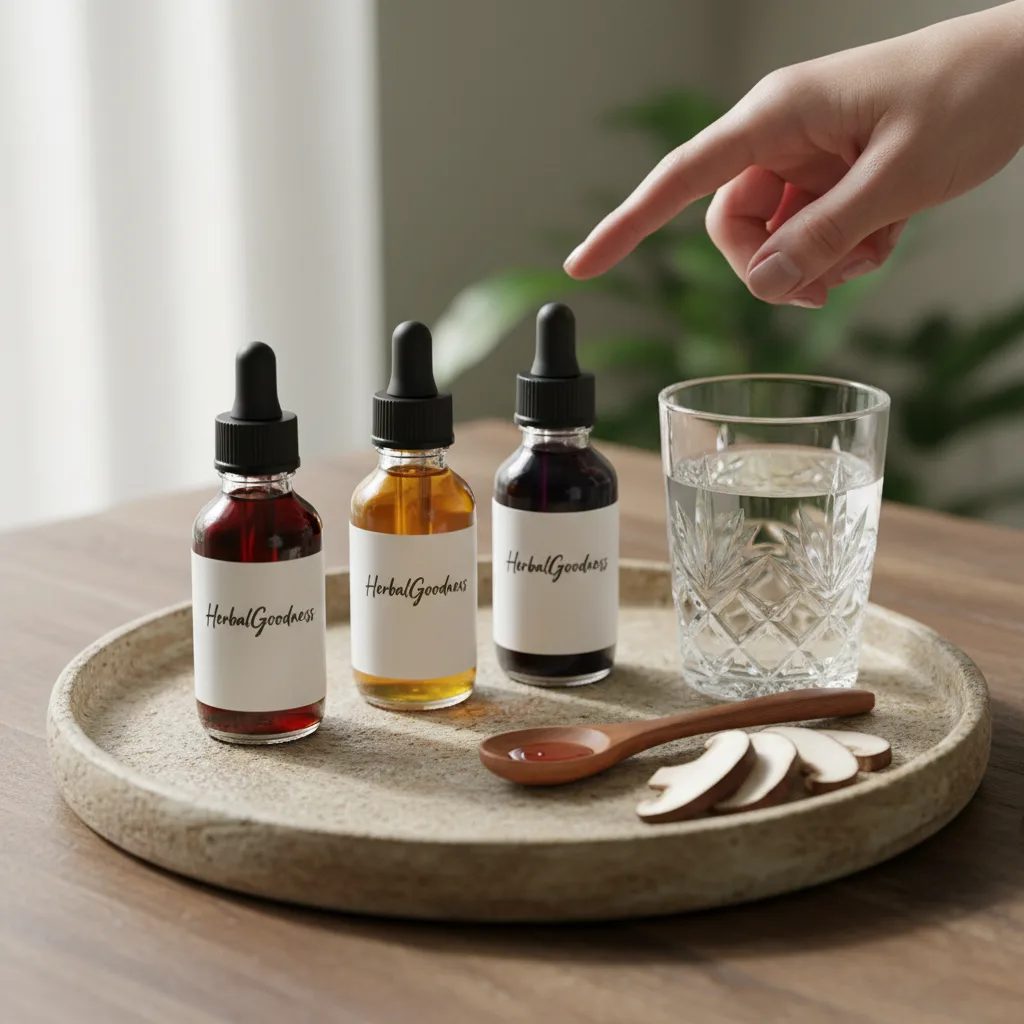
How Extraction Methods Shape Mushroom Tincture Flavor
Exploring how mushroom tinctures are made helps decode flavor differences — especially when choosing what to buy or order next.
Single vs. Dual Extraction
- Single extraction (often alcohol-only) tends to emphasize sharp, bitter notes and can highlight the more volatile compounds in mushrooms, leading to a stronger initial impression but sometimes a thinner flavor overall.
- Dual extraction uses both alcohol and water to draw out a fuller spectrum of plant compounds. This can add depth, body, and earthiness, making the tincture smoother or more "rounded."
When taste-testing, see if you prefer the robust flavor of dual-extracted blends or the punchy, focused taste of single-extract tinctures. Try Lion's Mane Mushroom Liquid Extract | Organic – Brain Focus & Mood for a clearer sense of how extraction can influence both taste and mouthfeel.
Impact of Mushroom Species on Taste
Multi-mushroom blends combine flavors from various species, each contributing a unique sensory note:
- Reishi: Typically adds earthy, woody, and mildly bitter tastes.
- Lion’s Mane: Lighter, sometimes subtly sweet, not overly earthy.
- Cordyceps: May be nutty or slightly mineral on the palate.
- Turkey Tail: Often brings depth and mild astringency.
The way these mushrooms blend together can result in harmonious complexity or a more dominant taste, depending on ratios and extraction style. Part of the fun of a home tasting is pinpointing which sensory components you most enjoy, helping you shop smarter for blends that fit your taste. If you want even more variety, try including relaxing tea infusions such as Soursop Leaf Tea | Organic Graviola 24 Bags – Immunity & Cell Renew in your experience.
Helpful Pairing Ideas: Teas, Broths, and Mocktails
Because straight mushroom tinctures can be bold, mixing them with gentle bases makes tasting approachable — and can help integrate them into your daily rituals without overwhelming your palate.
Gentle Tea Pairings
Drop your mushroom tincture into a cup of mild tea such as chamomile, green, or white tea. These bases amplify subtle flavors and soften bitterness, making it easier to distinguish nuanced notes when comparing blends. Try pairing with calming teas like Soursop Leaf Tea | Organic Graviola 24 Bags – Immunity & Cell Renew to calibrate flavors during your test sessions.
Warm Broths
A favorite for those who crave savory flavors: add a sample dose to a plain vegetarian broth. The umami notes complement mushroomy depth, while mild broth mutes bitter edges. This is especially comforting in evening routines and can be sampled along with selections such as the Mushroom Blend Organic 15X Extract | Adaptogen for Brain & Immunity.
Simple Mocktails
For a refreshing twist, combine tincture blends with:
- Sparkling water and a twist of citrus
- Apple or pear juice (for natural sweetness)
- Muddled fresh herbs such as mint or basil
Mocktails allow you to taste-test different blends in a familiar format and can help highlight subtler notes obscured in undiluted samples.

Making Notes: Building Your Personal Tasting Journal
To truly discover your favorite blend to buy, document your impressions for each sample:
- Blend label (if known)
- Aroma, taste, mouthfeel, finish
- Favorite pairing format (tea, broth, mocktail)
- Final preference ranking
This log will help you recall which blend’s sensory cues fit your palette and ritual best — streamlining future shopping if you want to order the same blend again. While you’re experimenting, compare different herbal blends as well, such as teas made from Bamboo Leaf Tea 24 Bags | Nature's Silica – Collagen & Biotin Support, especially if you enjoy pairing with plant-based infusions.
Tips for a Fulfilling Home Tasting Experience
- Go Slowly: Savor each sample, giving time to reflect on subtle differences.
- Taste in Good Lighting: Visual cues can add insight, especially for color and clarity.
- Reset with Water or Crackers: Prevent flavor overlap between samples.
- Revisit Your Favorites Later: Palate fatigue can set in; confirm your top picks after a short break or another day.
Exploring mushroom tincture blends through mindful tasting is both practical and poetic — allowing curious consumers to make purchasing decisions supported by their senses, not just product labels. If you discover an affinity for adaptogens, be sure to mark preferences for options like Mushroom Blend Organic 15X Extract | Adaptogen for Brain & Immunity in your journal for future reference.
Sourcing High-Quality Blends for Your Tasting
When you decide to expand your collection, consider shops or brands like Herbal Goodness that offer organic, premium mushroom tincture blends. Look for transparent sourcing, clear extraction details, and independent quality certifications to ensure the purest tasting experience. Noticing differences in taste during testing may point you toward higher quality extracts the next time you shop or order online. Brews like Bamboo Leaf Tea 24 Bags | Nature's Silica – Collagen & Biotin Support or Lion's Mane Mushroom Liquid Extract | Organic – Brain Focus & Mood offer distinctive sensory profiles you can compare along with mushroom blends.
Ready to discover which mushroom tincture blend fits your palate and rituals? Use our tasting tips to compare organic and premium blends before choosing your next favorite.
FAQs:
- What sensory characteristics should I record when taste-testing mushroom tinctures?
Record aroma, bitterness, earthiness, sweetness, mouthfeel, and finish. Noting these sensory cues helps you compare mushroom tincture blends and find options you’d like to buy or order again.
- Does extraction method affect the flavor of mushroom tincture blends for sale?
Yes, dual extraction methods often yield a rounder, fuller flavor, while single alcohol extraction can taste sharper. Tasting both helps identify which profiles suit your palate before you buy.
- Can I mix mushroom tinctures with teas or broths to boost taste?
Absolutely! Mixing tinctures into mild teas, broths, or simple mocktails can soften bitterness and make tasting more enjoyable, helping you determine the best way to incorporate blends into your routine.
- How do I conduct a blind tasting to compare mushroom extract blends?
Label samples anonymously, use clean droppers, and evaluate each for aroma, flavor, and mouthfeel. Record your experiences to identify the best blend for your palate and future purchases.
- What should I look for when shopping for premium mushroom tincture blends?
Look for organic ingredients, clear extraction method information, and transparent sourcing. Tasting these alongside other options can help you decide which premium or organic blend to order next.
- Why do multi-mushroom tinctures taste different from single-species extracts?
Multi-mushroom blends layer various species, creating more complex flavors and textures. Some may be earthier or milder, depending on mushroom ratios and extraction process.
- When is the best time to taste-test different mushroom tinctures at home?
Choose a time when your palate is fresh, such as mid-morning. Ensure you have water and neutral snacks handy to reset your taste between samples and allow clear, direct comparison.
Author Name:
Herbal Goodness Editorial Team
Author Bio:
The Herbal Goodness Editorial Team specializes in holistic health and superfoods, blending science and nature to educate and empower our community.
References:
Introducing Graviola to Young Taste Buds: Fun, Family-Friendly Flavor Exploration
Graviola in the Classroom and at Home: Creative Activities to Teach Kids About Tropical Plants
Share this
Popular posts


FAQs
1. What are the main benefits of drinking bamboo leaf tea?
Drinking bamboo leaf tea supports hydration, relaxation, skin wellness, and antioxidant balance.
2. What is bamboo leaf extract used for?
It’s used for general body wellness, skin elasticity, hair and nail support, and overall vitality.
3. Can bamboo leaf help with skin care and body wellness?
Yes, bamboo leaf is rich in silica and antioxidants, which promote healthy skin, strong nails, and a youthful glow.
4. What forms of bamboo leaf are available?
You can find dried bamboo leaf, powder, extract, drops, oil, and bamboo leaf green tea.
5. Are there any side effects of bamboo leaf?
Bamboo leaf is generally safe when consumed in moderation. Always consult your healthcare provider before starting any new herbal supplement.