





How to Sell Organic Guava Leaf Tea Online: Photo & Listing Tips

If you’re a small online seller of organic guava leaf tea, you know how vital it is to help customers see, understand, and trust your product. Online shoppers can’t touch, smell, or sample what you offer—they rely on your photos and descriptions to judge quality and make informed decisions. That’s why using clear, trust-building techniques to photograph and describe your guava leaf tea is key, whether you’re just getting started or want to boost your current listings. This guide provides practical steps and checklists to display your tea honestly and confidently, helping buyers shop with assurance and clarity.
Why Transparent Online Listings Matter for Organic Guava Leaf Tea
Online buyers of organic guava leaf tea are looking for signals that the tea they see is fresh, genuine, and meets their expectations. Poor photos or vague descriptions can leave room for doubt, even if your tea is top quality. Establishing trust is especially important for smaller sellers or those new to the digital marketplace. Transparent listings not only answer questions before they’re asked—they build long-term buyer confidence and encourage repeat purchases.
Simple Steps to Photograph Organic Guava Leaf Tea With Clarity
Getting great product photos doesn’t require fancy equipment. Here’s how to capture your organic guava leaf tea in ways that reassure buyers and encourage trust.
1. Set Up for Natural Lighting
- Shoot near a window in daylight—natural light brings out true tea color and textural details.
- Avoid harsh lighting or dark shadows that may distort the look of your product.
2. Use a Neutral Background
- Place tea on a plain white or light gray surface.
- Avoid busy patterns, as they can take focus away from the tea’s quality.
3. Highlight Key Visual Qualities
- Take close-up shots to show the cut, size, and texture of the guava leaves.
- Show differences between whole, crushed, or blended styles if relevant.
- Capture a handful of tea outside the package to display freshness.
4. Include Packaging and Labels
- Photograph the tea in its actual retail bag or box.
- Ensure packaging is free of glare or fingerprints.
- Make labels readable—show lot numbers, origin, and certifications.
5. Feature Multiple Angles
- Provide overhead, side, and detail shots.
- Use a ruler or coin for scale to help buyers judge size.
Quick Checklist: Photo Essentials
- [ ] Clear image of tea leaves (cut, color, and texture)
- [ ] Packaging shown (bag, box, tin)
- [ ] Certification labels visible
- [ ] Readable lot codes and origin info
- [ ] Multiple angles for context
Writing Accurate, Trustworthy Descriptions for Online Listings
After your images, your words help paint a complete picture. Reliable descriptions empower buyers to make decisions with confidence, and they set your organic guava leaf tea apart. Here’s how to write with honesty and clarity—no sales hype needed.
1. Start With Clear, Simple Language
- State what the product is: “Certified Organic Guava Leaf Tea, hand-selected and air-dried.”
- List the cut type (whole, crushed, or blended) and net weight.
2. Describe Appearance and Aroma
- Note the leaf color (e.g., “Vivid green with natural brown highlights” or “Uniformly crushed with a subtle, herbaceous scent”).
3. Give Transparency on Sourcing
- State country or region of origin.
- Mention harvest or packaging date if available.
4. Reference Packaging and Sustainability
- Specify packaging type and if it’s recyclable or compostable.
- Highlight minimal-waste features, such as resealable pouches or recyclable bags.
5. List Certifications and Lot Codes
- Name any organic or non-GMO certifications, and if applicable, provide certifying body.
- Include batch or lot code location for shoppers wanting extra assurance.
Quick Checklist: Description Details
- [ ] Full product name and format
- [ ] Leaf cut, color, and scent
- [ ] Area of origin
- [ ] Packaging material and waste-reduction notes
- [ ] Certification details and lot code info
- [ ] Freshness or packaging date when possible
Showing Freshness and Quality: Signals That Help Buyers Shop with Confidence
When buyers can’t see or smell organic guava leaf tea in person, freshness indicators become even more important online. Offer visible and textual clues that help shoppers feel secure in choosing your tea.
A. Visual Freshness Signals
- Take close-ups that show crisp leaf edges and vibrant color—these indicate minimal handling and proper storage.
- Avoid using filters or edits that alter the true look of the leaves.
B. Packaging Transparency
- Photograph date stamps, lot numbers, or QR codes.
- If your packaging is resealable, show its mechanism so buyers know how freshness is preserved.
C. Product Rotation and Stock Notes
- Share (in listing or product info) how often you restock or rotate batches. For example, “Freshly packed monthly.”
Quick Checklist: Freshness and Transparency
- [ ] Close-up of actual product color and cut
- [ ] Packaging clearly labeled (date, lot code, or batch info)
- [ ] Resealable or freshness-preserving features shown
How to Highlight Certifications and Ethical Sourcing to Build Trust
Certifications, origin details, and supplier transparency are vital for showing the integrity of your organic guava leaf tea. Buyers increasingly look for these markers to ensure alignment with their values.
1. Clearly Photograph and List Certifications
- Capture a sharp image of organic, non-GMO, or fair-trade seals on your packaging.
- State the certifying agency (USDA Organic, ECOCERT, etc.) in your description.
2. Document Supply Chain and Origin
- If your guava leaf tea comes from a named cooperative or small farm group, include this detail. For example, “Sourced from single-origin farms in Veracruz, Mexico.”
- Mention shipping or production details if relevant, such as eco-friendly transport or regional air-drying methods.

3. Ensure Certifications Match the Product
- Double-check that all visual certifications are accurate and up-to-date before showing them in photos or descriptions.
Quick Checklist: Certification and Sourcing
- [ ] Visible third-party certification logos
- [ ] Certifying body named in copy
- [ ] Sourcing region or partner disclosed
Sustainable Packaging and Low-Waste Choices: What Shoppers Want to See
More shoppers are prioritizing low-waste, eco-friendly packaging when shopping for organic guava leaf tea online. Showcasing these aspects in your photos and copy can make a difference for eco-conscious buyers.
1. Show the Packaging Material Clearly
- Use a photo that reveals the pouch, box, or tin.
- Describe if it’s recyclable, compostable, or reusable in the listing.
2. Highlight Resealability and Size Options
- Photograph resealable closures and note convenience features.
- Mention if smaller or bulk sizes are available for less packaging waste per serving. Bulk loose leaf teas & tisanes are often ideal for customers looking to further minimize packaging.
3. Call Out Minimalist Labeling
- Simple, recyclable labels can signal low environmental impact. Photograph labels in a way that shows their material.
Quick Checklist: Eco-Friendly Packaging
- [ ] Packaging material specified (e.g., compostable pouch)
- [ ] Resealable option photographed
- [ ] Bulk/small size choice described
Building Honest, Trustworthy Listings: Step-by-Step Example for Organic Guava Leaf Tea
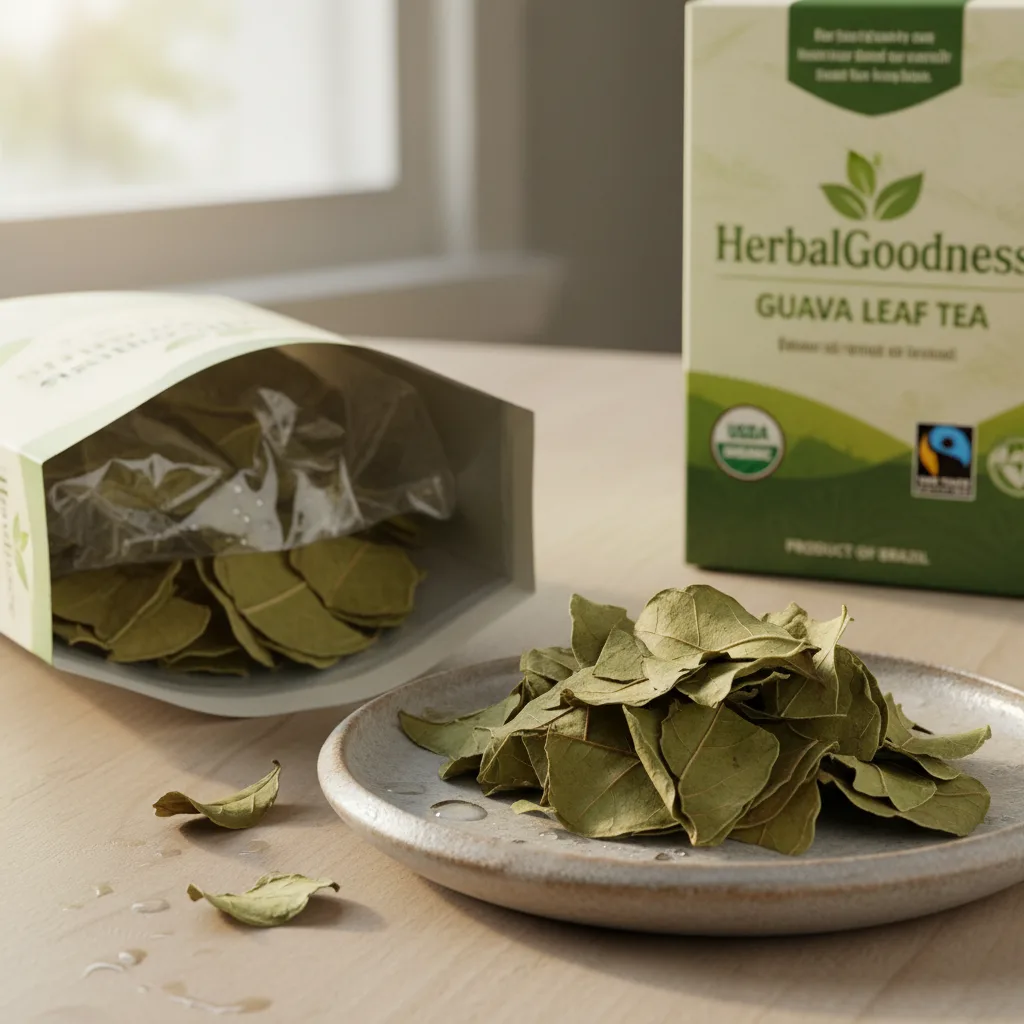
To bring it all together, here’s how you might structure a real-world online tea listing using the principles and checklists from above:
Photos:
- Main image: Tea in its original, labeled pouch on a neutral background
- Second image: Close-up of loose leaves in natural light, cut and color clear
- Third image: Back of packaging showing organic certification and lot code
- Fourth image: Packaging reseal closure in use
Description:
Premium Organic Guava Leaf Tea—handpicked, air-dried, and packaged at source in Peru. Available in 2 oz recyclable, resealable pouch. Vibrant green and brown leaf pieces, lightly crushed. Herbaceous, subtle aroma. Certified USDA Organic (see seal on back of pouch). Lot code stamped at bottom for batch assurance. Packaged in minimal, compostable material.
For sellers looking to diversify their product offerings or provide variety to customers, creating a herbal tea trio bundle featuring guava, hibiscus, and avocado can be an appealing listing. Highlight these bundles with clear photos and stress certifications and freshness in every pack.
Freshness and Transparency:
Latest lot packaged May 2024. Always shipped in small batches to preserve peak quality. See date and lot details in provided photos.
In addition to guava, teas like the organic papaya leaf tea are also valued for freshness and certifications, allowing your shop to appeal to a broader health-conscious customer base.
Packaging and Sustainability:
Low-waste, resealable pouch minimizes environmental impact and preserves freshness.

By following these practical, honest steps and checklists, you’ll create online listings that help buyers judge the true quality of your organic guava leaf tea—building trust, transparency, and loyal customers in your growing shop.
FAQs:
- What is the best way to photograph organic guava leaf tea for online listings?
Use daylight and a plain background to capture clear images of the tea's cut, color, and texture. Photograph the packaging, certifications, and provide close-ups so buyers can judge freshness and quality before they buy.
- How do I write honest descriptions for organic guava leaf tea?
List the tea’s cut, color, scent, and region of origin. Clearly state certifications and packaging details, and avoid exaggerated language. Transparency helps buyers make informed purchase decisions.
- Why should I show packaging and lot codes in guava leaf tea photos?
Visible packaging and lot codes build trust by confirming authenticity and freshness. This lets buyers verify sourcing, certification, and choose sellers who prioritize transparency.
- How does sustainable packaging influence buyers of organic guava leaf tea?
Buyers increasingly value recyclable or compostable packaging. Showing these features in photos and descriptions can help attract eco-conscious shoppers looking to order organic tea with low environmental impact.
- What are certifications to highlight when selling organic guava leaf tea online?
Common certifications include USDA Organic, Non-GMO Project Tested, and Fair Trade. Clear photos of these labels, along with certifying agency names, reassure buyers seeking the best quality and ethical sourcing.
- How can small sellers make their guava leaf tea listings more trustworthy?
Offer multiple photos showing product and packaging details, use accurate and transparent descriptions, display lot codes, and outline freshness or sustainability practices, giving buyers the clarity they need to shop confidently.
Author Name:
Herbal Goodness Editorial Team
Author Bio:
The Herbal Goodness Editorial Team specializes in holistic health and superfoods, blending science and nature to educate and empower our community.
References:
Introducing Graviola to Young Taste Buds: Fun, Family-Friendly Flavor Exploration
Graviola in the Classroom and at Home: Creative Activities to Teach Kids About Tropical Plants
Share this
Popular posts


FAQs
1. What are the main benefits of drinking bamboo leaf tea?
Drinking bamboo leaf tea supports hydration, relaxation, skin wellness, and antioxidant balance.
2. What is bamboo leaf extract used for?
It’s used for general body wellness, skin elasticity, hair and nail support, and overall vitality.
3. Can bamboo leaf help with skin care and body wellness?
Yes, bamboo leaf is rich in silica and antioxidants, which promote healthy skin, strong nails, and a youthful glow.
4. What forms of bamboo leaf are available?
You can find dried bamboo leaf, powder, extract, drops, oil, and bamboo leaf green tea.
5. Are there any side effects of bamboo leaf?
Bamboo leaf is generally safe when consumed in moderation. Always consult your healthcare provider before starting any new herbal supplement.