





How to Find and Source Papaya Leaves Locally: Ethical Harvesting Near You
Discovering papaya leaves in your local community can be a rewarding and accessible journey, whether you are drawn to their botanical beauty or traditional uses. Sourcing fresh papaya leaves near you not only supports local growers but also allows you to connect with regional horticulture, appreciate seasonality, and ensure the utmost freshness by inspecting what you buy or gather. This practical guide empowers you to navigate farmers’ markets, tropical nurseries, ethnic grocers, and community gardens with confidence, so you can ethically source, inspect, and handle papaya leaves right in your own neighborhood.
Where to Find Papaya Leaves Locally
Finding fresh papaya leaves nearby involves knowing where to look and how to approach potential sources with respect. Here are the most common places to start your search:
Farmers’ Markets and Farm Stands
Many local farmers’ markets—especially in regions with warm climates—offer papaya leaves as a specialty green. Explore:
- Markets serving culturally diverse communities
- Stalls run by growers specializing in tropical or exotic plants
- Occasional farm stands on the outskirts of urban centers or in rural areas
Early morning visits yield the best selection, and you gain the chance to speak directly with growers about availability, growing practices, and harvest cycles. If you want to enjoy the benefits of papaya leaves year-round, you might consider trying Organic Papaya Leaf Tea | 24 Premium Bags – Caffeine-Free, which is crafted from high-quality leaves.
Tropical Plant Nurseries and Garden Centers
Nurseries sometimes cultivate papaya as both fruit and ornamental. Even if they do not openly sell the leaves, staff may be willing to share trimmings from pruning or recommend nearby growers. Look for:
- Stores with greenhouse space for tropicals
- Specialty nurseries in USDA Zones 9–12
- Local gardening clubs partnering with nurseries
Community Gardens and Urban Agriculture Projects
Community gardens are increasingly diverse in their plant offerings. Many urban agriculture projects or co-op gardens now grow papaya trees for their lush foliage and summer fruits. Tips for connecting:
- Join garden open houses or volunteer workdays
- Ask coordinators if papaya is grown on site
- Offer to participate in maintenance or pruning days in exchange for a few leaves
If you’re unable to find fresh leaves in your area, consider supplementing your routine with Organic Papaya Leaf Extract 16oz | 15X Liquid – Best Value Size for a concentrated, shelf-stable option that brings the essence of papaya leaves into your wellness routine.
Ethnic Grocers and Specialty Food Stores
Supermarkets or grocers serving Caribbean, Southeast Asian, or Latin American communities often stock papaya leaves, especially in metropolitan areas. Look in:
- Tropical produce sections
- Refrigerated shelves or fresh herbs
- Ask staff about scheduled deliveries or special orders
If you find yourself interested in other botanical extracts for diverse wellness needs, explore options such as Blood Platelet Support with Papaya Leaf | Organic 15X Liquid Extract which leverages the unique health properties of papaya leaves in an extract form.
Private Home Gardens
Papaya trees are increasingly popular with backyard gardeners in warmer regions. If a neighbor or a community member has a tree, a respectful ask for fallen or pruned leaves can yield results—just be sure to approach with courtesy and appreciation.
Approaching Growers and Vendors Respectfully
Building relationships with local producers not only helps secure fresher papaya leaves but fosters goodwill and supports ethical sourcing.
Guidelines for Ethical Engagement
- Introduce Yourself: Share why you are interested in papaya leaves. Curiosity and openness often invite friendly responses.
- Ask About Their Harvest: Respect their cultivation schedule and availability. Not every grower can spare leaves year-round.
- Offer a Fair Exchange: If harvesting or collecting trimmings, ask if there’s a charge or if you can volunteer or trade.
- Limit Requests: Request only what you need, so others can enjoy the resource as well.
- Express Appreciation: Acknowledge the efforts behind growing and maintaining papaya trees.
For those who appreciate tea, Organic Papaya Leaf Tea | 24 Premium Bags – Caffeine-Free offers the comforting flavors of papaya leaves in a convenient form, especially when fresh sourcing is limited.
Understanding Regional and Seasonal Availability
Papaya leaves are most abundant in regions with tropical or subtropical climates. In the U.S., southern states (Florida, Texas, California, Hawaii) offer the widest span of availability, but urban indoor growers or heated greenhouses can extend access elsewhere.
Seasonal Insights
- Spring and Summer: Prime growth periods for papaya leaves; new foliage is plentiful and tender.
- Fall and Early Winter: Growth slows outdoors; some greenhouse growers may still have harvests.
- Year-Round in Controlled Environments: Greenhouses and some nurseries may cultivate papaya continuously.
Check local climate and inquire with community sources about the typical harvest calendar in your area. If accessing leaves during off-seasons poses a challenge, Organic Papaya Leaf Extract 16oz | 15X Liquid – Best Value Size can help maintain routine without compromise.
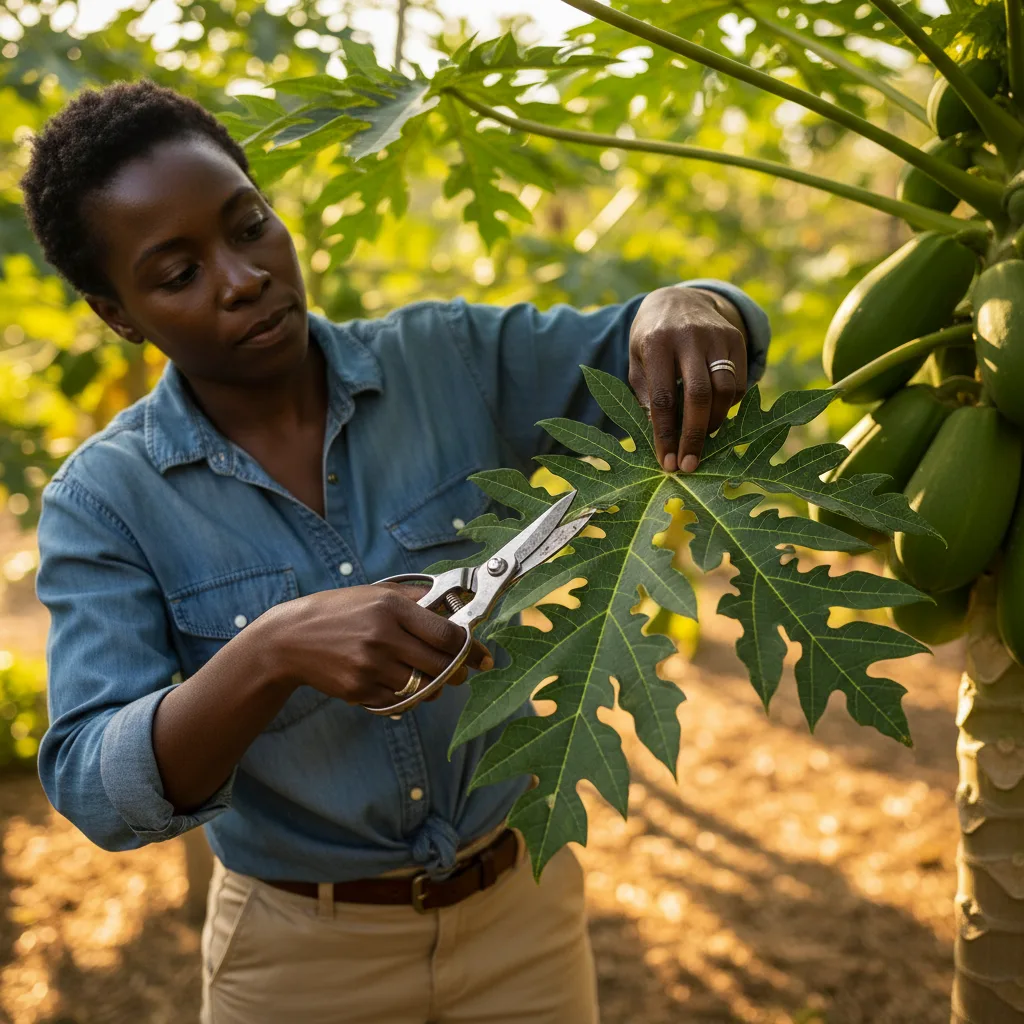
Freshness and Safety: How to Inspect Papaya Leaves
Ensuring that the papaya leaves you bring home are fresh, vibrant, and safe is fundamental. Here’s how to make informed choices:
Visual and Sensory Inspection
- Color: Look for leaves with a deep, even green color. Avoid yellowing or browning edges.
- Texture: Choose leaves that are firm and pliable, not limp or wilted.
- Aroma: Fresh papaya leaves should have a mild, green scent. An off or sour odor may indicate spoilage.
- Cleanliness: Ensure leaves are free from visible dirt, insects, or signs of pesticide residue.
Freshness Checklist
- Are the stems and leaf edges free of dark, mushy, or wilted patches?
- Does the leaf recover after gentle bending?
- Is the cut end or stem still moist and green, rather than dry or yellowed?
- Is there a natural sheen rather than a dull, dusty look?
Safe Handling Tips
- Ask about growing practices. Some urban gardens are organic; others may use fertilizers or sprays. Inquire if leaves are grown without chemicals if that matters to you.
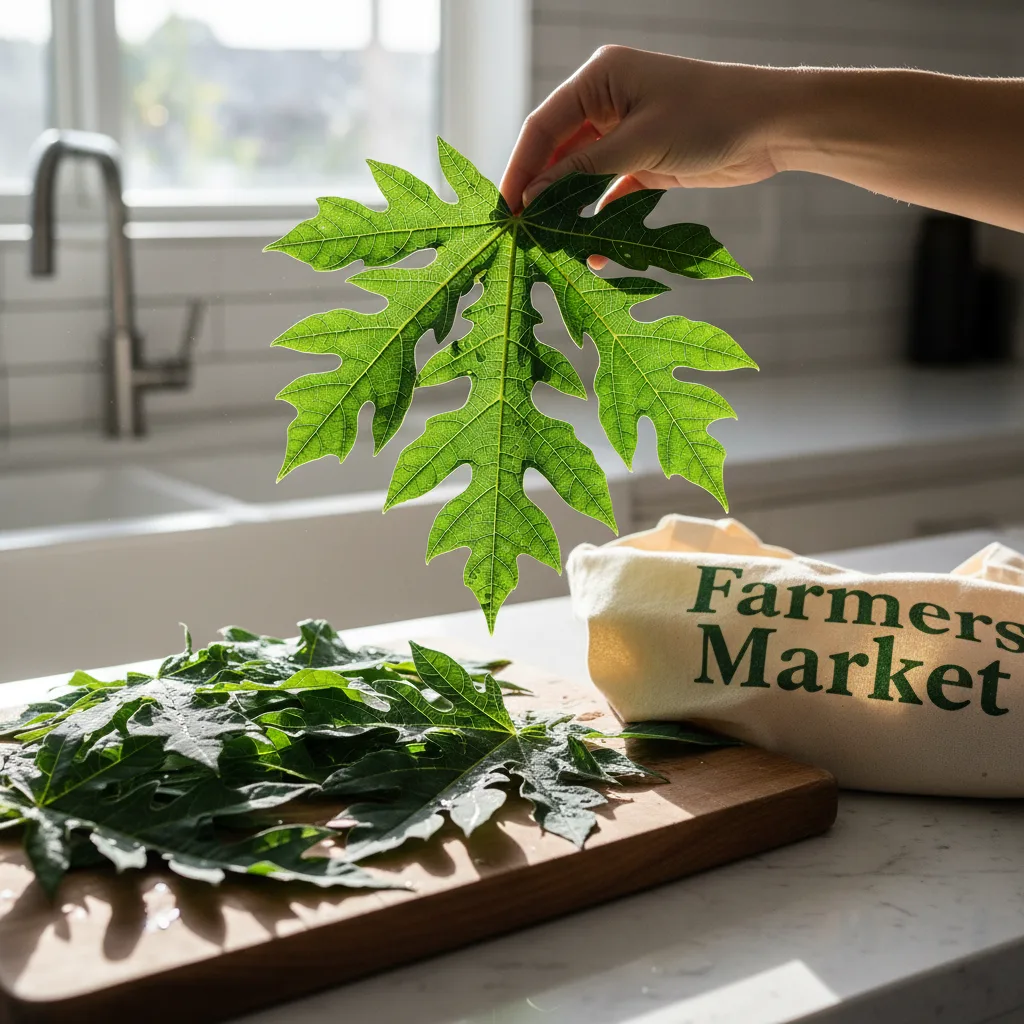
- Rinse after purchase. Give all leaves a quick wash with cool water before use. This step removes dust, pollen, or debris.
For anyone seeking extra support for healthy blood platelets, Blood Platelet Support with Papaya Leaf | Organic 15X Liquid Extract leverages both traditional wisdom and modern extraction methods to deliver concentrated benefits.

Storage and Transport: Keeping Leaves Fresh
After sourcing your papaya leaves, simple steps can help maintain their freshness, whether you plan to use them the same day or store for later.
Transport Basics
- Keep Cool: Carry leaves in a shaded, cool tote if possible.
- Reduce Crushing: Lay leaves flat or gently rolled in a breathable bag. Avoid overpacking or folding tightly.
Short-Term Storage
- Refrigeration: Place leaves in a zip-top bag or airtight container lined with a paper towel. Store in the vegetable crisper; use within 3–5 days for best quality.
- Hydration: If wilting, revive by placing stems in a small glass of water in the fridge for a few hours.
Preserving papaya leaves for tea is made easy with options like Organic Papaya Leaf Tea | 24 Premium Bags – Caffeine-Free, which keep the nutrients and aroma sealed until ready to brew.
Longer-Term Strategies
- Freezing: Fresh, washed leaves can be blanched and frozen, though texture changes.
- Drying: For those interested in preserving leaves for tea, air-drying clean papaya leaves in a single layer away from direct sunlight can extend shelf life, but always check for quality before use.
If you want to experience papaya leaves without the hassle of sourcing, Organic Papaya Leaf Extract 16oz | 15X Liquid – Best Value Size and Blood Platelet Support with Papaya Leaf | Organic 15X Liquid Extract provide versatile options.
Questions to Ask Vendors and Community Growers
When you find a potential source, coming prepared with clear questions ensures transparency and builds trust. Here is a checklist for your next visit:
- How are your papaya leaves grown? (Organic, conventional, greenhouse, etc.)
- Are the leaves freshly harvested or stored?
- When was the last harvest or pruning?
- Are you open to providing a small amount or pruned trimmings?
- Can I see where the trees are grown or review your typical process?
- What’s the best way to store the leaves at home?
- Are there particular times of year when leaves are most plentiful?
Making the Most of Local Papaya Leaf Sourcing
Sourcing papaya leaves locally is about more than just convenience—it’s about community, sustainability, and a deeper connection to regional growth cycles. By building respectful relationships with growers, checking for freshness and quality, and storing leaves with care, you invite both abundance and gratitude into your papaya leaf journey. If you’re new to papaya leaf use, this approach also ensures you start with the best ingredient, directly from a source you trust.
Frequently Asked Questions
Question 1: Where can I find fresh papaya leaves if local sources are unavailable?
Answer: If you struggle to locate papaya leaves nearby, you can enjoy them year-round by trying Organic Papaya Leaf Tea | 24 Premium Bags – Caffeine-Free or concentrated Organic Papaya Leaf Extract 16oz | 15X Liquid – Best Value Size.
Question 2: How do I keep papaya leaves fresh after purchasing?
Answer: Store leaves in a zip-top bag with a paper towel in your fridge’s vegetable crisper and use within 3–5 days. For a preserved option, Organic Papaya Leaf Tea | 24 Premium Bags – Caffeine-Free is an excellent alternative.
Question 3: Are there convenient papaya leaf products for supporting platelet health?
Answer: Yes, consider Blood Platelet Support with Papaya Leaf | Organic 15X Liquid Extract if you want highly concentrated papaya leaf benefits for platelet wellness.
Question 4: Can I store papaya leaves long term?
Answer: Fresh papaya leaves can be blanched and frozen or air-dried for tea. For convenience, Organic Papaya Leaf Extract 16oz | 15X Liquid – Best Value Size provides long-lasting, potent papaya leaf goodness.
Question 5: What should I look for when inspecting papaya leaves at markets?
Answer: Look for deep green color, firm texture, a mild aroma, and clean surfaces. If fresh leaves aren't in top shape, Organic Papaya Leaf Tea | 24 Premium Bags – Caffeine-Free ensures quality every time.
Question 6: Are papaya leaves available outside tropical areas?
Answer: Yes, with urban growers and greenhouses, you may find papaya leaves even in cooler climates. If not, shelf-stable choices like Organic Papaya Leaf Extract 16oz | 15X Liquid – Best Value Size let you enjoy benefits anywhere.
Question 7: Do papaya leaf teas or extracts provide the same benefits as fresh leaves?
Answer: Quality Organic Papaya Leaf Tea and Organic Papaya Leaf Extract 16oz | 15X Liquid – Best Value Size preserve the natural essence, aroma, and health-promoting compounds found in freshly harvested papaya leaves.
Exploring your local sources for papaya leaves can open new doors to community connections and fresh ingredients. Prepare your checklist, and enjoy the process of sourcing with care and curiosity.
About the Author
Herbal Goodness Editorial Team
The Herbal Goodness Editorial Team specializes in holistic health and superfoods, blending science and nature to educate and empower our community.
Related Articles
Bulk Papaya Leaf Extract for Cosmetics: Complete Sourcing Guide
Platelets 101: Why Researchers Are Interested in Papaya Leaf Extract
Home Prep Guide: Safe, Flavor-First Ways to Prepare and Use Papaya Leaves
Papaya Leaf Extract Capsules: How to Read Antioxidant Lab Results
Why Do I Feel Weird After Taking Black Seed Oil? Common Reactions and Tracking Tips
Moringa Benefits for Women: An Evidence-Aware, Practical Guide
How to Use Free Herbal Medicine Databases to Research Herbs Safely and Smartly


FAQs
Drinking bamboo leaf tea supports hydration, relaxation, skin wellness, and antioxidant balance.
It’s used for general body wellness, skin elasticity, hair and nail support, and overall vitality.
Yes, bamboo leaf is rich in silica and antioxidants, which promote healthy skin, strong nails, and a youthful glow.
You can find dried bamboo leaf, powder, extract, drops, oil, and bamboo leaf green tea.
Bamboo leaf is generally safe when consumed in moderation. Always consult your healthcare provider before starting any new herbal supplement.