





How to Decode Certifications, Extraction Methods, and Ingredient Sourcing in Plant-Based Beauty Supplements

Consumers are increasingly seeking transparency in the world of plant-based beauty supplements. Whether shopping for radiant skin support or a holistic wellness boost, reading a product label can sometimes feel like deciphering a secret code. Certifications, extraction methods, and ingredient sourcing—all these terms appear on bottles, jars, and boxes, but what do they really mean? Understanding these elements helps shoppers make informed, mindful choices and sets the foundation for lasting trust in brands like Herbal Goodness and beyond. This guide provides a clear, practical roadmap for decoding supplement labels and gaining confidence in every beauty-boosting purchase.
The Language of Labels: What to Look For
Navigating a supplement label can feel overwhelming at first glance. A well-designed label conveys a wealth of information: what's inside, how it was made, and important third-party validations. Here’s what to pay attention to when reading any plant-based beauty supplement label:
- Ingredient list: Reveals everything included, typically in descending order by weight.
- Suggested use/directions: Offers the serving size and how the supplement is intended to be taken.
- Supplement facts panel: Provides quantities of active components and, often, the herbal source.
- Certification logos: Indicates compliance with well-recognized standards, such as USDA Organic or Fair-Trade.
- Manufacturer information: Includes the company name and contact details, offering traceability and accountability.
- Batch or lot number: Enables tracking of product quality and freshness.
Understanding the vocabulary used is key. Let’s break down some crucial label elements in detail.
Demystifying Third-Party Certifications
Certifications serve as an independent confirmation of a supplement’s quality, sourcing ethics, and safety standards. Recognizing the meaning behind various certification symbols can help you quickly assess a product’s credibility.
Organic Certifications
An "organic" label, such as USDA Organic, means the supplement’s plant ingredients were grown without the use of synthetic fertilizers, pesticides, or genetically engineered substances. Organic certification also requires farms and manufacturers to follow specific handling, storage, and record-keeping procedures. This certification is favored by those seeking reassurance about farming methods and ecosystem impact.
Fair-Trade Certifications
Fair-Trade certification verifies that ingredients were sourced under fair working conditions and that farmers received fair compensation. These programs often encourage sustainable growing practices and community investment. Products bearing such logos help support social responsibility in addition to personal care.
Certificates of Analysis (COA) and Additional Testing
A Certificate of Analysis (COA) verifies that an independent lab has tested the supplement for purity, consistency, and label accuracy. The COA is not typically on the bottle, but reputable brands will provide access—either online or upon request. This document gives detail about the identity, strength, and purity of the supplement’s key components, offering extra assurance for discerning consumers.
Other Potential Certifications
Depending on the brand and formulation, you may also see Vegan, Non-GMO, or Gluten-Free certifications. All these offer further insight into processing and ingredient sourcing, supporting transparency for shoppers with specific preferences or dietary restrictions.
Extraction Methods: What They Signal About the Ingredients
A supplement's extraction method provides clues about product quality, safety, and concentration of beneficial plant compounds. Each extraction technique has unique strengths, and the choice often reflects the nature of the plant, as well as the intended use and desired sensory qualities of the final product.
CO2 Extraction
Often used in premium supplements and essential oils, CO2 (carbon dioxide) extraction is a solvent-free method that uses pressurized carbon dioxide to extract active plant components. This approach preserves delicate compounds, yields a pure extract, and leaves no solvent residue. CO2 extraction is generally valued for its efficiency and for producing highly concentrated plant extracts. For those seeking CO2-extracted oils, Black Seed Oil 8oz - Cold-Pressed Liquid - Immunity & Wellness is a notable choice, as it's crafted using gentle processes to maintain oil purity.
Alcohol Extraction (Tinctures)
Alcohol is a traditional solvent, commonly used to produce herbal tinctures. This method extracts both water-soluble and alcohol-soluble compounds, resulting in a broad spectrum of plant constituents. While the taste may be more intense, alcohol-based extracts are favored for their potency and long shelf life. Reputable brands ensure the final product contains an appropriate level of residual alcohol well within regulatory guidelines, as exemplified with advanced tinctures such as Soursop Leaf Graviola Extract - - Organic 15X Liquid Extract - Cell Renew & Immunity.
Glycerin Extraction
Glycerin, derived from plant oils, serves as an alternative solvent for producing alcohol-free extracts. Glycerites are gentler on the palate and are popular with individuals seeking alcohol-free options, or for use in children's formulas. The final extract is typically sweeter and milder, making it suitable for those sensitive to alcohol-based preparations. Options including Papaya Leaf Extract - - Organic 16oz 15X Liquid Extract offer a plant-based alternative with glycerin extraction for a smooth taste.
Cold-Press Extraction
Cold-pressing is used primarily for oils such as those from seeds or nuts. Plant material is mechanically pressed at low temperatures, preventing heat degradation of fragile nutrients or aromatic compounds. This method is prized for retaining the natural properties, flavors, and beneficial molecules in their unaltered state. When reviewing label details, you’ll often spot cold-pressed terminology on premium oil-based supplements.
Why Extraction Matters
Reading which extraction technique was used can help you gauge the integrity and concentration of the plant’s active components, as well as select a supplement format that aligns with your lifestyle (for example, choosing alcohol-free extracts for sensitive individuals). Choosing advanced extractions such as those in Radiance Boost - 15X Liquid Extract - Beauty From Within enables customers to match their supplement preference to their wellness goals.
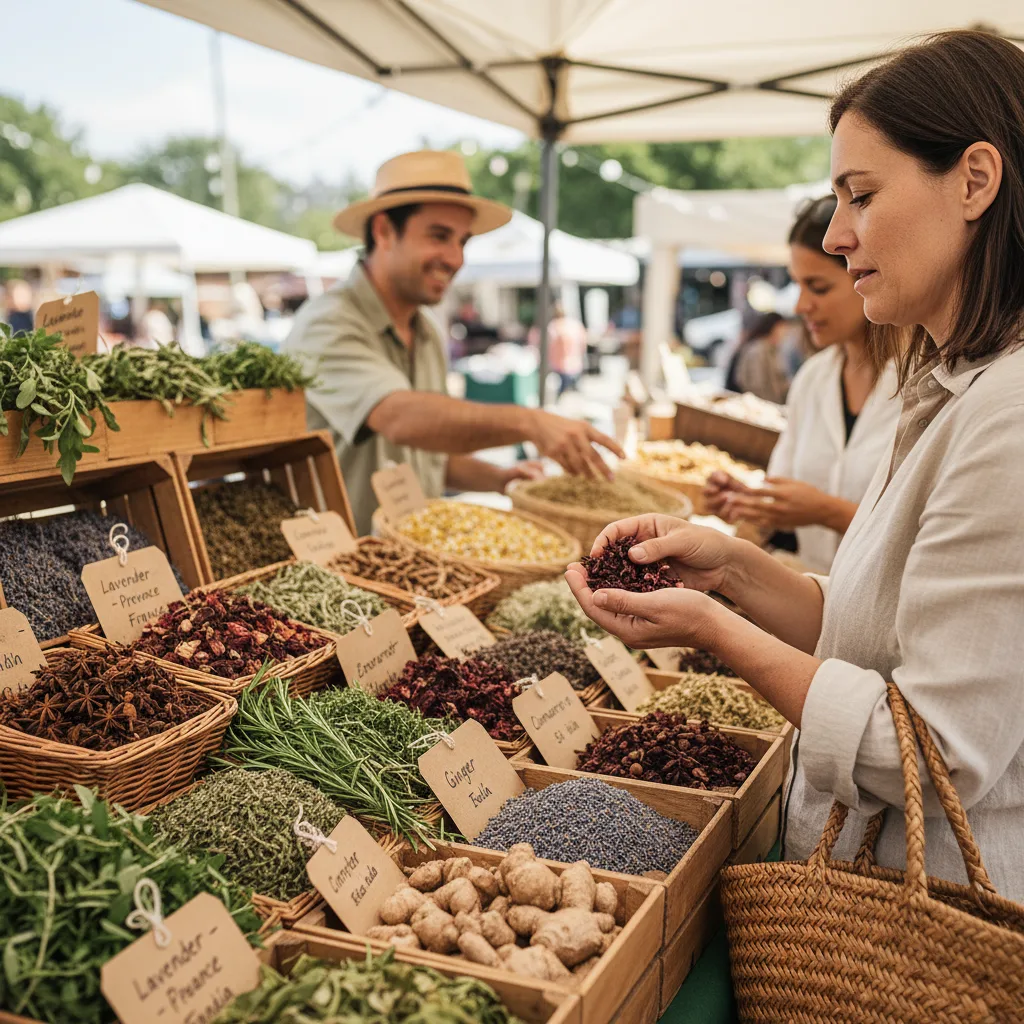
Ingredient Sourcing: Quality, Traceability, and Transparency
The source of a supplement’s plant ingredients tells a deeper story about the product’s overall value, sustainability, and ethical foundations. Here’s what to consider:
Country of Origin
Where and how the herbs are grown may impact their nutrient profile, flavor, and purity. Some regions boast rich soil and ideal climates for certain plants, leading to higher-quality yields. Labels may specify the country of origin, but if not present, responsible brands will readily share this information. For example, Sea Moss - Raw Dried from St Lucia - 8oz Bag - Nature's MultiVitamins highlights the value of regional sourcing.
Harvesting and Processing Techniques
The timing of harvest and the method of processing (such as air-drying at low temperatures for leaves, or hand-picking ripe fruit) influence the retention of desirable constituents. Asking how and when the plants were harvested can give insight into ingredient freshness and potency, as encountered in careful leaf picking for Soursop Leaf Tea Graviola Leaves - Organic 24/2g Tea Bags - Immunity & Cell Renew.
Supply Chain Transparency and Traceability
Transparency in sourcing means being able to track an ingredient from farm to finished product. Traceability often relies on detailed documentation (such as batch numbers), allowing both brands and consumers to identify and verify the origin of the plants used. This is especially important for those who value sustainability, fair labor, or specific growing standards. Supplement lines like Beauty Builder - 1oz 15X Liquid Extract - Anti-Aging & Skin Elasticity showcase dedication to sourcing transparency from harvest to bottling.

Questions to Ask When Comparing Plant-Based Beauty Supplements
Here are key questions to consider when evaluating different plant-based beauty supplements:
- Are the plant ingredients certified organic or fair-trade?
- Which extraction methods were used, and why?
- Where are the herbs or plants grown, and how are they harvested?
- Does the company provide a Certificate of Analysis or support third-party testing?
- What measures are taken to ensure ingredient purity and authenticity?
- How transparent is the supply chain, from seed to shelf?
- Are the supplements vegan, non-GMO, or gluten-free (if these factors are important to you)?
Consumers who ask these questions are empowered to make selections that match their values and wellness goals, while supporting responsible sourcing and manufacturing practices. Reviewing comprehensive supplement details as shown on Papaya Leaf Extract - Organic 1oz 15X Liquid - Blood Platelet can provide clarity on formulations and certifications.
Navigating Ingredient Lists and Panel Details
Reading the actual ingredient list remains a fundamental skill. Here’s a quick guide:
- Botanical names: Many reputable brands list both the common and Latin botanical name, which clarifies the exact plant species used.
- Part of plant used: Look for labels describing whether the supplement is made from root, leaf, flower, or fruit.
- Concentration and potency: Is the extract standardized to a specific percentage of active constituents (e.g., 40% polyphenols)?
- Additives and excipients: Scan for fillers, artificial flavors, colors, or preservatives. Quality brands minimize these in their formulations.
- Formulation format: Plant-based beauty supplements may be delivered as liquid extracts, capsules, powders, or teas—each suited to different preferences and routines. A versatile option is Graviola Soursop Leaf Extract – 10X 60/600mg Capsules - Cell Renew & Immunity for those preferring capsules with concentrated levels of key compounds.

Building Confidence: Next Steps for the Informed Consumer
The journey to understanding plant-based beauty supplements is made easier by focusing on label transparency, trusted certifications, sound extraction practices, and ethical sourcing. Taking the time to ask questions and research brands helps build confidence in your choices, allowing you to align your beauty routine with both your health principles and personal values.
By familiarizing yourself with the key details discussed in this guide, you’re well positioned to make educated decisions—whether exploring offerings from Herbal Goodness or other trusted providers—that meet the highest standards for safety, sustainability, and quality.
FAQs:
- What does it mean if a plant-based beauty supplement is certified organic?
A certified organic supplement means its plant ingredients were grown and processed without synthetic pesticides, fertilizers, or genetically engineered substances. This certification also requires strict handling and record-keeping standards.
- Why are extraction methods important in supplements?
Extraction methods determine which plant compounds are present in the final product, influence purity, and impact how concentrated or gentle the supplement is. Each method (CO2, alcohol, glycerin, cold-press) has advantages depending on the plant and desired outcome.
- How can I verify the quality of a beauty supplement?
Look for third-party certifications such as organic or fair-trade. Ask brands for a Certificate of Analysis from an independent lab to confirm ingredient purity and label accuracy.
- What questions should I ask about ingredient sourcing?
Ask where the plants are grown, how they are harvested, what extraction methods are used, and if the company provides sourcing transparency or traceability information.
- Why does supply chain transparency matter in supplements?
Transparency allows consumers to trace the origins of each ingredient, ensuring both quality and adherence to sustainability, ethical, and purity standards throughout the process.
- What information should I look for on the supplement facts panel?
Check for listing of all active ingredients, serving size, concentration or standardization of extracts, and whether the botanical name and plant part used are included.
Author Name:
Herbal Goodness Editorial Team
Author Bio:
The Herbal Goodness Editorial Team specializes in holistic health and superfoods, blending science and nature to educate and empower our community.
References:
Introducing Graviola to Young Taste Buds: Fun, Family-Friendly Flavor Exploration
Share this
Popular posts


FAQs
1. What are the main benefits of drinking bamboo leaf tea?
Drinking bamboo leaf tea supports hydration, relaxation, skin wellness, and antioxidant balance.
2. What is bamboo leaf extract used for?
It’s used for general body wellness, skin elasticity, hair and nail support, and overall vitality.
3. Can bamboo leaf help with skin care and body wellness?
Yes, bamboo leaf is rich in silica and antioxidants, which promote healthy skin, strong nails, and a youthful glow.
4. What forms of bamboo leaf are available?
You can find dried bamboo leaf, powder, extract, drops, oil, and bamboo leaf green tea.
5. Are there any side effects of bamboo leaf?
Bamboo leaf is generally safe when consumed in moderation. Always consult your healthcare provider before starting any new herbal supplement.