





How to Compare Herbal Manufacturer Samples Before Bulk Orders

Sourcing a custom herbal manufacturer online can be a pivotal step for brands launching clean, organic, or plant-based products. Before committing to a bulk order, understanding how to leverage product samples and pilot batches is crucial for ensuring your product’s sensory qualities, quality standards, and packaging requirements are met. This guide clarifies the different sample types manufacturers offer, how to navigate necessary tests and documentation, and practical ways to evaluate your samples for confident decision-making.
Understanding Herbal Manufacturer Sample Types
When sourcing custom herbal manufacturers, requesting samples is standard practice. Not all samples are the same; here’s a breakdown of the most common sample types you might encounter:
Lab Samples: First Glance at Product Potential
Lab samples are typically small-scale creations made by the manufacturer’s laboratory team. They give a first glimpse of the finished herbal product using your specified ingredients, formula, or extract concentration. Lab samples are primarily used to confirm:
- Ingredient quality: Whether organic, wildcrafted, or fair-trade, lab samples use your chosen botanicals.
- Extract potency: The concentration of active plant compounds or botanical markers.
- Basic sensory qualities: Initial look, taste, aroma, and texture in your preferred form (e.g., tea bag, liquid, powder, capsule).
Requesting ingredient sourcing information is especially important if your products rely on clean botanicals like those in Raw Sea Moss 8oz Bag | St. Lucia Wildcrafted – Nature's Multivitamin. Not only does this reinforce transparency, but it ensures your samples match the specifications vital to organic certification and consumer trust.
Request with your lab sample:
- Certificate of Analysis (COA) indicating botanical composition and purity
- Ingredient sourcing info (organic certificates for organic inputs)
- Explanation of any extraction or processing steps
Pilot Batches: Scaling for Real-World Production
A pilot batch is a small, scaled-up production run, usually larger than a lab sample but smaller than full-scale production. It’s designed to simulate actual manufacturing conditions, including blending, encapsulation, filling, and packaging. Pilot batches reflect:
- Consistency: Is your product uniform in potency, look, and texture across a full batch?
- Process capability: Can the formula be produced reliably at scale?
- Preliminary shelf stability: Early insight into how your herbal product holds up under normal warehouse and transport conditions.
When reviewing a pilot batch, compare it to established standards from tried-and-true formulas such as Soursop Leaf Graviola Extract 15X Liquid | Organic Cell & Immunity.
Request with your pilot batch:
- Batch-specific COA(s)
- Lot traceability documentation
- Production run report or notes
Stability and Accelerated-Aging Samples: Predicting Shelf Life
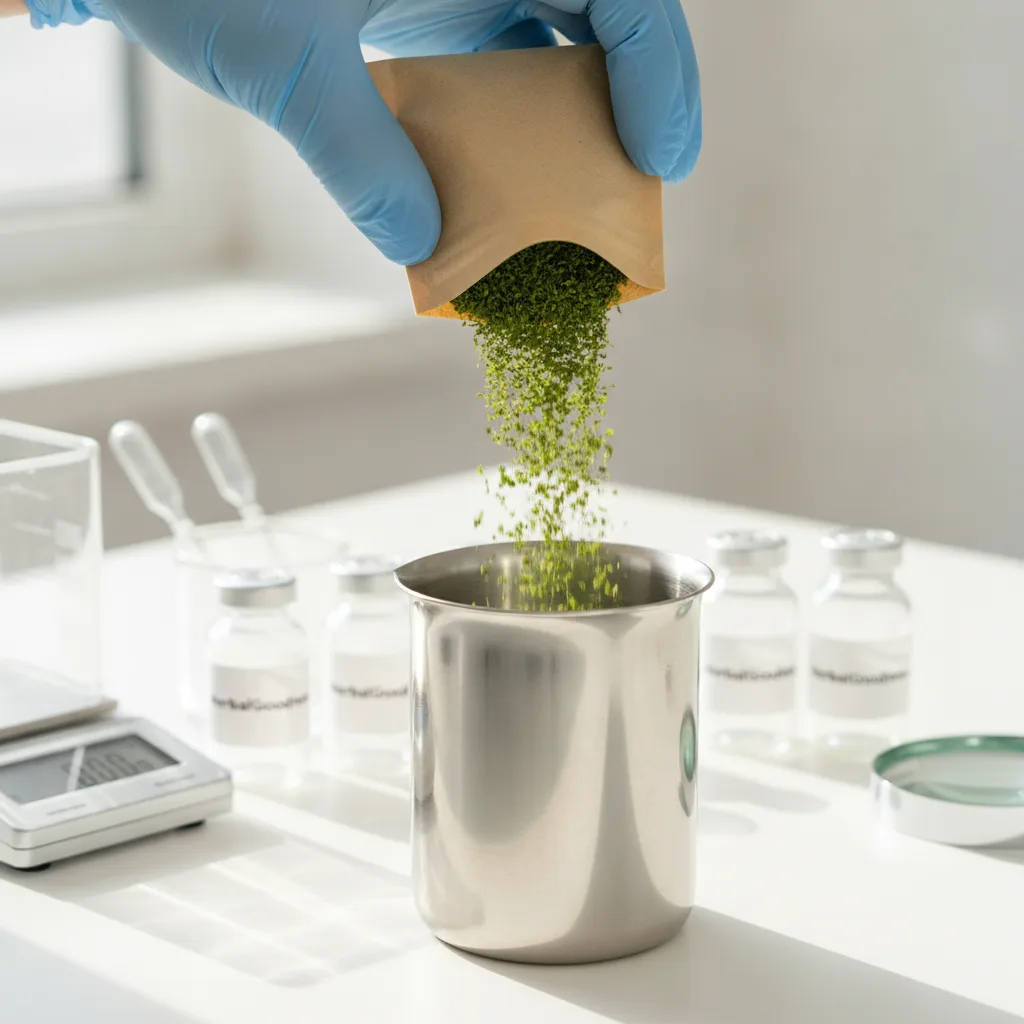
Clean, plant-based products may have variable shelf lives due to their natural ingredients. Manufacturers can create stability or accelerated-aging samples to mimic the effects of time and environmental conditions. These samples undergo:
- Temperature/humidity cycles: Simulating months of real-world storage in a condensed time frame
- Sensory and chemical retests: Assessment after simulated aging to check for changes in aroma, appearance, capsule disintegration, or active compound levels
With organic extracts, reviewing stability often requires data found with high-quality products like Organic Papaya Leaf Extract 16oz | 15X Liquid – Best Value Size.
Request with your stability sample:
- Full stability protocol (how the test was performed)
- Comparative COA(s) for initial and final analyses
- Microbial and purity tests
Consumer Trial Packs: Testing with Your Audience
Some manufacturers can assemble small consumer trial packs—mini-versions of your product that mirror planned packaging, branding, and usage instructions. These packs allow feedback from:
- Real users: Gather reactions to taste, aroma, and overall experience
- Focus groups: Explore brand messaging, packaging usability, and product fit for target users
Opt for consumer trial experiences paralleling the convenience of Organic Papaya Leaf Extract 1oz | 15X Liquid – Trial & Travel Size to ensure relevancy for on-the-go lifestyles or samplers.
Request with your trial packs:
- Finished packaging samples/material specs
- Documentation on fill/contents per pack
- Optional: anonymized feedback forms for beta testers
What to Request for Quality and Compliance
Ensuring clean, organic, plant-based products comply with your personal and regulatory standards requires more than a taste test. Here’s a checklist of documentation to request with every sample or batch:
For every sample:
- Certificate of Analysis: Verifies active constituents and purity
- Organic certificates: Proof of certified organic botanicals if required
- Allergen statements: Confirmation of allergen handling practices
- GMP certification: Manufacturer’s Good Manufacturing Practice credentials
- Ingredient traceability info: Origins, batch numbers, harvest dates
Include robust traceability standards found in Bulk Herbs & Roots Online for Tea, Tinctures & DIY Wellness - Organic 4oz Bags so every stage, from harvest to finished product, is documented.
For pilot and stability samples:
- Stability test protocols and results
- Detailed batch records
- Retest periods (how often the sample was analyzed)
These documents provide a paper trail showing your herbal product meets expectations for identity, quality, and organic status.
Sensory Evaluation: Key to Clean and Botanical Product Fit
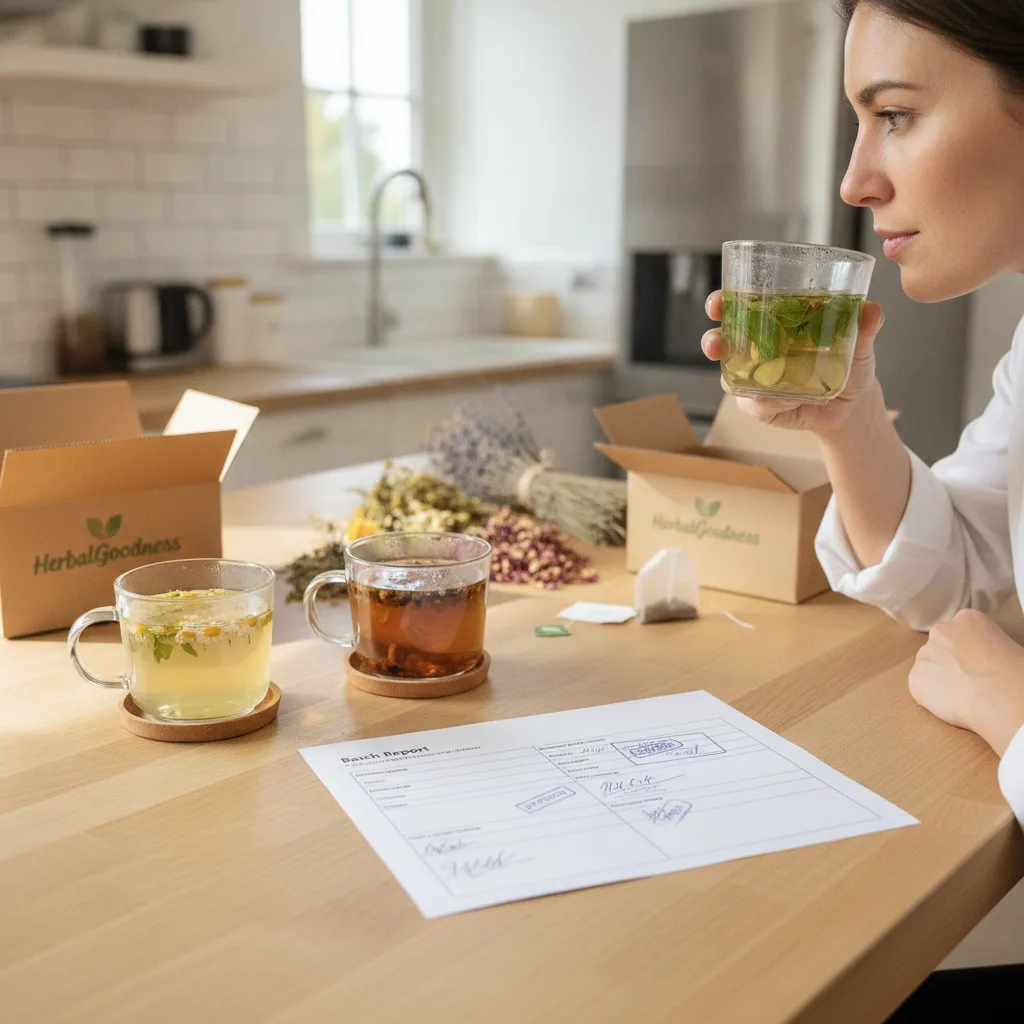
With plant-based products, sensory experience matters. Sensory evaluation involves carefully assessing the look, aroma, taste, and texture of your sample. Here are simple, practical steps:
- Visual Inspection: Look for color consistency, powder fineness, signs of clumping, or any visible particles that don’t match ingredient expectations.
- Aroma Check: Smell for freshness and the clean, characteristic scent of the featured herb(s). Detect any off-odors or staleness indicating oxidation or poor handling.
- Taste and Mouthfeel: Prepare a sample as intended (brewed, mixed, encapsulated) and note the flavor profile. Herbal products should have a fresh, vibrant taste profile. Check texture for capsules or powders—should dissolve/mix smoothly, without grittiness or aftertaste.
- Package Interaction: Review how the sample looks in its packaging. Is it protected from light, moisture, or oxygen? Easy to open, reseal, dispense, and dose?
- Record Scores: Create a simple rating scale (e.g., 1 to 5) for each sensory dimension. Invite a few unbiased testers for added perspective.
When evaluating sensory quality, reference comparable products with well-established sensory profiles, such as Soursop Leaf Tea | Organic Graviola 24 Bags | Soursop Tea Benefits for Immunity & Wellness, to calibrate your own product assessment.
Evaluating Quality Beyond Sensory
While sensory analysis provides immediate feedback, deeper quality checks help protect your investment with a custom herbal manufacturer. Consider:
Certificate of Analysis: Critical Data Points
A COA covers essential markers for product integrity:
- Identity and purity of botanical actives (e.g., polyphenol content, volatile oils)
- Heavy metal and pesticide residue results
- Microbiological cleanliness (yeasts, molds)
- Moisture content (for powders, teas)
- Allergen risk statements
A parallel can be drawn to broad-spectrum blends like 15 Day Detox Capsules | Papaya Enzyme & Papaya Seed Powder | Natural Full-Body Cleanse, which highlight the importance of confirmed constituent quality and batch safety.
Compare COAs for your samples and, if available, for pilot and stability batches. Watch for consistency between batches and clarity on any deviations.
Packaging Fit & Protection
Quality packaging is indispensable for organic, plant-derived products. Pilot or consumer trial samples should be evaluated for:
- Oxygen barrier: Does packaging keep herbal material from oxidizing?
- Light protection: Are light-sensitive herbs protected by the material?
- Moisture resistance: Does packaging prevent caking, clumping, or spoilage?
- Usability and appearance: Is the packaging functional, attractive, and on-brand for your product vision?
Ask the manufacturer about packaging material specs and their testing protocols—especially if your target market prioritizes eco-friendliness or fully recyclable packaging. Reflect on the approach used in products like Bulk Loose Leaf Teas & Tisanes - Organic 4oz - Herbal Wellness Teas for both protection and presentation.
Requesting Samples: Timing and Communication Tips
To safeguard both your timeline and product expectations:
- Be clear and detailed in your sample requests. List the product form, specifications, certification needs, and documentation you expect with each sample.
- Clarify which tests matter most. If identity, purity, or organics are non-negotiable, highlight this early to your manufacturer.
- Set realistic timing. Lab samples may take 1–2 weeks, while pilot batches or stability samples require more lead time. Build this into your schedule, especially if you plan to launch seasonally.
- Request batch-specific samples. To best visualize final product quality, insist on samples from the actual lot or pilot batch that will be scaled for your bulk order.
For additional reassurance, compare timelines and batch detail protocols found in Blood Platelet Plus Capsules 20X | 60ct – Advanced Platelet Formula, which demonstrates clarity in batch and test records.
Making a Confident Bulk Order Decision
Sampling and pilot batch reviews may feel time-consuming, but they set a solid foundation for your brand’s reputation and customer trust. As you move closer to a large online bulk order with a custom herbal manufacturer, these steps help minimize risk and offer peace of mind. Take the time to:
- Review each sample methodically, combining sensory notes with COA findings
- Clarify all documentation and traceability for organic and clean labeling claims
- Document your learnings for seamless handoff to your purchasing team or further R&D

By leveraging these tools and techniques, you ensure your first bulk custom herbal manufacturing experience is grounded in due diligence and confidence, supporting lasting success for your clean, plant-based product vision.
If you're ready to move beyond sample evaluations and begin planning your private-label herbal product, our team is here to help. Complete our Retailer & Wholesaler Interest Form to discuss your product goals and learn how Herbal Goodness can support your journey from concept to bulk production with premium organic ingredients and transparent manufacturing practices.
Frequently Asked Questions
Question 1: What is a pilot batch sample and why is it important when sourcing custom herbal products?
Answer: A pilot batch is a small-run, scaled-up production intended to simulate real manufacturing conditions, including blending, filling, and packaging. It reveals the ability to maintain consistency and quality at scale, giving insights into factors such as potency and shelf stability—compare its testing detail to formulas like Soursop Leaf Graviola Extract 15X Liquid | Organic Cell & Immunity.
Question 2: Which documents should I always request for compliance when receiving herbal product samples?
Answer: Always request a Certificate of Analysis verifying active ingredients and purity, organic certificates (if relevant), allergen statements, GMP certification, and ingredient traceability info. Comprehensive documentation is found with reliable sources such as Bulk Herbs & Roots Online for Tea, Tinctures & DIY Wellness - Organic 4oz Bags.
Question 3: How can I check the sensory quality of herbal samples?
Answer: Perform visual, aroma, taste, and texture checks, while referencing products like Soursop Leaf Tea | Organic Graviola 24 Bags | Soursop Tea Benefits for Immunity & Wellness for established benchmarks. Use unbiased testers and rating scales to gather objective feedback.
Question 4: Why is traceability important for custom herbal manufacturing?
Answer: Traceability gives a documented chain from source to batch, ensuring organic status, ethical sourcing, and ingredient integrity. This is especially crucial for organic or clean label claims, as shown through the standards for Organic Papaya Leaf Extract 16oz | 15X Liquid – Best Value Size.
Question 5: When should I use consumer trial packs during my sampling process?
Answer: Deploy consumer trial packs when you need real-world feedback on taste, aroma, packaging usability, or to test market reception. Packs similar to Organic Papaya Leaf Extract 1oz | 15X Liquid – Trial & Travel Size are excellent for quick customer trials or sample kits.
Question 6: How does packaging impact herbal product shelf life and appeal?
Answer: Proper packaging offers light, oxygen, and moisture protection, maintains product integrity, and supports branding. Products like Bulk Loose Leaf Teas & Tisanes - Organic 4oz - Herbal Wellness Teas demonstrate functional, attractive, and protective packaging.
Question 7: What sets apart a high-quality herbal manufacturer?
Answer: Look for clear documentation, robust quality control with batch-specific COAs, certified organic sourcing, strong traceability, and openness to pilot batches and sample transparency. Advanced standards are exemplified by Blood Platelet Plus Capsules 20X | 60ct – Advanced Platelet Formula.
Ready to move from sampling to confident sourcing? Use this guide as your checklist when working with custom herbal manufacturers to ensure your next bulk order meets your vision for clean, plant-based products.
About the Author
Herbal Goodness Editorial Team
The Herbal Goodness Editorial Team specializes in holistic health and superfoods, blending science and nature to educate and empower our community.
References
Introducing Graviola to Young Taste Buds: Fun, Family-Friendly Flavor Exploration
Graviola in the Classroom and at Home: Creative Activities to Teach Kids About Tropical Plants
Why Social Impact Matters in Plant-Based Wellness
Share this

Popular posts


FAQs
1. What are the main benefits of drinking bamboo leaf tea?
Drinking bamboo leaf tea supports hydration, relaxation, skin wellness, and antioxidant balance.
2. What is bamboo leaf extract used for?
It’s used for general body wellness, skin elasticity, hair and nail support, and overall vitality.
3. Can bamboo leaf help with skin care and body wellness?
Yes, bamboo leaf is rich in silica and antioxidants, which promote healthy skin, strong nails, and a youthful glow.
4. What forms of bamboo leaf are available?
You can find dried bamboo leaf, powder, extract, drops, oil, and bamboo leaf green tea.
5. Are there any side effects of bamboo leaf?
Bamboo leaf is generally safe when consumed in moderation. Always consult your healthcare provider before starting any new herbal supplement.