





How to Blend Organic Bamboo Tea with Everyday Herbs: Flavor, Recipes and Sourcing Tips

If you’re looking to elevate your home tea ritual, blending organic bamboo tea with everyday herbs opens a world of exciting, caffeine-free flavors. Whether you’re new to loose-leaf teas, eager to craft unique herbal blends, or seeking practical tips for buying quality ingredients online, this guide is crafted for you. We'll walk step-by-step through delicious flavor pairings, easy blend recipes, brewing techniques, and expert sourcing advice—designed for tea lovers who want to create a fresh, low-waste tea routine.
Why Blend Organic Bamboo Tea with Everyday Herbs?
Organic bamboo tea is a gentle, naturally caffeine-free herbal tea enjoyed for its mild, grassy-sweet taste and smooth drinking experience. When blended with everyday herbs such as chamomile, lemongrass, and mint, bamboo tea becomes a customizable base that can bring out subtle notes or calming effects, depending on your desired experience.
Blending your own teas lets you:
- Tailor flavors to your mood or season
- Experiment with well-loved or new herbs
- Control ingredient quality
- Reduce waste by buying efficiently and reusing packaging
Top Flavor Pairings for Organic Bamboo Tea
Knowing what tastes work together lays the foundation for every satisfying blend. Here are dependable pairings you can try right away, along with tasting notes to guide your choices.
Chamomile + Bamboo
Combining the soft, apple-like aroma of chamomile with the subtle sweetness of bamboo creates a blend that’s soothing and mellow. This pairing is perfect for an early evening wind-down.
- Flavor Notes: Delicate, slightly floral, round sweetness
- Best Time: After dinner or just before bed
Lemongrass + Bamboo
Lemongrass’s bright, citrusy tang pairs beautifully with bamboo’s grassy notes. This combination is uplifting and refreshing, making it a wonderful afternoon or post-lunch pick-me-up.
- Flavor Notes: Zesty, brisk, green, refreshing
- Best Time: Midday, especially chilled in summer
Mint (Spearmint or Peppermint) + Bamboo
Mint gives bamboo tea a cooling, invigorating effect. This blend is lovely hot or over ice, favored for its palate-cleansing crispness and aromatic lift.
- Flavor Notes: Crisp, fresh, cool, with grassy undertones
- Best Time: After meals, or as an energizing sip without caffeine
Lavender + Bamboo
Lavender’s gentle perfume transforms the earthiness of bamboo into a smooth, spa-like experience. Use sparingly, as a little lavender goes a long way.
- Flavor Notes: Floral, sweet, calming, subtly herbal
- Best Time: Evening, during self-care rituals
Simple DIY Bamboo Tea Blend Recipes
Creating your own blends is as easy as measuring, mixing, and brewing. Here are straightforward recipes for three favorite combinations:
Soothing Bamboo-Chamomile Herbal Tea
Ingredients:
- 1 tsp organic bamboo leaves
- 1 tsp dried chamomile flowers
Instructions:
- Combine bamboo and chamomile in a teapot or infuser.
- Add 10–12 oz hot water (not boiling; about 190°F).
- Steep 5–7 minutes. Strain and enjoy.
Zesty Bamboo-Lemongrass Blend
Ingredients:
- 1 tsp organic bamboo leaves
- 1/2 tsp dried lemongrass
- Optional: 1–2 slices fresh ginger
Instructions:
- Add bamboo, lemongrass, and ginger (optional) to your infuser.
- Pour in 10–12 oz hot water (around 200°F).
- Steep 5–7 minutes. Strain, taste, and serve hot or chilled.
Fresh Minty Bamboo Iced Tea
Ingredients:
- 1 tsp organic bamboo leaves
- 1 tsp dried or fresh mint leaves (spearmint or peppermint)
- Lemon slices for garnish (optional)
Instructions:
- Place bamboo and mint into a large infuser or teapot.
- Add 12 oz hot water (about 200°F).
- Steep 5–6 minutes. Cool, pour over ice, garnish with lemon.
Blending Tip: For all recipes, start small and adjust ratios based on your taste. If you prefer stronger mint, add extra leaves. For a lighter blend, use more bamboo and less of the co-ingredient.
Essential Brewing Notes for a Great Cup
Perfecting your homemade blends is easier with a few core brewing practices:
- Water Temperature: Use water just below boiling (190–200°F) for bamboo and most herbs to avoid extracting bitterness.
- Steeping Time: Most blends reach optimal flavor in 5–7 minutes. Over-steeping can create unwanted intensity in delicate herbs.
- Measuring Ingredients: Use a teaspoon or digital scale for repeatable results. Adjust quantities for larger mugs or teapots.
- Filtration: Use a fine-mesh strainer or large infuser basket to keep herbs from passing into your cup.
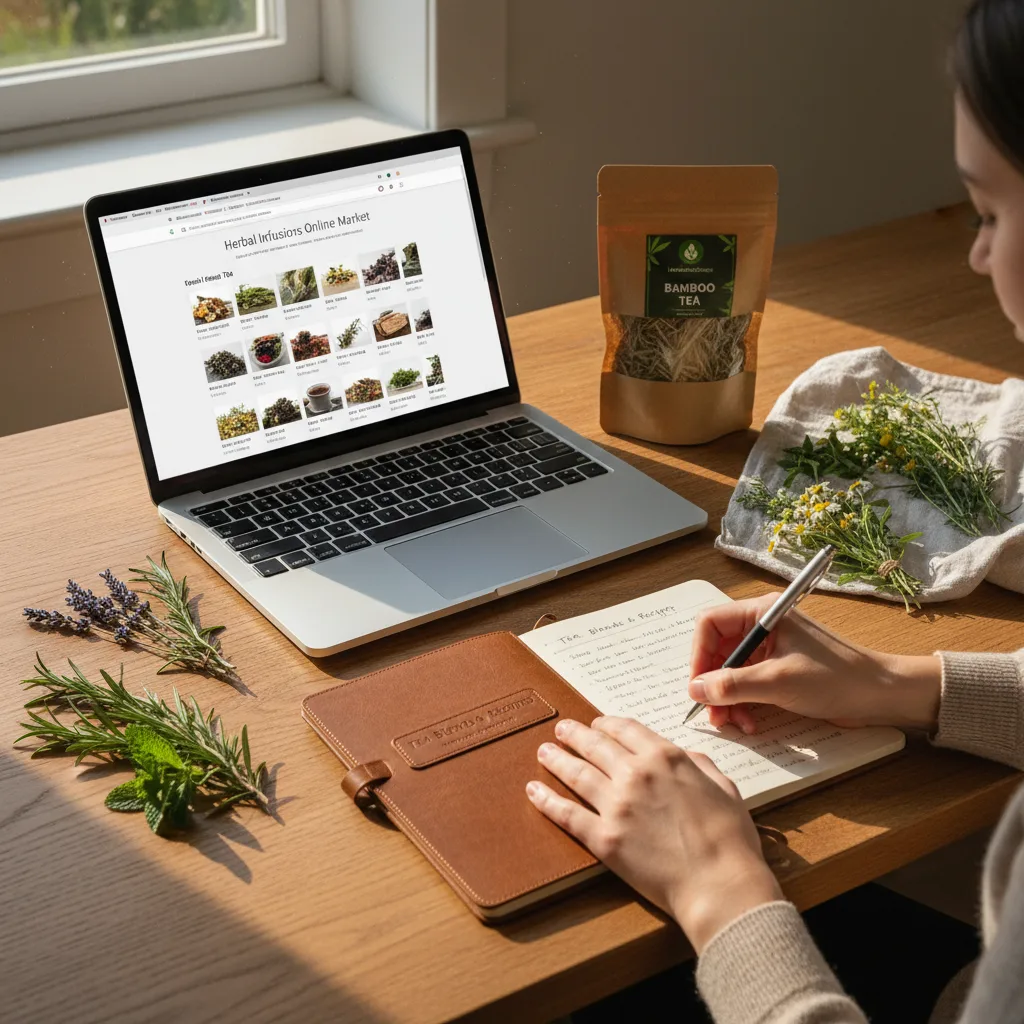
Online Sourcing: How to Buy Quality Bamboo Tea and Herbs
Shopping online gives you access to a diverse collection of loose-leaf bamboo tea and herbs, but quality and freshness can vary. When choosing supplies for your home tea ritual, make these criteria part of your purchasing process:
1. Buy Organic and Sustainably Sourced
Look for organic certifications or independent lab notes in online listings. Bamboo Leaf Tea 24 Bags | Nature's Silica – Collagen & Biotin Support is non-GMO and free from synthetic pesticides, supporting a cleaner cup and responsible farming.
2. Shop for Whole Leaf or Properly Cut Ingredients
- Loose-Leaf Bamboo: Seek whole or large-cut bamboo leaves for the most authentic aroma and flavor. Avoid dust-like grades for superior taste.
- Herbs: For maximum complexity, buy herbs (like chamomile blossoms or lemongrass) in whole or cut-and-sifted form. If freshness is your priority, stay away from ultra-fine or packaged "tea bag" blends.
For tea explorers, Bulk Herbs & Roots Online for Tea, Tinctures & DIY Wellness - Organic 4oz Bags offer versatile, high-quality choices and an easy way to customize blends to your taste preferences.
3. Evaluate Packaging for Freshness and Low-Waste
- Airtight Packaging: Prefer resealable pouches, tins, or glass jars that preserve aroma and prevent staleness.
- Minimal Waste: Choose bulk packaging or brands using compostable, recyclable, or reusable containers to reduce single-use plastics in your tea routine.
4. What to Look for in Listings
- Clear Sourcing Info (country of origin, certifications)
- Harvest Date (look for recent harvests for best flavor)
- Transparent Ingredients (single-origin or named farm sources preferred)
- Customer Reviews (read for insights into freshness, taste, and packaging ease)
- Order Size Options (buy samples before committing to larger sizes)
Shopping from trusted brands like Herbal Goodness offers the assurance of carefully sourced, premium ingredients delivered directly to your home—ideal for building a consistent and enjoyable daily tea habit.

How to Store Bamboo Tea and Herbal Blends for Lasting Freshness
Freshness is key for delicate bamboo and herbs. Proper storage prevents flavor loss and ensures every cup is bright and satisfying. Consider storing bulk loose leaf teas or herb blends in cool, dry places and resealing tightly after use:
- Store in cool, dry places: Avoid direct heat, light, and humidity (which may speed oxidation or dull aromas).
- Reseal tightly: Always close bags or jars right after use.
- Avoid storing above stoves, in refrigerators, or near strong-smelling foods.
Most organic loose-leaf teas and herbs will maintain their best taste and aroma for 6–12 months when handled properly.

Rotating Your Collection and Enjoying Low-Waste Tea Blending
Rotating new blends and batches keeps your tea experience exciting and ensures you use ingredients while they’re at peak flavor. Try these practical tips:
- Buy in smaller amounts, more frequently, to save space and reduce leftover tea waste
- Reuse empty containers for your own blend experiments
- Share blends with fellow tea lovers to discover new favorites and minimize excess
Building a mindful, sustainable home tea bar doesn’t have to be complicated. By choosing premium bamboo tea and everyday herbs, learning to pair, blend, and store them, you’ll unlock fresh flavors and joyful rituals, all from the comfort of your kitchen.
FAQs:
- What herbs blend best with organic bamboo tea for flavor variety?
Organic bamboo tea pairs exceptionally well with chamomile, lemongrass, mint (peppermint or spearmint), and lavender. These herbs are caffeine-free and complement bamboo's naturally mild flavor, allowing for customizable blends that suit both warm and iced preparations.
- How can I ensure I buy the best quality organic bamboo tea online?
Look for detailed product descriptions from reputable shops, check for organic certifications, and prioritize loose-leaf or large-cut leaf grades. Freshness indicators like harvest date, clear country of origin listings, and strong customer reviews are also valuable for online shoppers seeking premium ingredients.
- What packaging keeps bamboo tea and blends fresh after purchase?
Choose airtight, resealable pouches or tins. Prefer packaging that’s opaque or UV-protective to shield from light and preserve delicate aromas. Efficient storage extends shelf life and supports low-waste tea habits at home.
- How do I brew bamboo tea with herbs for ideal flavor?
Steep 1–2 teaspoons of your tea blend in 10–12 oz of hot water (190–200°F) for 5–7 minutes. Adjust to taste and always use a fine filter or infuser to take out herb particles from entering your cup.
- What should I look for when shopping for loose-leaf herbs to blend with bamboo tea?
Prioritize certified organic herbs, clear sourcing details, and bulk or compostable packaging. Opt for whole or cut-and-sifted leaves and flowers, as they provide better aroma, flavor, and freshness compared to finely powdered options.
- Are there practical ways to minimize waste when exploring new tea blends?
Buy smaller sizes or sample packs for new blends, reuse containers, and favor suppliers that offer low-waste or recyclable packaging. This keeps your home tea bar fresh while supporting sustainable habits.
Author Name:
Herbal Goodness Editorial Team
Author Bio:
The Herbal Goodness Editorial Team specializes in holistic health and superfoods, blending science and nature to educate and empower our community.
References:
Introducing Graviola to Young Taste Buds: Fun, Family-Friendly Flavor Exploration
Graviola in the Classroom and at Home: Creative Activities to Teach Kids About Tropical Plants
Share this
Popular posts


FAQs
1. What are the main benefits of drinking bamboo leaf tea?
Drinking bamboo leaf tea supports hydration, relaxation, skin wellness, and antioxidant balance.
2. What is bamboo leaf extract used for?
It’s used for general body wellness, skin elasticity, hair and nail support, and overall vitality.
3. Can bamboo leaf help with skin care and body wellness?
Yes, bamboo leaf is rich in silica and antioxidants, which promote healthy skin, strong nails, and a youthful glow.
4. What forms of bamboo leaf are available?
You can find dried bamboo leaf, powder, extract, drops, oil, and bamboo leaf green tea.
5. Are there any side effects of bamboo leaf?
Bamboo leaf is generally safe when consumed in moderation. Always consult your healthcare provider before starting any new herbal supplement.