





How Contract Packaging Enables Traceability for Herbal Supplements: Lot Codes & Transparency

When choosing herbal supplements, trust and transparency matter as much as the ingredients themselves. Curious shoppers have likely noticed lot codes, barcodes, or specific numbers printed on bottles or sachets. Ever wondered what those strings of letters and numbers mean—or why they’re there at all? The answer leads straight to the heart of modern contract packaging and the advanced traceability systems behind your herbal products.
Today, contract packaging does much more than just bottling or labeling. It secures a clearly documented journey from production to your hands—one that’s built on robust quality controls, batch records, barcoding, and digital tracking. This article pulls back the curtain on these systems, explaining how they work, what they mean for consumer confidence, and how you can read herbal packaging with a more informed eye.
Understanding Traceability in Herbal Supplements
Traceability refers to the ability to track and document every step of a product’s creation and movement—from sourcing raw botanicals to the final packaged item on store shelves. In the realm of herbal supplements, where trust and quality are paramount, traceability ensures that every batch’s origin and handling are clearly recorded.
As an illustration, some leading brands incorporate lot code tracking with products such as Papaya Leaf Extract 16oz – Organic 15X Liquid Papaya Leaf Herbal Supplement, empowering customers to check batch origins on the packaging, which encourages authentic transparency in herbal wellness.
Why Traceability Matters
- Quality Assurance: Having a record of production helps ensure that each batch meets set standards.
- Transparency: Shoppers can verify where and when their supplements were produced, fostering confidence in purchases.
- Responsibility: Companies can address issues quickly if concerns arise about a particular product run, protecting buyers and brands alike.
Traceability, therefore, isn’t just a regulatory formality—it’s a commitment to accountability at every stage of the process.
If you’re a brand owner looking to build herbal supplements with full traceability, compliant packaging, and transparent batch systems, we can help you get started.
Click here to fill our form.
Key Contract Packaging Systems Supporting Traceability
Contract packagers support supplement brands, like Herbal Goodness, by implementing industry-recognized tracking protocols. The main pillars of this system are lot codes, batch records, barcodes, and digital traceability tools. Let’s unpack what each of these entails.
Lot Codes: The Unique Signature of Every Batch
A lot code (sometimes called a batch number or lot number) is a unique identifier assigned during packaging. Think of it as a fingerprint for each specific production run of a product. This code links back to detailed records showing when and where the batch was made, who handled it, and even the raw ingredients used.
A great example of clear lot code labeling can be seen with Soursop Leaf Graviola Extract - - Organic 15X Liquid Extract - Cell Renew & Immunity, which features transparent packaging to help you track your supplement’s journey.
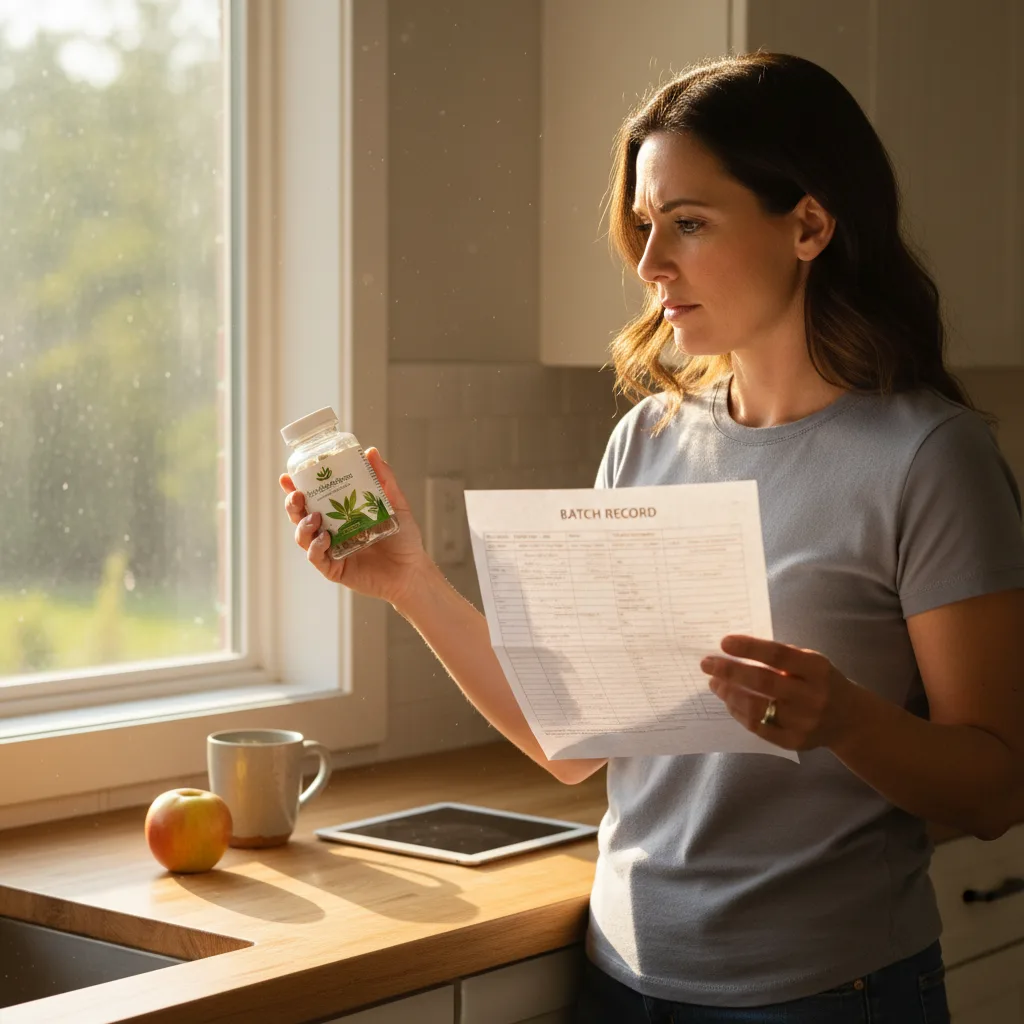
Where to Find Lot Codes:
- Usually stamped on the bottom or side of bottles, blister packs, or boxes
- May be near expiration or "best by" dates
What Lot Codes Tell You:
- The batch’s place in a company’s production schedule
- Useful information should you—or a manufacturer—need to verify details about that specific batch
Batch Records: Behind-the-Scenes Documentation
Batch records are comprehensive logs created during production. They often include:
- Ingredient sourcing details
- Weights and measurements
- Equipment used
- Names/signatures of personnel overseeing production
- Deviation notes (if anything out of the norm happened and how it was addressed)
Each batch record mirrors the lot code associated with the product, acting as an internal passport that follows items through packaging and quality checks.
Choosing products supported by such batch documentation, including Papaya Leaf Extract Blood Support - Organic 15X Liquid Extract - Platelet Health, can offer enhanced peace of mind and reassurance about your supplement’s background.
Why Batch Records Matter: These documents empower contract packagers and brands to answer key questions about any bottle or box, like “When was this made?” or “Did this batch meet our internal specifications?”
Barcodes: Fast, Scannable Tracking
Barcodes are scanned at multiple points along the production and delivery chain. They:
- Link products with specific lot codes
- Help manage inventory
- Support fast recalls or quality inquiries (if necessary)
Barcodes can appear as simple lines (UPC, QR codes) printed on product labels, outer cartons, or shipping cases.
If you look at items such as Graviola Soursop Leaf Extract – 10X 60/600mg Capsules - Cell Renew & Immunity, you might notice the barcode’s strategic placement, connecting physical packaging with digital records.
Digital Traceability Systems
With the rise of digital recordkeeping, many contract packagers now employ specialized software to automatically capture, store, and manage all product data. This:
- Reduces human error
- Ensures real-time visibility into production flows
- Allows authorized teams to instantly access batch information
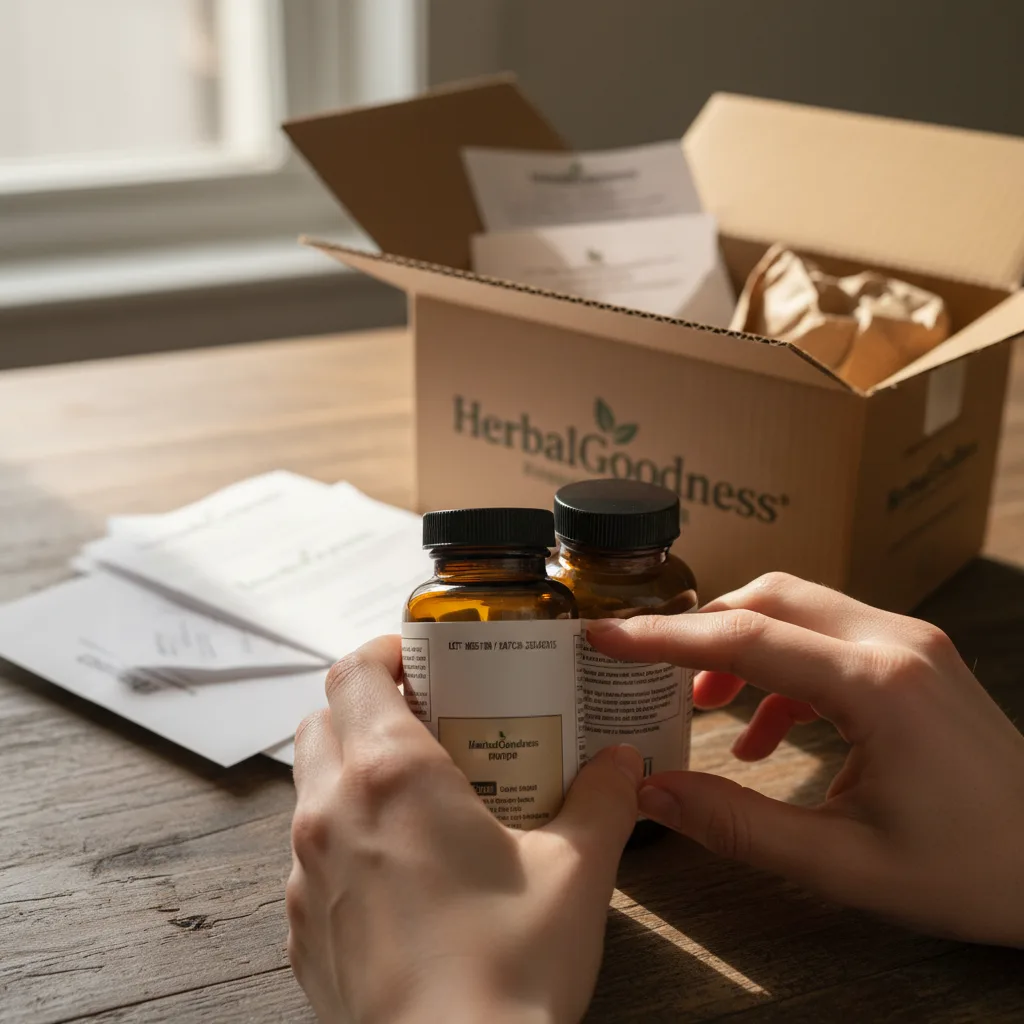
In some cases, shoppers may even be able to scan a code and see sourcing or packaging details online—a growing trend across leading herbal supplement brands.
The Value of Traceability for Consumers
As a consumer, traceability gives you tangible points of assurance:
- Verified Quality: Knowing there’s a documented trail for every supplement boosts confidence in its origins.
- Transparency: Access to lot codes and clear labeling makes it easier to ask questions or verify information.
- Accountability: Brands with robust tracking can act quickly, should questions about a batch ever arise—leading to more responsible service.
Supplements like Soursop Leaf Tea Graviola Leaves - Organic 24/2g Tea Bags - Immunity & Cell Renew utilize comprehensive tracking, which is especially reassuring for regular herbal tea consumers.
Each time you read a lot number or batch date, you’re seeing a snapshot of a process that values your right to know what you’re buying.
How to Read Herbal Supplement Packaging Like a Pro
Deciphering packaging clues is simpler than it seems. Here’s how to make the most of the systems contract packagers put in place:
Look for Lot Codes and Expiration Dates
- Most herbal supplements feature a lot code in plain sight—on the bottom, back, or side label.
- An expiration or "best by" date is often nearby, lending extra clarity to when the product was made.
For instance, health-focused buyers of Papaya Leaf Extract - Capsules 600mg - 10X Strength can easily spot these codes for future reference.
Check for Barcodes or QR Codes
- Standard barcodes help retailers and brands manage inventory and tracking.
- Some brands add QR codes that may link to batch-specific or origin details. Try scanning these with your smartphone to see what extra information is provided.
Visual cues, like the QR code on select Papaya Seed Powder - 60/600mg Capsules - Gut & Colon Cleanse, turn scanning into a routine check for ingredient transparency.
Compare Multiple Packages
- Notice small differences in codes or print styles between products on the same shelf; it’s a sign that batches are properly tracked, not generic.
Ask Direct Questions
If you have a concern about a product’s freshness, source, or production, you can reference lot codes or barcodes when contacting a company. This builds a fast, clear bridge to support teams and shows you value informed choices.
What Consumers Can Expect from Responsible Brands
Brands partnering with qualified contract packagers (like those that supply Herbal Goodness) make traceability a top priority.

You can expect:
- Packages labeled with lot codes and easy-to-read expiration dates
- Barcoded labels for simple tracking throughout the distribution chain
- Responsive, documentation-backed customer service when you reach out with a lot number
Products including Soursop Bitters 15X Liquid Extract – Organic Soursop Leaf Detox & Wellness Support exemplify such detail, supporting customer confidence with robust information systems in place throughout production.
These points signify attention to detail and a culture of transparency, even as specific approaches or technologies may vary by company.
Ready to partner with a contract manufacturer that prioritizes traceability, compliance, and quality at every stage?
Click here to fill our form.
Simple Tips for Empowered Supplement Choices
Armed with knowledge, you’re better prepared to make informed decisions:
- Always check for lot or batch codes before buying. Their presence signals a traceable production process.
- Familiarize yourself with how to read these codes. Ask a retailer or brand for assistance if needed.
- Keep packaging or a photo of the code after purchase. This makes follow-up easier should you ever want more information about your product.
- Contact brands with questions and reference the codes on your package. Reputable teams are happy to clarify product origins or walk you through quality checks.
If you want to see this in action with a wellness staple, check the batch and traceability info on Blood Platelet with Papaya Leaf - Organic 15X Liquid Extract - Platelet & Bone Marrow.
The Future of Traceability in Herbal Supplements
Digital traceability tools continue to evolve, adding new layers of visibility for manufacturers, brands, and shoppers alike. As the wellness industry grows, so does the expectation for honest, transparent communication. Every scan, printed code, or digital record reflects a community-wide commitment to responsible sourcing and packaging.
Understanding how contract packaging underpins transparency—for herbal supplements and beyond—invites consumers into the quality story. Next time you reach for your favorite product, those little numbers and bars on the label can remind you that your peace of mind is part of the process, too.
FAQs:
- What is a lot code on herbal supplement packaging?
A lot code is a unique series of numbers and/or letters printed on packaging, representing the specific production batch of the supplement. It links back to records maintained by the packager, ensuring each product’s journey is documented from manufacturing to shelf.
- Why should consumers care about traceability in herbal supplements?
Traceability allows buyers to verify the origins and handling of the supplements they purchase. It promotes transparency, accountability, and peace of mind, knowing that systems are in place to document each product’s path.
- How do barcodes support product traceability?
Barcodes encode batch or lot information that can be scanned at various points along the supply chain. They assist with inventory management and enable quick access to production details if questions arise.
- Where can I find batch or lot numbers on my supplement packaging?
Lot or batch numbers are usually printed on the bottom, side, or back of the bottle or box, often near the expiration date. They may also be on an outer carton for larger packages.
- What questions should I ask if I’m curious about an herbal supplement's traceability?
Inquire about the product’s lot or batch number, production date, and sourcing information. Responsible companies with strong traceability systems will be open in sharing these details.
- How does digital traceability differ from traditional methods?
Digital traceability uses software to automatically record and store product information, increasing accuracy and making it easier for brands or consumers to access batch-specific data when needed.
Author Name:
Herbal Goodness Editorial Team
Author Bio:
The Herbal Goodness Editorial Team specializes in holistic health and superfoods, blending science and nature to educate and empower our community.
References:
Introducing Graviola to Young Taste Buds: Fun, Family-Friendly Flavor Exploration
Graviola in the Classroom and at Home: Creative Activities to Teach Kids About Tropical Plants
Why Social Impact Matters in Plant-Based Wellness
Share this

Popular posts


FAQs
1. What are the main benefits of drinking bamboo leaf tea?
Drinking bamboo leaf tea supports hydration, relaxation, skin wellness, and antioxidant balance.
2. What is bamboo leaf extract used for?
It’s used for general body wellness, skin elasticity, hair and nail support, and overall vitality.
3. Can bamboo leaf help with skin care and body wellness?
Yes, bamboo leaf is rich in silica and antioxidants, which promote healthy skin, strong nails, and a youthful glow.
4. What forms of bamboo leaf are available?
You can find dried bamboo leaf, powder, extract, drops, oil, and bamboo leaf green tea.
5. Are there any side effects of bamboo leaf?
Bamboo leaf is generally safe when consumed in moderation. Always consult your healthcare provider before starting any new herbal supplement.