





How Climate Change Impacts Mullein Liquid Extract Quality & Supply

Curiosity about where wellness products come from has never been higher, especially when it comes to herbal remedies like mullein liquid extracts. As climate change alters the landscapes where mullein grows, curious buyers are asking thoughtful questions about quality, sustainability, and long-term access. Understanding how shifting weather patterns and changing agricultural conditions impact mullein’s growth and availability can empower you to make choices aligned with your values. This article explores mullein’s journey from field to extract, and how evolving environmental factors are shaping the future of these widely appreciated herbal products.
Why Climate Change Matters for Mullein Liquid Extracts
The Unique Nature of Mullein’s Growth Cycle
Mullein (Verbascum thapsus) is a resilient, biennial plant known for thriving in many wild and cultivated environments. Its large, velvety leaves are prized for herbal extract preparation. However, like all plants, mullein’s vitality and leaf composition depend greatly on local climate and growing conditions.
The Interplay Between Weather and Plant Chemistry
Climate directly influences how, when, and where mullein can be cultivated. Shifts in rainfall, temperature, and seasonal cycles play important roles in:
- Germination timing
- Leaf size and texture
- Plant nutrient content
Weather extremes such as droughts or late frosts can lead to unpredictable harvests and changes in the chemistry of mullein leaves, potentially affecting extract consistency from year to year.
One way buyers can support herbal wellness is by choosing products from brands that take climate into account, just as Soursop Bitters 15X Liquid Extract | Organic Detox & Wellness Support demonstrates with its transparent sourcing strategies and rigorous quality standards.
Factors That Influence Mullein Leaf Quality and Supply
Shifting Harvest Windows
Traditionally, mullein is harvested during predictable seasonal windows when its leaves are at their fullest and most vibrant. With climate change, these windows have become less predictable. Early warm spells or unseasonably cool temperatures can shift or shorten the period when mullein reaches its optimal state for harvest.
This means suppliers and producers must stay attentive to changing cues from the environment, adjusting harvesting schedules to capture the plant at its best. These adaptive harvesting methods parallel the approach utilized in Black Seed Oil 8oz | Cold-Pressed Nigella Sativa – Immune & Daily Wellness where resilient crops help assure availability despite environmental fluctuations.
Impact of Drought and Water Scarcity
Water is critical for mullein’s growth. In regions facing increased drought or irregular rainfall, mullein plants may be stunted, with smaller leaves and altered texture. Persistent water challenges can also reduce yield and lead to variations in the chemical compounds found in the leaves.
While mullein is hardy, long-term water scarcity in key growing regions can limit both the quantity and the quality of leaves available for extraction. Brands that focus on robust practices for water efficiency help maintain the consistency of their liquid extracts so that customers can trust the product, much like Soursop Bitters 15X Liquid Extract.
Effects of Temperature Swings
Temperature influences plant metabolisms, including those that produce mullein’s signature compounds. Extreme heat or cold snaps can disrupt growth or force adaptation. Heat stress, in particular, may accelerate leaf maturity or cause premature wilting, impacting the final extract.
Seasonal predictability is becoming more challenging, requiring growers to evolve their agricultural practices and diversify growing regions to manage risk. Some herbal products, such as Black Seed Oil 8oz, are already cultivated in diverse areas as part of a resilience strategy against climate-related swings.
Changing Regional Conditions
Global mullein supply depends on numerous regions, each with unique soils, climates, and harvest traditions. Climate change may create opportunities in new areas as some traditional mullein habitats face declining conditions. However, new regions often bring unfamiliar soil types or exposure to different pests, which can challenge both crop quality and consistency.
Growers are increasingly exploring adaptive strategies—such as varying planting times, expanding to higher elevations, or utilizing drought-resilient cultivation practices—to continue producing high-quality leaves amid uncertainty. Lessons in adaptive sourcing can be drawn from experienced wellness brands, supporting not just personal health but also ecosystem resilience.
Sustainability, Biodiversity, and Pollinators
Mullein’s Relationship with Local Ecosystems
Healthy mullein stands rely on more than just sun and soil. Pollinator insects, such as bees, play a minimal role for mullein, which is largely self-pollinating. However, the broader ecosystem health still matters. Climate-driven decline in pollinator populations may not directly impact mullein, but broader biodiversity changes can influence the ecosystem balance, pest dynamics, and quality of neighboring crops.
Biodiversity as a Resilience Tool
Regional biodiversity protects wild and cultivated mullein against stresses such as drought, pests, and disease. Diverse ecosystems help maintain optimal soil health and stability—factors that ultimately support stronger mullein plants and healthier leaves for extraction. Brands that source from well-managed, biodiverse environments offer an added layer of sustainability assurance for those who value environmental stewardship. Consider herbal products that explicitly state their cultivation and sourcing practices, much as Soursop Bitters 15X Liquid Extract does by providing full traceability.
Supply Chain Transparencies: What Curious Buyers Should Look For
Source Disclosure and Growing Regions
Transparent wellness brands commonly share where and how their mullein is grown. This may include:
- Country or region of origin
- Growing practices (organic, wildcrafted, sustainable)
- Harvest timing and conditions
Curious buyers are encouraged to look for this information to gauge the brand’s commitment to quality and ethical sourcing. Clear sourcing disclosures also help buyers connect environmental trends to the products they choose.
Understanding Harvest-to-Bottle Sourcing
Responsible suppliers document their journey from harvest to extraction, often providing insights into:
- Field selection and harvest timing
- Transportation and storage conditions
- Processing methods for extracting liquid mullein
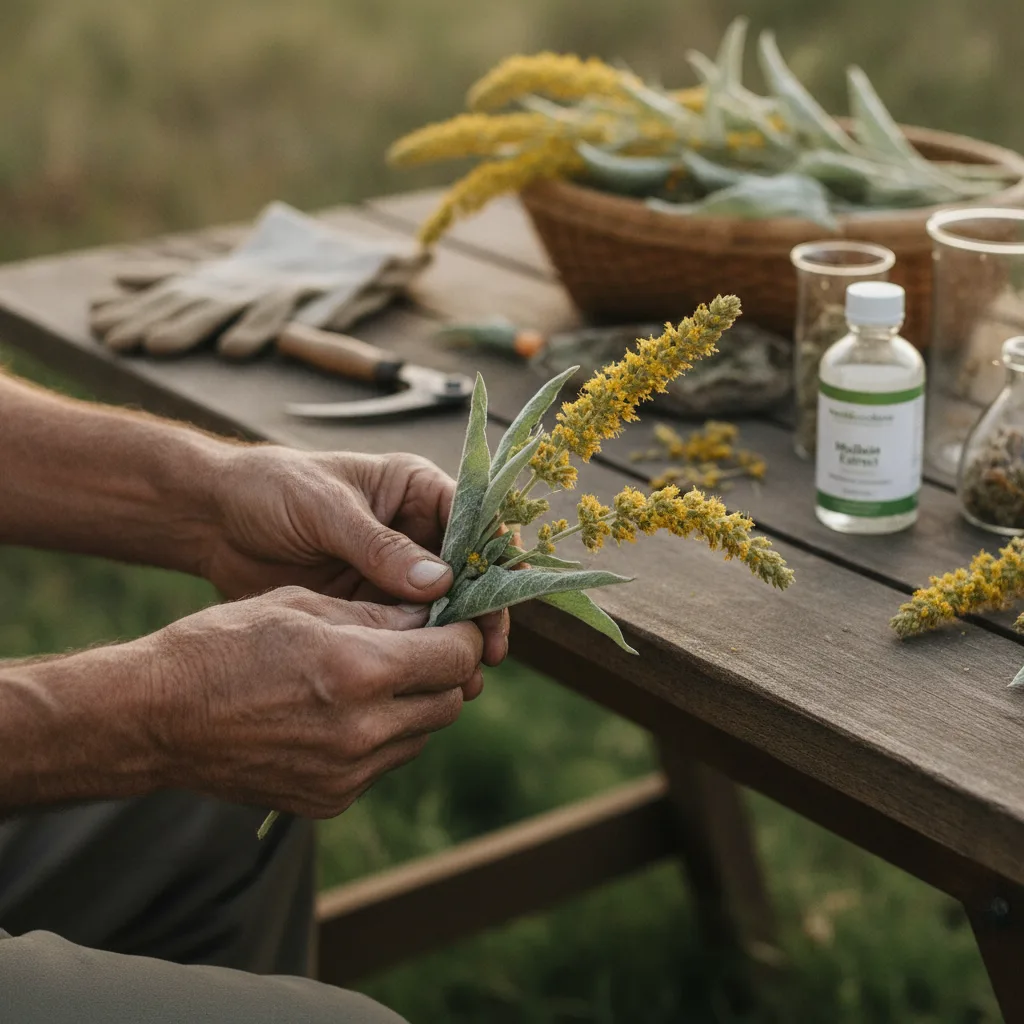
This level of detail reflects a thoughtful, consumer-oriented approach and can help reassure buyers about consistency, freshness, and minimized environmental footprint—even as climate pressures mount. Products that detail their sourcing journey, such as Black Seed Oil 8oz, can serve as examples for standards in sustainable sourcing.
Adaptive Sourcing and Diversification
In response to changing environments, some companies are building broader supply networks, working with growers across diverse regions. This diversification helps ensure product availability and stability, even if one region experiences a challenging season.
Buyers may notice changes in labeling or ingredient sourcing as brands adapt. Transparency about such shifts is a positive indicator of a company’s flexibility and long-term planning. Similar adaptive sourcing approaches can be found in the development of reputable detox herbal solutions such as Soursop Bitters 15X Liquid Extract.
Environmental Signals That Affect Mullein Product Availability
Disruptions in Distribution and Transport
Extreme weather—like storms, floods, and heat waves—can interrupt the movement of raw mullein leaves from field to processing center. Transportation disruptions might delay extraction or create temporary shortages of mullein liquid extract.
Buyers might observe fluctuations in stock or delivery times, particularly after major environmental events in mullein-growing regions. Brands committed to transparency tend to communicate openly about such challenges, helping buyers understand the broader context behind supply interruptions. A similar emphasis on transparent supply is given by Black Seed Oil 8oz | Cold-Pressed Nigella Sativa – Immune & Daily Wellness, where regional specificity and sourcing consistency are central to product quality.
Regional Specialization and Local Biodiversity
Some regions, due to unique climate or soil, may become key hubs for high-quality mullein as climate shifts continue. Awareness of these growing “hot spots” can equip buyers to seek out brands sourcing from resilient, well-managed ecosystems. Regional specialization often aligns with continued research, innovation, and higher quality standards. Herbal products sourced from specialty regions—like Soursop Bitters 15X Liquid Extract—highlight how geography and supply innovation are key to premium natural wellness.
Chemistry and Quality: How Environmental Factors May Influence Mullein Extracts
Plant Chemistry in a Changing Climate
Mullein leaves contain plant compounds that are valued for supporting wellness traditions. Environmental factors such as sun exposure, soil nutrients, rainfall, and time of harvest may all subtly influence the concentrations and profile of these beneficial compounds.

Though these day-to-day and year-to-year changes are generally minor, significant climatic disruptions can create more noticeable differences batch to batch. Buyers interested in maximum consistency may want to look for brands that share testing results or batch data—evidence of attention to detail amid shifting conditions. Choosing Soursop Bitters 15X Liquid Extract as your herbal extract is an example of prioritizing quality and transparency despite environmental uncertainties.
Quality Signals in a Dynamic Environment
Signs of high-quality mullein liquid extract may include:
- Firm, aromatic scent
- Clear, transparent ingredient lists
- Sourcing from stable, well-documented regions
- Transparency about seasonal or batch differences
By staying attentive to these signals, buyers can make more informed and values-aligned choices, even as the climate brings new variability. This is particularly true for those who value well-researched Black Seed Oil 8oz for immune support and daily use, where ingredient integrity is vital.
Looking Toward the Future: Sustainability and Responsible Buying
Supporting Regenerative, Resilient Sourcing
Ahead, the brands leading the future of mullein liquid extracts will likely invest in:
- Partnerships with trusted growers adapting to climate changes
- Sustainable agricultural practices (crop rotation, soil health, water efficiency)
- Ongoing transparency about growing and harvest adaptations
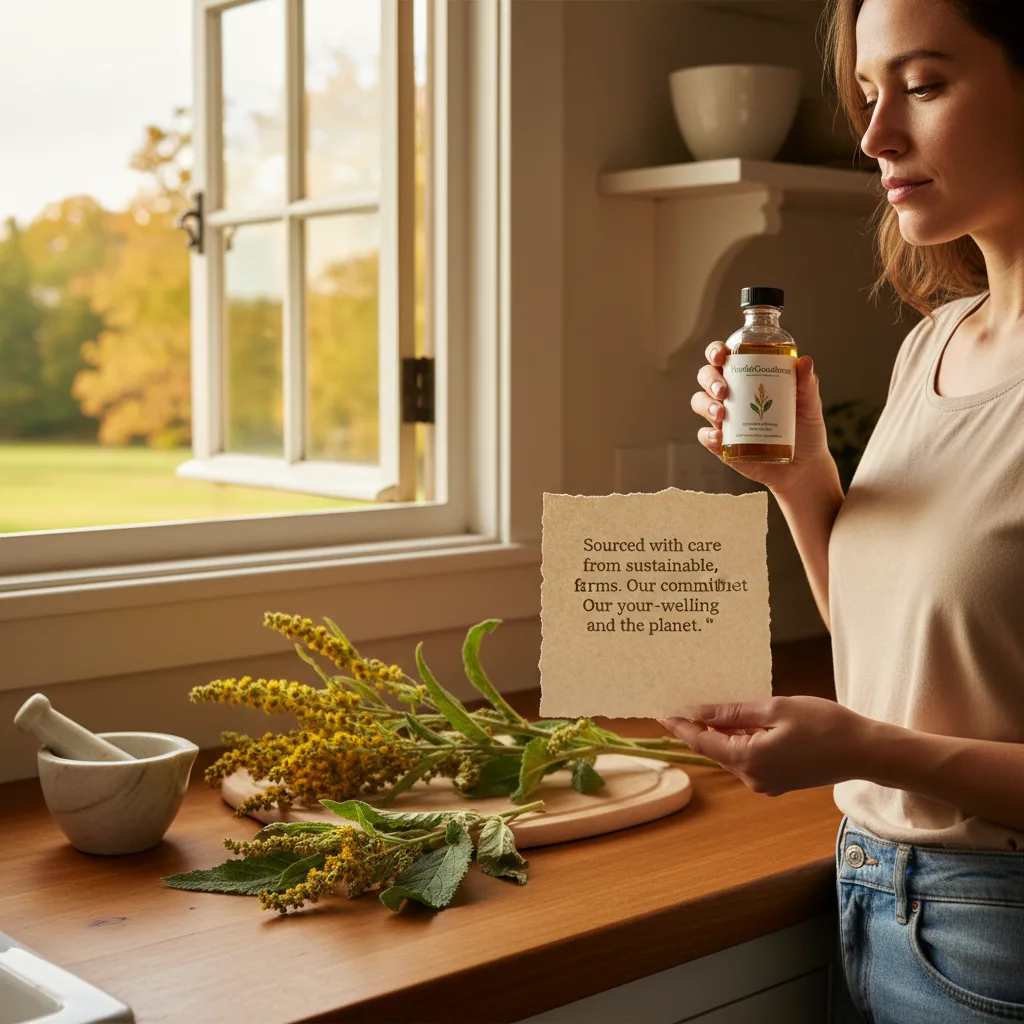
Responsible buying means prioritizing brands and products that are honest, adaptive, and environmentally aware. For buyers who care deeply about stewardship and transparency, these practices represent long-term investments in both personal wellness and the planet. For example, Soursop Bitters 15X Liquid Extract consistently shares details about its eco-friendly and quality-driven production chain, setting a standard for the entire herbal extract category.
Making Choices Amid Change
For those new to mullein liquid extracts, understanding climate and supply signals is empowering—ensuring informed, thoughtful decisions that reflect your values. As you explore options, look beyond ingredient lists to the stories behind sourcing and sustainability. Black Seed Oil 8oz | Cold-Pressed Nigella Sativa – Immune & Daily Wellness and Soursop Bitters 15X Liquid Extract both exemplify how climate-conscious practices shape responsible herbal product choices.
Climate change, though complex, opens a new chapter in how herbal products are grown, harvested, and shared. By seeking transparency, understanding environmental trends, and aligning with responsible brands, buyers play a role in shaping a positive, resilient future for mullein liquid extracts.
Frequently Asked Questions
Question 1: How does climate change impact mullein liquid extract quality?
Answer: Climate change can create fluctuations in rainfall, temperature, and seasonality, leading to changed harvest conditions and potential variability in mullein’s beneficial compounds. Opting for trusted wellness suppliers that communicate openly, like those offering Soursop Bitters 15X Liquid Extract, can help ensure consistent quality.
Question 2: What should I look for in a high-quality herbal extract?
Answer: Look for clear ingredient lists, transparency about growing and harvesting practices, and sourcing from stable regions. Products such as Black Seed Oil 8oz | Cold-Pressed Nigella Sativa – Immune & Daily Wellness emphasize consistent sourcing for quality assurance.
Question 3: How do sustainable brands ensure reliable mullein extracts despite climate change?
Answer: By diversifying supplier networks, investing in sustainable cultivation, and sharing detailed sourcing information. Brands providing Soursop Bitters 15X Liquid Extract and similar products demonstrate adaptive strategies and environmental responsibility.
Question 4: Are mullein products affected by pollinator decline?
Answer: Mullein is mostly self-pollinating, so pollinator decline has little direct impact. However, broader ecosystem changes can affect neighboring crops and soil health, indirectly influencing mullein’s resilience.
Question 5: How can I tell if a product’s sourcing is climate-conscious?
Answer: Look for brands that disclose country of origin, describe sustainable or organic practices, and communicate openly about harvest adaptations. Black Seed Oil 8oz exhibits this transparency in product details.
Question 6: Why might the price or availability of mullein liquids fluctuate?
Answer: Extreme weather or regional disruptions can affect harvests, cause delays, and limit supply. Products like Soursop Bitters 15X Liquid Extract may sometimes see shifts in stock or labeling due to responsibly managed sourcing.
Question 7: Can other herbal extracts demonstrate similar climate resilience?
Answer: Yes, extracts such as Black Seed Oil 8oz and Soursop Bitters 15X Liquid Extract illustrate how adaptive regional sourcing and transparent supply chain management aid product resilience.
Discover Herbal Goodness’ commitment to transparent sourcing and quality by learning more about our mullein liquid extracts today.
About the Author
Herbal Goodness Editorial Team
The Herbal Goodness Editorial Team specializes in holistic health and superfoods, blending science and nature to educate and empower our community.
References
Safe Mullein Extract Drops Tasting Tips for Flavor First Workshops
Why “Mullein Tea Near Me” Yields Few Results and 7 Smart Ways to Shop
Best Mullein Tincture Deals: Blends, Bundles & Buying Guide
Best Organic Mullein Leaf Tea Online: How to Choose Quality Tea
Buy Mullein Leaf Tea Bags: QR Codes, Batch Numbers & Harvest Dates
Hard Water vs. Soft Water: Which Brews Better Mullein Tea?
How to Buy Truly Caffeine-Free Mullein Tea Online With Confidence
How to Choose the Best Mullein Liquid Extract for Drinks & Mocktails
Share this
Popular posts


FAQs
1. What are the main benefits of drinking bamboo leaf tea?
Drinking bamboo leaf tea supports hydration, relaxation, skin wellness, and antioxidant balance.
2. What is bamboo leaf extract used for?
It’s used for general body wellness, skin elasticity, hair and nail support, and overall vitality.
3. Can bamboo leaf help with skin care and body wellness?
Yes, bamboo leaf is rich in silica and antioxidants, which promote healthy skin, strong nails, and a youthful glow.
4. What forms of bamboo leaf are available?
You can find dried bamboo leaf, powder, extract, drops, oil, and bamboo leaf green tea.
5. Are there any side effects of bamboo leaf?
Bamboo leaf is generally safe when consumed in moderation. Always consult your healthcare provider before starting any new herbal supplement.