Hibiscus Tea Traditions: Names, Recipes, and Brewing Styles Worldwide

Introduction: The Global Story of Hibiscus Tea Traditions
Hibiscus tea traditions span continents, languages, and centuries, each region lending its own name, brewing style, and flavor pairings to this vivid red herbal infusion. From the bustling markets of West Africa to family gatherings in the Caribbean and festive tables in Mexico, hibiscus tea—often called agua de Jamaica, karkade, or bissap—embodies shared moments and cherished rituals. This article takes you on a journey through hibiscus tea traditions, highlighting recipes, local names, ceremonial uses, and easy adaptations for brewing both hot and iced infusions at home. Along the way, you'll gain a deeper appreciation for hibiscus' culinary role across cultures and pick up non-medical ways to enjoy its vibrant flavors.
The Vibrant Hibiscus: Botanical Overview and Global Appeal
Hibiscus tea is traditionally made from the dried calyces of the Hibiscus sabdariffa flower, prized for its bold color and naturally tangy flavor. This plant, native to tropical and subtropical climates, flourishes in regions as diverse as West Africa, Central America, the Middle East, and Southeast Asia. Over time, hibiscus tea has evolved beyond regional borders, weaving itself into culinary and social traditions worldwide.
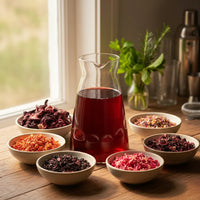
What sets hibiscus tea apart is its striking crimson hue derived from anthocyanin-rich petals, offering a tart taste reminiscent of cranberry. The adaptable preparation, whether enjoyed hot or cold, sweetened or unsweetened, allows it to fit a variety of flavor pairings. From warming spices to fresh herbs and citrus, hibiscus' versatility continues to capture global intrigue.
Local Names and Signature Hibiscus Tea Traditions Around the World
Whether known as agua de Jamaica, karkade, or bissap, hibiscus tea's cultural prominence shines through its many names and preparations. Understanding these traditions enriches the appreciation for this botanical beverage and highlights why it is so beloved across continents.
Agua de Jamaica: The Mexican Connection
In Mexico and parts of Central America, hibiscus tea is celebrated as "agua de Jamaica." Prepared as a refreshing iced drink, agua de Jamaica is a staple at family gatherings, street fairs, and celebrations. It is typically made by steeping dried hibiscus flowers in boiling water, then straining and sweetening the brightly colored liquid. The drink is often enhanced with a squeeze of lime or a touch of cinnamon, yielding a tangy-sweet cup enjoyed throughout the day.
Signature Agua de Jamaica Recipe:
- Dried hibiscus petals
- Water
- Cane sugar (to taste)
- Fresh lime juice (optional)
- Cinnamon stick (optional)
The result is a ruby-red, thirst-quenching beverage that’s both festive and accessible, reflecting the Mexican ethos of generosity and hospitality. For those interested in authentic flavor, sourcing quality hibiscus is essential. Hibiscus Tea - Organic 24/2g Tea bags - Heart Health offers a convenient way to experience this iconic drink at home.
Karkade: North African and Middle Eastern Traditions
Across Sudan, Egypt, and other North African countries, hibiscus tea is revered as "karkade." Served either hot or cold, karkade is steeped in cultural tradition, accompanying weddings, holidays, and social exchanges. It’s commonly brewed strong, sometimes with a pinch of cloves or cardamom for subtle spice. In Egypt, guests are welcomed with a glass of sweetened karkade, symbolizing warmth and respect.
Karkade Classic Preparation:
- Dried hibiscus calyces
- Water
- Sugar (to taste)
- Optional spices: cloves, cardamom
This beverage stands out with its balance of tartness and aromatic spice and is enjoyed both for its bold flavor and as an emblem of hospitality. To capture karkade's robust taste, consider brewing with our Bulk Herbs collection, giving you control over intensity and blends.

Bissap: West African Hibiscus Heritage
West Africa is home to “bissap,” a beloved zesty hibiscus tea often served at social occasions or as an everyday treat. Bissap recipes can vary widely by family or region, but common additions include fresh mint, ginger, or orange blossom water. This vibrant drink is a source of connection, often shared communally and celebrated at festivals.
Traditional Bissap Recipe:
- Dried hibiscus petals
- Fresh ginger (sliced)
- Mint leaves
- Orange or pineapple juice (optional)
- Sugar or honey (as preferred)
Customizing bissap allows each maker to adapt its flavor, creating a personal experience rooted in tradition but open to reinterpretation. If you appreciate herbal infusions rooted in history, the Herbal Tea Trio - Guava, Hibiscus & Avocado - Bundle (3 Packs) delivers a taste of global tradition in one set.
Sorrel: The Caribbean Twist
In the Caribbean islands, especially during the holiday season, hibiscus tea takes center stage as “sorrel.” Caribbean sorrel is typically brewed with festive spices—think cinnamon, cloves, and allspice—and often infused with orange peel or fresh ginger. Served chilled, sorrel is a staple at Christmas and New Year celebrations, symbolizing joy and togetherness.
Notable Ingredients in Caribbean Sorrel:
- Dried hibiscus flowers
- Whole cloves
- Cinnamon sticks
- Orange peel
- Ginger root
- Sweetener of choice
Sorrel’s aromatic complexity brings families together during special occasions, reinforcing the communal spirit hibiscus tea traditions embody. With variety in flavors and wellness-focused options, Wellness Tea Blends – 4oz Organic Premium Herbal Infusions offer creative inspiration for your own sorrel-inspired beverages.
Brewing Hibiscus: From Ceremonial Rituals to Everyday Enjoyment
The art of brewing hibiscus tea carries both ritual and comfort, passed down and reinvented across generations. While certain methods have ceremonial roots, many recipes are easily adapted for the modern kitchen, making hibiscus tea traditions readily accessible at home.
Hot Brewing: Rituals and Simple Steps
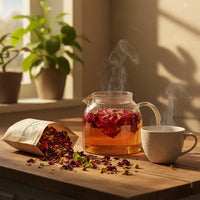
Many cultures prefer hibiscus tea brewed hot. This method intensifies its tart, floral taste, and allows for infusion with spices or herbs.
Basic Hot Brew Steps:
- Bring water to a gentle boil.
- Add dried hibiscus petals (1–2 tablespoons per cup).
- Simmer for 5–10 minutes, adjusting steeping time for desired strength.
- Strain, sweeten if desired, and enjoy hot.
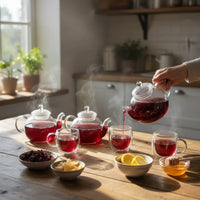
Ceremonial serving may involve ornate teapots or elegant cups, but at home, a simple French press or teapot will suffice. For those looking to fill their pantry with options, our organic herbal teas provides flexibility for traditional brewing or experimentation.
Iced Hibiscus Tea: Refreshment in Every Culture
Iced hibiscus tea offers a crisp, revitalizing alternative, especially popular in warm climates. Many traditions chill their hibiscus tea and serve it over ice, sometimes blending with fruit juices for a burst of natural sweetness.
Classic Iced Hibiscus Tea:
- Prepare a hot brew as above.
- Strain and allow to cool.
- Pour over ice and add optional fresh fruit, herbs, or citrus.
Whether enjoyed in a clay mug or a modern glass, iced hibiscus tea traditions invite creativity and personal flair. Explore ready-to-brew convenience with Hibiscus Tea - Organic 24/2g Tea bags - Heart Health, which makes crafting both hot and chilled versions simple.
Signature Flavors: Common Hibiscus Tea Pairings Across Cultures
One of the joys of exploring hibiscus tea traditions is discovering the diverse flavor companions paired with hibiscus, highlighting its versatility.
Popular Hibiscus Tea Pairings:
- Citrus: Lime, lemon, and orange are commonly added for zesty brightness.
- Spices: Cinnamon, cloves, and cardamom lend warming complexity.
- Herbs: Mint and basil complement hibiscus’ refreshing qualities.
- Roots: Fresh ginger adds a fiery counterpoint to tartness.
- Natural Sweeteners: Honey, agave, or cane sugar often balance out the tang.

By experimenting with these combinations, home brewers can honor traditional recipes or create new versions tailored to their own tastes. Expand your palate by mixing hibiscus with teas such as Avocado Leaf Tea - Organic 24/2g Tea bags - Immunity & Heart Health, blending tradition with innovation in every cup.
Home Adaptations: Simple Ways to Bring Hibiscus Tea Traditions to Your Table
Embracing international hibiscus tea practices in your own kitchen is simple and rewarding. Quality dried hibiscus petals, such as those offered by Herbal Goodness, serve as the foundation for any preparation. Here are some helpful tips for at-home adaptations:
- Mix and match flavor inspirations from different regions, like adding mint to agua de Jamaica or spices to bissap.
- Vary sweetness levels to your liking, drawing from honey, agave, or natural juices. Try using Papaya Leaf Tea - Organic 24/2g Tea Bags for a unique pairing.
- Try both hot and iced versions to suit the season or occasion.
- Explore ceremonial serving traditions (such as special glasses or group toasts) to enhance the hibiscus tea experience and connect more deeply with its origins.
- Store dried hibiscus properly—in an airtight container out of sunlight—for maximal freshness and lasting flavor.

As you experiment, remember that hibiscus tea traditions are living practices. Feel free to blend history and creativity in your cup with quality teas, including unique bundles like Organic Herbal Tea Trio – Mix & Match Any 3 Herbal Teas & Save 20% for a global taste journey.
Hibiscus Tea Traditions: Connection, Creativity, and Everyday Enjoyment
From festive tables in Ghana to family kitchens in Mexico, hibiscus tea traditions reflect a world of connection. The shared experience of brewing and savoring hibiscus tea weaves together communities and generations. By learning the stories, names, and brewing styles behind hibiscus tea, you can deepen your own experience and celebrate this vibrant plant’s role as a global kitchen staple. Whether you stick closely to a cherished recipe or invent your own twist, every cup pays homage to centuries of culinary expression and cultural exchange.
FAQs:
- What are the most common hibiscus tea names worldwide?
Hibiscus tea is known globally as agua de Jamaica in Mexico and Central America, karkade in Egypt and Sudan, bissap in West Africa, and sorrel in the Caribbean.
- How is hibiscus tea typically served in different cultures?
Hibiscus tea may be served hot (as in karkade), cold and sweetened (as agua de Jamaica and bissap), or infused with spices and citrus (common in Caribbean sorrel and North African versions).
- What are popular flavor pairings for hibiscus tea?
Popular pairings include citrus (lime, orange), spices (cloves, cinnamon), fresh herbs (mint), and ginger. Each region adapts pairings to local tastes and occasions.
- How can I make hibiscus tea at home?
Steep dried hibiscus petals in boiling water for 5–10 minutes, then strain and sweeten as desired. You can experiment by adding fresh herbs, spices, or fruit juices to reflect traditional or creative recipes.
- Does hibiscus tea always have to be sweetened?
Sweetening is a matter of personal preference and cultural tradition. Some styles, like agua de Jamaica and bissap, are typically sweetened, while others, like hot karkade, can be enjoyed unsweetened for a more tart flavor.
- What makes hibiscus tea a part of celebrations and ceremonies?
Hibiscus tea’s vivid color and bold flavor make it a centerpiece at gatherings, weddings, and holidays. Sharing hibiscus tea is a tradition of hospitality and marks special moments in many cultures.
Author Name:
Herbal Goodness Editorial Team
Author Bio:
The Herbal Goodness Editorial Team specializes in holistic health and superfoods, blending science and nature to educate and empower our community.
References:
Hibiscus sabdariffa and Its Uses – National Institutes of Health
Ethnobotanical Study of Hibiscus Across Cultures – Journal of Ethnobiology and Ethnomedicine