





Herbs Commonly Associated with Hair Growth: Traditions, Research & Safe Use

Herbs Commonly Associated with Hair Growth: Traditions, Research & Safe Use
Many people seeking fuller, healthier hair turn their attention to time-honored plants celebrated for supporting hair health. Herbs such as rosemary, nettle, horsetail, fenugreek, and others have woven themselves into traditional hair care routines across cultures. While interest in these botanicals continues to inspire scientific curiosity, there’s growing interest in gentle, non-medical ways to explore these herbs at home. This article explains which herbs are commonly linked to hair growth, explores how they are used in tradition, outlines the kind of scientific questions being studied, and provides safe guidance for trying herbal approaches for hair care.
A Look at Herbs Traditionally Linked to Hair Health
Herbal wisdom from around the world offers insight into plant-based practices for natural hair care. Here are a few commonly mentioned herbs:
Rosemary
Rosemary (Rosmarinus officinalis) ranks high among the plant allies often associated with hair. Traditionally, rosemary has been appreciated not only for its invigorating scent but also as a botanical used in hair rinses and scalp massages.
- Traditional use: Massaged into the scalp as an infused oil or steeped in water for a fragrant rinse. Some cultures also use rosemary to refresh the scalp and promote relaxing rituals.
- Practical application: Can be incorporated into homemade hair oils, washes, or sprays.
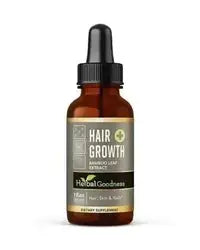
To further support natural hair wellness, many look for convenient solutions that feature multiple traditional botanicals. The Hair Growth - 15X Liquid Extract - Hair & Follicles offers a blend crafted with plant-based ingredients that fit well into holistic routines.
Nettle
Nettle (Urtica dioica), with its bright green leaves, has a long history of use in folk wellness. Nettle is commonly combined with other herbs in teas and topical rinses.
- Traditional use: Included in hair tonic blends and rinses. Nettle has been respected for its reputation in supporting the appearance of thicker, revitalized hair.
- Practical application: Dried nettle can be made into a tea or cooled infusion for scalp rinsing after shampoo.
Nettle’s mineral content and gentle touch make it a popular feature in natural formulas oriented toward hair and scalp comfort. Some prefer infusions, while others find benefit in using products like Bamboo Leaf Tea – 24/1.5g Tea Bags - Nature's Collagen & Biotin for supportive nutrients such as silica and biotin that complement herbal hair care.
Horsetail
Horsetail (Equisetum arvense) is another herb often featured in conversations around hair. Its stem contains naturally occurring minerals, and it has appeared in both traditional and modern herbal references.
- Traditional use: Brewed as a tea or blended into hair oil blends. Some traditions value horsetail for its mineral content and gentle support for hair vigor.
- Practical application: Can be added to tea blends for drinking or cooled and used to rinse hair.
The use of herbal teas such as Bamboo Leaf Tea is commonly explored alongside horsetail, as they both provide nourishing plant compounds connected to hair’s natural vitality.
Fenugreek
Fenugreek (Trigonella foenum-graecum) seeds are well known in Indian and Middle Eastern hair care traditions. Their rich, earthy aroma makes them a favorite for conditioning pastes and hair masks.
- Traditional use: Soaked and ground into a paste for hair masks or steeped for use as a hair wash.
- Practical application: Home hair packs often feature fenugreek blended with other gentle ingredients like yogurt or honey.
A simple way to boost hair softness and manageability with fenugreek is to blend the soaked seeds with a touch of honey before use. For those who want ready-to-use liquid botanicals, Hair Growth - 15X Liquid Extract can be easily applied or added to custom hair recipes.
Other Notable Herbs
- Saw Palmetto: Occasionally referenced in hair-related routines, especially in men’s wellness traditions.
- Lavender: Sometimes combined with other oils for calming, aroma-rich scalp massages.
- Amla (Indian Gooseberry): Revered in Ayurveda for supporting natural shine.
- Peppermint: Appreciated for its invigorating scent and cooling sensation in scalp applications.
For a more comprehensive approach to beauty support, Radiantly Good Looking - 2fl.oz - Skin & Anti-Aging offers a blend that focuses on both skin and hair benefits.
What Does Scientific Research Look At for Hair and Herbs?
While plant-based hair care is richly traditional, modern research is only beginning to explore some of the questions many people have. It’s important to note that scientific studies are ongoing and do not make definitive health promises. Instead, here’s how researchers typically approach the study of herbal hair care:
What Researchers Typically Ask
- Scalp Comfort and Environment: Can herbal rinses or oils support a comfortable scalp environment?
- Appearance of Hair Fullness: Are there changes in the look or feel of hair after regular use?
- Natural Compounds Present: What plant chemicals (such as antioxidants or minerals) are present, and how might they interact with hair or scalp?
- Skin Sensitivity: Does applying a given herb cause irritation or other skin responses?
Examples of Research Topics (Without Promising Outcomes)
- Rosemary: Scientists have investigated how rosemary oil might be experienced for scalp comfort and the appearance of hair, looking at circulation and sensory effects.
- Nettle: The active compounds in nettle have drawn interest for their nutritional profile and calming effect on skin.
- Horsetail: Researchers are curious about the role of minerals like silica in horsetail and how they might influence hair’s appearance.
- Peppermint Oil: Some preliminary studies have explored peppermint’s cooling impact and sensory responses.
While research is still building and findings are not conclusive, these studies provide a foundation for further exploration. If you’re interested in the latest, searching scientific databases or trusted health publications can offer more insights.

Gentle, Non-Invasive Ways to Try Herbal Hair Options at Home
Curious about experimenting with herbal hair care at home? The following approaches are generally mild and allow you to experience these traditions first-hand:
Herbal Teas and Infusions
Steeping herbs like nettle, horsetail, or rosemary to create a tea or infusion offers two options:
- Drinking the tea: Enjoy as a beverage to experience the aromatic and nutritional qualities of the herb (if the herb is known to be safe for internal use*).
- Hair rinse: Let the tea cool and use it after shampooing as a simple rinse, which can leave the hair feeling refreshed and subtly fragrant.
Enjoying Bamboo Leaf Tea – 24/1.5g Tea Bags - Nature's Collagen & Biotin as a beverage or rinse gives you a natural way to support hair texture and strength. Hydration and gentle plant nutrients together offer holistic support during your daily routine.
Herbal Oils
Infused oils—created by soaking dried herbs in carrier oils such as olive or coconut oil—can be gently massaged into the scalp.
- Rosemary oil: A favored choice for its aroma and tradition of use in scalp rituals.
- Lavender or peppermint oil: Can be diluted for a soothing scalp massage.
Before using any essential oil, always dilute with a carrier oil and perform a patch test to check for skin sensitivity.
For those who want convenience and consistency in supporting their hair, introducing a blend like Hair Growth - 15X Liquid Extract into your oil or spray preparations is simple.
Hair Masks and Conditioners
- Fenugreek mask: Soak fenugreek seeds, grind into a paste, and blend with yogurt or honey. Apply to scalp and hair, let sit for 20–30 minutes, and rinse thoroughly.
- Amla or herbal blends: Create simple conditioners by mixing powdered herbs with water or aloe vera gel.
Those seeking both beauty and wellness benefits for their hair and skin may explore Radiantly Good Looking - 2fl.oz - Skin & Anti-Aging, designed to nourish from the inside out.
Supplements
Some people include formulated capsules or herbal supplements as part of their strategy for supporting overall wellness, which may include benefits that extend to hair. Always consult a professional before adding new supplements, especially if you have health considerations or take medications.
A holistic approach may pair nutrient-rich teas and topical hair practices with ingestible support, such as taking Bamboo Leaf Tea for its known content of minerals relevant to hair and skin.
Home-made Herbal Rinses and Sprays
- Nettle rinse: Simmer dried nettle leaves in water, strain, cool, and use as a final rinse after shampooing.
- Rosemary spray: Brew a strong tea, cool, pour into a spray bottle, and mist onto hair after styling.
Hair Growth - 15X Liquid Extract can be added to such homemade sprays or leave-ins for ease and a gentle, consistent user experience.

Safety Tips for Exploring Herbs for Hair At Home
Exploring herbal hair care can be enjoyable and safe with a few commonsense precautions:
1. Patch Test First
Before using a new herbal product or essential oil, apply a small amount to the inside of your wrist or elbow. Wait 24 hours to check for redness, itching, or irritation before wider use.
2. Be Mindful of Interactions
Some herbs (especially in supplement form) may interact with medications or other supplements. It’s a good idea to consult a qualified professional if you:
- Are pregnant or breastfeeding
- Have underlying health conditions
- Are currently taking prescription medications
3. Start Simple and Observe
Try one new herb at a time, especially if you are using a blend, so it’s easier to tell which ingredient agrees with your scalp and hair. Observe how your hair and skin feel after each use.
4. Dilute Essential Oils
Essential oils are concentrated substances that should never be applied directly to the skin or scalp. Blend a few drops with a tablespoon of a carrier oil for safe application.
5. Watch for Allergic Responses
Even natural ingredients can sometimes cause skin reactions, especially if you are sensitive to plants in the mint family (like rosemary, lavender, or peppermint). Stop use immediately if you notice discomfort.
6. Source Herbs Responsibly
Herbs should be purchased from reputable sources, free from contaminants and pesticides. Organic and trusted vendors are best for home preparations. Choosing products with transparent ingredient sourcing, like Bamboo Leaf Tea – 24/1.5g Tea Bags - Nature's Collagen & Biotin, can support high-quality results in your herbal hair care journey.
Exploring Herbal Hair Care: A Tradition of Self-Care
Whether you’re interested in reviving ancestral beauty rituals or simply want to nurture your hair with natural ingredients, learning about herbal hair care provides a bridge between tradition and self-care. While modern research is still catching up to centuries of anecdotal evidence, today’s tools and science give us safe ways to experiment, observe, and personalize our routines. With mindful preparation and a focus on enjoyment, herbal hair care becomes a gentle invitation to reconnect with nature—strand by strand.
FAQs:
- What are the most popular herbs used for hair growth traditions?
Herbs like rosemary, nettle, horsetail, fenugreek, amla, lavender, and peppermint are frequently used in various cultures’ traditional hair care routines. These botanicals are applied as oils, teas, rinses, or homemade hair masks.
- How can I safely try herbal hair remedies at home?
Start with patch-testing any new herb or oil on a small area of skin. Use diluted essential oils, prepare simple herbal teas as rinses, and use only one new ingredient at a time to observe your reaction. Source herbs from reputable suppliers and be mindful of allergies or sensitivities.
- Is there scientific evidence that herbs increase hair growth?
Current research on herbs for hair growth is ongoing and has not yet reached firm conclusions. Most studies examine scalp comfort, the effects of plant compounds, and changes in hair’s appearance rather than definitive growth outcomes.
- Can I drink herbal teas meant for hair health?
Many herbs traditionally used for hair, like nettle and horsetail, are also made into teas for general wellness. Ensure the herb is known to be safe for internal use before consuming, and consult a professional if you have health conditions or take medications.
- What are the best ways to apply herbs to hair?
Common approaches include herbal hair rinses, scalp massaging with infused oils, applying hair masks made with pastes or powdered herbs, and using diluted herbal sprays. Always rinse thoroughly after use.
- Are there risks to using herbs for hair care?
Generally, herbs are safe when used appropriately, but some people may experience skin sensitivity or allergic reactions. Essential oils must always be diluted. Consult a professional if you are pregnant, nursing, or on medication.
- How do I know if an herb is working for my hair?
Pay attention to how your scalp feels and how your hair looks and behaves after several applications. Results may vary between individuals, and enjoyment of the process is a valuable outcome in itself.
Author Name:
Herbal Goodness Editorial Team
Author Bio:
The Herbal Goodness Editorial Team specializes in holistic health and superfoods, blending science and nature to educate and empower our community.
References:
Introducing Graviola to Young Taste Buds: Fun, Family-Friendly Flavor Exploration
Graviola in the Classroom and at Home: Creative Activities to Teach Kids About Tropical Plants
Why Social Impact Matters in Plant-Based Wellness
Share this
Popular posts


FAQs
1. What are the main benefits of drinking bamboo leaf tea?
Drinking bamboo leaf tea supports hydration, relaxation, skin wellness, and antioxidant balance.
2. What is bamboo leaf extract used for?
It’s used for general body wellness, skin elasticity, hair and nail support, and overall vitality.
3. Can bamboo leaf help with skin care and body wellness?
Yes, bamboo leaf is rich in silica and antioxidants, which promote healthy skin, strong nails, and a youthful glow.
4. What forms of bamboo leaf are available?
You can find dried bamboo leaf, powder, extract, drops, oil, and bamboo leaf green tea.
5. Are there any side effects of bamboo leaf?
Bamboo leaf is generally safe when consumed in moderation. Always consult your healthcare provider before starting any new herbal supplement.