





Herbal Beauty Around the World: Global Traditions for Skin and Hair Care

Ancient Wisdom, Modern Curiosity: The Allure of Global Herbal Beauty Practices
Across continents and centuries, women have looked to nature’s apothecary for radiant skin and lustrous hair. Unlike modern formulas, traditional herbal beauty routines are deeply woven into the cultural fabric of communities—a blend of sensory rituals, local ingredients, and generational wisdom. These globally treasured botanicals go beyond surface-level care, inviting us to explore a more mindful, holistic relationship with personal care and the plants we use. In this exploration, we’ll travel from the spice-laden baths of India to the flower waters of Eastern Europe and beyond, respecting both the roots of these practices and ways to learn from them today.
Africa: The Power of Seads, Butters, and Infused Oils
Shea Butter in West African Rituals
Shea butter, derived from the nuts of the shea tree, is a staple in West African beauty. Traditionally, women collect, sun-dry, and hand-churn the nuts to produce a creamy, fragrant butter. This butter is massaged into skin and hair both to nourish and as a ceremonial gesture of care, often passed from mother to daughter. Its rich, nutty scent and dense texture make it valued for soothing and softening.
Marula and Argan Oils: Southern and North African Treasures
Marula oil, pressed from the kernels of the marula fruit, is cherished in Southern Africa for its light, almost floral scent and silky feel. Women often apply it sparingly to braid or sleek hair, lending manageability and a subtle sheen. In North Africa, argan oil—known as "liquid gold"—is made from the kernels of the argan tree. Traditionally extracted by cracking nuts by hand, the oil is used both on skin and in hair masks. These rituals emphasize patience and deep respect for the plants, as producing even a small bottle can take hours of collective work.
India: Roots, Spices, and Aromatic Pastes
Henna: Beyond Body Art
Henna leaves, when crushed into a paste, are best known for their status in celebratory skin art. But Indian women also blend henna with other botanical powders to create hair masks that impart a gentle, earthy aroma and temporarily tint the hair. The cooling sensation of the paste, mixed with the ritual often performed among family, is as much about connection as color.
Neem and Turmeric: Purification and Brightening
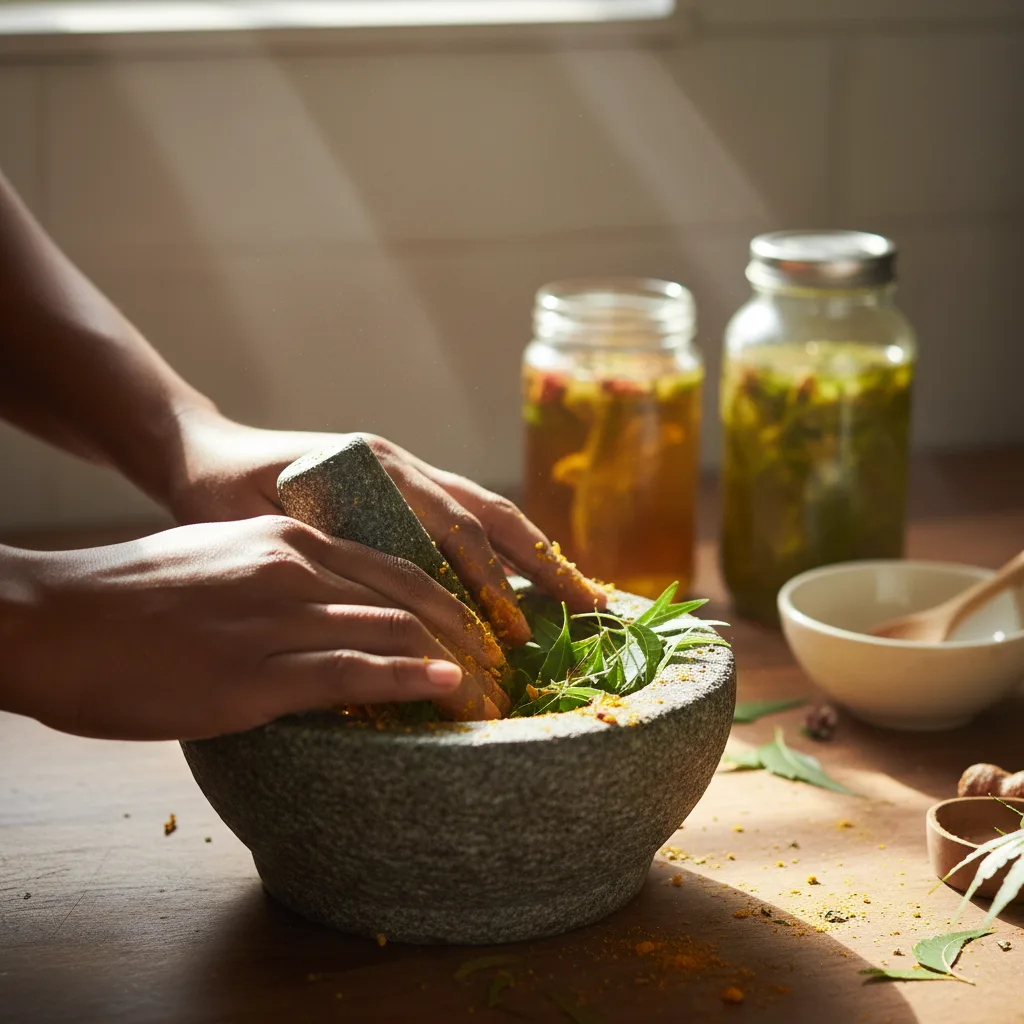
Neem leaves, naturally bitter and aromatic, are promenent in South Asia for their longstanding traditional uses. When ground and mixed with rosewater, neem can become a paste gently applied to skin, prized for its clarifying feel. Turmeric, a golden-yellow root, is often blended with chickpea flour and a touch of oil to make a beloved pre-wedding masque called “ubtan.” The ritual imparts a subtle earthy scent and a sense of ritual purification before celebrations. This kind of purifying ritual can inspire those seeking a plant-based approach to clarify and brighten their skin—modern interpretations may use Radiantly Good Looking - 2fl.oz - Skin & Anti-Aging, which blends botanical extracts honoring beauty traditions.
Coconut Oil: Universal Nourisher
Extracted from freshly pressed coconut meat, coconut oil is a versatile staple across southern India. It's gently warmed and massaged into scalp and hair, often by mothers for daughters during weekly beauty rituals. The scent evokes lush groves and warm climates—sensory anchors in both memory and daily care.
The Mediterranean: Blossoms, Herbs, and Herbal Waters
Olive Oil: Liquid Gold of Beauty
For centuries, Mediterranean women have relied on olive oil—pressed from hand-harvested olives—for both culinary and beauty needs. The oil is massaged into skin as a daily moisturizer or worked through hair for a glossy finish. Mediterranean traditions often combine olive oil with crushed herbs like rosemary or lavender, then left to infuse, enhancing the ritual’s aromatic complexity.
Rosewater and Orange Blossom Water
Distilling flowers in water is a tradition with roots in ancient Greece, Turkey, and Morocco. Rosewater is splashed onto the face or mixed into clay masks for both fragrance and a subtle sense of freshness. Orange blossom water, similarly, finds its way into bath rituals. The floral notes impart a feeling of gentle luxury and celebration, often associated with weddings and family gatherings. Modern fans of flower waters can appreciate the connection to time-honored rituals by exploring Beauty Builder - 1oz 15X Liquid Extract - Anti-Aging & Skin Elasticity, a blend crafted for skin vibrance.
East Asia: Leaves, Rice, and Floral Waters
Camellia Oil: A Silky Tradition
In Japan and China, camellia oil derived from pressed camellia seeds is traditionally applied to skin and hair. Geishas and samurais alike were known to use its lightweight, non-greasy texture to achieve smooth, manageable hair. The oil is sometimes infused with green tea leaves for added botanical aroma.
Rice Water Rinses
Fermented rice water has roots in Chinese and Japanese hair care, traditionally used by women in rural villages with famously long hair. After rinsing rice grains, the leftover water is fermented and ladled over hair, cherished for the experience of softness and mild, earthy scent. Those who love experimenting with herbal rinses might be drawn to Hair Growth - 15X Liquid Extract - Hair & Follicles, formulated to support healthy-looking hair using trusted botanicals.
Green Tea and Mugwort Steam Baths
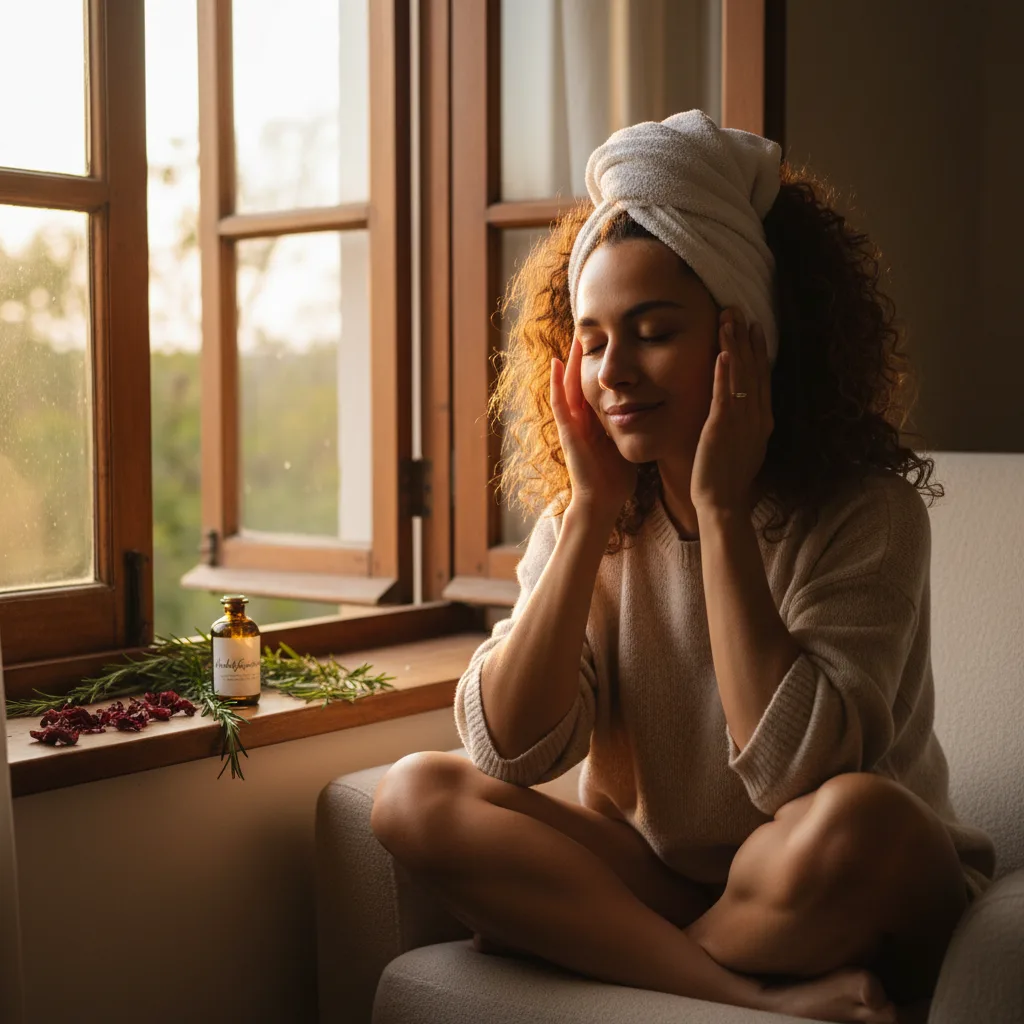
Using dried green tea leaves or mugwort, women prepare gentle steams for the face and scalp. The steam opened pores, and the invigorating aroma contributed to a sense of ritual renewal, especially before important celebrations.
The Americas: Wild Herbs, Avocado, and Maize
Avocado Masks in Central America
Central and South American women have long valued fresh avocado for beauty rituals. The creamy fruit is mashed and combined with natural honey or oils to create thick, fragrant masks for hair or skin. The natural oils and vibrancy of color deliver a multi-sensory experience—cooling, nourishing, and subtly perfumed. Today, those interested in avocado’s legendary properties may find delight in Avocado Leaf Tea - Organic 24/2g Tea bags - Immunity & Heart Health, which honors the avocado in a contemporary infusion.
Maize and Herbal Baths
In North and Central America, indigenous communities incorporate maize (corn) in scrubs, masks, and baths. Ground and blended with local herbs, these preparations are believed to leave skin feeling refreshed. The ritual may include sage, lavender, or wild rose petals, celebrating the connection between land and self-care.
Jojoba Oil: Southwestern Heritage
Native to arid regions, jojoba oil is cold-pressed from the seeds of the jojoba shrub. Its lightweight, golden liquid has a low aroma but is valued for its subtle, silky texture. Traditional practices often involved anointing the hair and skin as part of sun protection routines and ceremonies. Other gentle ways to nurture skin include incorporating herbal teas like Bamboo Leaf Tea – 24/1.5g Tea Bags - Nature's Collagen & Biotin to support beauty rituals from the inside out.
Oceania & The Pacific: Exotic Fruits, Leaves, and Sea Botanicals
Tamanu and Monoi Oils
In Polynesian cultures, tamanu oil is pressed from the nut kernels of the tamanu tree, while monoi oil is traditionally made by infusing tiare gardenia blossoms in coconut oil. These preparations are massaged onto hair and skin, leaving a lingering floral-citrus scent and a sense of tropical ritual.
Seaweed Baths and Scrubs
Along the coasts, women have gathered seaweeds for use in bath soaks and as gentle exfoliants. Wrapped around the body or stirred into warm water, these sea botanicals are prized for their unique textures and subtle oceanic aroma, creating a sense of connection to both water and earth. People intrigued by ocean botanicals may experiment with Sea Moss - Raw Dried from St Lucia - 8oz Bag - Nature's MultiVitamins for mineral-rich wellness.

Sensory Notes and Rituals: More Than Skin Deep
What sets these beauty traditions apart is not just the function of the plants, but the sensory and communal aspects:
- Textures: From silky oils and creamy butters to gritty pastes and light floral waters, each preparation invites hands-on participation.
- Aromas: Floral, nutty, earthy, and fresh—each botanical brings its own fragrance, with rituals often marking important life passages.
- Rituals: Beauty routines often take the form of gatherings—mothers and daughters, friends, and communities sharing stories and techniques as part of self-nurture and connection.
Respectful Ways to Explore Herbal Traditions Now
Modern interest in herbal beauty is growing, but engaging with these traditions calls for respect and curiosity. Consider these steps:
- Research the cultural context of a beauty practice before incorporating it.
- Choose ingredients mindfully, seeking ethically sourced, clean botanicals when possible. Teas such as Soursop Leaf Tea Graviola Leaves - Organic 24/2g Tea Bags - Immunity & Cell Renew can support your wellness journey using traditional botanicals.
- Experiment gently with traditional preparations. Create your own infusions, masks, or rinses with simple, well-known ingredients. Try blending rituals by sipping Herbal Tea Trio - Guava, Hibiscus & Avocado Bundle – Refreshing Tea Collection for a taste of global herbal beauty.
- Honor the stories and sources by learning about the history and meaning behind the rituals, rather than using them only for trend’s sake.
A growing appreciation for plant-based wisdom has made it possible to access global inspirations through botanically focused products. Incorporating these elements encourages not only personal rejuvenation but also a sense of global connectedness.
A Modern Clean Beauty Curiosity Practice
Adopting a global approach to herbal beauty can be a joyful, curiosity-driven way to connect with both nature and heritage. Whether by exploring local farmers markets for fresh plant material or experimenting with classic preparations respectfully at home, the focus is on learning, self-care, and appreciation for beauty practices that have been handed down, heart to hand, for generations.
FAQs:
- What are some globally recognized herbs for natural skin care?
Herbs such as shea butter (Africa), camellia oil (East Asia), and rosewater (Mediterranean) are cherished worldwide for their traditional use in natural skin care routines.
- How were these herbal beauty preparations traditionally made?
Most were handcrafted using simple techniques: hand-pressing oils, infusing flowers into water or oil, grinding seeds or nuts, and mixing pastes from fresh or dried botanicals—often as part of communal rituals.
- What are respectful ways to try traditional herbal beauty at home?
Start by learning about the ingredient’s cultural significance and try small, simple preparations such as infused oils or herbal water spritzes, using ethically sourced botanicals.
- Why do sensory elements like aroma and texture matter in these rituals?
The sensory aspects—smell, touch, temperature—enhance enjoyment, mindfulness, and connection to tradition, making self-care both effective and emotionally meaningful.
- Are there concerns with sourcing herbal ingredients for beauty rituals?
Yes, sustainable and ethical sourcing is important to respect heritage and protect plant populations. Look for reputable sources or local growers when exploring new botanicals.
- Is it okay to blend multiple traditions in my own herbal beauty routine?
Yes, as long as approaches are rooted in curiosity and respect, blending techniques can be a way to honor diverse wisdom—always being mindful of cultural contexts.
- Can these herbal traditions work alongside modern clean beauty products?
Many people enjoy integrating gentle, traditional practices with modern routines, enriching their beauty experience with time-honored holistic elements.
Author Name:
Herbal Goodness Editorial Team
Author Bio:
The Herbal Goodness Editorial Team specializes in holistic health and superfoods, blending science and nature to educate and empower our community.
References:
Introducing Graviola to Young Taste Buds: Fun, Family-Friendly Flavor Exploration
Graviola in the Classroom and at Home: Creative Activities to Teach Kids About Tropical Plants