





Gymnema Tea: Where and How to Buy with Confidence as a Beginner

If you’re curious about adding Gymnema tea to your wellness routine, you’re not alone. Many new shoppers feel overwhelmed when searching for authentic Gymnema tea—knowing which names to look for, where to buy, and how to read product labels can feel confusing. This in-depth guide is designed specifically for beginners who want trusted, plant-focused information before making their first purchase. Whether you’re exploring the benefits of Gymnema sylvestre for the first time or are just looking to promote your sourcing skills, you’ll find clear, practical steps here for locating genuine Gymnema tea with confidence.
Understanding Gymnema Tea: Names, Origins, and Synonyms
The Botanical Identity: Gymnema sylvestre Gymnema tea is made from the dried leaves of Gymnema sylvestre, a woody climbing plant treasured in various regions for hundreds of years. When shopping, you might come across the botanical name, which is a useful indicator of authenticity on labels and packaging.
Common Names and Alternative Terms Gymnema is known by several synonyms that can appear in product listings:
- Gurmar: A traditional term often used in online listings and at herbal shops
- Australian cowplant
- Meshashringi
- Periploca of the woods
These alternative names point to the same plant. Recognizing them is helpful when searching in different stores or online marketplaces. Some herbal wellness teas may also highlight these names for better clarity, especially in educational resources or product descriptions.
Why Names Matter Some brands may prominently display popular names, others use the botanical term, and a few might list both. Checking for any of these names—or a combination—ensures you’re getting Gymnema tea and not an unrelated herbal blend. This is especially vital as blends with ingredients like Papaya Leaf Tea - Organic 24/2g Tea Bags or dried herbs may appear similar but serve different wellness purposes.
Reliable Sources: Where to Buy Authentic Gymnema Tea
Finding authentic Gymnema tea starts with knowing where to look. Here’s a breakdown of common sources and what to expect from each:
Local Health Food Stores & Herbal Shops Many local natural foods markets and specialty herb shops stock Gymnema tea, either loose-leaf or in tea bags. Ask the staff to direct you to the herbal teas section, and check ingredient lists for the names mentioned above. Locally owned shops often carry single-ingredient, plant-focused teas.
Asian Markets and International Grocers Because Gymnema is used traditionally in parts of Asia, you may find it—often labeled as gurmar—at specialty grocery stores serving Indian or Southeast Asian communities. Be prepared for packaging in other languages; look for the botanical name for confirmation. When browsing your options, keep an eye out for simple blends or single-ingredient herbal products, similar to Bulk Loose Leaf Teas & Tisanes - Organic 4oz - Herbal Wellness Teas.
Pharmacies and Wellness Stores Some mainstream pharmacies and natural wellness chains are expanding their herbal offerings. If available, these products may appear in the supplement aisle, the tea section, or with specialty wellness products.
Online Marketplaces The digital age opens global access, but also requires more attention to authenticity. Reliable online sources include:
- Retailer websites specializing in herbs and superfoods (search for both 'Gymnema tea' and 'gurmar tea')
- Online marketplaces like Amazon or Etsy (filter for sellers with strong reviews and clear sourcing info)
What to Look For in a Seller A trustworthy source typically offers:
- Transparent ingredient lists
- Information about sourcing and quality
- Clearly displayed product origin
- Company or vendor contact information
If details seem vague, or you find inconsistent naming, it’s worth exploring other sources. Take your time to review product details, and compare with trusted teas, such as Soursop Leaf Tea Graviola Leaves - Organic 24/2g Tea Bags - Immunity & Cell Renew, which set a standard for transparency and clear labeling.
Reading Gymnema Tea Product Listings and Labels
Decoding Ingredient Lists To ensure you’re buying true Gymnema tea, focus on the ingredients:
- Look for Gymnema sylvestre or ‘gurmar’ as the only ingredient (single-ingredient tea has a more plant-centered approach).
- Sometimes, Gymnema is blended with other herbs—if that’s not what you want, double-check for terms like “blend,” “herbal infusion,” or additional plant names.
Packaging and Label Clues Certain sourcing or quality cues appear directly on the packaging or in online descriptions:
- Botanical name stated: ‘Gymnema sylvestre’ confirms the plant identity
- Certifications: Many buyers look for organic labeling or third-party quality seals (fair trade, USDA organic, etc.)
- Harvest or origin information: Some brands share the country or region of harvest, adding transparency
Photos and Descriptions For online purchases, review all product photos and read descriptions carefully. Authentic sellers often share close-ups of the leaf, package, or ingredient list. Search product reviews for customer insights about taste, strength, and authenticity.
If you see vague terms like “herbal tea” or “natural blend” without specific mention of Gymnema sylvestre or its synonyms, consider reaching out to the seller or choosing a different option.

Simple Sourcing Clues for New Shoppers
As a beginner, you don’t need to be an expert, but a few sourcing clues can help you choose Gymnema tea wisely.
Recognize the Importance of Single Ingredient Teas Many new shoppers prefer teas with a single botanical for clarity and consistency. Look for terms such as:
- “100% Gymnema leaves”
- “Contains only Gymnema sylvestre”
Single-ingredient options support a plant-first approach and allow you to experience the unique characteristics of Gymnema without distractions or dilution. Teas with a dedicated focus on one herb—similar in concept to Guava Leaf Tea - Organic - Tea 24/2g - Caffeine-Free—can be especially useful for beginners.
The Value of Organic and Ethical Sourcing Organic labeling is often important for those seeking a purer product. While ‘organic’ status in herbal products isn’t always universal, certified organic Gymnema tea is widely sought for its alignment with sustainable, pesticide-free cultivation methods. If you prefer options with such certifications, browse for products that match your requirements, as you might do with tea bundles like Organic Herbal Tea Trio – Build-Your-Own Bundle | Mix & Match Any 3 USDA Organic Herbal Teas & Save 20%.
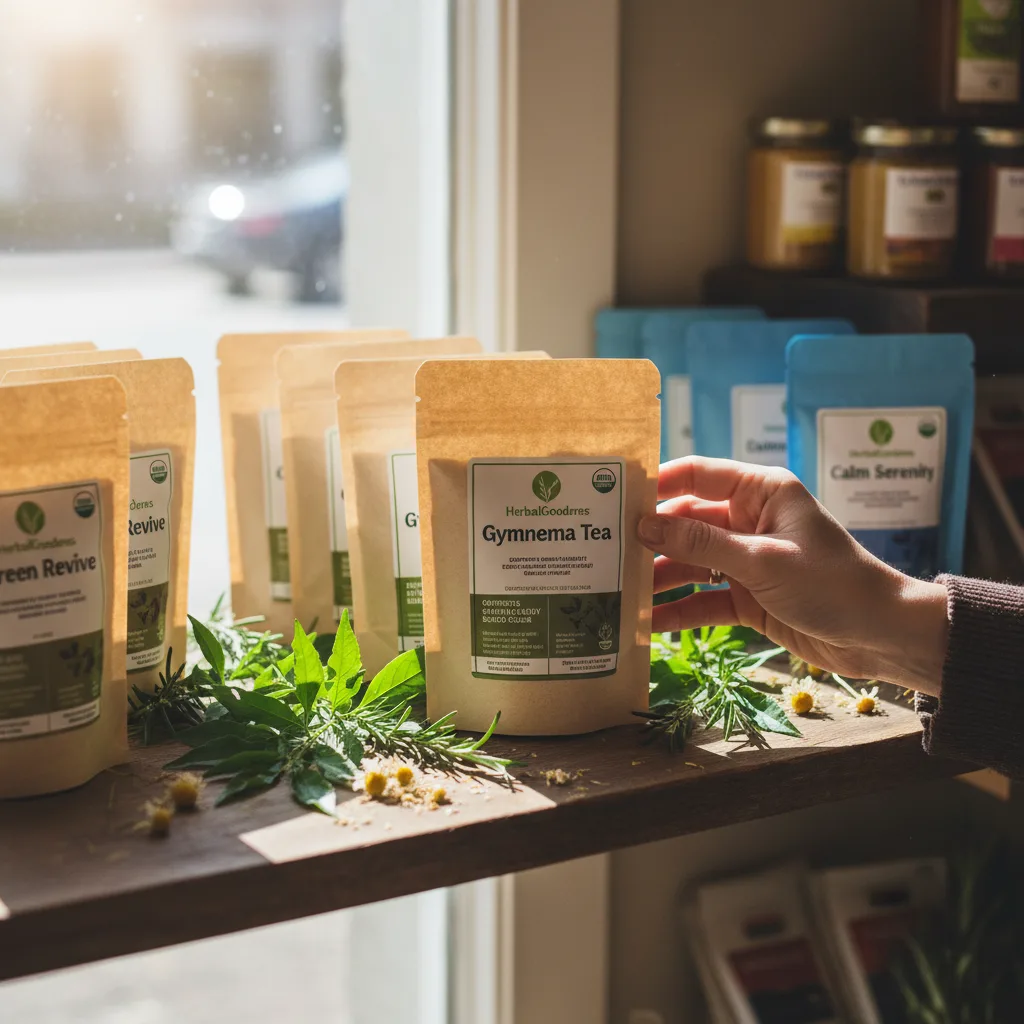
Some brands also highlight ethical sourcing or direct-from-farm initiatives—these may offer additional peace of mind regarding quality and transparency.
Botanical Name and Transparency A clear listing of the botanical name (Gymnema sylvestre) is one of the best signs you’re purchasing an authentic product. Transparency around sourcing and processing (e.g., wildcrafted, shade-dried, sustainably harvested) can further indicate a product focused on quality. For those exploring herbal tea for the first time, collaborating with sellers who offer clear origin details—much like Bulk Herbs & Roots Online for Tea, Tinctures & DIY Wellness - Organic 4oz Bags—can help build buyer confidence.
Product Formats: Choosing Between Loose Leaf, Tea Bags, and Extracts
Gymnema tea is offered in a few formats. Here’s an orientation to help beginners make a comfortable choice:
- Loose Leaf: Offers a traditional experience, full leaf visibility, and customization of brewing strength.
- Tea Bags: Convenient, travel-friendly, and easy to brew—check that the tea bag contains only Gymnema leaves unless you prefer blends.
- Liquid Extracts: Bottled forms of Gymnema are widely available, sometimes labeled as ‘liquid herbal extract’ or ‘tincture.’ These are distinct from tea, but might appear alongside Gymnema tea options, so inspect the label closely to ensure you’re purchasing the intended format.
No matter the format, reading the full ingredient list and seeking clear product information is key. For variety, some buyers create their routine using sourced teas or wellness tea blends, always verifying ingredients for peace of mind.
Tips for Making Informed Gymnema Tea Choices
Verify Authenticity with These Simple Steps
- Check the Name(s): Ensure you see ‘Gymnema sylvestre,’ ‘gurmar,’ or another accepted synonym.
- Scan Ingredient List: Look for single-ingredient teas if you want a plant-first experience.
- Investigate the Source: Does the packaging or listing mention the country of origin or harvest methods?
- Evaluate Reviews: Read approved buyer feedback for clues about authenticity and quality.
- Certifications and Seals: While not mandatory, organic or ethical certifications are meaningful.
Red Flags: What to Avoid as a Beginner
- Vague descriptions without botanical names.
- Listings heavy on general phrases (“herbal wellness blend”) but light on specifics.
- Products with artificial flavors, additives, or unclear blending ratios.
- Sellers unwilling to provide more plant information.
How Herbal Goodness Approaches Gymnema Tea Sourcing
Herbal Goodness, a U.S.-based herbal wellness company, prioritizes transparency and plant purity in its Gymnema tea sourcing. Their offerings focus on single-ingredient teas, honest labeling, and detailed product traceability. By highlighting the botanical name, origin, and ethical practices, Herbal Goodness aims to support shoppers—especially beginners—seeking a trustworthy, plant-forward option. Their holistic approach mirrors the standards set by their other teas, like Soursop Leaf Graviola Extract - - Organic 15X Liquid Extract - Cell Renew & Immunity.

Frequently Asked Questions About Buying Gymnema Tea
What are some alternative names for Gymnema tea that I might see?
You might find Gymnema tea listed as ‘gurmar,’ ‘Meshashringi,’ ‘Australian cowplant,’ or ‘Periploca of the woods.’ All refer to Gymnema sylvestre, the same plant.
Where is the best place to buy authentic Gymnema tea?
Authentic Gymnema tea can be found at trusted health food stores, herbal shops, specialty Asian markets, online herb retailers, and select pharmacies. Always read labels and ask for sourcing information. For plant-first teas, Papaya Leaf Tea - Organic 24/2g Tea Bags is a great example of how transparency should look for Gymnema and other botanicals.
Should I choose a tea made with only Gymnema leaves?
Opting for a single-ingredient Gymnema tea is helpful for those wanting to fully experience the unique characteristics of this plant. Blends can include other botanicals, so check the ingredient list for your preference. Single-herb teas such as Guava Leaf Tea - Organic - Tea 24/2g - Caffeine-Free make this process easy.
What should I look for on the product label when buying Gymnema tea?
Key things to check include the botanical name (Gymnema sylvestre), clear ingredient lists, organic or fair trade certifications, and transparent sourcing details. Some buyers also appreciate extra peace of mind, similar to what is provided by Bulk Herbs & Roots Online for Tea, Tinctures & DIY Wellness - Organic 4oz Bags.
Is Gymnema tea available in both loose leaf and tea bag forms?
Yes, Gymnema tea is available as loose leaf for traditional brewing or in convenient tea bags. Both formats can be authentic as long as the label and sourcing information are clear. Choose teas from trusted sellers, and remember to verify with options like wellness tea blends for additional assurance.
How can I tell if a seller is offering real Gymnema tea?
Look for detailed ingredient and sourcing information, product photos, customer reviews, and a clear listing of Gymnema sylvestre or its common names. Authentic sellers are typically transparent about these details.
Are organic certifications important for Gymnema tea?
Organic certifications indicate that the tea is produced without certain pesticides or chemicals, which many buyers value for peace of mind and environmental reasons. Not all authentic Gymnema teas are certified organic, but the label offers useful guidance.
Ready to Explore Gymnema Tea?
Feeling confident about choosing Gymnema tea starts with knowing the right names, reading labels with care, and shopping from transparent sources. Take your time, use this guide as your map, and enjoy discovering Gymnema sylvestre for yourself.
FAQs:
- What are some alternative names for Gymnema tea that I might see?
You might find Gymnema tea listed as ‘gurmar,’ ‘Meshashringi,’ ‘Australian cowplant,’ or ‘Periploca of the woods.’ All refer to Gymnema sylvestre, the same plant.
- Where is the best place to buy authentic Gymnema tea?
Authentic Gymnema tea can be found at trusted health food stores, herbal shops, specialty Asian markets, online herb retailers, and select pharmacies. Always read labels and ask for sourcing information.
- Should I choose a tea made with only Gymnema leaves?
Opting for a single-ingredient Gymnema tea is helpful for those wanting to fully experience the unique characteristics of this plant. Blends can include other botanicals, so check the ingredient list for your preference.
- What should I look for on the product label when buying Gymnema tea?
Key things to check include the botanical name (Gymnema sylvestre), clear ingredient lists, organic or fair trade certifications, and transparent sourcing details.
- Is Gymnema tea available in both loose leaf and tea bag forms?
Yes, Gymnema tea is available as loose leaf for traditional brewing or in convenient tea bags. Both formats can be authentic as long as the label and sourcing information are clear.
- How can I tell if a seller is offering real Gymnema tea?
Look for detailed ingredient and sourcing information, product photos, customer reviews, and a clear listing of Gymnema sylvestre or its common names. Authentic sellers are typically transparent about these details.
- Are organic certifications important for Gymnema tea?
Organic certifications indicate that the tea is produced without certain pesticides or chemicals, which many buyers value for peace of mind and environmental reasons. Not all authentic Gymnema teas are certified organic, but the label offers useful guidance.
Author Name:
Herbal Goodness Editorial Team
Author Bio:
The Herbal Goodness Editorial Team specializes in holistic health and superfoods, blending science and nature to educate and empower our community.
References:
Gymnema sylvestre: A Memoir – National Center for Biotechnology Information
Gymnema sylvestre: Traditional Uses and Medicinal Properties – ScienceDirect
Share this

Popular posts


FAQs
1. What are the main benefits of drinking bamboo leaf tea?
Drinking bamboo leaf tea supports hydration, relaxation, skin wellness, and antioxidant balance.
2. What is bamboo leaf extract used for?
It’s used for general body wellness, skin elasticity, hair and nail support, and overall vitality.
3. Can bamboo leaf help with skin care and body wellness?
Yes, bamboo leaf is rich in silica and antioxidants, which promote healthy skin, strong nails, and a youthful glow.
4. What forms of bamboo leaf are available?
You can find dried bamboo leaf, powder, extract, drops, oil, and bamboo leaf green tea.
5. Are there any side effects of bamboo leaf?
Bamboo leaf is generally safe when consumed in moderation. Always consult your healthcare provider before starting any new herbal supplement.