





Guava Leaf Liquid Extract Labels: Decoding Serving Sizes, Ratios, & Purity

Curious about how to understand what’s in your guava leaf liquid extract? For many, the language on supplement labels and droppers can be confusing. Phrases like “extract ratio 1:2,” “concentration 15X,” or “one dropper = 1 mL” appear technical, but knowing how to interpret them empowers you to confidently compare products and make informed choices for your recipes, tea blends, or daily routine. This guide, centered on the primary keyword guava leaf liquid extract, provides a clear, beginner-friendly breakdown of label elements—revealing how to decode serving sizes, extract ratios, concentration statements, and ingredient transparency signals on pure guava leaf liquid extracts.
Understanding Serving Sizes on Guava Leaf Liquid Extract Labels
Grasping the meaning behind a serving size is foundational for any comparison or recipe use. For liquid extracts, serving sizes are often measured in dropperfuls (typically 1 mL), teaspoons, or sometimes even drops. On a guava leaf liquid extract bottle, you’ll commonly see instructions like "take 1 mL (one dropper) daily." But what does this actually equate to?
Decoding Dropper Measurements
- 1 Dropperful (1 mL): Most standard supplement droppers dispense 1 milliliter, which can also be measured as approximately 20 drops, though drop size may vary by dropper width and viscosity of the liquid.
- Teaspoon Conversion: 1 teaspoon is equal to about 5 mL. If the recommended serving is more or less than 1 mL, converting between droppers and teaspoons can help in scaling for recipes or tea blends.
- Why Drop Size Matters: The precise amount in each drop can change based on how full the dropper is drawn, so for accuracy, many opt to use a milliliter measurement.
Reading Serving Size Statements
Pay close attention to label wording:
- "Serving Size: 1 mL (about 1 dropperful)"
- "2 droppers / 2 mL"
- “30 drops (1 mL)”
These statements are meant to help you visualize how much extract you’re getting per serving and translate it into practical terms, whether adding to tea or as a daily supplement.
Exploring Extract Ratios: What Does 1:2 or 15X Mean?
Next to serving size, extract ratios are one of the most frequently misunderstood parts of a guava leaf liquid extract label. These ratios or numbers (like “1:2” or “15X”) describe how much raw guava leaf was used to make each unit of the final extract.
What Is an Extract Ratio?
- 1:2 Ratio: This means that 1 part guava leaf (by weight) was extracted using 2 parts liquid (either water, alcohol, glycerin, or a mix).
- Higher Concentration Ratios: A label may also say “15X” or similar, which means the extract is 15 times more concentrated than the equivalent weight of starting material.
- Interpreting Numbers: Lower ratios (1:1, 1:2) suggest a stronger concentration per mL, while higher numbers in the “X” format (like 15X) indicate the final product is further concentrated after extraction.
Example Breakdown:
- 1:2 Ratio: 100 grams of dried guava leaves extracted into 200 milliliters of carrier liquid.
- 15X Extract: Usually means the original extract—through evaporation or additional steps—was concentrated so that 1 mL contains what was originally present in 15 mL of a less concentrated extract.
Why Extract Ratios Matter
Extract ratios help you:
- Compare concentration between different guava leaf liquid extract brands
- Understand strength for dosing or recipe blending
- Assess if a higher price reflects higher starting material in the bottle
Concentration Percentages & What They Indicate
Beyond ratios, you may spot statements like “25% extract” or “60% guava leaf.” These percentages describe what proportion of the liquid is made up of the actual plant extract.
How to Read Concentration Labels
- Percentages by Volume or Weight: A “30% guava leaf extract” label might mean 30% of the bottle’s contents by weight or volume is guava leaf extract, with the remainder composed of the carrier liquid.
- Not Always Apples to Apples: Brands may use different standards for expressing percentages. Always check whether the concentration refers to the dried herb equivalent or the amount of processed extract.
Common Label Phrases
- "Contains 20% pure guava leaf extract"
- "40% extract (w/v)"
- "Standardized to 10% polyphenols"
Learning to interpret these statements leads to more meaningful comparisons between different guava leaf liquid extracts and helps you adjust for the strength required in your recipe or regimen.
The Role of Carrier Liquids in Guava Leaf Liquid Extracts
Carrier liquids (also known as solvents) play a significant role in the extraction process, impacting both solubility and taste. On a guava leaf liquid extract label, look for mentions of carriers like purified water, alcohol, glycerin, or a blend.
- Alcohol-Based: Alcohol acts as a strong solvent, extracting a wide range of plant compounds. Labels may specify “alcohol-free” for those sensitive to ethanol.
- Glycerin-Based: Glycerin is sweet-tasting and commonly used for alcohol-free, gentle extracts.
- Water-Based: Sometimes water is used independently or in combination—labeled as “hydroalcoholic extract” if mixed with alcohol.
Why It Matters
- Flavor: Carrier choice can impact the final flavor of your guava leaf liquid extract. Glycerin, for example, lends natural sweetness.
- Solubility & Recipe Use: Alcohol-based extracts mix easily into drinks; glycerin-based are often preferred for direct oral use.
- Personal Preferences: Choosing the carrier that aligns with your values or dietary needs (e.g., vegan, alcohol-free) is easier when labels are transparent.
Signals of Transparency on Guava Leaf Liquid Extract Product Pages
For thoughtful shoppers, a label’s clarity and specificity are green flags for quality. Transparency markers to look for on guava leaf liquid extract labels and product descriptions include:
- Exact Extract Ratios Stated: The ratio (like 1:2, 1:5, 15X) should be easy to find.
- Clear Serving Instructions: Labels that list the serving size both in mL and drops/droppers.
- Detailed Ingredient List: Noting both guava leaf and carrier liquid (e.g., “Ingredients: Pure guava leaf extract, organic glycerin, purified water”).
- Source Disclosure: Indicating whether the guava leaf is wildcrafted, organic, or from a specific region increases trust.
- Non-GMO / Additive-Free Statements: While not essential for all, these are valued by ingredient-conscious buyers.
When brands like Herbal Goodness offer this level of transparency, it empowers you to make comparisons based on your values and practical needs.
Calculating Extract Volumes for Recipes and Blends
Translating serving sizes and extract ratios into practical applications is a major benefit of decoding guava leaf liquid extract labels. Here’s how a well-labeled extract helps you scale up or down:
Examples:
- Adding to Tea Blends: If the bottle states “1 mL (about 20 drops) per serving,” and you’re preparing a liter of tea, you can determine the appropriate number of serving equivalents to add by dividing the total tea volume by serving size. Guava Leaf Tea - Organic - Tea 24/2g - Caffeine-Free is a popular option to integrate with your liquid extracts.
- Recipe Scaling: When a recipe calls for 2 teaspoons of herbal liquid extract but your product uses droppers, knowing that 1 teaspoon is 5 mL lets you add 5 dropperfuls to match.

- Extract Strength Considerations: If the recipe used a 1:2 extract and yours is 15X concentrated, you may only need a fraction of the called-for amount. Always adjust based on extract ratio and percentage.
Pro Tips:
- Record exact conversions when trying new recipes to ensure repeatable flavor and potency.
- Start with less when substituting concentrated extracts, adjusting up for taste and personal preference.

Evaluating Quality Through Label Details
Product labels offer a direct window into the quality and integrity behind your guava leaf liquid extract. Here’s what detailed labeling can signal:
- Consistency: Standardized serving sizes across bottles indicate reliable production practices. Papaya Leaf Extract 16oz – Organic 15X Liquid Papaya Leaf Herbal Supplement also benefits from clear, standardized labeling.
- Ingredient Purity: The fewer fillers or additives listed, the closer you are to a pure guava leaf experience.
- Batch and Lot Numbers: This traceability suggests an attention to safety and quality control.
- Freshness/Craft Date: Some extracts list the manufacture or craft date, offering perspective on freshness.
- Certifications: Third-party testing, organic certifications, or “Non-GMO” badges further reinforce a brand’s transparency and standards.
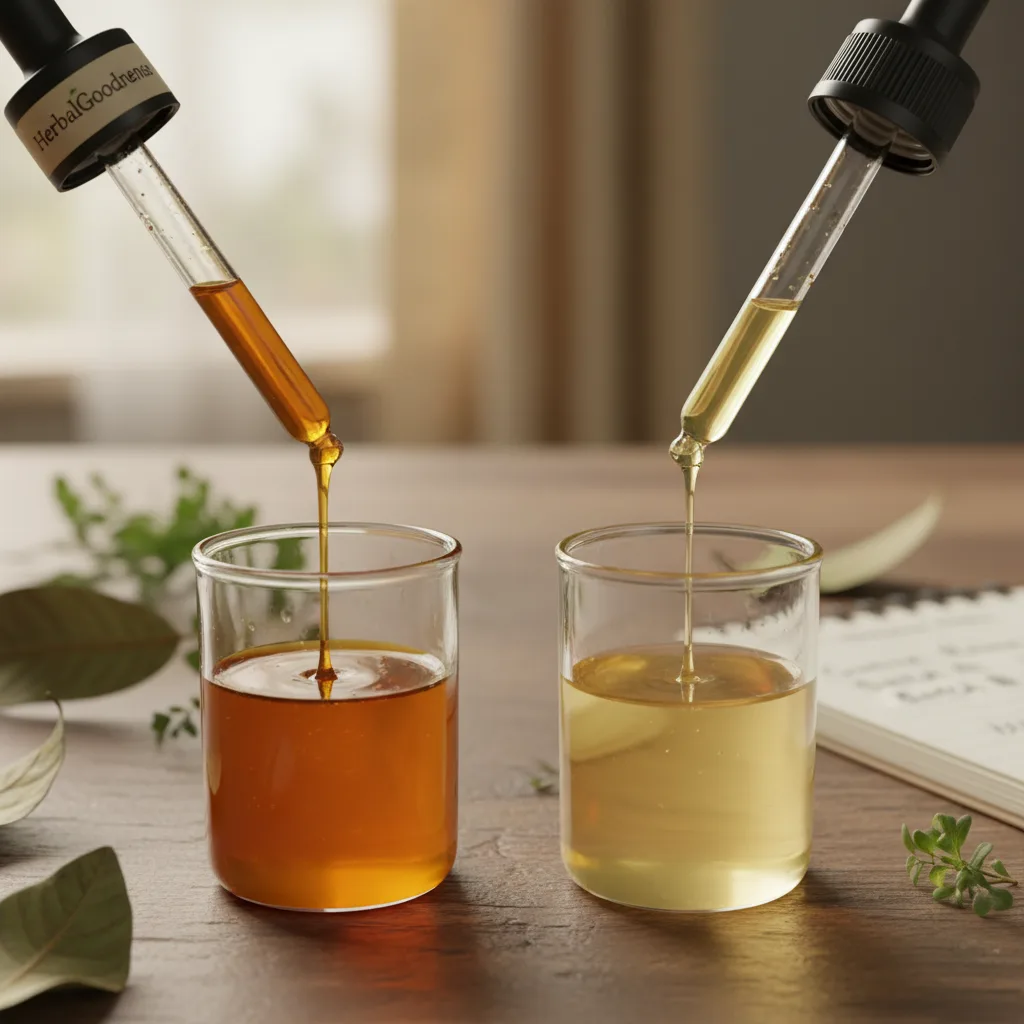
Transparency and precision in labeling—cornerstones of companies like Herbal Goodness—empower you to confidently compare options, ensure suitability for your intended application, and value purity. For further assurance in your herbal choices, you may also wish to review the Soursop Leaf Graviola Extract - Organic 15X Liquid Extract - Cell Renew & Immunity, which shares similarly clear labeling and ingredient standards.
Making Confident Choices with Guava Leaf Liquid Extract Labels
Bringing all of these label-reading skills together ensures that when evaluating guava leaf liquid extracts, you can:
- Compare products with clarity, regardless of bottle size or brand
- Understand the practical use of extract ratios, percentages, and serving sizes in daily use or recipes
- Choose carrier liquids that match both your taste and dietary preferences
- Spot brands with transparency at the core of their labeling approach
This depth of understanding helps shoppers move beyond marketing language, grounding decisions in clear, actionable information for the best guava leaf liquid extract experience.
Ready to compare guava leaf liquid extract labels with confidence? Use these insights to ensure the next product you choose fits your needs and preferences.
FAQs:
- What does a 1:2 extract ratio mean on a guava leaf liquid extract?
A 1:2 extract ratio means that one part of guava leaf (by weight) has been extracted using two parts liquid. This signals how much raw material was used for each portion of liquid extract.
- How do I convert a dropperful to milliliters on a liquid extract label?
Most standard droppers dispense 1 milliliter per full squeeze, but this can range between products. Always check if the label specifies dropper volume, as 1 dropperful usually equals 1 mL.
- Why are carrier liquids important in guava leaf liquid extracts?
Carrier liquids like alcohol, glycerin, or water impact the extract’s flavor, solubility, and usability. Reading the label helps you choose the format that works best for your needs.
- What does '15X' or similar mean regarding concentration?
'15X' indicates that the extract is 15 times more concentrated than the original amount. It's a way of helping compare strength across different products.
- How can I ensure I’m choosing a pure guava leaf liquid extract?
Look for labels that clearly state extract ratios, concentrations, detailed ingredient lists, and disclose sourcing or certifications. Transparency signals quality and purity.
- Can serving sizes on extracts be used in recipes or teas?
Absolutely. Converting serving sizes (from mL or dropperfuls) allows you to accurately scale up for recipes, tea blends, or daily routines. Ensure you check concentration for adjustment.
Author Name:
Herbal Goodness Editorial Team
Author Bio:
The Herbal Goodness Editorial Team specializes in holistic health and superfoods, blending science and nature to educate and empower our community.
References:
Introducing Graviola to Young Taste Buds: Fun, Family-Friendly Flavor Exploration
Graviola in the Classroom and at Home: Creative Activities to Teach Kids About Tropical Plants
Share this
Popular posts


FAQs
1. What are the main benefits of drinking bamboo leaf tea?
Drinking bamboo leaf tea supports hydration, relaxation, skin wellness, and antioxidant balance.
2. What is bamboo leaf extract used for?
It’s used for general body wellness, skin elasticity, hair and nail support, and overall vitality.
3. Can bamboo leaf help with skin care and body wellness?
Yes, bamboo leaf is rich in silica and antioxidants, which promote healthy skin, strong nails, and a youthful glow.
4. What forms of bamboo leaf are available?
You can find dried bamboo leaf, powder, extract, drops, oil, and bamboo leaf green tea.
5. Are there any side effects of bamboo leaf?
Bamboo leaf is generally safe when consumed in moderation. Always consult your healthcare provider before starting any new herbal supplement.