





Grow Three Herbs For Liver Support: Dandelion, Milk Thistle, and Turmeric Guide

Growing your own herbs can be a deeply rewarding way to connect with nature, elevate your kitchen, and deepen your understanding of traditional plant wisdom. Dandelion, milk thistle, and turmeric are three botanicals frequently appreciated in liver-support blends—valued through history for their versatility and distinctive characteristics. If you’re new to gardening or herbal exploration, this guide will walk you step-by-step through cultivating these herbs at home, along with practical techniques for harvesting, drying, storing, and enjoying them in everyday life.
Why Grow Your Own Traditional Liver-Support Herbs?
Home gardening opens a window into the living world of botanicals. Cultivating your own dandelion, milk thistle, and turmeric ensures you know exactly where your herbs come from and offers a hands-on way to learn about their unique growing habits. Many herbal wellness enthusiasts find added joy in harvesting and preparing their own plants for culinary and tea uses, connecting tradition with daily routines.
Beyond the satisfaction of harvesting your first aromatic roots or vibrant seeds, growing these herbs supports:
- Ingredient quality and freshness
- Personal knowledge of cultivation methods
- Sustainable, eco-friendly living
- Ethical sourcing and reduced reliance on global supply chains
Let’s dive into the specifics of each herb and how you can welcome them into your garden and kitchen.
Dandelion: The Cheerful Garden Companion
A Brief Botanical Profile
Dandelion (Taraxacum officinale) is a resilient perennial known for its sunny yellow blooms and distinctive toothed leaves. It grows wild in many climates but flourishes when thoughtfully cultivated.
How To Grow Dandelion At Home
Site Selection: Dandelions prefer full sun but tolerate partial shade. Choose well-drained soil—loamy or sandy is best.
Planting: Sow dandelion seeds in early spring, either directly into prepared garden beds or large containers. Gently press seeds onto the soil surface; they need light to germinate. Dandelion seeds are small, so sow them thinly to allow good spacing for root and leaf growth.
Watering: Water regularly to keep the soil lightly moist but not soggy. Established dandelions are drought tolerant.
Spacing: Leave at least 6 inches between plants. This gives roots room to thrive.
Harvesting Dandelion
- Leaves: Young leaves can be picked as soon as plants are established. For a milder flavor, harvest before flowers develop.
- Roots: Dig up roots in late fall, when energy has returned underground.
- Flowers: Pick fresh blooms for teas or salads, ideally during the late morning after dew dries but before midday heat.
Drying and Storage
- Leaves: Spread in a thin layer in a well-ventilated, shaded area. Turn leaves daily until dry and brittle.
- Roots: Wash thoroughly, slice, and dry either in a warm, dry spot or a dehydrator set to low.
- Flowers: Dry quickly to avoid browning; use a dehydrator if humidity is high.
Store dried parts in airtight glass jars away from light and heat.

Simple Culinary and Tea Uses
- Fresh leaves add a pleasant, slightly bitter note to salads.
- Dried roots (roasted) are commonly brewed as a traditional, earthy tea.
- Flowers can be made into syrups or lightly sautéed for a unique garnish.
For a simple way to capture the wellness benefits of dandelion, try Dandelion Root Liquid Extract - Organic 1oz - Detox & Liver as part of your daily herbal regimen. Its concentrated extract offers the essence of the root’s wellness qualities in an easy-to-use format, perfect for those times when your homegrown supply runs low or you want additional liver support during seasonal transitions.
Milk Thistle: The Spiky Purple Marvel
A Brief Botanical Profile
Milk thistle (Silybum marianum) earns its name from the milky sap in its spined leaves. Its dramatic purple blooms and striking foliage make it a standout in any herb garden.
How To Grow Milk Thistle At Home
Site Selection: Prefers full sun and mildly alkaline to neutral soils. Well-drained garden beds or spacious pots work best.
Planting: Direct-sow seeds in early spring after the risk of frost passes. Sow seeds about 1/2 inch deep and water gently.
Germination: Seeds typically sprout within 10–20 days.
Spacing: Thin seedlings to stand 18–24 inches apart for healthy growth.
Watering: Water moderately; mature plants tolerate drought well.
Garden Notes and Harvest Reminders
- Milk thistle is robust but can spread rapidly. Remove seed heads if you don’t want it to self-sow.
- Wear gloves—leaves and flower heads are spiny.
Harvesting and Preparing Milk Thistle
- Seeds: Collect when the purple flowers fade and seed heads turn brown—usually in late summer or early fall. Clip flower heads and allow them to dry in a paper bag, then rub to extract seeds.
- Leaves: The young leaves can be trimmed (spines removed) for fresh culinary use.
If you’re interested in strong, comprehensive liver health, Liver Lovin' - 1oz 15X Liquid Extract - Liver Detox delivers a blend of traditional botanicals, including milk thistle, in a potent format designed for daily wellbeing. This extract provides the support you need during heavy seasons or dietary changes when your liver needs a little extra care.
Drying and Storage
- Let seeds and florals dry thoroughly in a dark, airy room before storing.
- Store seeds in a sealed glass jar in a cool, dark place to preserve freshness.
Simple Culinary and Tea Uses
- Seeds are traditionally roasted or lightly ground for tea blends.
- Leaves (after spine removal) can be sautéed or added to stews as a mild green.
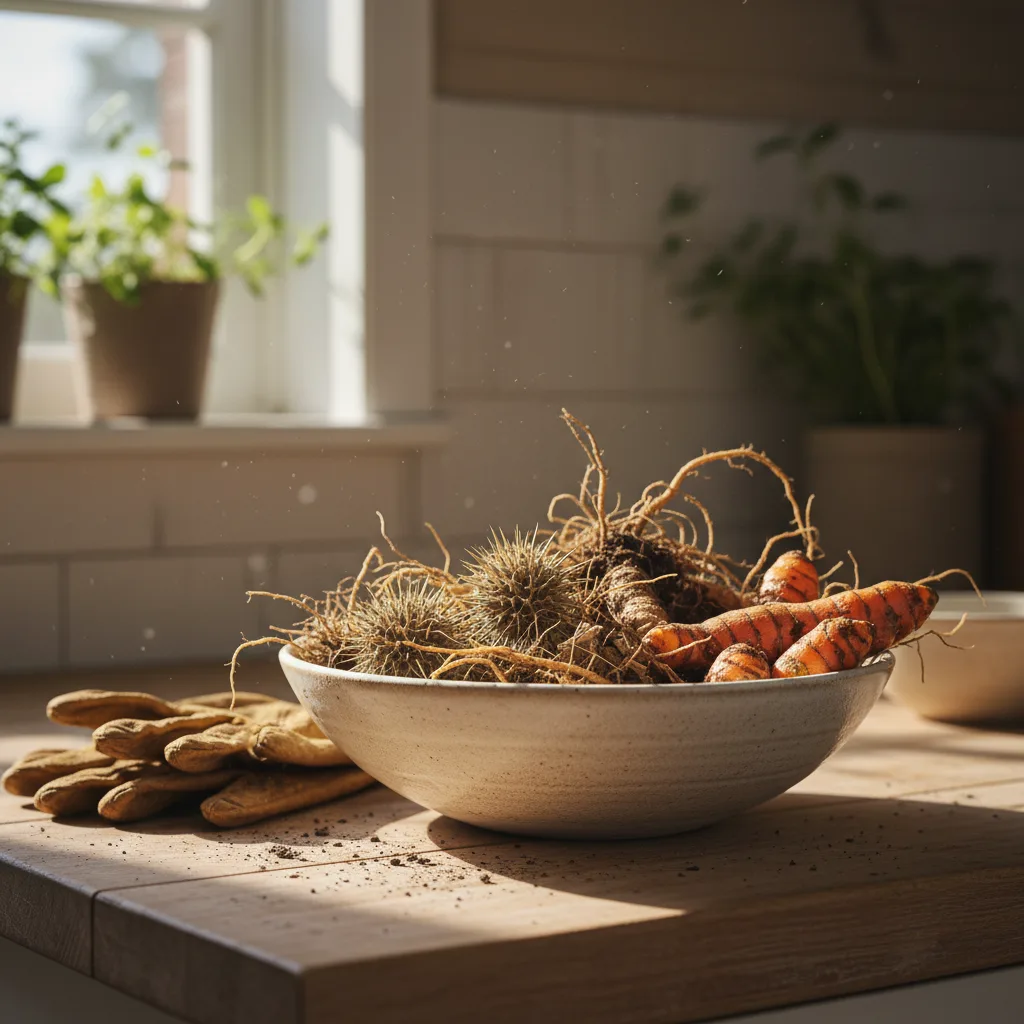
Turmeric: The Golden Root with Deep Roots
A Brief Botanical Profile
Turmeric (Curcuma longa) is valued for its vibrant orange rhizomes and bold flavor. Native to southern Asia, turmeric thrives as an annual in most U.S. climates and brings a tropical flair to gardens and containers alike.
How To Grow Turmeric At Home
Site Selection: Turmeric craves consistent warmth (70°F+), moist soil, and partial to full sun.
Planting Rhizomes: Purchase fresh, organic turmeric rhizomes from a reputable store or nursery. Soak the rhizome in water overnight to stimulate growth. Plant each piece 2–3 inches deep, with buds facing upwards, in pots or directly in ground once nighttime temperatures remain above 55°F.
Container Growing: Useful for colder climates. Select pots at least 12 inches wide and deep.
Watering: Maintain evenly moist (not soggy) soil throughout the growing season. Turmeric likes humidity; mist leaves during dry spells.
Seasonal Timing: Start rhizomes indoors in late winter or early spring for summer transplanting.
For holistic wellness benefits beyond just growing, you can supplement your routines with high-quality herbal extracts. Liver Lovin' - 1oz 15X Liquid Extract - Liver Detox is expertly formulated to help optimize your liver’s natural cleansing functions. Integrating such extracts can enhance the value of your garden-grown turmeric.
Harvesting Turmeric
Turmeric requires patience: harvest rhizomes 8–10 months after planting, when lower leaves yellow and collapse. Gently dig up each clump, shaking off excess soil.
Drying and Storage
- Rhizomes: Wash, slice, and dry in a dehydrator or warm, well-ventilated room.
- Once dry, store in sealed glass jars away from light and heat. Whole pieces keep best long-term.
Simple Culinary and Tea Uses
- Fresh or dried turmeric gives golden color and aromatic depth to teas, curries, and smoothies.
- Slices can be simmered in hot water with ginger for a warming drink.
Ethical Seed and Plant Sourcing
Beginning with high-quality, ethically-sourced seeds or rhizomes supports both vibrant gardens and responsible plant stewardship. Look for reputable organic suppliers who follow sustainable harvesting practices and provide clear origin information. When sharing or swapping with friends, take only what you need and always respect the land.
For those interested in nature's multivitamins and a broad-spectrum nutritional boost, Sea Moss - Raw Dried from St Lucia - 8oz Bag - Nature's MultiVitamins offers valuable micronutrients alongside your homegrown botanicals, making it a thoughtful wellness addition to your pantry.
Tips For Responsible Home Gardening
- Avoid wild-harvesting unless confident in plant ID and land ownership.
- Support seed libraries and non-profit nurseries.
- Choose organic and non-GMO sources when possible.

Drying, Storing, and Enjoying Your Harvest
Once your homegrown dandelion, milk thistle, or turmeric is ready, proper drying and storage techniques help preserve aroma, flavor, and traditional qualities:
- Air-dry in a shaded, well-ventilated space.
- Avoid direct sunlight during drying as it can fade beneficial compounds.
- Store dried herbs or seeds in airtight containers away from direct light and moisture.
Try infusing a spoonful of your dried herbs in hot water for a calming tea, or blend them with familiar spices to elevate your meals. Small daily rituals with your homegrown botanicals help bring the garden experience into your kitchen year-round. For a convenient option, Bulk Herbs & Roots - Organic 4oz Bags - Herbal Tea can supplement your at-home harvest so your wellness journey never pauses.
Timing Your Herb Garden for the Seasons
Understanding your hardiness zone and frost dates will help you time your plantings for success:
- Dandelion: Spring or fall (perennial cycles).
- Milk thistle: Early spring after frost.
- Turmeric: Late winter indoors; plant outdoors when warm, or grow year-round indoors under lights in cooler regions.
If you are designing a growing calendar or swapping garden tips with friends, explore Bulk Loose Leaf Teas & Tisanes - Organic 4oz - Herbal Wellness Teas to experience herbal flavors from around the world, even while your plants are maturing.
Simple Recipes and Tea Blends
Once harvested and dried, experiment with these easy uses:
- Dandelion-leaf salad with citrus and toasted seeds
- Milk thistle seed tea: Lightly crush 1 tsp of dried seeds and steep in hot water for 5–10 minutes.
- Golden turmeric milk: Simmer slices of fresh or dried turmeric in almond milk with honey and a pinch of black pepper.
These traditional methods celebrate each plant’s unique flavors and characteristics, connecting your gardening journey to daily nourishment. If you’re seeking a simple, ready-made blend for liver and detox support, Bitter But No Crap - 2fl.oz - Detox & Cleanse features a crafted formula for renewal and balance.
Growing your own dandelion, milk thistle, and turmeric is a fulfilling way to bring time-honored plants into your home. Whether you’re brewing fresh tea, adding color to your dishes, or simply enjoying the sight of these vibrant botanicals, letting them flourish under your care offers a deeper relationship with the plant world. As you gain experience, consider sharing seeds, recipes, or gardening tips with friends and family—cultivating not just herbs, but community as well.
FAQs:
- Do I need a large garden to grow dandelion, milk thistle, or turmeric?
No, all three herbs can be grown in containers or smaller garden spaces. Turmeric especially thrives in deep pots, while dandelion and milk thistle adapt well to both in-ground and potted growth.
- How do I know when to harvest each herb?
Harvest dandelion leaves when young, roots in late fall; milk thistle seeds when the flower heads turn brown; turmeric rhizomes after 8–10 months, when the lower leaves turn yellow.
- Is it safe to use wild plants I find in my yard?
Only use wild plants if you’re absolutely confident in their identification and the area hasn’t been exposed to pesticides or contaminants. For most beginners, it’s safer to grow from seed or purchased starts.
- What’s the best way to store dried herbs and seeds?
Store in airtight glass jars away from direct sunlight and moisture. Label each jar with the herb’s name and harvest date for freshness.
- Can I grow these herbs organically at home?
Yes, by using organic soil, compost, and natural pest management methods, you can grow dandelion, milk thistle, and turmeric organically in your garden or containers.
- What are some simple kitchen uses for these herbs?
Add dandelion leaves to salads, brew milk thistle seeds and dandelion roots for tea, and use fresh or dried turmeric in golden milk, curries, or infused water.
- Where can I find ethically-sourced seeds and rhizomes?
Look for organic seed companies, non-profit nurseries, and trusted herbal suppliers that disclose their sourcing practices and prioritize sustainable cultivation.
Author Name:
Herbal Goodness Editorial Team
Author Bio:
The Herbal Goodness Editorial Team specializes in holistic health and superfoods, blending science and nature to educate and empower our community.
References:
Introducing Graviola to Young Taste Buds: Fun, Family-Friendly Flavor Exploration
Graviola in the Classroom and at Home: Creative Activities to Teach Kids About Tropical Plants
Why Social Impact Matters in Plant-Based Wellness
Share this
Popular posts


FAQs
1. What are the main benefits of drinking bamboo leaf tea?
Drinking bamboo leaf tea supports hydration, relaxation, skin wellness, and antioxidant balance.
2. What is bamboo leaf extract used for?
It’s used for general body wellness, skin elasticity, hair and nail support, and overall vitality.
3. Can bamboo leaf help with skin care and body wellness?
Yes, bamboo leaf is rich in silica and antioxidants, which promote healthy skin, strong nails, and a youthful glow.
4. What forms of bamboo leaf are available?
You can find dried bamboo leaf, powder, extract, drops, oil, and bamboo leaf green tea.
5. Are there any side effects of bamboo leaf?
Bamboo leaf is generally safe when consumed in moderation. Always consult your healthcare provider before starting any new herbal supplement.