





From Spores to Bottle: How Organic Mushroom Tincture Drops Are Made

Introduction: The Journey from Mushroom Spores to Tincture Bottles
If you've ever looked at a bottle of organic mushroom tincture drops and wondered about its origins, you're not alone. The process of transforming tiny fungal spores into a premium extract is a fascinating journey—a blend of careful cultivation, precise extraction, and a serious commitment to purity and freshness. As interest in organic mushroom tinctures grows, especially among those looking to shop for the best quality or order with confidence, understanding this journey can help you recognize what sets a truly great product apart. Let’s take a friendly, plain-English tour of how these potent drops make their way to your shelf, highlighting key distinctions, extraction methods, and must-know freshness cues along the route.
Cultivation and Wild-Harvest: Where Mushroom Tinctures Begin
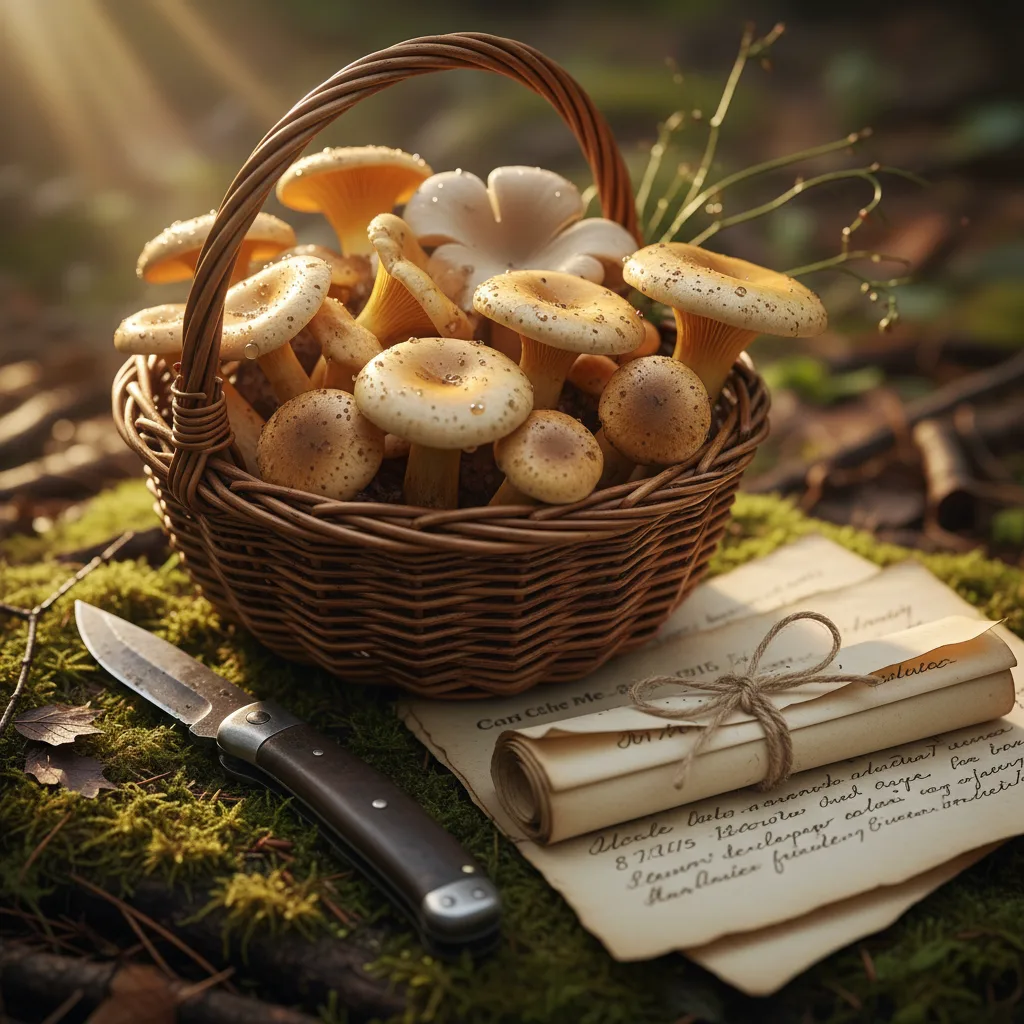
Most organic mushroom tincture drops begin life either on a mushroom farm or in the wild. The methods of sourcing—cultivation or wild-harvest—directly influence quality, sustainability, and even the variety of mushrooms available for extraction.
Cultivation involves growing mushrooms in meticulously controlled environments. These are often certified organic for cleaner, pesticide-free results and are known for precise control over growing mediums and conditions. Many popular varieties like Reishi, Shiitake, and Lion’s Mane are cultivated this way. Lion's Mane Mushroom Liquid Extract - Organic - Brain & Mood is a popular example of an organic, thoughtfully sourced liquid extract derived via cultivation.Lion's Mane Mushroom Liquid Extract - Organic - Brain & Mood
Wild-harvesting, by contrast, means foraging mushrooms from pristine forests or meadows; this approach is highly seasonal and relies on ethical harvesting to ensure sustainability. It’s typically used for rare or region-specific varieties that can’t easily be grown on farms. For those wanting the best transparency, noticing an emphasis on farm-to-bottle or wild sourcing details helps when considering which mushroom product to order or shop online.
Fruiting Body vs. Mycelium: What’s in Your Tincture?
One crucial consideration when shopping for organic mushroom tincture drops is whether the extract comes from the mushroom’s fruiting body or its mycelium. The fruiting body is the visible, above-ground part of the mushroom—traditionally prized for its rich spectrum of natural compounds. Mycelium, on the other hand, is the underground, web-like network that grows rapidly and is sometimes used on grain substrates. This means some tinctures may contain grain byproducts if derived solely from mycelium.
When comparing options, mushroom tinctures labeled as "fruiting body only" often catch the eye of discerning buyers prioritizing potency and purity. Sourcing plays just as big a role for other herbal extracts too, such as the thoughtfully-crafted Mushroom Blend - Organic 15X Liquid Extract - Adaptogens, which emphasizes premium ingredients and robust sourcing standards.
The Extraction Process: How Mushrooms are Turned into Tincture Drops
The leap from cultivated or foraged mushrooms to liquid extract centers around the extraction process. This step is where the plant’s components are pulled from the mushroom and suspended in a liquid base. Let’s explore the most common extraction methods you’ll see when you go to buy or order:
Alcohol Extraction (Ethanol-Based)
Alcohol extraction is the most widely used for mushroom tinctures. Organic ethanol helps dissolve and extract beneficial compounds while acting as a natural preservative for extended shelf life. Alcohol-based tinctures are usually bold in flavor, ranging from earthy to slightly sharp. As you browse for the best quality, look for clear indications that food-grade, organic alcohol is used—something highlighted in trusted brands and across various herbal supplements.
Glycerin Extraction
For those preferring alcohol-free formulas, glycerin extraction offers an alternative. Plant-based glycerin imparts a sweet, smooth flavor and generally results in a gentler, milder extract. Labels that advertise organic, vegan-friendly glycerin are a big plus when seeking cleaner tincture options.Papaya Leaf Extract - 1oz - Organic - 15X Liquid - Blood Platelet is an example of a non-mushroom but popular herbal tincture made with similar standards, illustrating the versatility of liquid glycerin-based formulas.
Dual Extraction (Alcohol + Hot Water)
Dual extraction is truly prized among premium organic mushroom tincture drops. It uses both alcohol and hot water in a two-phase process to capture the full spectrum of plant actives—from alcohol-soluble to water-soluble components. This dual approach, referenced on many high-end mushroom extract labels, creates a more complete extract—mirroring traditional practices and delivering maximum plant potential. When shopping, "dual extracted" is a key sign you’re viewing a robust and carefully crafted tincture.
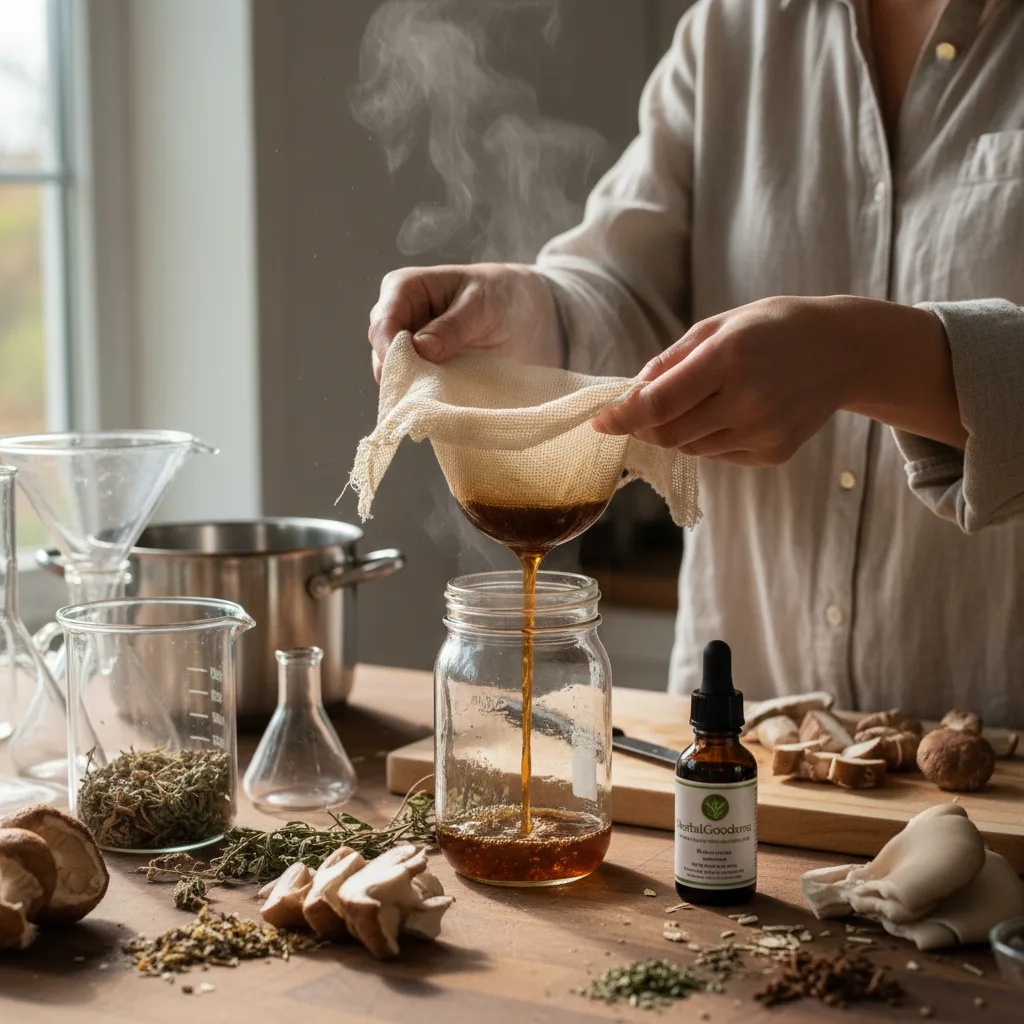
Each extraction method influences not just potency, but flavor, shelf life, and the overall component profile. While dual extracts are favored for their robust properties, choices like Papaya Leaf Extract 16oz – Organic 15X Liquid Papaya Leaf Herbal Supplement and traditional glycerin tinctures show how non-mushroom botanicals use similar techniques for purity and efficacy.
Quality and Freshness: What to Look for When Shopping or Ordering
Whether you plan to buy mushroom tincture online or in person, understanding quality cues can ensure you get a potent, fresh extract. Rich color—sometimes cloudy with suspended fine particles—is a good indicator. Avoid tinctures that are extremely pale, murky, or separated as these could signal poor extraction or age.
Packaging matters, too. Premium mushroom tincture drops and other extracts like Soursop Leaf Graviola Extract - - Organic 15X Liquid Extract - Cell Renew & Immunity are usually housed in dark glass bottles for freshness and protection against light. Well-designed packaging with clear labels about organic origin, fruiting body source, and extraction methods demonstrates superior product standards.
Bright aromas—earthy, woodsy, sometimes a touch bitter—are typical of alcohol-based extracts, while sweeter notes come from glycerin preparations. Steer clear of off or musty scents as they may indicate spoilage.
Sourcing transparency makes all the difference for health-conscious consumers. Look for clear statements about the farm, region, or wild-harvested origins, and check for certifications or manufacturing dates to help gauge your product’s age and shelf life—and always double-check for clear best-by information before deciding to buy.
Why Understanding the Process Matters
Taking the time to learn the full journey—from the moment a mushroom spore germinates, to nurturing the freshest fruiting bodies, to careful extraction—means you can shop for tincture drops with total confidence. By researching whether your extract is fruiting body only, or if it’s dual extracted, you’ll be prepared to ask the right questions and spot premium quality—more so if you’re exploring advanced adaptogens or wellness blends featuring botanicals in addition to mushrooms.
When selecting liquid extracts, check for dark glass packaging, clear ingredient and origin details, and reputable producers that make their sourcing and extraction methods transparent.Mushroom Blend - Organic 15X Liquid Extract - Adaptogens stands out with its adaptogenic benefits and commitment to ingredient quality.

A Closer Look at Product Formats and Sourcing (with Herbal Goodness Context)
When you compare mushroom tincture drops to other liquid herbal extracts, formats and user experience also come into play. Liquid dropper bottles, sprays, or even capsules each offer convenience, but droppers tend to provide the best absorption and dose control. Brands such as Herbal Goodness are known for their transparency, listing fruiting body sources and extraction practices right on the label. This approach is echoed across their product lines, from Papaya Leaf Extract - 1oz - Organic - 15X Liquid - Blood Platelet to Soursop Leaf Graviola Extract - - Organic 15X Liquid Extract - Cell Renew & Immunity and mushroom products alike.
Selecting tincture drops formatted in dark glass and detailing extraction methods—whether alcohol, glycerin, or dual—ensures clarity when you compare for value. Attention to freshness, origin, and potency means more trustworthy wellness support whether you order direct or buy at a preferred wellness store.
Summary: The Full Journey—From Spore to Trusted Drop
From the moment mycologists and foragers select their ideal mushroom varieties, to nurturing or gathering the freshest fruiting bodies, to skillfully extracting the plant’s prized components, each stage builds on a foundation of care and quality. Understanding cultivation techniques, extraction methods (alcohol, glycerin, dual), the fruiting body versus mycelium distinction, and practical signs of freshness gives you the confidence to shop, compare, and choose with knowledge. The result? A well-informed, thoughtful journey as you explore the vibrant, earthy world of organic mushroom tincture drops—spoiling yourself with the best each bottle has to offer.
FAQs:
- What makes an organic mushroom tincture premium quality?
Premium quality comes from organic cultivation or ethical wild-harvesting, use of the fruiting body instead of mycelium, and careful extraction methods such as alcohol or dual extraction. Packaging in dark glass and clear sourcing information are also signs of the best quality tinctures for sale.
- Should I buy mushroom tincture drops made from fruiting body or mycelium?
Fruiting body extracts are commonly appreciated for their traditional use and rich plant compounds. Many look for 'fruiting body only' tinctures when shopping for purity and best quality, while mycelium-based options offer different compounds and may be more affordable.
- What is dual extraction, and why is it considered for best quality tinctures?
Dual extraction uses both alcohol and hot water phases to capture a full spectrum of plant compounds. This method is often highlighted in premium, organic mushroom tinctures for those seeking to shop for the most complete extract.
- How can I tell if a mushroom tincture is fresh before I buy?
Check for rich color, clear manufacturing or best-by dates, sealed dark glass packaging, and a fresh, earthy aroma. Transparent labeling and sourcing information are also cues that you’re purchasing a fresh, high-quality tincture.
- Where can I find the best quality organic mushroom tincture drops for sale?
Look for reputable herbal wellness brands that share detailed sourcing and extraction information. Online, you can shop for a wide range of organic mushroom tincture drops and compare labels for premium features before you buy.
- What’s the difference in flavor between alcohol and glycerin mushroom tinctures?
Alcohol-based tinctures have an earthy, sometimes sharp flavor, while glycerin-based tinctures are milder and a bit sweet. The preference depends on taste and whether you want an alcohol-free option.
- Is it better to order mushroom tinctures in liquid or capsule form?
Liquid tinctures are favored for their flexibility in dosage and fast absorption, while capsules offer convenience. When shopping, decide based on your preferences and compare product details for the best match.
Author Name:
Herbal Goodness Editorial Team
Author Bio:
The Herbal Goodness Editorial Team specializes in holistic health and superfoods, blending science and nature to educate and empower our community.
References:
Introducing Graviola to Young Taste Buds: Fun, Family-Friendly Flavor Exploration
Graviola in the Classroom and at Home: Creative Activities to Teach Kids About Tropical Plants
Share this
Popular posts


FAQs
1. What are the main benefits of drinking bamboo leaf tea?
Drinking bamboo leaf tea supports hydration, relaxation, skin wellness, and antioxidant balance.
2. What is bamboo leaf extract used for?
It’s used for general body wellness, skin elasticity, hair and nail support, and overall vitality.
3. Can bamboo leaf help with skin care and body wellness?
Yes, bamboo leaf is rich in silica and antioxidants, which promote healthy skin, strong nails, and a youthful glow.
4. What forms of bamboo leaf are available?
You can find dried bamboo leaf, powder, extract, drops, oil, and bamboo leaf green tea.
5. Are there any side effects of bamboo leaf?
Bamboo leaf is generally safe when consumed in moderation. Always consult your healthcare provider before starting any new herbal supplement.