





Eco-Conscious Buying: Evaluating Soursop (Graviola) Bitters Capsules for Sustainability

Choosing herbal supplements today is about more than just what’s inside the bottle—it’s also about understanding the environmental and ingredient footprint of each product. For those interested in plant-based wellness, selecting soursop (graviola) bitters capsules that align with eco-conscious values can seem overwhelming, but with the right guidance, anyone can make informed decisions. This guide unpacks how to evaluate soursop bitters capsules through the lens of sustainability, ingredient transparency, and low-waste practices, empowering you to shop with confidence and care for the planet.
Understanding Soursop (Graviola) Bitters Capsules
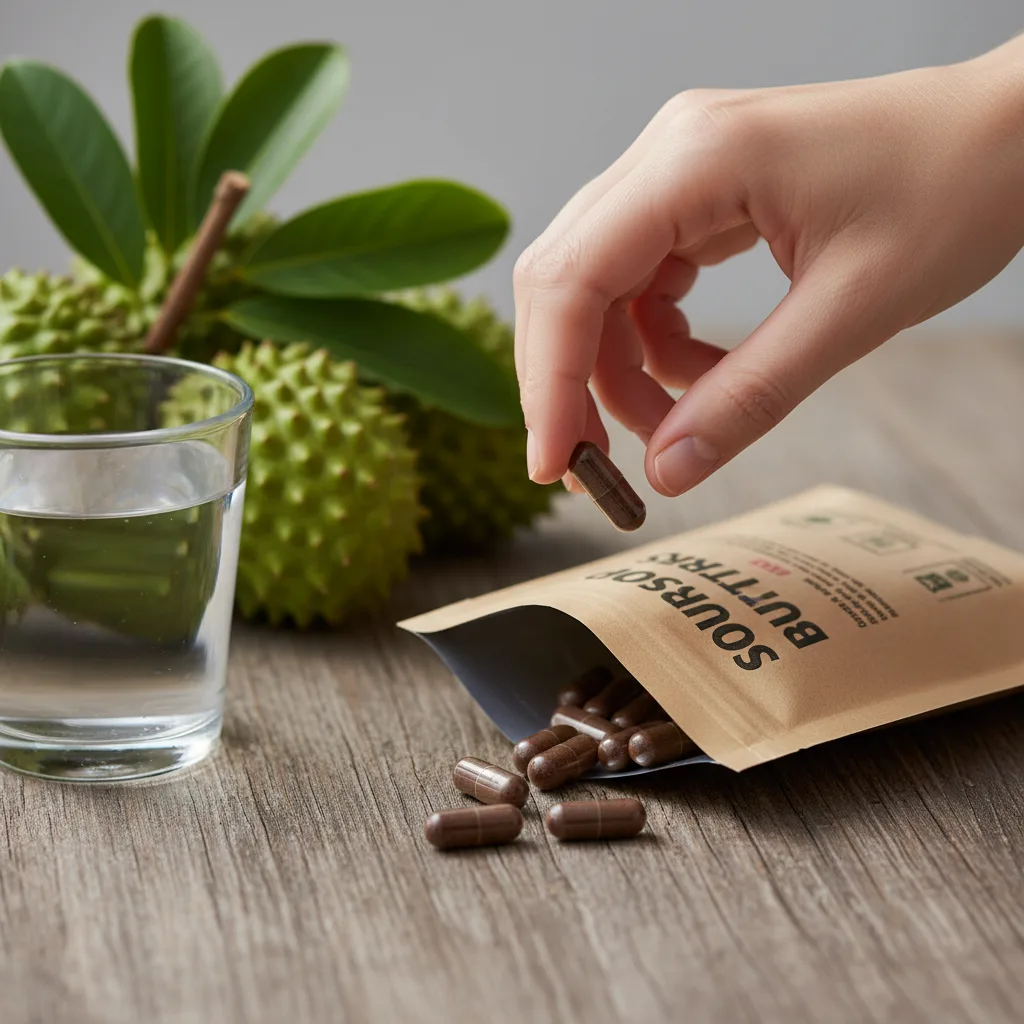
Soursop, also known as graviola, is a tropical fruit traditionally valued for its role in herbal wellness. Soursop bitters capsules, which typically contain concentrated extracts from the plant’s leaves, fruit, or bark, offer a convenient way for individuals to enjoy the plant’s properties. However, just as the wellness space is growing, so are concerns about the environmental implications of sourcing, manufacturing, and packaging these supplements.
Choosing the most appropriate product involves considering how each step of production—from ingredient selection to packaging—impacts both personal values and the environment. Supporting your decision-making, options like the Soursop Bitters Graviola Extract - 120/1000mg Capsules - Immunity & Wellbeing provide clear listings of their plant sources and manufacturing details.
Capsule Shell Types: Vegan vs. Gelatin and Their Footprint
One of the first distinctions on a supplement label is the capsule shell type. Soursop bitters capsules typically use either gelatin or plant-based alternatives. Here’s what to consider:
Gelatin Capsules
- Origin: Sourced from animal byproducts (usually bovine or porcine).
- Environmental Impact: Tied to the livestock industry, which can have a significant carbon and water footprint.
- Considerations: Not suitable for vegans or vegetarians.
Vegan Capsules (HPMC or Pullulan)
- Origin: Made from plant-derived ingredients such as hydroxypropyl methylcellulose (HPMC) or fermented tapioca (pullulan).
- Environmental Impact: Generally considered more sustainable than animal-based gelatin, depending on agricultural and manufacturing practices.
- Considerations: Well-suited for those following plant-based diets and are widely accepted in eco-conscious circles.
Label Tip: Look for clear labeling about the capsule shell. Certifications such as "vegan" or "vegetarian" may offer added assurance about the product’s sourcing values. If you prefer to avoid capsules altogether, consider exploring Soursop Bitters 15X Liquid Extract – Organic Soursop Leaf Detox & Wellness Support for a liquid alternative that still prioritizes sustainability.
Common Fillers, Additives, and Ingredient Sourcing
Supplements aren’t always just active botanical ingredients. Soursop bitters capsules may include fillers or additives that serve technical purposes, like improving shelf life or preventing clumping. However, their sustainability and quality can vary.
Typical Additives Used:
- Magnesium stearate: Commonly used as a flow agent, but its origin (plant or animal) matters for eco-conscious shoppers.
- Silicon dioxide: Used as an anti-caking agent, typically derived from natural sources but sometimes synthetically produced.
- Microcrystalline cellulose: A plant-based binder and filler.
Evaluating Ingredient Transparency
- Source Disclosure: Transparent brands will identify the origin of both primary and secondary ingredients.
- Minimal Additives: Look for products with short ingredient lists, focusing on essential components rather than unnecessary fillers.
- Certifications: Check for organic, non-GMO, or fair-trade certifications if ingredient sourcing is a top priority.
Label Tip: Sustainable brands often highlight sourcing practices and avoid ambiguous phrases like "proprietary blend" or "natural flavors" without clear explanations. Products such as the Graviola Soursop Leaf Extract – 10X 60/600mg Capsules - Cell Renew & Immunity clearly state their ingredient sources and are crafted with minimal, plant-based fillers for eco-conscious buyers.

Extraction Solvents and Their Environmental Impact
Creating soursop bitters involves extracting and concentrating the plant’s beneficial compounds. The method used impacts both purity and sustainability.
Common Extraction Methods
- Alcohol-Based Extraction: Ethanol is generally considered safer for the environment than some chemical alternatives. Look for products specifying organic or food-grade alcohol.
- Water Extraction: Seen as one of the cleanest extraction approaches from both an ingredient and waste perspective.
- Other Solvents: Some manufacturers use hexane or other chemical solvents, which may pose environmental concerns if not properly managed.
What to Look For
- Solvent Transparency: Ethical brands will indicate what extraction methods they use.
- Residue Testing: Reputable products may mention testing to ensure no solvent traces remain.
Label Tip: If extraction methods aren’t specified, consider contacting the brand for clarification or seeking out companies that are transparent about their processes. For those most interested in these methods, Soursop Leaf Graviola Extract - - Organic 15X Liquid Extract - Cell Renew & Immunity provides comprehensive details about both extraction and purity processes.
Sourcing Transparency and Sustainability Practices
Where and how soursop is grown directly affects its environmental and community impact. Responsible sourcing supports both the planet and local farming communities.
Why Sourcing Matters
- Biodiversity: Sustainable harvesting helps protect native soursop populations and surrounding ecosystems.
- Community Support: Fair-trade or direct trade models prioritize local growers, ensuring fair compensation and encouraging regenerative agriculture.
Signs of Transparent Sourcing
- Geographic Origin: Trusted brands disclose the origin country or region for soursop used in their capsules.
- Sourcing Statements: Look for mention of wild-crafted or organically grown ingredients that help reduce chemical use and conserve natural habitat.
- Certifications & Accreditations: Certifications like USDA Organic or Fair Trade add credibility to claims of responsible sourcing.
Label Tip: If sustainability or sourcing isn’t addressed on the label or website, it may signal a lack of focus on these values. Brewed alternatives, such as Soursop Leaf Tea Graviola Leaves - Organic 24/2g Tea Bags - Immunity & Cell Renew, can also offer transparency around organically grown leaves and eco-friendly practices.

Packaging: Reducing Waste and Embracing Low-Waste Options
Eco-conscious supplement buyers often consider not just what’s inside the bottle, but the bottle itself. Packaging choice directly influences the environmental footprint of any product.
Common Packaging Types
- Plastic Bottles: Widely used due to cost and durability, but source, recyclability, and resin codes matter.
- Glass Bottles: Heavier but generally preferable from a recycling standpoint.
- Post-Consumer Recycled Content: Some companies use bottles made from recycled materials to cut original resource use.
- Minimalist or Compostable Packaging: A limited but growing trend among eco-friendly brands.
Packaging Considerations
- Recyclability: Always check for clear recycling codes.
- Size-to-Product Ratio: Larger bottles for small capsule quantities create unnecessary waste. Seek packaging proportionate to content.
- Transport Footprint: Lightweight and stackable designs can result in a lower transport-related carbon footprint.
Label Tip: Brands committed to sustainability often explain packaging choices or materials on their products or in accompanying literature. When you’re browsing for eco-friendly capsules, Soursop Bitters Graviola Extract - 120/1000mg Capsules - Immunity & Wellbeing stands out for its conscious packaging and clear labeling practices.
Third-Party Testing: Ensuring Quality and Transparency
Eco-conscious buying is also about quality assurance. Third-party testing isn’t just a safety measure; it signals a commitment to transparency.
What Does Third-Party Testing Mean?
- Independent Verification: An external lab analyzes the product for purity, potency, and compliance with label claims.
- Residue Screening: Many brands screen for lead, pesticide residues, or unwanted by-products from the extraction process.
Benefits of Third-Party Testing
- Accountability: Brands that invest in third-party testing demonstrate higher standards for both product quality and environmental safety.
- Consumer Confidence: Lab verifications—especially from ISO-certified labs—add trust and credibility.
Label Tip: Look for mentions of “third-party tested” or “verified by an independent lab” and request a copy of the Certificate of Analysis (COA) when in doubt. Choosing respected and trusted options such as Soursop Bitters 15X Liquid Extract – Organic Soursop Leaf Detox & Wellness Support or Graviola Soursop Leaf Extract – 10X 60/600mg Capsules - Cell Renew & Immunity ensures access to verifiable quality.
Reading Labels Like a Pro: Label Literacy for Informed Choices
A supplement label is your primary window into product transparency. Knowing how to decode it helps you make choices that match your sustainability values.
Key Label Elements to Review
- Ingredient List: Should be concise, with recognizable and purposeful components.
- Quantity and Serving Size: Make sure active ingredient amounts are clearly listed per serving.
- Capsule Materials: "Vegan", "vegetarian", or specific types like "HPMC" or "gelatin" should be indicated.
- Sourcing Information: Look for organic, wild-harvested, or fair-trade labels.
- Certifications and Test Results: USDA Organic, Non-GMO Project Verified, and statements about third-party testing build confidence.
Quick Checklist for Eco-Conscious Shoppers
- Ingredient transparency and minimal, plant-based fillers
- Vegan capsule shell if valued
- Clearly labeled and recyclable or compostable packaging
- Disclosed extraction methods using eco-friendly solvents
- Source traceability—country of origin or fair-trade commitments
- Evidence of third-party or independent testing
For those who prefer a simple option with strong eco-credentials, Soursop Leaf Tea Graviola Leaves - Organic 24/2g Tea Bags - Immunity & Cell Renew offers straightforward ingredients, responsible sourcing, and recyclable packaging—all listed right on the box.
Making Values-Driven, Low-Waste Choices
There’s no single right answer when it comes to picking the most sustainable soursop bitters capsules. Instead, eco-conscious buying is about clarity and alignment with your personal values—choosing products whose sourcing, ingredients, packaging, and testing practices prioritize environmental stewardship as much as personal wellness.
In an evolving market, being a mindful consumer means taking a few extra moments to read labels, ask questions, and opt for brands committed to holistic sustainability at every product stage. By considering these factors, you’ll not only support ethical industry practices but also reduce your personal environmental impact—one capsule at a time.
FAQs:
- Why does capsule shell material matter for eco-conscious buyers?
Capsule shell material affects both the environmental impact and dietary suitability of a product. Vegan capsules are generally plant-based and renewable, while gelatin capsules are derived from animal sources and have a larger ecological footprint.
- How can I tell if packaging is truly eco-friendly?
Look for clear recycling codes, use of post-consumer recycled materials, and any information about minimalist or compostable packaging. Responsible brands will highlight these features on their labels or websites.
- Why should I be concerned about extraction solvents in soursop capsules?
Extraction solvents can impact the purity of the extract and the environment. Eco-friendly options like water or organic alcohol are preferable to chemical solvents, which may contribute to pollution if not managed responsibly.
- What certifications should I look for on soursop bitters capsules?
Certifications such as USDA Organic, Non-GMO Project Verified, Fair Trade, and third-party testing verifications indicate that a brand values both transparency and sustainable practices.
- How does sourcing transparency contribute to sustainability?
Sourcing transparency ensures that plant materials are harvested responsibly, supports local communities, and allows buyers to verify that sustainable practices are in place throughout the supply chain.
- What does third-party testing mean for eco-conscious supplements?
Third-party testing involves independent laboratories verifying a supplement's content and purity, providing assurance that what's on the label accurately represents what's inside, with an eye towards both quality and environmental safety.
Author Name:
Herbal Goodness Editorial Team
Author Bio:
The Herbal Goodness Editorial Team specializes in holistic health and superfoods, blending science and nature to educate and empower our community.
References:
Introducing Graviola to Young Taste Buds: Fun, Family-Friendly Flavor Exploration
Graviola in the Classroom and at Home: Creative Activities to Teach Kids About Tropical Plants
Share this
Popular posts


FAQs
1. What are the main benefits of drinking bamboo leaf tea?
Drinking bamboo leaf tea supports hydration, relaxation, skin wellness, and antioxidant balance.
2. What is bamboo leaf extract used for?
It’s used for general body wellness, skin elasticity, hair and nail support, and overall vitality.
3. Can bamboo leaf help with skin care and body wellness?
Yes, bamboo leaf is rich in silica and antioxidants, which promote healthy skin, strong nails, and a youthful glow.
4. What forms of bamboo leaf are available?
You can find dried bamboo leaf, powder, extract, drops, oil, and bamboo leaf green tea.
5. Are there any side effects of bamboo leaf?
Bamboo leaf is generally safe when consumed in moderation. Always consult your healthcare provider before starting any new herbal supplement.