





Decoding Herbal Energy: Ingredients, Flavors, and Botanical Stimulation

Decoding Herbal Energy: Ingredients, Flavors, and Botanical Stimulation
Feeling awake, alert, and vibrant—without reaching for another cup of coffee—has become an aspiration for many seeking a natural, balanced routine. The term “herbal energy” now appears on everything from teas and tinctures to supplement blends. But what does it really mean? Where does this sense of energy come from, and how do certain botanicals, flavors, and rituals work together to shift our experience of wakefulness? This guide unpacks the spectrum of herbal energy, introducing newcomers to the most common ingredients, the science behind stimulating sensations, and how everyday rituals can play a powerful role.
Understanding “Herbal Energy”: Beyond the Buzz
What Do People Mean by Herbal Energy?
The phrase "herbal energy" has taken on many interpretations. Unlike the immediate buzz associated with highly caffeinated drinks, herbal energy draws on a broad range of botanicals reputed for their naturally invigorating qualities. These might:
- Gently awaken the senses
- Encourage mental clarity
- Uplift mood
- Support resilience to daily demands
The effect is often described as a smooth, sustained alertness rather than a jolt. Herbal energy therefore encompasses diverse plants and traditions that go far beyond just caffeine.
The Spectrum of Stimulation: Gentle to Vibrant
Not all energizing herbs act in the same way. Some provide mild stimulation through aromatic compounds or bitter flavors, while others introduce nutrients or adaptogenic qualities long valued for supporting vitality. Some blends combine multiple approaches, aiming to harmonize mind, body, and flavor.
Common Herbal Energy Ingredients and Their Roles
Caffeine-Containing Botanicals
Certain plants contain naturally occurring caffeine, a compound long appreciated for its stimulating effect on wakefulness. The most familiar examples include:
- Guayusa: Native to Amazonian cultures, guayusa leaves contain moderate caffeine, offering a clean, sustained energy.
- Yerba Mate: Enjoyed in South America, yerba mate’s robust earthy infusion provides a balance of caffeine and antioxidant compounds.
- Green Tea (Camellia sinensis): Known for its gentle lift, green tea pairs caffeine with calming L-theanine, yielding a smoother sensation.
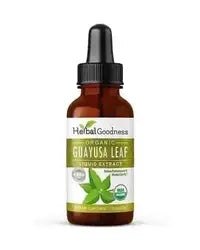
These caffeine-containing herbs are commonly chosen for those who enjoy a natural source of energy without synthetic additives. For those seeking botanical caffeine, Guayusa Leaf - Organic 1oz 15X Liquid Extract - Energy & Natural Caffeine provides a convenient way to experience sustained, plant-based stimulation.
Bitters and Aromatic Stimulants
Not all herbal energizers hinge on caffeine. Traditional herbalism often utilizes bitters and aromatics to awaken digestion and enliven the senses. Examples include:
- Peppermint: The cooling, bright flavor of peppermint is commonly appreciated for offering a refreshing, awakening experience.
- Ginger Root: Known for its zesty, warming qualities, ginger is traditionally used to invigorate both palate and body.
- Rosemary: With its intense, pine-like aroma, rosemary has been valued in folk traditions for promoting alertness.
- Citrus Peels: Orange and lemon peels introduce tangy notes and lively fragrance, waking up taste buds and the senses.
Bitters stimulate the palate, while leaving a crisp, refreshing aftertaste. Aromatics stimulate the senses through scent—playing a surprisingly strong role in perceived vitality. Some energy blends, such as Energy and Vitality - 1oz 15X Liquid Extract - Energy & Performance, combine aromatic botanicals designed to enliven both mind and body.
Nutrient-Rich Botanicals and Adaptogens
Some botanicals, often described as adaptogens or “tonics,” are traditionally celebrated for supporting healthy energy levels and resilience, rather than exerting a direct stimulant effect. These might include:
- Maca Root: Traditionally used in high-altitude Andean communities, maca is enjoyed as a nutrient-dense food that supports stamina and endurance.
- Ginseng: Revered in many traditions for its roots' energizing qualities, ginseng is often included in herbal blends to promote a feeling of sustained vitality.
- Eleuthero (Siberian ginseng): Long valued in Russian and Chinese herbal traditions, eleuthero is considered a gentle tonic botanical for energy.
- Schisandra Berry: Used in TCM as a "five-flavor berry," schisandra is believed to harmonize vitality and awakening properties.
These plants usually work by supporting general well-being and encouraging a sense of balanced energy over time. Some blends may also incorporate adaptogens as found in Mushroom Blend - Organic 1oz 15X Liquid Extract - Adaptogens & Brain Power, designed to help the body adapt to daily demands.
Navigating Herbal Energy Flavor Profiles
Flavor and Aroma: Wakefulness Starts with the Senses
The perceived energy from herbal blends is often as much about taste and aroma as any specific plant compound. Certain flavor qualities have been associated, both traditionally and scientifically, with stimulating or awakening effects:
- Minty: Cooling, invigorating, and often paired with other herbs for a wakeful blend.
- Spicy: Warming botanicals like ginger or cinnamon add complexity and help enliven the palate.
- Citrus: Fresh, tangy notes associated with a mental “perk-up.”
- Earthy: Herbal energy blends drawing from yerba mate, guayusa, or green tea often have grassy or earthy undertones.
- Bitter: Herbalists traditionally value bitter notes to encourage digestive readiness and a slight, stimulating sensation.

How Taste and Ritual Intersect in the Energy Experience
Beyond their chemical makeup, herbal energy infusions create an experience. The ritual of preparing and enjoying a cup of herbal tea or tincture can be as waking as the ingredients themselves. Aromatic steam, vibrant colors, and tactile warmth all signal the body and mind to shift gears. In traditions worldwide—from Japanese tea ceremonies to South American mate circles—these rituals have been integral to the energy experience. Preparing a warming cup of Guayusa Leaf Extract Tea - Organic 24/2g - Energy & Focus Support - Herbal Goodness can enhance both the ritual and the sensory aspect of herbal energy.
Label Literacy: What to Look For in Herbal Energy Blends
Terms to Know
As more products feature “herbal energy” claims, understanding common label terminology helps consumers make informed choices. Terms you might see include:
- "Caffeine-free": Indicates the blend does not include caffeine-containing plants; stimulation is provided by non-caffeine herbs or aromatics.
- "Adaptogen blend": Contains herbs traditionally appreciated for supporting resilience and balance, not direct stimulation.
- "Uplifting" or "Energizing": General terms that may refer to stimulating flavor profiles, perceived invigoration, or traditional uses.
- "Natural energy": Typically signals a blend of botanicals believed to encourage a feeling of vitality, sometimes with or without caffeine.
Reading Ingredient Lists
It’s valuable to look for transparency in ingredient sourcing and formulation. Opt for blends that clearly list botanical names, parts used (e.g., leaf, root), and whether caffeine is naturally present. Remember, everyone’s response to botanicals is different; personal experimentation helps tailor the experience. Picking up Bulk Loose Leaf Teas & Tisanes - Organic 4oz - Herbal Wellness Teas allows you to create your own combinations at home and explore which flavor notes best enhance your energy.

Traditional Uses and Modern Research: What Science Explores
Herbal energy has been an evolving topic, with traditions and scientific research sometimes intersecting:
- Traditional Uses: Cultures worldwide have used botanicals like green tea, ginseng, and peppermint for centuries to foster energy and mental clarity. These uses are woven into daily rituals, festivals, and healing systems.
- Modern Studies: Current research often investigates how specific plant compounds—such as caffeine, polyphenols, and volatile oils—affect the nervous system, alertness, or subjective feelings of vitality. For example, studies may examine whether green tea’s L-theanine and caffeine balance supports focused wakefulness or how aromatics like peppermint can impact perceived energy and performance.
While much of the research is ongoing and context-specific, it highlights the complex relationship between plant chemistry, sensory perception, and ritual in the experience called “herbal energy.”
Personalized Energy: Matching Herbs, Flavors, and Rituals to Your Needs
Because everyone’s body, taste, and lifestyle are unique, discovering the herbal energy approach that suits you can be a personal journey:
- Sensitive to Caffeine? Look for blends driven by aromatics, adaptogens, or nutrient-rich roots rather than caffeine-leaden botanicals, such as Mushroom Blend - Organic 1oz 15X Liquid Extract - Adaptogens & Brain Power.
- Enjoy Strong Flavors? Select teas or infusions with spicy, minty, or bitter botanicals for a pronounced sensory wake-up.
- Value Ritual? Create a daily routine where preparation itself is a mindful, energizing anchor—whether brewing a single herb or blending your own combinations with Bulk Herbs & Roots - Organic 4oz Bags - Herbal Tea.
Remember, a feeling of energy arises from more than one factor: physical compounds, the story and preparation of the herbs, the sensory impression, and personal context all interact.
Tips for Exploring Herbal Energy Safely
- Start Low and Slow: Try new botanicals in small amounts to notice your personal response.
- Consider Timing: Some people prefer caffeine-free blends in the afternoon or evening to avoid overstimulation, using options like Bulk Loose Leaf Teas & Tisanes - Organic 4oz - Herbal Wellness Teas.
- Savor the Ritual: Mindful preparation and enjoyment can amplify the uplifting qualities of your herbal routine.
- Listen to Your Body: Check in with how you feel, both immediately and throughout the day, as you introduce new herbs or blends.
Curious about energizing botanicals? Start exploring herbal traditions and discover the flavors and rituals that awaken your senses naturally.
FAQs:
- What does 'herbal energy' mean?
Herbal energy describes the sense of vigor or alertness experienced after using certain botanicals. It may come from caffeine, aromatic oils, nutrient support, or the ritual of enjoying herbal preparations. Unlike the rapid jolt from coffee, herbal energy is often smoother and more gradual.
- Are all herbal energy blends caffeinated?
No. While some blends feature caffeine-containing plants like green tea or yerba mate, others rely on stimulating aromas, bitters, or adaptogens for their energizing effects. Always check ingredient lists to confirm caffeine content.
- How do flavor and aroma affect perceived energy?
Humans respond to flavor and scent on many levels. Minty or spicy flavors and powerful aromas can invigorate the senses and signal the body to ‘perk up,’ even without stimulating compounds. The ritual of preparing and savoring herbal blends also contributes to the feeling of alertness.
- What are some common stimulating herbs?
Common botanicals in herbal energy blends include guayusa, yerba mate, green tea (for caffeine), peppermint, ginger, rosemary, and nutrient-rich herbs like maca and ginseng. Each offers a unique pathway to a sense of energy.
- How can I personalize my herbal energy experience?
Start by exploring blends and ingredients that fit your caffeine sensitivity, flavor preferences, and ritual habits. Notice how different botanicals make you feel during the day and adjust your herbal choices to align with your needs and goals.
- Is herbal energy suitable for everyone?
While many people enjoy herbal energy blends, individual responses vary widely. Those who are sensitive to caffeine, pregnant or nursing, or taking certain medications may wish to consult a qualified professional before adding new botanicals to their routine.
Author Name:
Herbal Goodness Editorial Team
Author Bio:
The Herbal Goodness Editorial Team specializes in holistic health and superfoods, blending science and nature to educate and empower our community.
References:
Introducing Graviola to Young Taste Buds: Fun, Family-Friendly Flavor Exploration
A World Map of Adaptogenic Herbs: Origins & Traditions
The Role of Herbal Teas in Enhancing Mental Alertness
Peppermint and Rosemary Aromas Enhance Cognitive Performance
Share this
Popular posts


FAQs
1. What are the main benefits of drinking bamboo leaf tea?
Drinking bamboo leaf tea supports hydration, relaxation, skin wellness, and antioxidant balance.
2. What is bamboo leaf extract used for?
It’s used for general body wellness, skin elasticity, hair and nail support, and overall vitality.
3. Can bamboo leaf help with skin care and body wellness?
Yes, bamboo leaf is rich in silica and antioxidants, which promote healthy skin, strong nails, and a youthful glow.
4. What forms of bamboo leaf are available?
You can find dried bamboo leaf, powder, extract, drops, oil, and bamboo leaf green tea.
5. Are there any side effects of bamboo leaf?
Bamboo leaf is generally safe when consumed in moderation. Always consult your healthcare provider before starting any new herbal supplement.