





Community Routes to Ashwagandha: Sourcing Locally and Sustainably

Community Routes to Ashwagandha: Sourcing Locally and Sustainably
Ashwagandha, a plant with deep roots in traditional wellness practices, has become a staple for many seeking natural support in their daily routine. As interest in this adaptogen grows, so does the desire to source it responsibly and affordably. While commercial brands are widely available, community-driven channels like co-ops, bulk-buy groups, local herbalists, and farmers markets present unique and collaborative ways to access ashwagandha. This article guides you through these alternative routes for sourcing ashwagandha, what you might expect from them, and how to make informed choices when working with local suppliers.
Understanding Community Channels for Ashwagandha
Community channels offer alternatives to purchasing ashwagandha through major retailers or online marketplaces. These routes emphasize connection, transparency, and sometimes even sustainability. For many, joining a local wellness community is as much about building relationships as it is about acquiring a high-quality supplement.
Why Choose Community Sourcing?
Key advantages for those exploring local or collective routes include:
- Greater Transparency: It’s often possible to learn directly from the grower or herbalist about the plant’s origins, cultivation practices, and harvesting methods.
- Cost Effectiveness: Co-ops and bulk-buy groups may allow you to save money by purchasing larger quantities with others.
- Community Support: Supporting local herbalists or farmers helps strengthen community economies and nurturing connections.
- Flexibility in Formats: Offerings often range from dried root to powders or tinctures, sometimes even fresh ashwagandha, depending on your area and time of year.
Finding Ashwagandha Through Food and Wellness Co-ops
Food and wellness co-ops are member-owned grocery or supplement stores that operate for the benefit of their members. They are known for offering local, organic, and fair-trade products—ashwagandha included.
If you value the traceability of local botanicals, explore options like Bulk Herbs & Roots - Organic 4oz Bags - Herbal Tea—a perfect companion for those sourcing roots and teas ethically.
How Co-ops Work
Most co-ops operate on a membership model, but many are open to the general public for shopping. Being a member may grant you:
- Lower prices on bulk items, including ashwagandha powder, caps, or root pieces
- Votes on what products are stocked
- Access to special member events or classes, including herbal workshops
What to Expect When Purchasing
- Product Formats: Bulk bins, refillable jars for powders, pre-packaged capsules, or even blends with other adaptogens
- Product Sourcing: Often, co-ops prioritize local or regional sourcing when possible
- Label Transparency: Details about the supplier, growing methods, and even profiles of the farmers or herbalists
When browsing what’s available, you may come across small-batch additions such as Ashwagandha Root Liquid Extract - Organic - Energy & Mood, a supplement that aligns with the natural, high-quality ethos seen in co-op channels.
Questions to Ask at Your Local Co-op
- Where is this ashwagandha grown, and by whom?
- How is the quality or potency verified?
- What is the turnover rate or freshness of this batch?
Bulk-Buy Groups and Collective Purchasing
Bulk-buy groups or collectives are informal gatherings of individuals who pool resources to purchase larger quantities of herbs or supplements. These groups often gravitate toward cost savings and stronger community relationships.
For those keen to experiment or blend, Bulk Loose Leaf Teas & Tisanes - Organic 4oz - Herbal Wellness Teas can be an adaptable option in group purchases, highlighting the flexibility of bulk formats.
Organizing or Joining a Bulk-Buy Group
- Online Platforms: Many community forums, health-focused Facebook groups, and neighborhood mail lists offer bulk-buy opportunities
- Shared Values: Groups can form around interests like organic-only, directly-from-farmers, or wildcrafted herbs
- Cost Savings: Bulk purchasing often translates to considerable cost reduction per unit
Navigating Bulk Orders Safely
- Identify a Lead Organizer: They coordinate orders, collect payments, and handle distribution
- Request Documentation: Ask for certificates of analysis or product origin, especially when sourcing from new or unknown suppliers
- Plan for Storage: Bulk orders mean larger quantities; confirm everyone has suitable storage to keep ashwagandha fresh and potent

Essential Questions for Bulk Orders
- Who are we sourcing from, and what is their reputation?
- Are there test results for heavy metals or other quality indicators?
- How is the ashwagandha processed, and what part of the plant is used?
Depending on your goals, bulk purchase groups also sometimes include wellness-focused products like Moringa Leaf Extract - Organic 1oz 15X Liquid Extract - Immunity & Wellbeing, which can complement ashwagandha for a balanced herbal approach.
Farmers Markets: Connecting with Growers Directly
Farmers markets are not just for fresh produce—they also serve as gathering points for herbalists, small-scale farmers, and apothecary stands. You may find root slices and handcrafted blends or discover small growers cultivating adaptive crops.
When exploring handcrafted tinctures or small-batch items at these markets, keep an eye out for companion herbs such as Soursop Leaf Graviola Extract - - Organic 15X Liquid Extract - Cell Renew & Immunity that are often offered by local apothecaries.
What’s Available at Markets
- Fresh Ashwagandha Root: Sometimes available in regions where the plant is cultivated
- Dried Ashwagandha: Root slices or whole roots for making teas or tinctures
- Handcrafted Tinctures and Powders: Produced in small batches and often labeled with harvest dates

Making the Most of Your Visit
- Speak Directly to Growers: Ask about growing practices, harvesting times, and sustainability standards
- Check for Seasonal Variations: Ashwagandha harvest may be seasonal; availability will fluctuate
- Sample Opportunities: Some markets offer samples or host herb walks where you can learn to identify ashwagandha and understand its uses
Tips for Vetting Farmers Market Sellers
- How and where is the ashwagandha grown?
- Is it wildcrafted or cultivated?
- Can I see your farm or growing space, or hear about your harvesting methods?
Local Herbalists and Apothecaries: Knowledge at Your Doorstep
No one knows local herbs like community herbalists and apothecaries. These practitioners bring deep experience working with plants, often cultivating ashwagandha themselves or sourcing from trusted peers.
If you want individualized guidance, consider scheduling a Personal Consultation with Herbalist or Health Coach for support beyond basic product selection. Herbalists often blend ashwagandha with other nourishing herbs for a tailored wellness plan.
Services Offered by Herbalists
- Personalized Recommendations: Guidance on form and portion size suited to your needs
- Custom Blends: Tailoring ashwagandha with other supportive herbs
- Workshops: Opportunities to learn about the plant’s tradition and safe usage
Exploring Local Apothecaries
- Product Formats: Tinctures, capsules, teas, powders, and occasionally fresh plant material
- Transparency: Many apothecaries highlight relationships with small-scale growers, local farms, or regenerative agricultural initiatives
- Traceability: Request batch numbers, harvest years, or even stories about the ashwagandha’s journey from soil to shelf
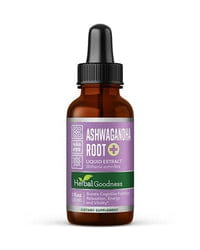
Some herbal apothecaries will stock potent preparations like Ashwagandha Root Liquid Extract - Organic - Energy & Mood, prized for both its adaptogenic qualities and clarity around sourcing.
Questions Herbalists Welcome
- What relationship do you have with your ashwagandha suppliers?
- How do you ensure the quality of each batch?
- Are educational resources available for learning more about adaptogens?
What to Ask Before You Buy: Ensuring Traceability and Quality
Regardless of which community route you choose, informed purchasing is key to a satisfying experience. Here are some simple but powerful questions to ask:
For all sellers and channels:
- Where and how was this ashwagandha grown?
- When was it harvested, and how has it been stored?
- Is there third-party testing for product purity?
- What parts of the plant are used (root, leaf, both)?
- What steps are taken for sustainability?
Additional Considerations:
- Packaging: Is it eco-friendly or reusable?
- Labeling: Is all ingredient and potency information transparent?
- Community Story: Does the seller emphasize relationships with growers and ethical harvesting?
To broaden your herbal collection while ensuring clean, bulk sourcing, Bulk Herbs & Roots - Organic 4oz Bags - Herbal Tea and Bulk Loose Leaf Teas & Tisanes - Organic 4oz - Herbal Wellness Teas offer transparency, variety, and sustainable options.
Community Sourcing: Strengthening Wellness Connections
Finding ashwagandha through these community routes is about more than the supplement itself—it's an act of participating in a larger movement advocating for transparency, sustainability, and shared knowledge. Whether you join a bulk-buy group, visit a farmers market, or get to know your neighborhood herbalist, you’re contributing to deeper connections within your locality. These channels allow you to appreciate the journey of ashwagandha from soil to supplement while learning from people passionate about plant-based wellness.
If you also want to broaden your approach to wellness, botanicals such as Moringa Leaf Extract - Organic 1oz 15X Liquid Extract - Immunity & Wellbeing and Soursop Leaf Graviola Extract - - Organic 15X Liquid Extract - Cell Renew & Immunity are sometimes featured by herbalists and at markets.
Safe and Respectful Sourcing
As you explore these channels, remember:
- Always ask questions about sourcing and quality.
- Respect the expertise and time of local growers and herbalists.
- Share your own knowledge and feedback with the community.
These collective efforts ensure that ashwagandha remains a resource to be valued for generations to come.
FAQs:
- How do I find local ashwagandha co-ops?
Start by searching for natural food co-ops or wellness collectives in your area. Many offer newsletters or community boards listing available herbs. You can also ask at farmers markets or local apothecaries if they know of any active co-ops sourcing ashwagandha.
- Is ashwagandha from bulk-buy groups as reliable as store-bought options?
Bulk-buy groups can offer equally high-quality ashwagandha when sourced from reputable growers and accompanied by traceability documentation. Always ask for batch information or any available lab testing, and communicate expectations clearly within the group.
- What product formats of ashwagandha are available through community channels?
Community sources may offer ashwagandha as dried roots, powders, tinctures, teas, or in handcrafted blends. Availability depends on local growers and the season, so check with each channel for current options.
- How can I verify the quality of ashwagandha from a farmers market?
Ask the grower or seller about their cultivation practices, harvesting times, and any third-party testing. Requesting details about storage and batch turnover also helps ensure freshness and care.
- Are there risks to buying herbal supplements through informal community groups?
As with any supplement source, ensure transparency and traceability by asking detailed questions. Vet organizers and suppliers for reputation and quality, and be proactive about confirming storage and handling practices.
- Can local herbalists provide guidance on using ashwagandha?
Yes, experienced herbalists often offer personalized suggestions, guidance on appropriate use, and education on the tradition surrounding ashwagandha. Many welcome questions and provide resources for further learning.
Author Name:
Herbal Goodness Editorial Team
Author Bio:
The Herbal Goodness Editorial Team specializes in holistic health and superfoods, blending science and nature to educate and empower our community.
References:
Introducing Graviola to Young Taste Buds: Fun, Family-Friendly Flavor Exploration
Graviola in the Classroom and at Home: Creative Activities to Teach Kids About Tropical Plants
Why Social Impact Matters in Plant-Based Wellness
Share this
Popular posts


FAQs
1. What are the main benefits of drinking bamboo leaf tea?
Drinking bamboo leaf tea supports hydration, relaxation, skin wellness, and antioxidant balance.
2. What is bamboo leaf extract used for?
It’s used for general body wellness, skin elasticity, hair and nail support, and overall vitality.
3. Can bamboo leaf help with skin care and body wellness?
Yes, bamboo leaf is rich in silica and antioxidants, which promote healthy skin, strong nails, and a youthful glow.
4. What forms of bamboo leaf are available?
You can find dried bamboo leaf, powder, extract, drops, oil, and bamboo leaf green tea.
5. Are there any side effects of bamboo leaf?
Bamboo leaf is generally safe when consumed in moderation. Always consult your healthcare provider before starting any new herbal supplement.