





Community Guide to Herbal Platelet and Vitality Supplements

Curiosity about herbal blends, especially the so-called 'platelet & vitality' duos, is on the rise. Many people see these products paired together online, in stores, or in wellness circles. But interest often comes with questions: How do these duos actually taste? What sets one product apart from another? How can you evaluate teas, tinctures, or powders if you’re not an expert? Hosting a community workshop can answer these questions—without medical claims or marketing hype. This guide walks you through planning an informative, approachable event to taste, track, and talk about herbal platelet & vitality duos. You'll gain ideas for safe sampling, label literacy, quality sourcing signals, journaling prompts, and conversation starters to help participants become thoughtful, empowered consumers.
Planning Your Community Herbal Platelet & Vitality Duo Workshop
A successful workshop starts with a clear plan and a welcoming approach. The goal is to provide a supportive, educational space for participants to taste and compare commonly bundled herbal duos, learn about label details, and exchange honest impressions.
Setting a Comfortable Atmosphere
- Choose an intimate space: A small kitchen, community room, or comfy living area works well for groups of 4–10.
- Arrange a round table: Make all samples and labels easily accessible so everyone can participate.
- Set out water and palate cleansers: Keep water, crackers, or gentle fruit on hand to clear palates between tastings.
- Welcome diverse experiences: Encourage everyone to share, whether they’re herbal newbies or seasoned drinkers.
Approaching Tasting: Herbal Teas, Tinctures, and Powders
Most herbal 'platelet & vitality' duos come in tea, tincture, or powder form. Each offers a different sensory experience and sampling approach.
Safely Sampling Different Formats
- Teas: Brew according to label directions, ideally in glass pots so color and aroma are visible. Offer unsweetened versions first, letting everyone try the pure herb blend. Sampling freshly-brewed Soursop Leaf Tea | Organic Graviola 24 Bags | Soursop Tea Benefits for Immunity & Wellness can be a great starting point for those interested in immune support teas.
- Tinctures: Use calibrated droppers. Start with the minimum labeled serving—in water, if possible—to observe flavor plainly without additives. Exploring Blood Platelet Support with Papaya Leaf | Organic 15X Liquid Extract in this way helps participants appreciate its concentrated nature.
- Powders: Stir labeled servings into water, juice, or a light smoothie base. Let participants sample with small spoons or tasting cups. For instance, adding a portion of powder from a Raw Sea Moss 8oz Bag | St. Lucia Wildcrafted – Nature's Multivitamin can introduce a new layer to the tasting experience.
Always clarify that sampling is voluntary and that anyone with sensitivities or allergies should refrain from trying unfamiliar herbs.
Tasting Tips for All Formats
- Smell first, then taste—aroma often hints at potency.
- Note mouthfeel: Is the tea smooth, gritty, astringent, or mellow?
- Observe aftertaste: Does it linger, fade quickly, or evolve?
- Compare color and clarity: Vibrant hues may suggest freshness; cloudiness isn't always a negative, but clarity often appeals to buyers.
Reading Labels and Spotting Sourcing Signals
With dozens of brands touting their own herbal 'duos,' label literacy is essential for smart evaluating. Focus on details that give meaningful clues, steering clear of hype or vague promises.
Key Aspects to Look For on Herbal Labels
- Full ingredient disclosure: Are both herbs clearly listed? Avoid blends with unnamed “proprietary” mixes if you want control over what you sample.
- Part of plant used: Does the label specify leaf, root, fruit, or flower? Each part yields different flavors and concentrations. For example, the Organic Papaya Leaf Tea | 24 Premium Bags – Caffeine-Free product specifies leaf, giving confidence about what’s inside.
- Country of origin: Many consumers prioritize transparency and traceability. This information adds context.
- Certifications: Organic, fair-trade, and non-GMO stamps signal efforts toward quality but do not guarantee a better taste or effect.
- Extraction or brewing details: Tinctures and powders often include info on ratios (herb to liquid), extraction methods (alcohol or glycerin), or drying practices.
Conversation Starters for Label Reading
- What label details make you trust one product over another?
- Are you surprised by any listed ingredients?
- Which certifications do you personally value, and why?
- How does package design or phrasing influence your first impressions?
Sourcing Quality: What to Ask and Observe
Today’s savvy consumers want more than just pretty packaging. During your workshop, encourage questions about product quality and sourcing. Common signals can guide your group to more reliable choices.
Clues for Thoughtful Herbal Sourcing
- Transparent supply chain: Brands that share sourcing or farmer partnerships offer more context and trust. Blood Platelet Plus Capsules 20X | 60ct – Advanced Platelet Formula clearly states ingredient sourcing and certifications, helping you gauge reliability.
- Harvest timing: Some herbs are said to be best when harvested at particular stages; labels or brand stories may mention this.
- Manufacturing standards: Does the provider mention Good Manufacturing Practices (GMP) or third-party auditing?
- Batch codes and expiration dates: Essential for freshness and traceability. Short shelf lives aren’t always bad—they may reflect minimal processing—but should always be disclosed.
Discussion Prompts on Sourcing
- What info have you noticed on sourcing that matters to you?
- Have you had a better sensory experience with certain brands?
- Are local options stronger, milder, or more appealing than imported ones?
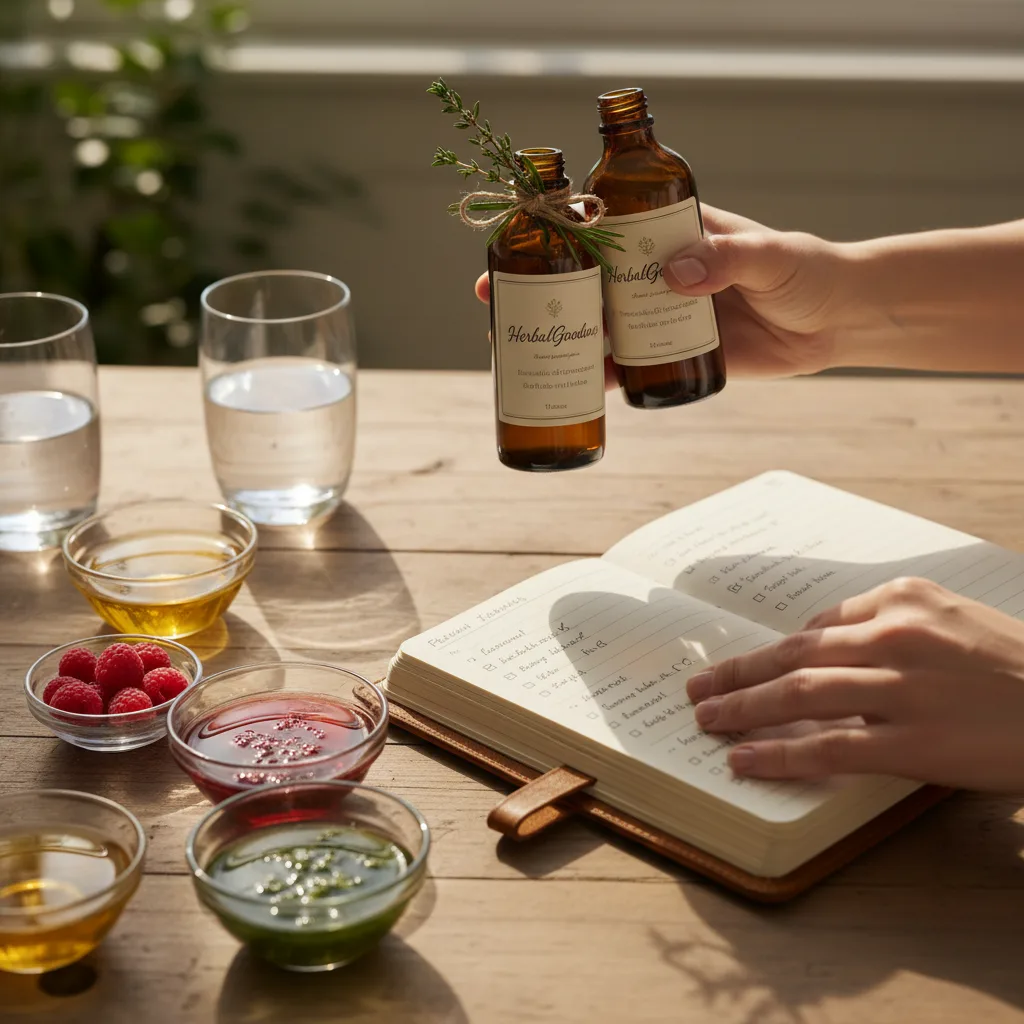
Safe Sampling Guidelines for Community Events
Safety is the foundation of workshop credibility. Without making or implying medical claims about herbal 'platelet & vitality' duos, you can still promote thoughtful, mindful tasting.
Key Safety Practices
- Disclose all ingredients: Make ingredient lists available for every sample, printed or clearly displayed.
- Encourage self-awareness: Remind participants to sample only what they’re comfortable with, especially if new to herbal products.
- Limit to small servings: Start with a fraction of recommended servings; multiple samples may amplify the effects of mild herbs. Make use of clearly labeled options, such as Papaya Leaf Extract 10X Capsules 600mg | Platelet & Digestive Aid, to help participants understand portion size and formulation.
- Offer alternatives: Water, non-herbal teas, or plain snacks give options for those choosing not to participate in some tastings. Having caffeine-free herbal teas like Organic Papaya Leaf Tea | 24 Premium Bags – Caffeine-Free ensures inclusivity for every participant.
- Record everyone’s experience: Journals (even informal ones) help track sensory responses and prevent future surprises.

Journaling for Herbal Product Evaluation
Journaling adds depth and mindfulness to tasting sessions. By tracking notes on flavor, aroma, texture, and other observations, participants build their own reference for future buying decisions.
Sample Journaling Prompts
- What are your first impressions of the aroma?
- How would you describe the appearance? (Color, clarity, consistency)
- What stands out most about the flavor in the first sip or taste?
- Is there an aftertaste? How long does it last, and how does it feel?
- Would you choose this product again based on taste alone?
- What, if anything, about the packaging or sourcing information impacted your feelings?
Some groups like to add fun rating scales (from “barely tolerable” to “delicious”) or emoji stickers to personalize feedback.
Conversation Starters to Spark Honest Dialogue
Workshops thrive when participants feel encouraged to swap real opinions and insights. Stimulating conversations provide different perspectives, fueling more thoughtful purchases down the road.
Connecting Through Questions
- How did the taste of these duos compare to what you expected?
- Did sampling different formats (tea, tincture, powder) change your preferences?
- What was most surprising—flavor, transparency, or product quality?
- How do you feel about non-traditional herbal blends vs. classic pairings?
- Which qualities would make you buy or skip a 'platelet & vitality' duo next time?

Wrapping Up: Empower Your Community, Not the Hype
Your herbal platelet & vitality duo workshop isn’t about buzzing trends; it’s about learning, discerning, and connecting. By tasting mindfully, reading labels, discussing sourcing, and journaling honestly, you empower every participant to make choices rooted in personal experience. Herbal Goodness encourages mindful evaluation and informed community conversations—setting the stage for a more transparent, informed herbal marketplace.
Frequently Asked Questions
Question 1: What are herbal platelet & vitality duos?
Answer: These are combinations of herbal products that are often marketed together to support wellness, especially products like organic teas, tinctures, or powders. Samples such as Soursop Leaf Tea and Blood Platelet Support with Papaya Leaf are commonly discussed at workshops.
Question 2: How do you safely sample herbal blends in a community setting?
Answer: Always provide clear ingredient lists, use small servings, and encourage participants to try products like Blood Platelet Plus Capsules only if they're comfortable. Provide palate cleansers and water between tastings.
Question 3: What label details should I look for on herbal products?
Answer: Look for full ingredient disclosure, part of the plant used, country of origin, certifications (like organic), and extraction methods. Options such as Organic Papaya Leaf Tea provide transparency with their labeling.
Question 4: Can I participate if I don't want to sample all the herbal duos?
Answer: Absolutely! Workshops should always offer caffeine-free options and alternatives like water or snacks, making sure everyone feels included regardless of sampling choices.
Question 5: How can I track my impressions of different products during the workshop?
Answer: Bring a tasting journal to write down thoughts on aroma, flavor, and aftertaste. It's helpful to note experiences with various products, such as Raw Sea Moss, so you can remember what you liked later on.
Question 6: Are there quality differences among herbal tea and capsule products?
Answer: Yes, quality often varies based on sourcing, transparency, and formulation. Trusted choices like Blood Platelet Plus Capsules or Papaya Leaf Extract 10X help you gauge standards by clear sourcing and ingredient labeling.
Question 7: Why is traceability important for herbal blends?
Answer: Traceability lets consumers know where their herbs come from, under what standards they were produced, and their freshness. Labels on products like Organic Papaya Leaf Tea make it easier to make informed decisions.
Interested in learning more about tasting and comparing herbal products? Keep exploring discussions and workshops in your community to build on your knowledge and make informed choices.
About the Author
Herbal Goodness Editorial Team
The Herbal Goodness Editorial Team specializes in holistic health and superfoods, blending science and nature to educate and empower our community.
Read more:
How Hair Growth Formulas Impact the Environment: Sourcing, Extraction & Packaging
How to Find Real Organic Herbal Supplements for Digestive Health
How to Find Small-Batch Organic Herbal Supplement Manufacturers
How to Make Gentle Alcohol-Free Herbal Drops Inspired by Liver-Support Traditions
How to Safely Use a 15X Beauty Builder Liquid Extract at Home
Share this

Popular posts


FAQs
1. What are the main benefits of drinking bamboo leaf tea?
Drinking bamboo leaf tea supports hydration, relaxation, skin wellness, and antioxidant balance.
2. What is bamboo leaf extract used for?
It’s used for general body wellness, skin elasticity, hair and nail support, and overall vitality.
3. Can bamboo leaf help with skin care and body wellness?
Yes, bamboo leaf is rich in silica and antioxidants, which promote healthy skin, strong nails, and a youthful glow.
4. What forms of bamboo leaf are available?
You can find dried bamboo leaf, powder, extract, drops, oil, and bamboo leaf green tea.
5. Are there any side effects of bamboo leaf?
Bamboo leaf is generally safe when consumed in moderation. Always consult your healthcare provider before starting any new herbal supplement.