





Bulk Herbal Capsules: Shell Materials, Fillers, and Stability Essentials

For anyone interested in herbal supplements—whether as a retailer, small-batch formulator, or a conscientious consumer—understanding the composition and durability of bulk herbal capsules can be transformative. This in-depth educational guide explores the anatomy of herbal supplement capsules, focusing on shell materials (vegan and gelatin), common excipients and fillers, and shelf stability factors such as moisture content, particle size, and packaging options. With this knowledge, you can make more confident decisions when considering wholesale lots, ensuring both quality and integrity for your herbal capsule ventures.
Anatomy of Bulk Herbal Capsule Supplements
Herbal capsules appear simple on the surface, but they’re the product of thoughtful formulation and precise manufacturing. Whether buying them for retail shelves or small-batch formulations, it’s essential to understand what’s inside—and how that composition affects performance and longevity.
Shell Materials: Vegan Versus Gelatin Capsules
The shell of a capsule serves as the protective vessel, and its materials vary based on intended use and consumer preferences:
-
Gelatin Capsules: Traditionally, most capsules are made from animal-derived gelatin, valued for its smooth texture, reliable disintegration, and cost-effectiveness. Gelatin is typically sourced from bovine or porcine collagen. It dissolves readily in the digestive tract, making it a long-standing option in the supplement industry.
-
Vegan Capsules (Vegetable-Based): Increasing demand for plant-based, ethical options has led to the popularity of vegan capsules, often composed of hydroxypropyl methylcellulose (HPMC) or pullulan, derived from plant fibers or fermentations. These capsules are free from animal products, cater to specialized dietary needs, and provide excellent stability under a range of temperatures and humidities.
Considerations for Bulk Purchases
- Compatibility: Some herbal powders interact differently with gelatin or vegetable-based shells. Testing ensures proper fill, seal, and shelf stability.
- End-Consumer Preferences: Vegan options appeal to vegetarian, vegan, or religious dietary requirements and may expand your addressable market.
- Disintegration Time: Both shell types dissolve at body temperature, but minor differences in structure can affect ingredient release rates.
Inside the Capsule: Powders and Excipients
Herbal capsules contain more than ground herbs. Excipients, known as fillers, flow agents, or binders, play a supporting role in capsule formation, product consistency, and ease of manufacturing.
Common Excipients and Their Purposes
- Fillers (e.g., rice flour, microcrystalline cellulose): Used to add volume, standardize capsule weight, and maintain proper density for uniform filling—especially with fine or low-bulk herbs.
- Flow Agents (e.g., magnesium stearate, silicon dioxide): Facilitate the smooth transfer of powder into capsules, reducing clumping and ensuring efficiency.
- Disintegrants: Help the capsule content disperse rapidly after swallowing, improving consistency in delivery.
Each excipient is carefully chosen to balance safety, function, and natural ingredient integrity. Some manufacturers focus on minimal excipients, leading to "clean label" formulations. When evaluating bulk lots, reviewing the excipient list is crucial; retailers and formulators often prioritize transparency and allergen-free or non-GMO sourcing.
Bulk Capsule Evaluation: What to Look For
- Uniformity: The powder inside should flow evenly and fill every capsule consistently. Poorly chosen fillers may cause clumping or poor disintegration.
- Transparency: Inspect product labels and certifications to verify excipient sources and amounts.
- Specific Needs: For custom formulation, assess excipient compatibility with your chosen herbs—for instance, some botanical powders may require moisture balancing or anti-caking agents.
For those looking to go beyond standard fillers and seek potent plant power, Papaya Leaf Extract 10X - 600mg Capsule - Platelet & Digestive Aid is an example of a clean-label supplement that prioritizes transparent sourcing and robust botanical benefits.
Interested in sourcing herbal capsules in bulk? Click here to fill our form.
Factors That Influence Capsule Shelf Stability and Handling
Buying and handling herbal capsules in bulk demand a careful understanding of factors that impact shelf stability. The integrity of the herbal extract—and the capsule itself—can be sensitive to environment and storage conditions.
Moisture and Humidity Management
Moisture is one of the most significant variables affecting shelf stability:
- Gelatin capsules are moderately sensitive to excess moisture, which can lead to sticking, softening, or premature deterioration.
- Vegan (HPMC and pullulan) capsules are generally more stable across a range of humidity levels, resisting warping or brittleness caused by fluctuating environmental conditions.
Best Handling Practices:
- Store capsules in a dry, cool place, away from direct sunlight.
- Avoid exposure to high humidity during handling, especially when filling or repackaging.
- Consider desiccant packs or moisture-absorbing inserts for optimal storage, particularly in larger wholesale batches.
Maintaining optimal capsule packaging bulk over time is vital. Using airtight, opaque packaging benefits both stability and potency, whether you’re managing herbal supplement capsule anatomy for retail or long-term storage.
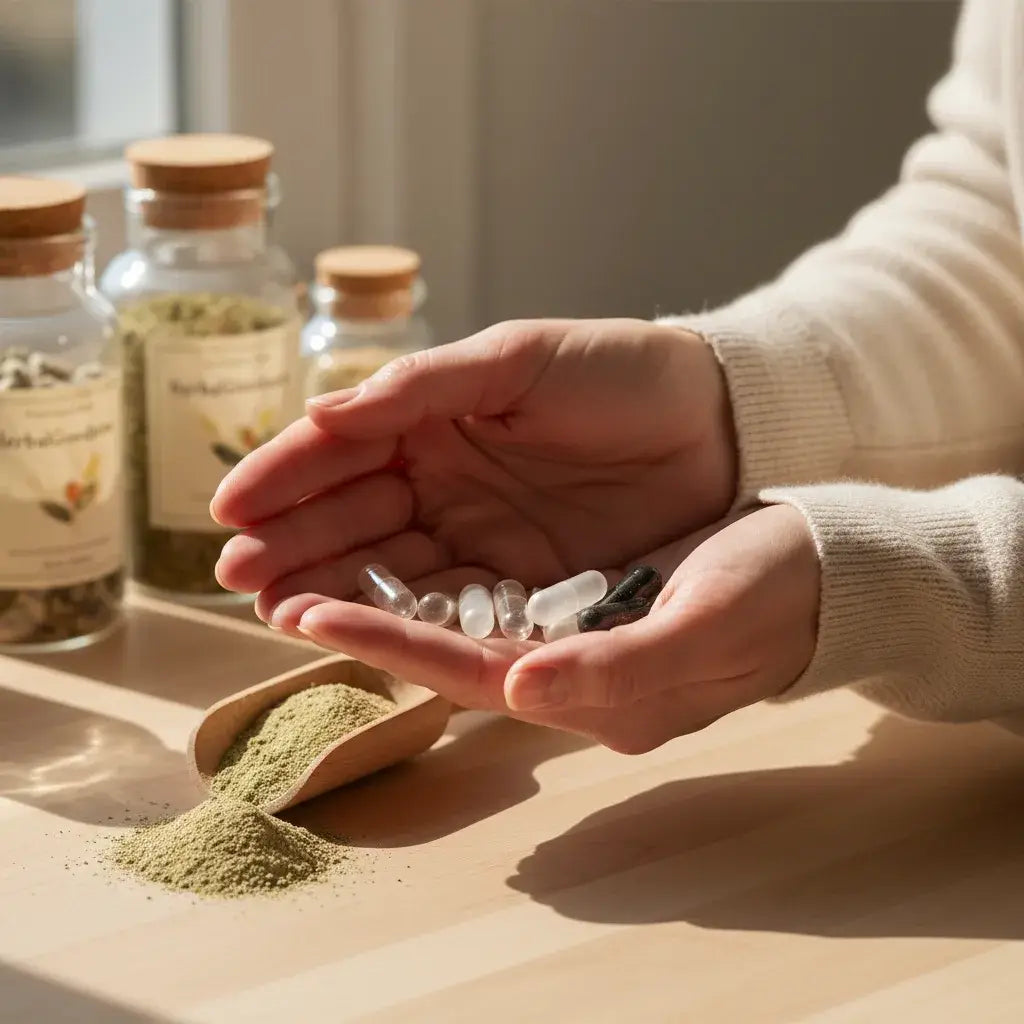
Particle Size and Its Role in Capsule Quality
The fineness of the herbal powder (particle size) can affect several aspects of the finished capsule:
- Consistency: Finely milled powders flow more uniformly, reducing clogging during encapsulation.
- Disintegration: Smaller particles may dissolve more rapidly in the digestive tract, supporting comfortable ingestion.
- Shelf Stability: Very fine powders may be more susceptible to moisture; proper excipient or capsule choice can mitigate this.
Suppliers usually provide technical data on particle size. If you’re crafting capsules from raw bulk powders, sieving and testing methods help confirm uniformity for consistent product outputs.
For example, choosing a supplement like Blood Platelet Plus - 60/600mg 20X Strength Capsule - Platelet Boost gives peace of mind with its consistency in both particle size and superior shelf stability when compared to lower-quality, less-controlled products.
Packaging Types and Shelf Life Longevity
How you package and store bulk herbal capsules directly impacts their longevity, potency, and consumer appeal. Consider the following:
- Airtight Containers: Minimize oxidation and preserve freshness. Resealable bags, mylar pouches, or HDPE bottles are popular.
- Opaque Packaging: Protects capsules from light exposure, which can gradually alter color, aroma, or the integrity of both shell and contents.
- Batch Coding: Ensures traceability for quality assurance and allows you to monitor first-in, first-out inventory rotation.
For wholesale buyers and formulators, request documentation about packaging standards and shelf life under typical storage scenarios. Many reputable brands, such as Herbal Goodness, invest in packaging solutions tailored to natural ingredient preservation.
Simple Quality Checks for Bulk Capsule Buyers
Before integrating a new batch of herbal capsules into your supply chain or formulation repertoire, a few on-hand evaluations can be insightful:
Visual and Physical Inspection
- Uniform Color and Fill Level: Capsules in the batch should look visually identical with no speckling, mottling, or uneven fill lines.
- Shell Integrity: A brittle, cracked, or soft capsule may indicate excess moisture, poor handling, or aged stock.
Selecting quality-fortified products such as Graviola Soursop Leaf Extract – 10X 60/600mg Capsules - Cell Renew & Immunity ensures reliable ingredient quality and robust encapsulation, confirmed by a visual inspection.
Shake and Drop Test
- Sound: Gently shaking a handful of capsules should not produce excessive rattling or powder trickling. This could signal compromised shells or inadequate closure.
- Impact: Dropping from a modest height (onto a soft surface) should not cause breakage—a useful test for confirming shell resilience without damaging the lot.
Odor Assessment
- Freshness: Herbal aromas should be clean and true to the source. Off-odors can indicate moisture damage or oxidation of the inner powder.
Moisture Testing (Advanced)
For serious formulators or those with access to simple lab equipment, measuring loss-on-drying or using basic moisture meters can indicate whether capsules are within safe moisture limits for shelf stability. Trustworthy formulas like Papaya Leaf Extract - Capsules 600mg - 10X Strength typically document moisture tests for batch integrity.

Sourcing Considerations and Specifications
When selecting bulk herbal capsules, here are key specification criteria to discuss with vendors or manufacturers:
- Material Certificates: Confirm the origin (vegan vs. animal-based), allergen status, and compliance certifications (non-GMO, gluten-free, etc.).
- Batch Documentation: Request batch-specific lab testing for moisture content, particle size, and botanical purity.
- Packing and Expiry Dating: Understand packaging formats, shelf life guarantees, and practices for tracking expiration.
- Minimum Quantity and Storage Guidance: Some suppliers offer guidance for best handling and storage, vital for maintaining quality in high-volume lots.
If you seek tailored wellness solutions and trust in plant-based formulations, our Bulk Loose Leaf Teas & Tisanes - Organic 4oz - Herbal Wellness Teas and bulk herbal capsule ranges bring ingredient traceability and professional assurance to your operations.
If you're looking for a trusted supplier for bulk herbal capsules and botanicals, click here to fill our form and connect with our wholesale team.
Making Informed Decisions as a Retailer or Maker
Armed with knowledge about capsule shells, excipients, stability factors, and practical evaluation techniques, buyers and formulators can make empowered choices. Small-batch makers can trial sample sizes, documenting their handling experiences before scaling up. Retailers can align sourcing with customer preferences and quality standards. For everyone in the herbal supplement supply chain, prioritizing transparency, material quality, and thoughtful storage ultimately supports a trustworthy, consistent product experience.
Conclusion: Confidence in Bulk Capsule Selection
Understanding the building blocks of bulk herbal capsules—and how to assess them—gives retailers, formulators, and curious consumers the foundation for responsible sourcing and reliable product offerings. By scrutinizing shell materials, evaluating excipients, and focusing on shelf stability factors such as moisture and packaging, you place yourself in the best position to ensure product integrity from shipment to shelf.
Ready to explore our bulk herbal capsule options? Click here to fill our form.
FAQs:
- What are the main differences between gelatin and vegan capsule shells?
Gelatin capsules use animal-sourced collagen, offering smooth texture and traditional stability, while vegan capsules—typically made from HPMC or pullulan—are plant-based and provide stable performance under a wider range of environmental conditions. Choice depends on consumer preference and dietary requirements.
- Why are fillers or excipients used in herbal capsules?
Fillers and excipients ensure consistent fill weight, aid in powder flow during manufacturing, and help maintain capsule structural integrity. They support manufacturing efficiency and allow precise dosing, especially for fine or low-bulk herbal powders.
- How can moisture affect shelf stability of herbal capsules?
Excess moisture can cause gelatin capsules to stick or degrade and may lead to clumping or reduced shelf stability in both gelatin and vegan capsules. Proper storage and the use of moisture-resistant packaging are essential to preserve capsule quality.
- What are simple quality checks for bulk herbal capsules?
Visual inspection of color and fill, checking for uniform shell integrity, performing shake/drop tests for durability, and assessing aroma for freshness are all recommended. More advanced checks include moisture content testing.
- What packaging is best for maintaining capsule shelf life?
Airtight, opaque containers protect against humidity, oxidation, and light exposure. Use packaging with batch coding for traceability and consider adding desiccants to further control moisture.
- How does particle size affect capsule performance?
Powders with uniform, appropriately fine particle size flow better during encapsulation, dissolve more consistently, and support even fill. They also play a role in overall shelf stability by affecting susceptibility to moisture.
- What quality documentation should buyers request from capsule suppliers?
Buyers should ask for material certificates, lab test results for moisture and particle size, botanical purity verification, and details on packaging formats as well as shelf life and storage recommendations.
Author Name:
Herbal Goodness Editorial Team
Author Bio:
The Herbal Goodness Editorial Team specializes in holistic health and superfoods, blending science and nature to educate and empower our community.
References:
Introducing Graviola to Young Taste Buds: Fun, Family-Friendly Flavor Exploration
Graviola in the Classroom and at Home: Creative Activities to Teach Kids About Tropical Plants
Why Social Impact Matters in Plant-Based Wellness
Share this
Popular posts


FAQs
1. What are the main benefits of drinking bamboo leaf tea?
Drinking bamboo leaf tea supports hydration, relaxation, skin wellness, and antioxidant balance.
2. What is bamboo leaf extract used for?
It’s used for general body wellness, skin elasticity, hair and nail support, and overall vitality.
3. Can bamboo leaf help with skin care and body wellness?
Yes, bamboo leaf is rich in silica and antioxidants, which promote healthy skin, strong nails, and a youthful glow.
4. What forms of bamboo leaf are available?
You can find dried bamboo leaf, powder, extract, drops, oil, and bamboo leaf green tea.
5. Are there any side effects of bamboo leaf?
Bamboo leaf is generally safe when consumed in moderation. Always consult your healthcare provider before starting any new herbal supplement.