

Best Organic Papaya Seed Powder for Preserving Natural Enzymes
The curiosity surrounding papaya seed powder continues to grow, inspiring kitchen enthusiasts to experiment with its distinct flavor and potential culinary advantages. If you’re new to using papaya seed powder or looking for fresh ways to include it in your meals, a key aspect to know is that how you prepare and store it can influence its natural enzyme content. This guide unpacks why temperature matters, shows you how to get the most from papaya seed powder in raw or minimally processed recipes, and teaches you what to look for on labels and in your kitchen so you can make the most out of this unique ingredient.
Understanding Papaya Seed Powder and Its Enzymes
Papaya seed powder is made by drying and grinding the seeds of ripe papayas. Traditionally, papaya seeds have long been valued for their bold, peppery flavor and potential as a culinary ingredient in tropical kitchens. What sets them apart is their content of natural compounds — most notably, a group of enzymes. Enzymes in foods are natural catalysts that influence how foods interact, break down, and support digestion. In papaya seed powder, one of the star enzymes is papain, known for its powerful proteolytic (protein-breaking) capabilities.
What Are Enzymes in Papaya Seeds?
Enzymes are delicate proteins that spark biochemical reactions, often contributing to the natural breakdown of proteins and other food molecules. Papain is the most commonly appreciated enzyme in papaya seeds, and it works best in certain temperature ranges. When the powder is made gently — without excessive heat — these enzymes remain more active. That’s why many people who choose papaya seed powder for its enzymatic qualities are careful about how they use, mix, and store it.
Why Temperature Matters for Enzyme Activity
One of the most important things to remember about papaya seed powder enzymes is that they are sensitive to heat. High temperatures — typically above 120°F (49°C) — can change enzyme structure in a process known as denaturation, which affects their natural activity.
How Heat Impacts Enzyme Activity:
- Mild warmth (such as room temperature) preserves most enzymatic action.
- Cooking, baking, or even hot liquids (like boiling water) can alter enzymes, reducing their activity.
- Powder that is heat-processed during production may have less enzyme activity from the start.
This doesn’t mean heat disables all the qualities of papaya seed powder — its flavor and texture remain — but if you want to experience its natural enzymatic potential, using it in no-cook or low-heat dishes makes a real difference.
No‑Cook Recipes and Culinary Ideas for Papaya Seed Powder
You don’t need to turn on your oven or stove to bring papaya seed powder into your daily meals. These practical, creative kitchen approaches protect its enzymes while letting its savory, peppery notes shine.
Smoothies and Shakes
Blend papaya seed powder into your favorite smoothie mixture for an extra kick. Its robust, earthy flavor layers well with tropical fruits like mango, pineapple, and, of course, fresh papaya. Here’s a simple starting recipe:
Tropical Papaya Seed Smoothie
- 1 tbsp papaya seed powder
- 1 cup chilled coconut water or plain water
- ½ cup frozen papaya or mango
- 1 frozen banana
- Optional: a handful of spinach or a squeeze of fresh lime Blend until smooth and creamy. Add ice for a colder texture. For an alternative source of papain that also blends well into beverages, try adding a serving of Organic Papaya Seed Powder 4oz | Gut Cleanse & Digestive Support to your next smoothie bowl or shake.
No-Cook Dressings and Marinades
Papaya seed powder dissolves easily into dressings and marinades, adding a tangy, bold base. Mix a pinch into vinaigrettes for salads, toss with lemon juice and olive oil, or stir into yogurt-based dips.
Simple Papaya Seed Vinaigrette
- ½ tsp papaya seed powder
- 2 tbsp extra-virgin olive oil
- 1 tbsp apple cider vinegar or lemon juice
- Salt and freshly ground black pepper to taste Shake vigorously in a jar. Drizzle over greens just before serving. If you enjoy the benefits of raw plant enzymes, consider supporting your wellness routine with Papaya Seed Powder Capsules 60ct | 600mg – Gut & Colon Cleanse Support as a convenient supplement option.
Sprinkle on Raw Dishes
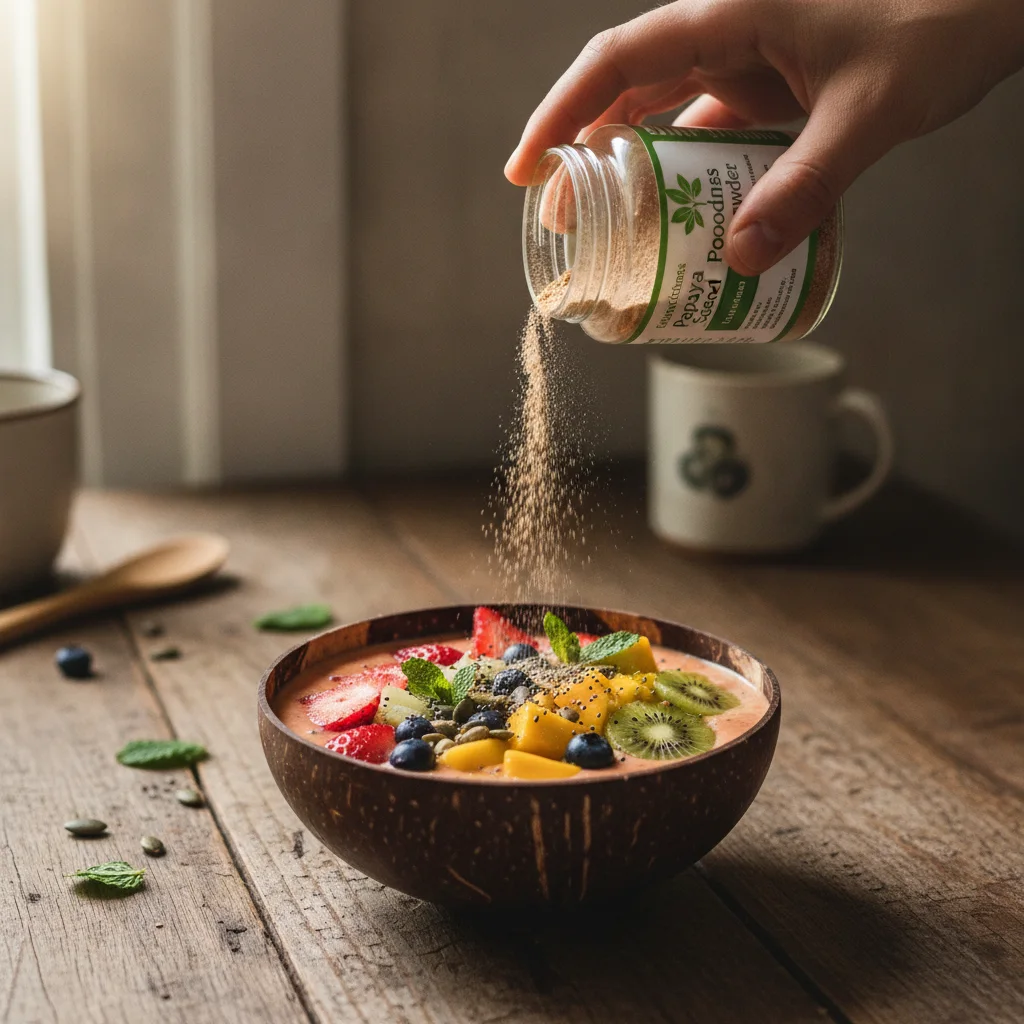
Sprinkling papaya seed powder over finished cold dishes allows you to add texture and a peppery flair without affecting its enzyme activity. Try it on:
- Sliced avocado with a drizzle of lemon
- Fresh tomato salads
- Chilled ceviche (add just before serving)
- Hummus or plant-based dips
For an extra digestion boost, Green Papaya Fruit Extract - 4X 60/600mg Capsule - Digestion Aid provides a potent dose of papaya-derived enzymes alongside your favorite raw dishes.
Enzyme-Rich Energy Bites
Mix papaya seed powder into energy bites for a quick, enzyme-rich snack. No heat required!
Papaya Power Bites
- 1 cup rolled oats
- 2 tbsp nut butter
- 1 tbsp honey or maple syrup
- 1 tsp papaya seed powder
- ¼ cup chopped dried fruit Combine all ingredients, form into balls, and refrigerate until firm. As an added benefit, using 15 Day Detox Capsules | Papaya Enzyme & Papaya Seed Powder | Natural Full-Body Cleanse can help naturally support your body's cleansing process while you enjoy creative, no-cook snacks.
Beverage Blends Without the Heat
Beverages are a quick win for using papaya seed powder without compromising its enzymes. Stir into room-temperature water with a splash of citrus, or blend into fresh juices for a subtle bite. Looking to enhance gut health further? Supplement your drink routine with Organic Papaya Seed Extract 15X Liquid | Gut & Colon Cleanse Support for a liquid option that’s gentle on enzymes.
Papaya Seed Citrus Refresher
- ½ tsp papaya seed powder
- 12 oz cold sparkling water
- Juice of half an orange or lime Stir well and enjoy immediately.
Why Avoid Hot Liquids?
Many people are tempted to stir botanical powders into teas or coffees. With papaya seed powder, this can significantly impact enzyme integrity. For maximum enzyme presence, keep it out of hot beverages — instead, use it in cool drinks, add it to chilled overnight oats after cooking, or finish smoothie bowls with a sprinkle. For tea lovers seeking digestive benefits without heat, opt for Organic Papaya Leaf Tea | 24 Premium Bags – Caffeine-Free which retains more delicate plant compounds under gentle steeping.
Reading Product Labels and Choosing Your Papaya Seed Powder
Not all papaya seed powders are produced alike. How they’re processed and packaged impacts both enzyme levels and culinary performance. When browsing products, subtle label clues can guide your choice.
What to Look For:
- Low-Temperature or Raw Processed: Seek out powders labeled as “raw” or “low-temperature dried.” These designations typically indicate less heat exposure, helping preserve enzymes.
- Fine Grind: A smooth, fine powder suspends better in liquids and blends easily into cold recipes.
- Ingredient List: Single-ingredient, 100% papaya seed powders ensure you get the natural experience (with no additives that might dilute the flavor or performance).
- Packaging: Airtight, opaque, and recyclable pouches help prevent oxidation and moisture, which also benefits enzyme preservation.
Herbal Goodness, for example, is known for offering responsibly sourced, quality-controlled superfood powders whose sourcing and processing are clearly described on their labels — a valuable consideration if enzyme preservation is your priority. If you’re looking for a larger supply, Organic Papaya Leaf Extract 16oz | 15X Liquid – Best Value Size offers more servings for those who use papaya enzymes regularly.
Storage Tips: Keeping Enzymes Safe
Proper storage is a practical way to prolong papaya seed powder’s freshness — and its enzyme activity.
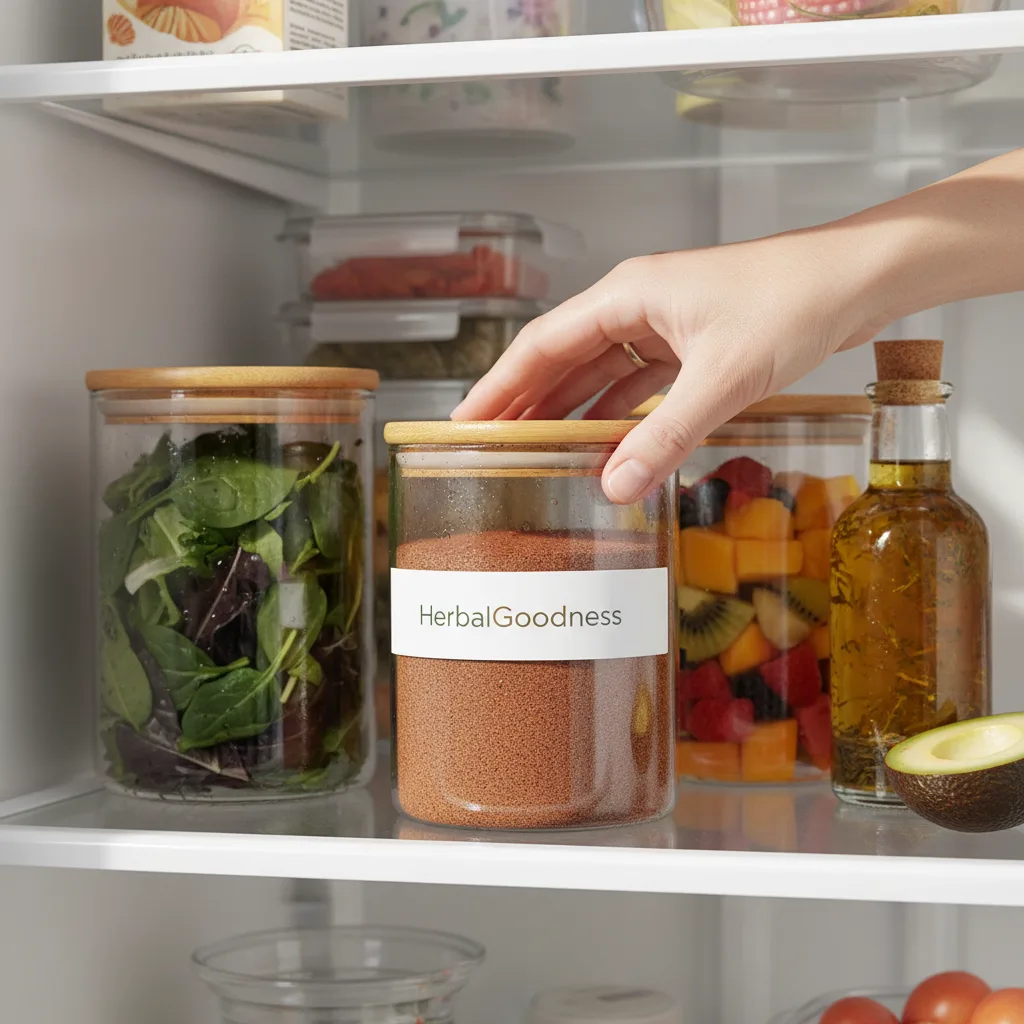
- Store in a cool, dry place: High temperatures and humidity can affect both flavor and enzyme stability. Keep your powder in a pantry or cupboard away from sunlight.
- Seal tightly after each use: Exposure to air can introduce moisture and speed up flavor changes. Ensure the pouch or jar is closed firmly.
- Use within recommended time: Most quality brands provide a “best by” date. Using the powder within this time frame supports the best culinary and enzyme experience.

Smart Ways to Experiment and Taste
Part of the fun with papaya seed powder is exploring how its flavor and properties show up in different meals. Once you understand how to avoid heat to keep enzymes at their best, you can start mixing and matching — try:
- Blending into nice creams (frozen blended fruit desserts)
- Swirling into cold soups or gazpacho just before serving
- Adding to raw granola or muesli mixes
- Incorporating into overnight soaked chia puddings
For even more digestive benefits, explore using Papaya Leaf Extract 10X Capsules 600mg | Platelet & Digestive Aid alongside your daily raw recipes for an added boost.
Summary: Unlocking the Potential of Papaya Seed Powder Without Cooking
With a little kitchen curiosity and a few key techniques, papaya seed powder becomes a versatile staple for those who prefer their foods raw, cold-processed, or gently handled. Whether you’re blending smoothies, tossing salads, or crafting homemade energy bites, preserving enzyme activity is all about temperature and process. By paying attention to labeling, choosing minimally processed powders, storing them correctly, and experimenting with no-cook recipes, you’ll enjoy both the taste and the full spectrum of this unique botanical pantry staple.
Frequently Asked Questions
Question 1: What is the best way to preserve papaya seed powder enzymes in recipes?
Answer: To keep maximum enzyme activity, use papaya seed powder in no-cook recipes like smoothies, energy bites, or salad dressings, and avoid adding it to hot dishes or beverages. You can also use products such as Organic Papaya Seed Powder 4oz | Gut Cleanse & Digestive Support for easy incorporation into cold recipes.
Question 2: Can papaya seed powder be used in hot drinks for health benefits?
Answer: While the nutrients remain, heat can reduce enzyme activity. For enzyme support, stir papaya seed powder into cold or room-temperature beverages. For a tea-based approach, consider Organic Papaya Leaf Tea | 24 Premium Bags – Caffeine-Free, which can be gently steeped for a milder temperature.
Question 3: How do I store papaya seed powder to keep it fresh?
Answer: Store your powder in a cool, dry place away from sunlight, and ensure the pouch or jar is firmly sealed after each use. Using a quality product like Papaya Seed Powder Capsules 60ct | 600mg – Gut & Colon Cleanse Support also ensures ease of storage.
Question 4: Does papaya seed powder taste spicy?
Answer: Yes, papaya seed powder has a bold, peppery flavor, adding a unique kick to raw salads, smoothies, or vinaigrettes. If you want a milder alternative with digestive benefits, try Green Papaya Fruit Extract - 4X 60/600mg Capsule - Digestion Aid.
Question 5: Are there concentrated supplements for papaya enzymes?
Answer: Yes, you can supplement with 15 Day Detox Capsules | Papaya Enzyme & Papaya Seed Powder | Natural Full-Body Cleanse or Organic Papaya Seed Extract 15X Liquid | Gut & Colon Cleanse Support for concentrated enzymatic benefits.
Question 6: What should I look for on papaya seed powder labels?
Answer: Look for key terms such as 'raw' or 'low-temperature dried' to ensure higher enzyme activity, and check that it’s a single-ingredient product like Organic Papaya Seed Powder 4oz | Gut Cleanse & Digestive Support.
Question 7: Can papaya seed powder be added to desserts or breakfast foods?
Answer: Absolutely! Papaya seed powder can be blended into nice creams (frozen fruit desserts), raw granola, or sprinkled onto soaked chia puddings for a flavorful and enzyme-rich boost. For a supplement form, try Papaya Leaf Extract 10X Capsules 600mg | Platelet & Digestive Aid.
Ready to experience papaya seed powder in your kitchen? Try adding it to your next smoothie or salad dressing—the possibilities are endless when you explore no-cook recipes.
About the Author
Herbal Goodness Editorial Team
The Herbal Goodness Editorial Team specializes in holistic health and superfoods, blending science and nature to educate and empower our community.
References
Introducing Graviola to Young Taste Buds: Fun, Family-Friendly Flavor Exploration
Graviola in the Classroom and at Home: Creative Activities to Teach Kids About Tropical Plants
Why Social Impact Matters in Plant-Based Wellness


FAQs
Drinking bamboo leaf tea supports hydration, relaxation, skin wellness, and antioxidant balance.
It’s used for general body wellness, skin elasticity, hair and nail support, and overall vitality.
Yes, bamboo leaf is rich in silica and antioxidants, which promote healthy skin, strong nails, and a youthful glow.
You can find dried bamboo leaf, powder, extract, drops, oil, and bamboo leaf green tea.
Bamboo leaf is generally safe when consumed in moderation. Always consult your healthcare provider before starting any new herbal supplement.