





Best Organic Moringa Extract for Cooking: Flavor, Solubility & Heat
Bringing moringa into your kitchen can feel both exciting and a little daunting, especially with so many product formats—moringa powders, liquid extracts, and tinctures—all lining the shelves. If you’re a cook or beverage enthusiast looking to explore the green superleaf in your creations, the key to success is choosing an organic moringa extract that works beautifully with your recipes. This guide will walk you through solubility, heat stability, and flavor basics so you can select the best format for everything from smoothies to soups and teas. We’ll also share easy, home-based tests so you can get hands-on before mixing moringa into your signature dish or drink.
Understanding Organic Moringa Extract Options for Kitchen Use
For kitchen use, moringa is most commonly found in three forms: powders, liquid extracts, and tinctures. Each form has its strengths and unique qualities, so understanding their differences is the first step toward a satisfying cooking or beverage experience.
Moringa Powders: The Kitchen Staple
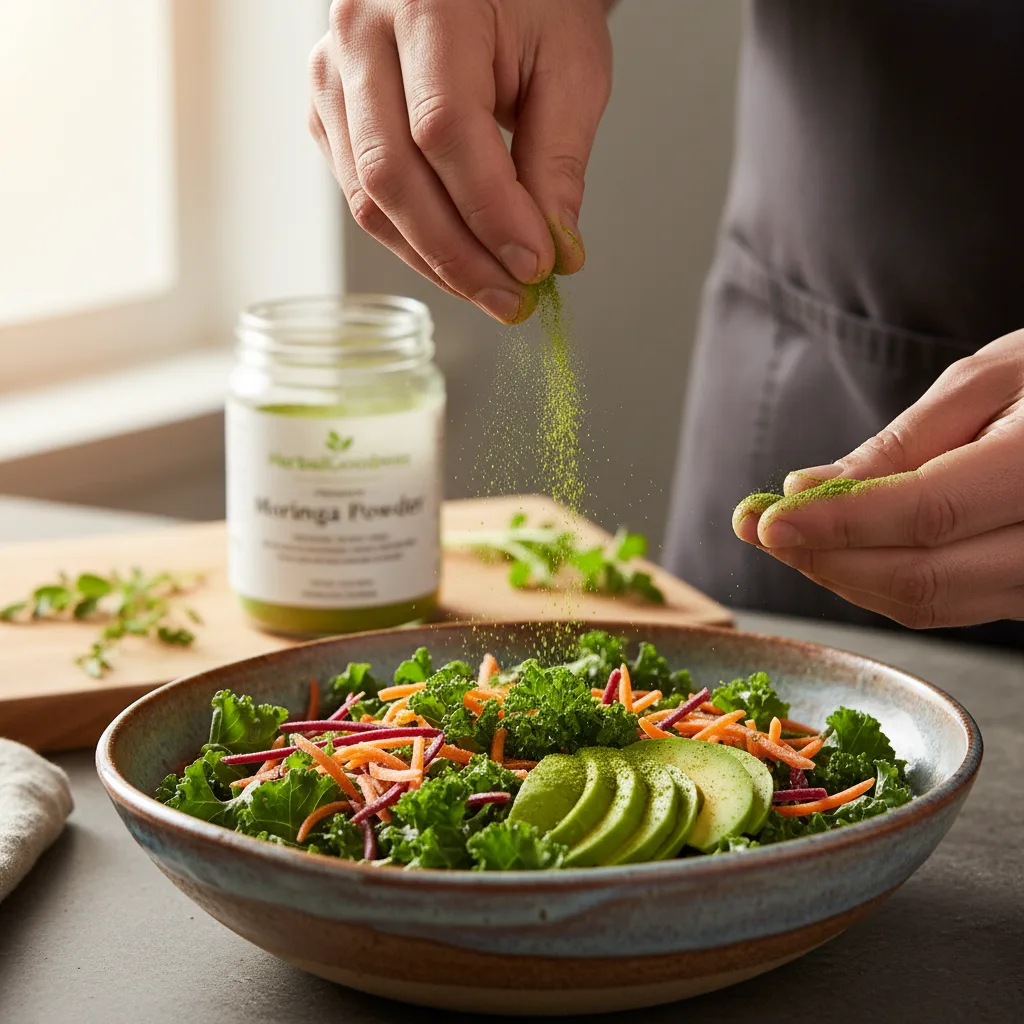
Moringa leaf powder is made by drying the leaves and grinding them into a fine, green powder. It’s naturally organic, provided the plant source meets certified standards. Powders are versatile: sprinkle them over breakfast bowls, blend into smoothies, stir into batters, or even bake into breads and muffins.
However, powders may not dissolve fully, especially in cold liquids, which can result in a slightly gritty mouthfeel or visible green flecks. For hearty soups, sauces, or baked goods, this usually isn’t an issue. But if you’re crafting a smooth latte or a delicate beverage, you might notice the difference. Those who want a clean, residue-free finish in their drinks often gravitate toward a liquid extract, which ensures better dispersal throughout your creation.
Liquid Moringa Extracts: Fast-Dissolving and Easy to Blend
Liquid extracts are made by soaking moringa leaves in alcohol, glycerin, or water to pull out a broad range of plant compounds. These extracts are filtered to remove solids, resulting in a concentrated, fluid form that usually pours easily and blends quickly, which makes them a favorite for drinks and clear broths.
Liquid extracts are particularly well-suited for dissolving into both cold and hot beverages with minimal settling. They are convenient when you want reliable, mess-free dosing with every stir. If consistency and solubility matter to you, Moringa Leaf Extract 15X Liquid | Organic – Immunity & Total Wellbeing provides remarkable clarity and ease of use for various recipes.
Moringa Tinctures: Potency and Precision
Tinctures are similar to liquid extracts but are almost always alcohol-based and tend to be highly concentrated. They’re generally measured in small dropperfuls rather than spoonfuls. For kitchen and beverage use, tinctures are ideal for dosing into small servings and for recipes where you want the benefits and flavors of moringa without the texture of powders or higher volumes of liquid. For example, you might select a tincture for herbal teas or smoothie boosters—where concentrated effects and subtle taste take precedence over bulk volume.
Tinctures impart a distinct, herbal flavor, so it’s important to explore their influence on taste and aroma in your intended recipes. Use them in teas, specialty beverages, or even dressings that benefit from a subtle green note. For fans of herbal infusions, pairing moringa tinctures with gentle tea blends, such as Organic Papaya Leaf Tea | 24 Premium Bags – Caffeine-Free, can bring out unique herbal harmonies without overpowering the palate.
Solubility in Kitchen Settings: What to Expect
How Different Forms Dissolve
- Powders tend to float or sink unless vigorously blended, and usually won’t fully disappear in water or milk. You may want to use a blender, frother, or fine whip for best results, especially in smoothies or drinks.
- Liquid Extracts are typically the most soluble, dispersing with just a few stirs. They don’t leave residue and can blend seamlessly with both water and alcohol-based drinks.
- Tinctures disperse easily due to their alcohol base, especially in clear liquids, but can affect the flavor if used in high amounts.
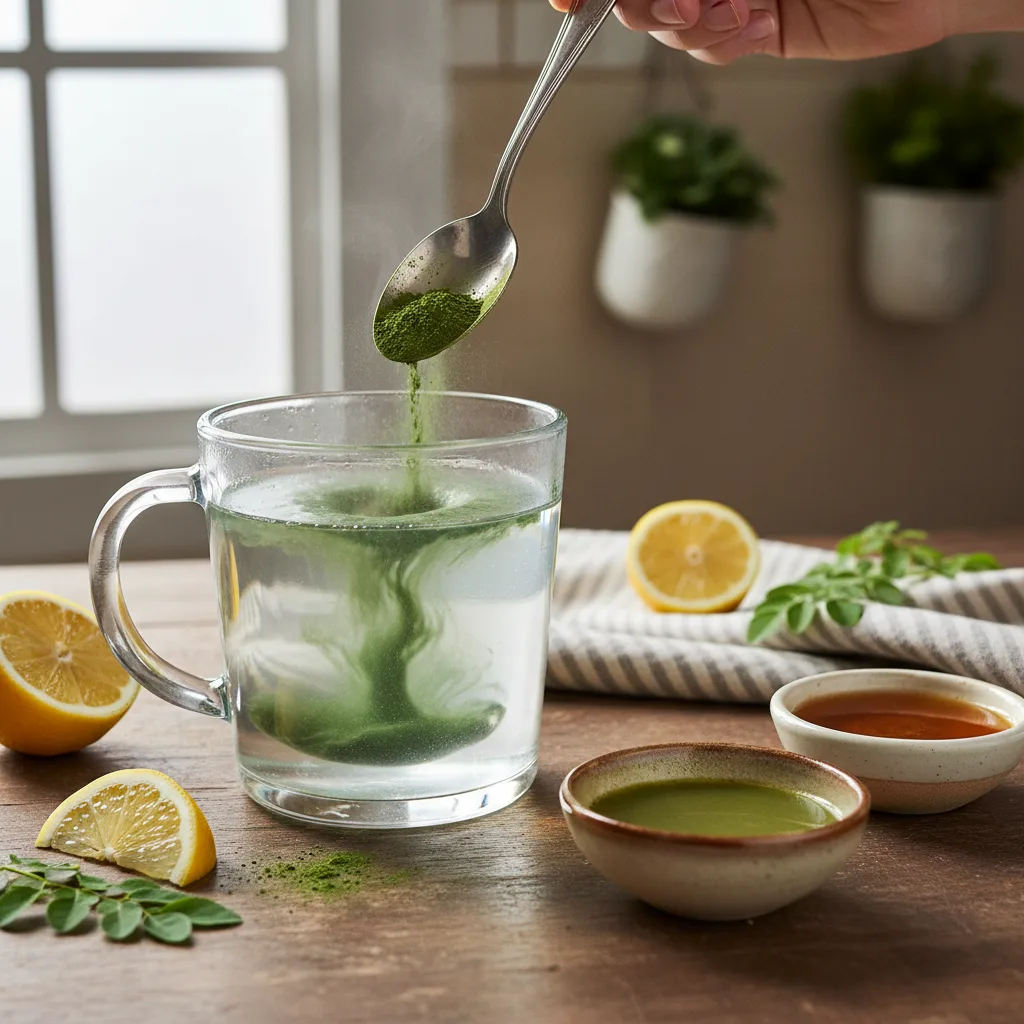
Quick Home Test for Solubility
Try this simple test: Add a small measured amount of each format to a glass of cold water. Stir vigorously for 30 seconds. Observe textures and settling after two minutes. Use the results to pick the format that best matches the texture you want in your recipe or beverage. If you're working with both moringa and blends like Blood Platelet Support with Papaya Leaf | Organic 15X Liquid Extract, this technique helps ensure you meet both flavor and consistency goals.
Heat Stability: Coloring, Flavor, and Nutrient Considerations
Does Moringa Hold Up to Heat?
Heat stability matters when you’re cooking or preparing hot beverages. Most organic moringa extracts will retain their core properties at culinary temperatures, though some color and subtle flavor shifts are natural.
- Powders: When added early to soups or cooked dishes, the green color may dull slightly, and the flavor may mellow. If sprinkled on at the end, you preserve more of the grassy, fresh taste.
- Liquid Extracts and Tinctures: These are generally stable through gentle heating—think stirred into hot tea or added to warm broth. High or prolonged heat (such as boiling for long periods) can sometimes reduce the vivid green hue and soften the herbal notes.
Simple Test for Heat Stability
Try dividing your chosen moringa format between two cups. Add one to boiling water, the other to room temperature. After five minutes, compare color and aroma. Most kitchen cooks find that liquid extracts and tinctures retain their essence better than powders in hot liquid applications. This makes them a go-to choice for vibrant herbal teas and nutrient-rich soups.
Flavor Profile: Bringing Out the Best in Moringa
What Does Moringa Taste Like?
Moringa’s hallmark flavor is a blend of green, grassy, and gently spicy notes, similar to matcha or fresh greens. Powders can taste earthier due to the presence of leaf fiber, while liquid forms tend to spotlight the green-with-a-hint-of-bitterness quality. Combining moringa with beverages made from Blood Platelet Plus Capsules 20X | 60ct – Advanced Platelet Formula or papaya infusions may help mask or balance moringa's distinctive taste for more delicate palates.
Interactions with Acidity and Sweetness
When cooking or crafting beverages, acidity and sweetness can influence moringa’s taste. Adding lemon juice or vinegar might brighten or mellow its greenness, while sweeteners can balance its natural bitterness. Liquid extracts and tinctures, being filtered, will usually integrate more smoothly and evenly, especially in beverages where clarity of color and evenness of flavor are prized.

At-Home Flavor Sampling
Prepare a mini recipe sample—say, 2 ounces of your base beverage or dish. Add a tiny amount of moringa (powder, liquid extract, or tincture), mix well, and taste. This helps calibrate amounts and reveals how the green flavor works with your ingredients before committing to a full batch. Pairing small samples of moringa with smooth tea blends, like Organic Papaya Leaf Tea | 24 Premium Bags – Caffeine-Free, offers a gentle place to experiment with flavor combinations.
Kitchen-Ready Tips for Testing and Selecting Your Moringa Extract
Step-by-Step: Testing Texture and Color
- In clear glasses, dissolve equal scoops or drops of each moringa format into plain water and observe the solubility and color over 10 minutes.
- Add each sample to both a hot and cold recipe environment (e.g., hot tea and iced water) and note flavor, viscosity, and appearance.
- Try a teaspoon of powder and a dropper of extract in your favorite smoothie, soup, or salad dressing, then compare for taste, ease of blending, and texture.
If you’re investigating multiple herbal options, Blood Platelet Support with Papaya Leaf | Organic 15X Liquid Extract can be sampled in a side-by-side comparison to see how it blends versus moringa in your favorite beverages. The experience can guide your everyday kitchen choices and help you discover your preferred forms for both taste and convenience.
Batch Sizing for Recipes
Start small: For blender drinks, ½ to 1 teaspoon of powder or a few droppers of extract is enough. For teas or broths, one serving at a time allows you to control color and taste. Adjust up as you learn your personal preference.
Shelf Life and Storage
Powders keep best in airtight containers in a cool, dry place. Liquid extracts and tinctures maintain quality longer when stored away from direct sunlight. Always check packaging for any storage guidance specific to organic products. Options such as Blood Platelet Plus Capsules 20X | 60ct – Advanced Platelet Formula are ideal for those looking for extended freshness in their supplement cabinet.
Sourcing and Quality: Choosing an Organic Moringa Extract You Can Trust
When sourcing, check for clear labeling indicating organic farming practices, minimal processing, and third-party quality testing. Brands adhering to these principles, such as Herbal Goodness, commonly display organic certifications and transparent sourcing details. Liquid extracts should specify whether they use alcohol, glycerin, or pure water as their base; some prefer one for flavor or solubility reasons. Products with a best-by date ensure you're getting a fresher, more vibrant experience for your recipes. For reliable kitchen and wellness results, Moringa Leaf Extract 15X Liquid | Organic – Immunity & Total Wellbeing remains a trusted staple.
Bringing Moringa into Your Kitchen Creations
Experimenting with different forms of organic moringa is a fun way to add natural color and gentle flavor to both foods and drinks. Each format offers distinct advantages—powder for hearty applications, liquid extracts for smooth beverages, and tinctures for fast blending and dosing. By understanding solubility, heat stability, and how flavors interact, you’ll be empowered to choose the best form for your kitchen adventures and bring out the full vibrancy of this remarkable green leaf.
Frequently Asked Questions
Question 1: What is the difference between moringa powders and liquid extracts for recipes?
Answer: Powders often need blending and can leave a slight texture, while a liquid extract disperses easily, giving a smoother finish in drinks or broths. For immaculate texture in beverages, Moringa Leaf Extract 15X Liquid | Organic – Immunity & Total Wellbeing is preferred.
Question 2: Can I use moringa extract in hot teas or soups?
Answer: Yes, both powders and liquid formats can be used in hot recipes. Liquid extracts are stable with gentle heating and work well in teas and soups. Try blending it with Organic Papaya Leaf Tea | 24 Premium Bags – Caffeine-Free for an herbal boost.
Question 3: How do I avoid a gritty texture when adding moringa to cold drinks?
Answer: For a residue-free drink, use a well-blending liquid extract like Moringa Leaf Extract 15X Liquid | Organic – Immunity & Total Wellbeing instead of powder. If using powder, use a blender or frother.
Question 4: What are the storage recommendations for moringa extracts?
Answer: Powders should be in airtight containers in cool, dry spots. Liquid extracts last longer if kept from direct sunlight. For extended shelf life, Blood Platelet Plus Capsules 20X | 60ct – Advanced Platelet Formula are a practical supplement option.
Question 5: Can I mix moringa with other herbal teas or supplements?
Answer: Yes. Moringa pairs well with teas or capsules for additional wellness benefits. For gentle synergy, blend it with Blood Platelet Support with Papaya Leaf | Organic 15X Liquid Extract or herbal teas.
Question 6: What's the best format for a smooth moringa latte?
Answer: A liquid extract is best for lattes, as it dissolves thoroughly in milk or milk alternatives. Try Moringa Leaf Extract 15X Liquid | Organic – Immunity & Total Wellbeing for easy blending and a clean finish.
Question 7: Does moringa change taste or color when cooked?
Answer: Cooking may mellow the flavor and reduce the green color, especially with powders. Liquid extracts maintain their qualities better when added at the end of cooking or in hot beverages.
Ready to add vibrant green nutrition to your recipes? With a little hands-on testing, you can find the organic moringa extract that works best for your kitchen creations and beverage blends.
About the Author
Herbal Goodness Editorial Team
The Herbal Goodness Editorial Team specializes in holistic health and superfoods, blending science and nature to educate and empower our community.
References
Best Moringa Extract: Understanding Online Rankings & Search Results
Choosing Moringa Extract Products for Pets: A Pet Owner's Guide
Moringa Extract Shopping Guide: Compare Ratios, Potency & Cost


FAQs
Drinking bamboo leaf tea supports hydration, relaxation, skin wellness, and antioxidant balance.
It’s used for general body wellness, skin elasticity, hair and nail support, and overall vitality.
Yes, bamboo leaf is rich in silica and antioxidants, which promote healthy skin, strong nails, and a youthful glow.
You can find dried bamboo leaf, powder, extract, drops, oil, and bamboo leaf green tea.
Bamboo leaf is generally safe when consumed in moderation. Always consult your healthcare provider before starting any new herbal supplement.