





Bamboo Leaf Compounds: What Beginners Should Know About Them

Bamboo leaf has long captured the interest of botanists and traditional wellness communities—yet, only recently have scientists begun looking closer at what makes these slender green leaves so unique. If you’re just starting to explore the world of bamboo leaf, you might have seen headlines mentioning phytochemicals like plant silica, flavonoids, and tannins. But what do these words really mean? And why are researchers so intrigued by the compounds packed into bamboo leaf?
This beginner’s primer will help you understand the major plant compounds in bamboo leaf, explain why they are drawing scientific curiosity, and guide you in approaching the conversation about bamboo leaf with confidence. You’ll also find easy and non-medical ways to appreciate bamboo leaf in your own kitchen.
What Are Phytochemicals in Bamboo Leaf?
Plants like bamboo contain a wide variety of naturally occurring compounds known as phytochemicals. These substances influence a plant’s color, flavor, structure, and interactions with the environment. In bamboo leaf, scientists commonly study plant silica, flavonoids, tannins, and a broader family of polyphenols. Each has its own fascinating background, both in nature and in research.
For those eager to try botanical teas at home, Bamboo Leaf Tea 24 Bags | Nature's Silica – Collagen & Biotin Support can be a simple introduction to these healthful compounds. This product offers a practical way to sample what researchers discuss in their work on bamboo.
Understanding Plant Silica in Bamboo Leaf
Silica (technically, silicon dioxide) is a mineral element that bamboo is well known for. In bamboo leaves, this naturally occurring silica strengthens cell walls, contributes to the leaf’s flexible yet sturdy structure, and is often measured as a percentage of total plant mass.
How do scientists study silica? Researchers analyze leaf samples using specialized laboratory equipment that can detect silicon content. Understanding the silica in bamboo leaf helps scientists appreciate how the plant withstands wind, grows rapidly, and resists certain environmental stressors.
If you are specifically interested in the silica content of bamboo, Bamboo Leaf Organic 15X Liquid Extract | Silica, Collagen & Biotin provides an easily accessible method of enjoying key compounds found in bamboo.
Why are researchers interested in plant silica? Scientists are curious about the way silica accumulation contributes to the durability and resilience of bamboo. This research helps inform uses ranging from agriculture to eco-friendly materials—and also shapes how botanists classify different bamboo types around the world.
Flavonoids: The Colorful Compounds
Flavonoids are a large group of structurally diverse molecules responsible for the vibrant yellow, red, and blue pigments found in many plants—though in bamboo, you might not see these colors in the leaves themselves. Flavonoids in bamboo leaf are primarily valued for their role as plant pigments and as part of the plant's defense system.
How are flavonoids detected in bamboo leaf? Lab techniques like high-performance liquid chromatography (HPLC) are used to measure flavonoids. Scientists may also use color-changing chemical tests to identify which types, such as orientin or isoorientin, are present.
If you wish to explore plant-based products rich in polyphenols and support your daily routine, Bamboo Silica + Biotin Hair Growth Extract | 15X Liquid | Natural Hair & Follicle Support is another well-formulated option featuring bamboo compounds studied for their beneficial roles.
Why do researchers study flavonoids in bamboo? Flavonoids have long interested scientists because of their complex interactions with light, insects, and other plants. By understanding which flavonoids are present in bamboo leaf, researchers gain insight into how plants protect themselves and adapt to their environments.
Tannins: Nature’s Protection Agents
Tannins are astringent, bitter-tasting compounds—think of the sensation you get from a strong black tea. In bamboo leaf, tannins play a role in deterring animals from grazing, and in protecting the plant from environmental factors and some pathogens.
How do researchers identify tannins? Simple chemical tests, as well as more advanced chromatography, help scientists determine tannin content. The flavor profile of bamboo leaf also hints at the presence of tannins.
What makes tannins interesting to scientists? Tannins shape bamboo’s relationship with its habitat, influencing its flavor, how it is used in traditional preparations, and even how it decomposes in nature. Researchers want to understand how bamboo tannins compare with those in other plants used for food and wellness.
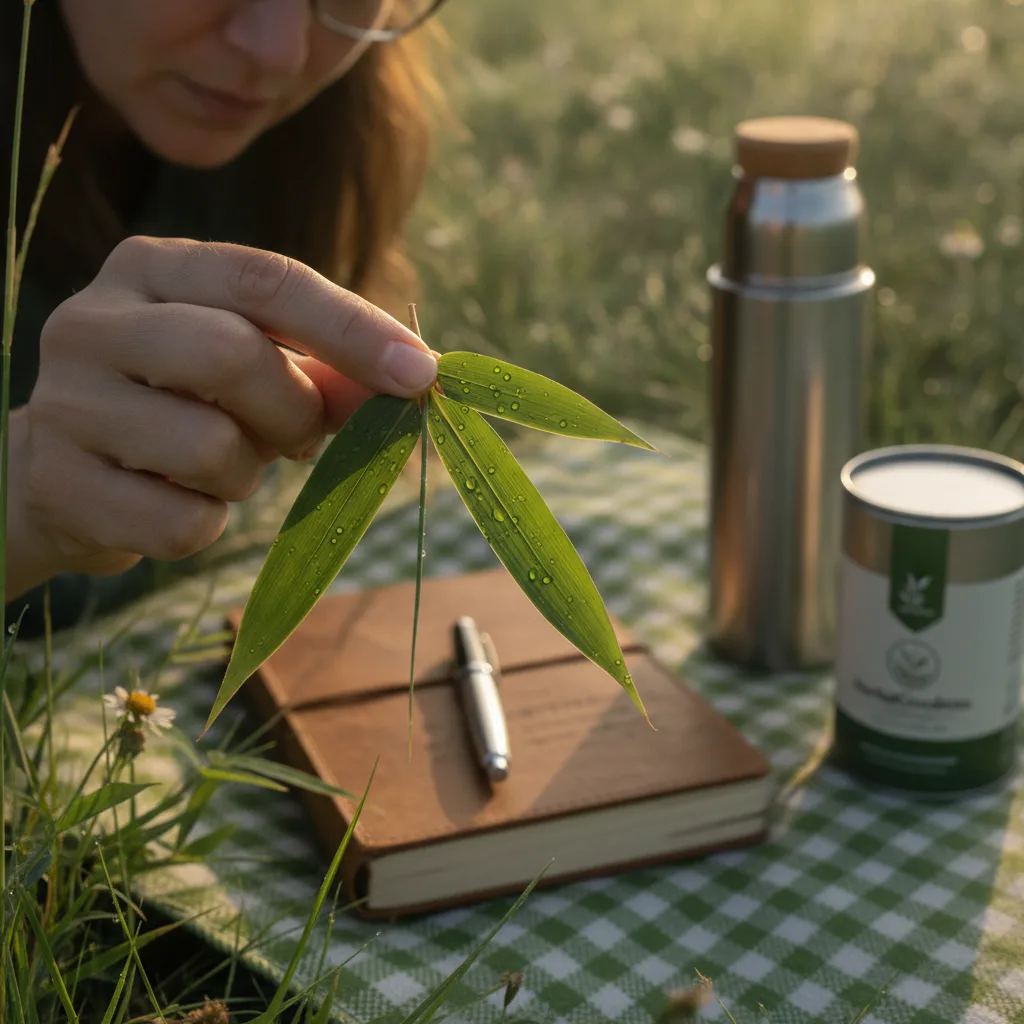
Polyphenols and Other Noteworthy Molecules
Polyphenols are a much broader class of plant chemicals, encompassing both flavonoids and tannins but also including other antioxidants and plant pigments. In bamboo leaf, polyphenols help the plant handle stress (like drought or pests) and contribute to its overall resilience.
How do scientists measure polyphenols in bamboo leaf? Spectrophotometry and chromatography are commonly used; these methods allow researchers to assess the total polyphenol content and compare it to other botanicals.
Why do polyphenols matter? Scientists appreciate polyphenols for their diverse roles in nature. In bamboo, studying these molecules helps unravel how the plant maintains its vigor and how its compounds might interact with other elements in tea or herbal blends.
If you're passionate about botanicals, Organic Papaya Leaf Tea | 24 Premium Bags – Caffeine-Free offers another enjoyable introduction to the wider world of herbal infusions.
How Scientists Study Bamboo Leaf Compounds
Researchers begin with careful harvesting and drying of bamboo leaves, often using controlled greenhouse or wild sources. Once in the lab, leaves are ground into a fine powder. Various solvents (like water and alcohol) are used to extract different types of compounds.
From here, scientists apply analytical tools:
- Chromatography: Separates compounds to identify them and determine their relative abundance.
- Spectrophotometry: Measures how much light is absorbed by compounds to estimate concentration, especially for polyphenols.
- Gravimetric analysis: Used for minerals like silica, by weighing residue left after heating.
These processes allow researchers to not only identify which compounds are present in bamboo leaf, but also to compare across species, growing regions, and even harvest times.
For a practical, everyday experience of bamboo’s unique profile, the ritual of sipping Bamboo Leaf Tea 24 Bags | Nature's Silica – Collagen & Biotin Support lets you directly enjoy some of these naturally occurring molecules in tea.
The Value of Scientific Curiosity
When researchers analyze bamboo leaf, they aren’t just cataloguing substances—they’re also asking what roles these compounds play in the plant’s life, how they respond to changing climates, and what possibilities exist for sustainable use.
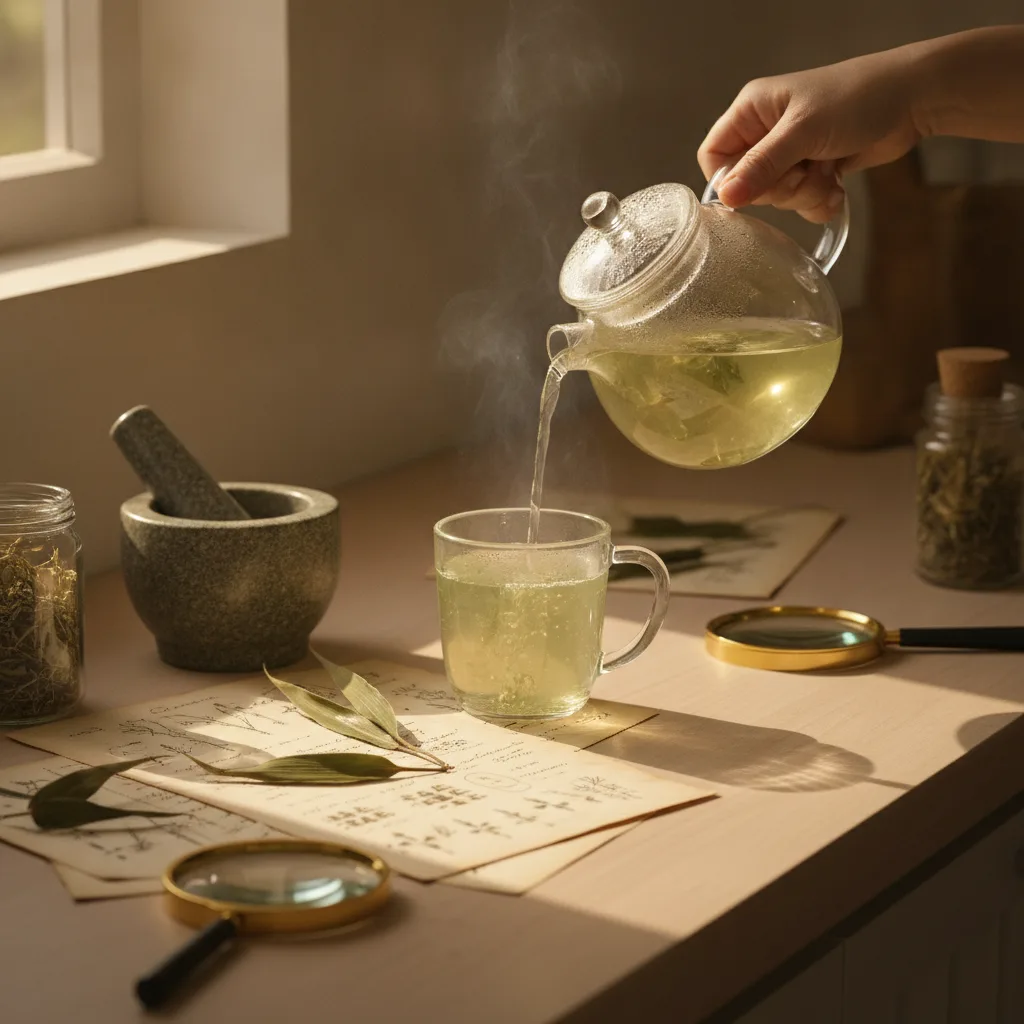
Making Sense of Headlines and Studies on Bamboo Leaf
If you’ve noticed more articles, studies, or product descriptions referencing bamboo leaf’s compounds, you’re not alone. Here are a few practical tips for reading about bamboo leaf in the news or in scientific journals:
- Look for specifics. Reliable articles and studies will name the compounds (like silica, flavonoids, or tannins) and describe how they were measured.
- Check the method. Understand whether a headline is based on lab-based research, traditional use, or a combination.
- Watch for context words. Terms like “studied for,” “traditionally valued,” or “scientists are interested in” suggest observation, not final determinations.
- Focus on process, not promises. The presence of plant compounds hints at why bamboo leaf is of interest, but does not guarantee specific outcomes.
Staying mindful of these tips helps in separating meaningful research from generic excitement.
Exploring Bamboo Leaf Flavors and Preparations at Home
Curious about how to appreciate bamboo leaf for yourself? While research continues, many people enjoy experimenting with bamboo leaf in simple, non-medical ways:
Bamboo Leaf Tea: A Gentle Introduction
Bamboo leaf tea is the most accessible preparation for most beginners. The taste is mild, with subtle green notes and a hint of astringency from tannins.
How to prepare:
- Use dried bamboo leaves (available from specialty stores or wellness brands such as Bamboo Leaf Tea 24 Bags | Nature's Silica – Collagen & Biotin Support).
- Rinse leaves briefly, then steep 1–2 teaspoons in hot water (just below boiling) for 5 to 7 minutes.
- Taste plain, or with a dash of lemon to highlight the natural flavors.

Culinary Uses: Creative Exploration
Some adventurous home cooks add fresh or dried bamboo leaf to rice dishes or use it as a wrap for gentle steaming. The purpose is mainly to lend an appealing aroma and subtle flavor—plus, the experience of working with a plant that’s long appreciated for its culinary potential in many cultures.
Observing Aroma, Flavor, and Color
Whether sipping bamboo leaf tea or handling it in the kitchen, take note of:
- Aroma: Light, grassy, sometimes floral.
- Color: Typically a clear yellow-green in tea.
- Flavor: Mild, with refreshing and softly tannic undertones.
Those interested in blending flavor and function can also explore Organic Herbal Tea Trio – Build-Your-Own Bundle | Mix & Match Any 3 USDA Organic Herbal Teas & Save 20% for creative combinations.
This practice connects you to the sensory qualities that researchers also study, and is a wonderful way to build your own understanding of bamboo leaf’s appeal.
Key Takeaways for the Beginner Bamboo Leaf Explorer
- Bamboo leaf is packed with plant compounds—especially silica, flavonoids, tannins, and polyphenols—that are of genuine scientific interest.
- Researchers use specialized tools to identify, measure, and compare these compounds across bamboo species and products.
- Reading about bamboo leaf means sifting through scientific nuance; look for clear descriptions of what was studied and what was observed.
- Non-medical, simple uses like bamboo leaf tea or culinary wraps provide a firsthand experience of bamboo’s natural markers, bringing research curiosity into your kitchen.
With these foundational ideas, you’re well equipped to navigate the world of bamboo leaf—whether your interest is reading science headlines or brewing your next cup of Bamboo Leaf Tea 24 Bags | Nature's Silica – Collagen & Biotin Support.
Frequently Asked Questions
Question 1: What are the main healthful compounds in bamboo leaf?
Answer: Bamboo leaf contains plant silica, flavonoids, tannins, and polyphenols, which have captured scientific attention for their diverse roles. You can experience these through preparations like Bamboo Leaf Tea 24 Bags | Nature's Silica – Collagen & Biotin Support.
Question 2: How do scientists detect and measure silica in bamboo leaf?
Answer: Specialized laboratory equipment, such as gravimetric analysis and chromatography, is used to measure silica content in bamboo leaves. Products like Bamboo Leaf Organic 15X Liquid Extract | Silica, Collagen & Biotin are inspired by these research insights.
Question 3: Is bamboo leaf tea easy to prepare at home?
Answer: Yes! Steep dried bamboo leaves, such as those in Bamboo Leaf Tea 24 Bags | Nature's Silica – Collagen & Biotin Support, in hot water for 5 to 7 minutes for a mild, refreshing drink.
Question 4: Are there other botanical teas that complement bamboo leaf?
Answer: Definitely. Many enjoy pairing bamboo leaf tea with options like Organic Papaya Leaf Tea | 24 Premium Bags – Caffeine-Free or exploring a herbal tea trio bundle.
Question 5: How can I trust bamboo leaf product claims?
Answer: Read labels and product information for details on compounds present and methods used to measure them. Products like Bamboo Silica + Biotin Hair Growth Extract | 15X Liquid | Natural Hair & Follicle Support often outline their formulation clearly.
Question 6: Is bamboo leaf tea caffeine-free?
Answer: Yes, bamboo leaf tea is naturally caffeine-free, making it suitable for daytime or evening enjoyment.
Question 7: What are some creative culinary uses for bamboo leaf?
Answer: Aside from tea, bamboo leaf can be used to wrap foods for steaming or add aroma to rice dishes, similar to other botanical leaves. Combining it with blends like Organic Herbal Tea Trio – Build-Your-Own Bundle | Mix & Match Any 3 USDA Organic Herbal Teas & Save 20% lets you enjoy a variety of flavors.
Ready to explore the world of bamboo leaf? Start by tasting a cup of bamboo leaf tea or reading more about its fascinating compounds—curiosity is the best way to deepen your journey.
About the Author
Herbal Goodness Editorial Team
The Herbal Goodness Editorial Team specializes in holistic health and superfoods, blending science and nature to educate and empower our community.
References
Bamboo Leaf Compounds: What Beginners Should Know About Them
What Does 'Radiance' Really Mean? Decoding Bamboo Tea in Beauty Marketing
What 'Bamboo Extract Supplement Near Me' Means: How to Read Search Results
The Truth Behind “Best Bamboo Extract Collagen Booster” Claims
Organic Bamboo Leaf Extract: How to Check Eco-Friendly Claims
Share this
Popular posts


FAQs
1. What are the main benefits of drinking bamboo leaf tea?
Drinking bamboo leaf tea supports hydration, relaxation, skin wellness, and antioxidant balance.
2. What is bamboo leaf extract used for?
It’s used for general body wellness, skin elasticity, hair and nail support, and overall vitality.
3. Can bamboo leaf help with skin care and body wellness?
Yes, bamboo leaf is rich in silica and antioxidants, which promote healthy skin, strong nails, and a youthful glow.
4. What forms of bamboo leaf are available?
You can find dried bamboo leaf, powder, extract, drops, oil, and bamboo leaf green tea.
5. Are there any side effects of bamboo leaf?
Bamboo leaf is generally safe when consumed in moderation. Always consult your healthcare provider before starting any new herbal supplement.