





Best cat's claw supplement 2026: capsule verdict

Best overall: cat's claw capsules with a clearly identified plant species and stated serving amount. Best for people who prefer liquids: cat's claw tincture. Best for simple brewing: cat's claw tea. Best for DIY preparation: dried cat's claw bark. The best cat's claw supplement in 2026 is the format you will use consistently, with a label that tells you what is in it.
- The best cat's claw supplement in 2026 is a clearly labeled capsule for a measured daily serving.
- Choose a cat's claw tincture if you prefer liquid; check the extract ingredients and serving directions.
- Choose tea for simple brewing or dried bark for DIY preparation; neither provides a premeasured capsule serving.
- Herbal Goodness suits DIY herbal buyers, but confirm cat's claw appears on the specific product listing before ordering.
Why this matters
Cat's claw is the common name used for supplements made from Uncaria vines. A capsule, tincture, tea bag, and pouch of dried bark are different ways to prepare and take the herb. Their labels should not be read as interchangeable: a package weight is not a serving amount, and an extract ratio is not proof of a particular health effect.
Herbal Goodness bulk herbs and roots are offered for tea and tincture making. That makes the range relevant to DIY buyers, but the category listing alone does not establish that a particular bag contains cat's claw. Check the exact herb on the product page before buying. The same rule applies to every option in this 2026 guide: choose the plant and preparation first, then verify the specific listing.
What makes the best cat's claw supplement
- Botanical identity. Look for the scientific name on the label. Uncaria tomentosa and Uncaria guianensis are distinct species sold under the common name cat's claw; do not assume they are the same product.
- Plant part. Check whether the label names bark, root, or another part. A vague cat's claw extract label leaves you unable to compare preparations accurately.
- A usable serving instruction. Capsules should state the amount per serving. Tinctures should give a measured serving and identify their other ingredients. Tea and bulk bark should include preparation directions.
- Clear extract information. If a product claims to be standardized, its label should identify what it is standardized to. An extract ratio alone does not tell you how much of a specific compound is in your serving.
- Ingredient transparency. Check the full ingredient list for other herbs, sweeteners, alcohol, or capsule ingredients that matter to you.
- Fit with your routine. A measured capsule, a liquid serving, a brewed tea, and a DIY preparation require different amounts of work. The right format is one you can prepare as directed.
These criteria rank label clarity and practical fit, not medical outcomes. A detailed label helps you understand what you are taking; it does not show that the supplement treats a condition.
Read the label before comparing formats
A 2026 cat's claw listing should answer three basic questions: Which Uncaria species is it? Which plant part is used? How much does the suggested serving contain? If you cannot answer those questions from the package or product listing, keep looking.
Pay particular attention to units. Herbal Goodness lists papaya leaf extract capsules labeled 600 mg, papaya leaf liquid extract in 1 oz and 16 oz sizes, and bulk herbs in 4 oz bags. Those are examples of how a supplement amount and package sizes appear on labels for other herbs; they are not cat's claw doses. You cannot use an ounce count on a bottle or pouch to infer the strength of a serving inside it.
For a quick format decision, think in four terms: Measured servings for capsules, Adjustable portions for tinctures, Simple brewing for tea, and DIY preparation for dried bark. Then inspect an actual cat's claw label rather than assuming that every product in the format meets the criteria.
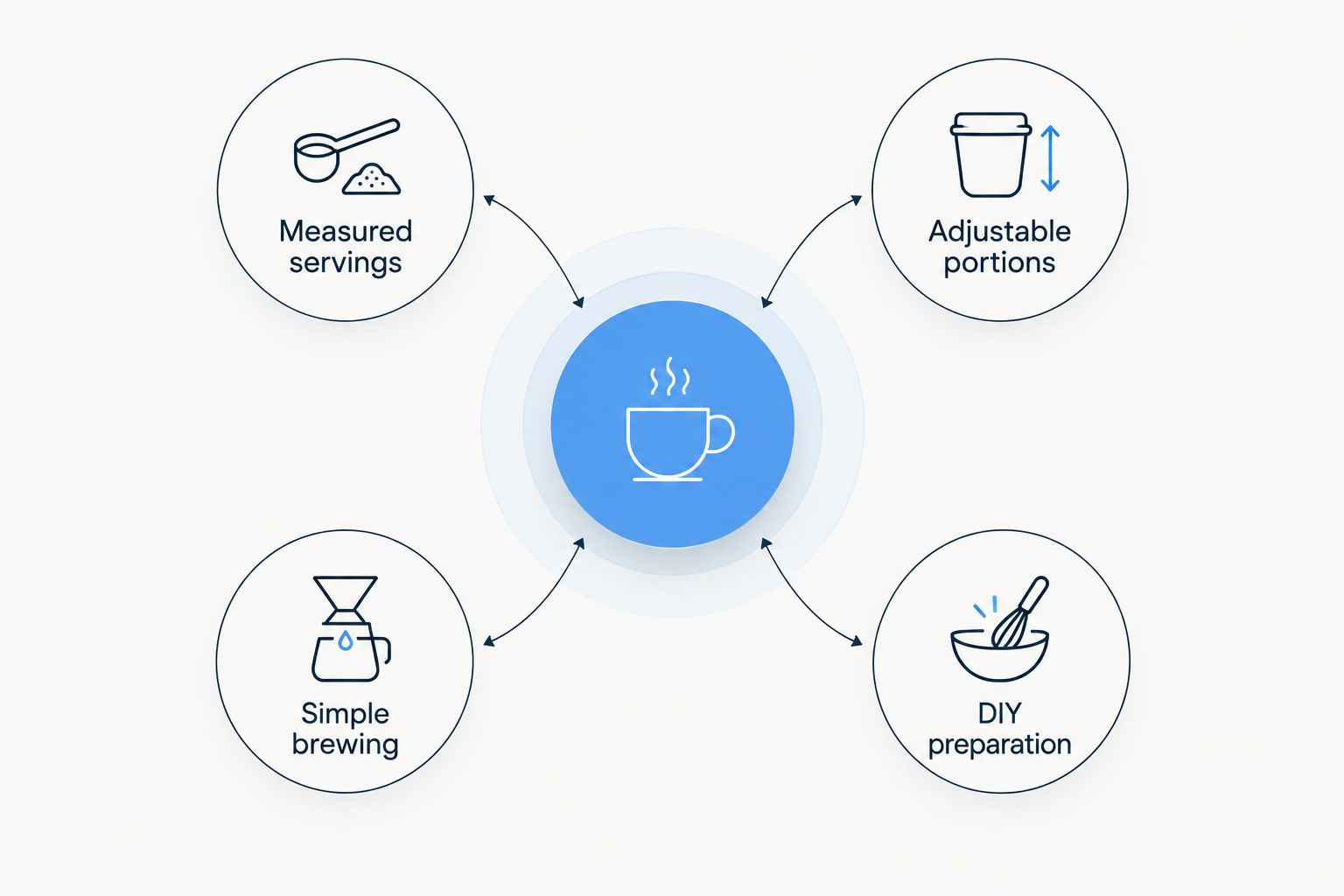
Cat's claw supplements at a glance
| Format | Best for | Standout feature | Key limitation |
|---|---|---|---|
| Labeled cat's claw capsules | A measured daily serving | Serving amount stated on the package | Fixed serving; standardization is not automatic |
| Cat's claw tincture | People who prefer liquids | Measured liquid servings | Ingredients and extract descriptions vary |
| Cat's claw tea | Simple brewing | Familiar tea preparation | Serving depends on the product and directions |
| Dried cat's claw bark | DIY tea or tincture preparation | Control over your preparation method | Requires measuring and preparation |
1. Labeled cat's claw capsules: best for measured servings
A capsule is the clearest default when you want to follow a stated serving without brewing tea or measuring a liquid. Choose a cat's claw capsule that identifies its Uncaria species, plant part, ingredients, and amount per serving. If the label uses the word standardized, check what was measured rather than treating the word itself as a quality guarantee.
Cat's claw capsule pros:
- A stated serving is easy to follow.
- Capsules require no brewing equipment.
- The ingredient panel lets you check for additional herbs or capsule ingredients.
Cat's claw capsule cons:
- A capsule is inconvenient if you dislike swallowing pills.
- A stated bark amount does not, by itself, establish the amount of any particular compound.
- A fixed capsule is less convenient when you want to measure a different portion.
Best for: someone building a straightforward supplement routine around a clearly labeled serving. In 2026, compare the actual labels before selecting a capsule; products sharing the same format do not necessarily contain the same species or preparation. Verdict: Buy when the species, plant part, ingredients, and serving are clear. Skip a capsule whose label leaves those basics unanswered.
2. Cat's claw tincture: best for people who prefer liquids
A tincture offers a liquid alternative to swallowing a capsule. Check the serving directions, the named species and plant part, and whether the other ingredients include alcohol or glycerin. If an extract ratio appears on the label, read it as a description of the preparation, not as a direct comparison with the amount in a capsule.
Cat's claw tincture pros:
- No capsule to swallow.
- A marked dropper or stated liquid measure helps you follow the directions.
- The ingredient list lets you choose a preparation that fits your preferences.
Cat's claw tincture cons:
- You have to measure each serving.
- Alcohol-based preparations do not suit every buyer.
- A ratio without a clear serving and plant identity is difficult to compare.
Best for: someone who wants cat's claw in liquid form and will follow a measured serving. Herbal Goodness sells liquid extracts of other herbs, but a liquid format alone does not establish that a particular tincture contains cat's claw. Verdict: Buy a tincture with complete plant and serving details. Hold if its label describes concentration but not what is in the serving.
3. Cat's claw tea: best for simple brewing
Cat's claw tea is the pick when you want to prepare the herb as a drink rather than take a capsule or measure a tincture. Look for the species, plant part, ingredients, and brewing instructions on the package. A tea bag count tells you how many bags are in the box; it does not tell you how much cat's claw is in a prepared cup.
Cat's claw tea pros:
- Fits a familiar tea routine.
- Preparation does not require handling a tincture.
- Individually portioned bags reduce the need to measure loose material.
Cat's claw tea cons:
- You must brew it each time.
- Brewed tea is not directly comparable with a labeled extract serving.
- A blended tea can make the cat's claw amount harder to identify.
Best for: someone who wants an herbal drink and is comfortable following brewing directions. The best cat's claw supplement for a tea drinker is not necessarily the best choice for someone seeking a capsule with a stated serving amount. Verdict: Buy when the tea clearly identifies cat's claw and explains how to prepare it. Skip blends that do not identify their herbal ingredients well enough for your needs.
4. Dried cat's claw bark: best for DIY preparation
Dried bark gives you the raw material to prepare cat's claw tea or a homemade tincture. This format makes sense when you already want to measure herbs and follow a preparation method. It is not a ready-to-take substitute for a capsule: the pouch weight describes the contents of the pouch, not the amount in your finished serving.
Dried cat's claw bark pros:
- Works for buyers who prefer to prepare their own herbs.
- Lets you choose a preparation method.
- A clearly identified single herb is easier to assess than an unnamed blend.
Dried cat's claw bark cons:
- Requires measuring and preparation.
- A package weight is not a prepared serving amount.
- Homemade preparations do not come with the same ready-to-follow serving format as capsules.
Best for: an experienced DIY herbal buyer who will check the exact species and plant part before ordering. Herbal Goodness is best considered here for its bulk-herb shopping format, not as a verified cat's claw pick unless the specific listing identifies cat's claw. Verdict: Buy identified dried cat's claw bark if you want to prepare it yourself. Wait if you need a product with a ready-measured serving.
How the ranking works
The ranking starts with the question most buyers need to answer in 2026: How do you want to take cat's claw? Capsules come first because a clearly labeled serving makes a daily routine straightforward. Tinctures serve people who prefer liquids; tea serves people who want to brew a drink; dried bark serves people who want to handle the preparation themselves.
A format does not win automatically. An unidentified capsule loses to a well-labeled tea on ingredient transparency, and a tincture with unclear directions loses to a dried herb with clear preparation information. Use the table to choose your format, then apply the label criteria to the actual product in front of you.
Check safety before adding cat's claw
Cat's claw is a supplement, not a treatment for an immune condition, digestive problem, or any other disease. If you take medication, are pregnant or breastfeeding, or have an ongoing medical condition, ask a qualified clinician whether cat's claw is appropriate before taking it. Do not replace prescribed care with an herbal product.
In 2026, a label can help you identify a plant, preparation, and serving. It cannot establish that a supplement will produce a particular result for you. Be especially careful with multi-herb products: check every ingredient rather than assessing the cat's claw name alone.
Which cat's claw supplement should you choose?
Choose a clearly labeled capsule if you want one default answer. You get a stated serving and a simple way to follow the package directions. If you prefer a liquid, choose a tincture that names its ingredients and measured serving. Choose tea because you want to brew cat's claw, or dried bark because you want to prepare it yourself—not because either format promises a stronger effect.
Before buying in 2026, check the scientific name, plant part, ingredient list, and serving or preparation directions on the specific cat's claw product. If one of those details is missing, compare another listing. No package style or extract description makes an unclear label acceptable.
FAQ
What is the best cat's claw supplement in 2026?
A cat's claw capsule with a clearly stated species, plant part, ingredients, and serving is the best default in 2026. Choose a different format if you prefer liquids, brewing tea, or preparing dried bark yourself.
Are cat's claw capsules better than tinctures?
Capsules are better for someone who wants a stated serving without measuring a liquid; tinctures suit someone who prefers a liquid preparation. Neither format establishes a health benefit by itself, so compare the specific product labels.
How do I identify cat's claw on a label?
Look for the common name alongside a scientific name such as Uncaria tomentosa or Uncaria guianensis. Also check the plant part, full ingredient list, and serving or preparation directions.
Does an extract ratio tell me how much cat's claw to take?
No. An extract ratio describes a preparation; follow the product's stated serving directions instead of using the ratio as a dose.
Is cat's claw tea the same as a cat's claw extract?
No. A brewed tea and an extract are different preparations, so their package amounts should not be compared as equivalent servings. Follow the directions for the product you choose.
Can I use dried cat's claw bark to make tea?
Yes, dried cat's claw bark is a format used for DIY tea preparation. Buy a product that identifies the species and plant part, then follow its preparation directions.
Does Herbal Goodness sell a verified cat's claw supplement?
The Herbal Goodness pages linked in this guide show bulk herbs and supplements made with other named plants; they do not identify a specific cat's claw product. Confirm cat's claw on an individual listing before ordering.
One last thing
The most useful number on a cat's claw package depends on what it measures. A pouch weight describes the material you bought; a capsule serving describes what the label tells you to take. Neither tells you that the herb will produce a particular health outcome. In 2026, read the unit and the words beside it before comparing products.
Related guides
Share this

Popular posts


FAQs
1. What are the main benefits of drinking bamboo leaf tea?
Drinking bamboo leaf tea supports hydration, relaxation, skin wellness, and antioxidant balance.
2. What is bamboo leaf extract used for?
It’s used for general body wellness, skin elasticity, hair and nail support, and overall vitality.
3. Can bamboo leaf help with skin care and body wellness?
Yes, bamboo leaf is rich in silica and antioxidants, which promote healthy skin, strong nails, and a youthful glow.
4. What forms of bamboo leaf are available?
You can find dried bamboo leaf, powder, extract, drops, oil, and bamboo leaf green tea.
5. Are there any side effects of bamboo leaf?
Bamboo leaf is generally safe when consumed in moderation. Always consult your healthcare provider before starting any new herbal supplement.