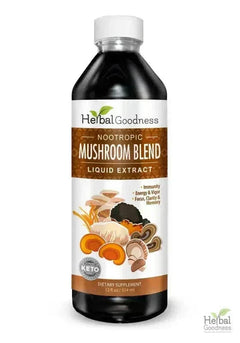
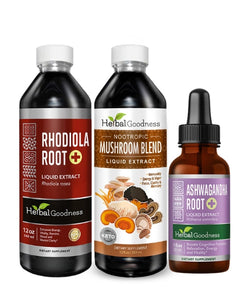
Mushrooms Superfood

Mushrooms (Shrooms) belong to a group of nutrients called adaptogens. Adaptogens are plants and mushrooms that help your body respond better to stress, and fatigue and provide overall wellbeing. They adapt to individual cells, hence the term. Adaptogens bring your body back to a steady balance by managing both physical and mental stressors.
History
Mushrooms have been used as a food source since ancient times. They were used as a source of nutrition in Traditional Chinese Medicine, as well as being served as a delicacy in many cultures. In the 19th century, mushrooms were widely cultivated in Europe and America. Today, they are grown in many different parts of the world, and they are a popular ingredient in many dishes.
Nutritional Content
Mushrooms are a good source of protein, fiber, vitamins, minerals, and other beneficial compounds. They are low in calories, fat, and sugar, and they contain no cholesterol or sodium. They are also a good source of B vitamins, iron, selenium, and manganese.
Mushrooms are usually considered safe to eat, but they can contain toxins, such as aflatoxins and Orellana, so it is important to make sure they are thoroughly cooked before consuming. Additionally, when buying dietary supplements containing mushrooms, it is important to look for products that are made from high-quality, organic mushrooms and check for any potential interactions.
Health Benefits
Mushrooms contain a wide range of vitamins, minerals, antioxidants, and other compounds that are beneficial for human health.
They may help maintain a strong immune system and support brain health.
Some studies have also suggested that mushrooms may help improve the overall functioning of the brain and provide energy to the body.
In summary, mushrooms are a nutritious and versatile food that can be taken as an adaptogen supplement and provide many health benefits. They have an interesting history and are a good source of vitamins, minerals, and other beneficial compounds.
You can take adaptogens by adding them to food or beverages or take them as tinctures or supplements.
More about Mushrooms
- Lion’s Mane & Cognitive Function: What Research Really Says About Benefits
- Mushroom Blends and Seasonal Rituals: A Beginner’s Guide to Traditional Uses and Brewing
- Functional Mushrooms 101: Compounds, Traditional Uses, and Scientific Exploration
- Mushroom Extract: Benefits, Uses & Best Liquid Supplements
- The Power of Mushrooms: Unlocking the Benefits of Mushroom Liquid Extract for Your Health
- How to Test a Mushroom Tincture for Focus: Workday Self-Experiment Guide
- How to Taste-Test Mushroom Tincture Blends at Home: A Simple, Flavor-First Guide
- Lion’s Mane Mushroom: From Global Traditions to Modern Premium Tinctures
- 30-Day Mushroom Blend Trial Guide: Safe Setup, Tips & What to Expect
- Mushroom Supplements for Families: Clean Ingredients & Safe Use Guide
- How to Use Lion’s Mane Mushroom Drops in Everyday Drinks: Lattes, Teas & Mocktails
- How to Read Lab Reports (COAs) for Lion’s Mane Extract Drops: Plain-English Guide
- Lion’s Mane Liquid Extract: Freshness Signs, Shelf-Life, and Proper Storage Guide
- Growing Lion's Mane at Home: Beginner’s Guide to Cultivation & Extract Prep
- Mushroom Tincture Extracts: Sensory Tasting, Diluting, and Pairing Guide
- Lion's Mane Mushroom: The Natural Nootropic for Cognitive Function, Focus & Brain Health
- From Forest to Dropper: The Supply‑Chain Story of Organic Lion’s Mane Tinctures
- How Lion’s Mane Fits into a Brain‑Friendly Routine: Simple, Practical Ways to Try It
- The Sustainability Story Behind Adaptogen Mushroom Blends: Sourcing, and Packaging Essentials
- From Spores to Bottle: How Organic Mushroom Tincture Drops Are Made
Shop the herbs in this post
Choose your size and add it to your cart without leaving the article.