





Zero-Waste Brewing with Guava Leaf Tea: Practical Tips for Eco-Friendly Enjoyment

Guava leaf tea is more than a delicious beverage—it's a sustainable choice that fits perfectly into a mindful, zero-waste lifestyle. Whether you're a tea enthusiast or a curious beginner, embracing eco-friendly brewing practices can elevate your daily ritual. From preparing flavorful hot or cold infusions to getting creative with leftover leaves, this guide explores actionable ways to reduce waste at every step. You'll learn how to re-steep, reuse, and compost guava leaf tea leaves, turning a simple cup of tea into a celebration of resourcefulness and care for the environment.
Sustainable Hot and Cold Brewing Techniques
Preparing Hot Guava Leaf Tea
To enjoy an aromatic, full-bodied cup, select fresh or dried guava leaves. Start by rinsing leaves gently to remove dust or debris. Bring filtered water to a boil and add the leaves (about 1–2 teaspoons dried or a small handful fresh per cup). Cover, allowing the leaves to steep for 5–7 minutes. This process preserves the delicate flavors and maximizes your tea experience while minimizing unnecessary waste. For those wanting the convenience of premium herbal blends, consider trying Bulk Loose Leaf Teas & Tisanes - Organic 4oz - Herbal Wellness Teas for inspiration alongside your guava ritual.
Making Cold Guava Leaf Infusions
For a refreshing cold brew, place rinsed guava leaves in a jar, cover with cool filtered water, and refrigerate for 6–12 hours. Straining the leaves after steeping results in a crisp, mellow flavor profile that is naturally inviting. Cold infusions require no added energy, making this method particularly eco-conscious. You may also enjoy experimenting with Herbal Tea Trio - Guava, Hibiscus & Avocado Bundle – Refreshing Tea Collection for variety on hot days.
Concentrated Guava Leaf Syrup for Culinary Delights
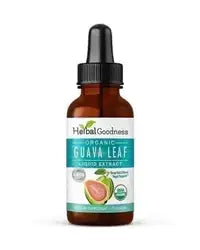
Transform your guava leaf tea into a concentrated syrup for culinary use. Simmer the leaves with water and your choice of natural sweetener for 15–20 minutes. Once reduced, strain to yield a versatile infusion. Use this syrup to flavor beverages, homemade popsicles, or drizzle over fruits for a subtle botanical finish. Creating syrups reduces waste by extending the usefulness of each batch of leaves. For syrup fans wanting more herbal health support, the Guava Leaf - Organic 1oz 15X Liquid Extract - Immunity & Herbal Health offers a potent, easily mixable option for various recipes.
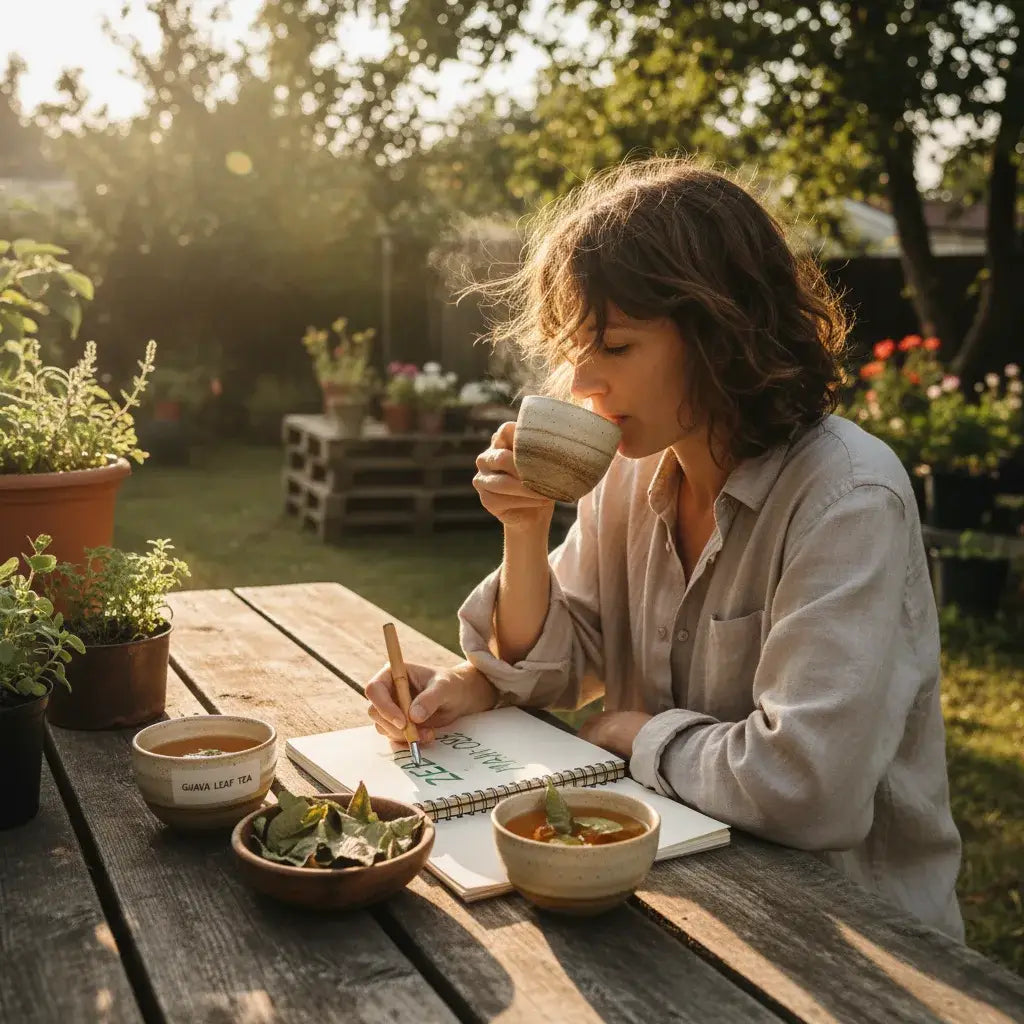
Re-Steeping Guava Tea Leaves for Maximum Value
How to Re-Steep for Second (and Third) Cups
After the initial brew, guava leaves still hold rich aromas and flavors. Save the steeped leaves and reuse them once or twice more. For each subsequent brew, increase the steeping time by a minute or two. This is not only resourceful, but also reveals evolving nuances in flavor and hue, adding depth to your tea experience. For additional variety with the re-steeping approach, explore Papaya Leaf Tea - Organic 24/2g Tea Bags for their gentle, complementary tones.
Tips for Storing Used Leaves Between Steeps
To keep used leaves fresh for later infusions, store them in an airtight glass container in the refrigerator. Use within 24 hours for optimal taste. If you batch-brew, keep used leaves separate and clearly labeled, so nothing goes to waste. Keeping a sustainable habit for other teas, try using Bulk Herbs & Roots - Organic 4oz Bags - Herbal Tea for your own custom zero-waste blends.
Creative Ways to Repurpose Spent Guava Leaves
DIY Guava Leaf Linen Spray
Give spent guava leaves new life as a natural linen spray. Re-simmer the leaves in water, then cool and strain. Add a few drops of your favorite essential oils if desired. Pour the mixture into a spray bottle and use on linens, bedding, or garments for a gentle, earthy aroma.
Herbal Facial Steam for a Home Spa Experience
Spent guava leaves can be used for an at-home facial steam. Place the reused leaves in a bowl with hot water, drape a towel over your head, and inhale the gentle steam for 5–10 minutes. This simple act offers a relaxing moment of self-care while making use of every part of the leaf. Extended beauty rituals can benefit from herbal extracts like Radiantly Good Looking - 2fl.oz - Skin & Anti-Aging for extra nourishment.
Boosting Houseplant Routine with Guava Leaf Rinses
Leftover guava leaf water, from either brewing or other preparations, can be cooled and used to water household plants. This ensures you make use of every drop, supporting both sustainability and your indoor greenery. For garden lovers interested in plant vitality, Sea Moss - Raw Dried from St Lucia - 8oz Bag - Nature's MultiVitamins may be a beneficial addition to your plant-care toolkit.
Efficient Composting of Guava Tea Leaves
Home Composting Steps
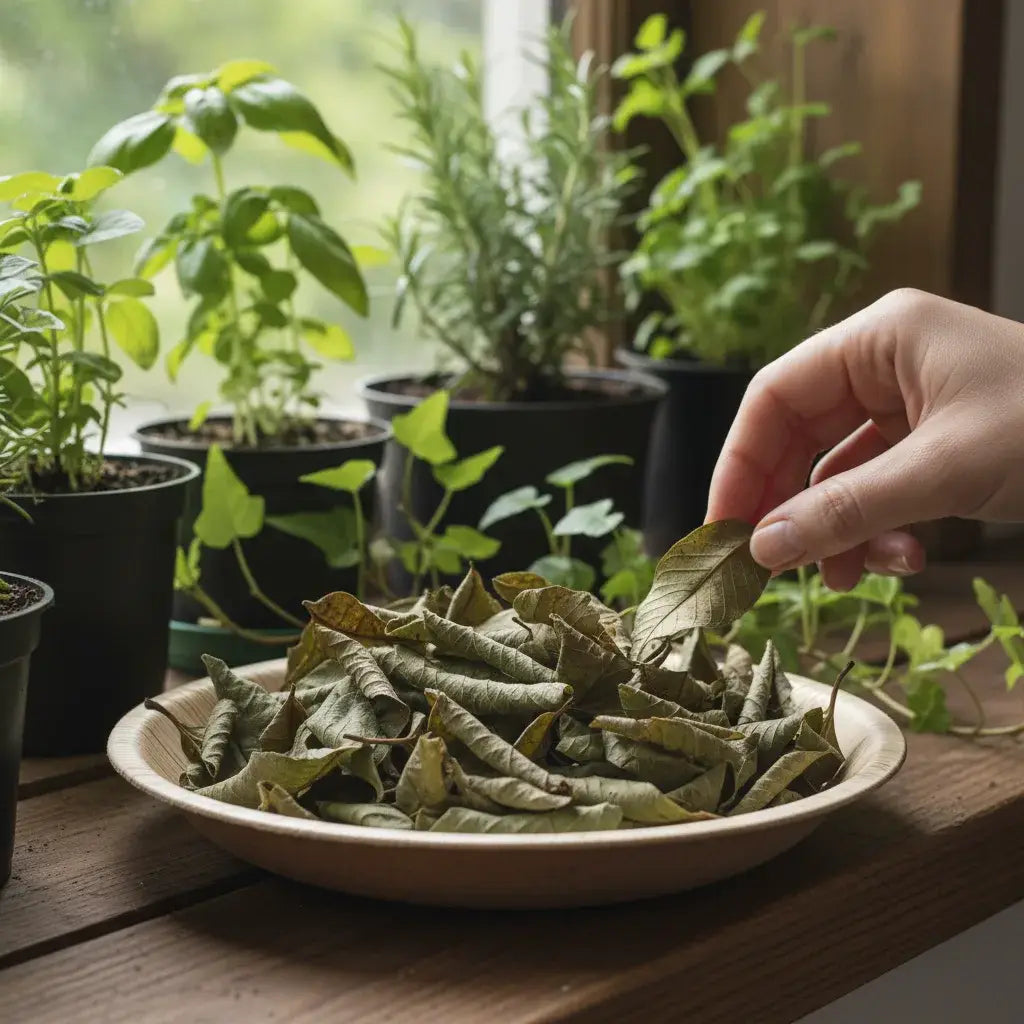
Once guava leaves have been fully used, add them to your home compost. Guava leaves are considered green compost material (rich in nitrogen). Balance them with brown materials like dried leaves, cardboard, or shredded newspaper for effective breakdown. Chop the guava leaves into smaller pieces to speed up decomposition and minimize odors. To boost your compost, blend with nutrient-rich additions from Papaya Seed Powder - Organic 4oz Bag - Colon & Gut Cleanse.
Short-Term Storage Before Composting
If you accumulate spent tea leaves throughout the week, collect them in a breathable container on your kitchen counter. Incorporate regularly into your compost bin or pile for seamless waste management.
Storage and Organization for a Zero-Waste Routine
Best Practices for Fresh and Dried Leaves
Keep dried guava leaves in an airtight container away from heat and moisture to ensure longevity. For fresh leaves, wrap in a damp cloth and store in the refrigerator to maintain vitality for up to one week. This approach guards against spoilage and ensures every leaf is used purposefully. For an organized and eco-friendly tea area, consider adding Herbal Tea Gift Set – Wellness Tea Gift Variety Collection - Organic 24 Teabags for a convenient selection and storage.
Organizing Your Tea Station with Sustainability in Mind
Designate a dedicated area for tea tools, labeled jars for dried and used leaves, and containers for compostable scraps. Using reusable filters and glass teapots further reduces single-use waste, making your kitchen a showcase of thoughtful, sustainable habits.
Mindful Consumption: The Heart of Eco-Friendly Tea Rituals
Each step in brewing guava leaf tea offers an opportunity to minimize impact on the environment. Savoring multiple infusions from the same leaves, finding creative repurposing methods, and completing the loop with composting transform a simple beverage into a powerful act of sustainability. By being intentional, you'll find yourself wasting less and appreciating more in your daily ritual. For a complete eco-friendly tea experience, experiment with other caffeine-free options like Bamboo Leaf Tea – 24/1.5g Tea Bags - Nature's Collagen & Biotin to diversify your collection.
Embracing zero-waste guava leaf tea practices supports both your wellness journey and the planet. From careful selection of leaves and brewing methods to clever reuse that extends their life cycle, adopting these habits makes every cup meaningful. A mindful, zero-waste approach not only produces delicious tea, but also fosters respect for nature’s abundance—one sip at a time.
FAQs:
- Can you re-steep guava leaf tea leaves multiple times?
Yes, guava leaf tea leaves can be re-steeped one or two more times after the first use. Simply increase the steeping time with each subsequent brew to extract remaining flavors, making your tea routine more sustainable.
- What’s the best way to store used guava tea leaves before composting?
Gather used guava tea leaves in a breathable container or a designated kitchen caddy. Store them at room temperature and add to your compost regularly. For short-term storage in hot climates, refrigerating in an airtight container is helpful.
- How can you use leftover guava tea leaves around the home?
Spent guava tea leaves can be repurposed into natural linen sprays, facial steams, or added to water for your houseplants. These creative uses maximize each leaf and add value to your daily routine.
- How long should you steep guava leaves for the best flavor?
For hot tea, steep guava leaves for 5–7 minutes. Cold infusions are best steeped for 6–12 hours in the refrigerator. Adjust timing based on your desired strength.
- What composting materials pair well with guava tea leaves?
Mix guava tea leaves (green material) with browns like dry leaves, cardboard, or shredded newspaper. This balance ensures efficient composting and nutrient-rich results.
Author Name:
Herbal Goodness Editorial Team
Author Bio:
The Herbal Goodness Editorial Team specializes in holistic health and superfoods, blending science and nature to educate and empower our community.
References:
Introducing Graviola to Young Taste Buds: Fun, Family-Friendly Flavor Exploration
Graviola in the Classroom and at Home: Creative Activities to Teach Kids About Tropical Plants