





Young vs. Mature Papaya Leaves: How Age Affects Extract Flavor & Uses

Papaya leaves have a long tradition of use in culinary and holistic practices. But not all papaya leaves are created equal—age at harvest can dramatically shape their taste, enzyme profile, and how well they work in different at-home uses. Whether you’re making a homemade extract for a kitchen recipe, creating a topical solution, or preparing a refreshing beverage, understanding the characteristics that young and mature papaya leaves bring to the table is key. In this guide, we’ll break down exactly how leaf age changes papaya leaf extract, offer at-home tips for comparing leaves, and provide specific pointers to help you select the right leaf for your household needs.
How Papaya Leaf Age Influences Flavor and Aroma
Papaya leaves begin with a fresh, crisp green when young, developing deeper hues and new aroma notes as they mature. Each stage of growth delivers a distinct sensory profile that influences both flavor and aroma of the resulting extract.
Flavor Notes: Youthful Freshness vs. Mature Earthiness
- Young Papaya Leaves: These leaves have a clean, grassy, and lightly bitter flavor. Their mildness makes them appealing for beverages, culinary infusions, and light cooking applications. Some people find their taste reminiscent of tender greens or fresh herbs.
- Mature Papaya Leaves: With age, papaya leaves develop a deeper, earthier bitterness and astringency. The flavors concentrate, which can make extracts more robust and potent—sometimes even puckering to the palate. This intenseness suits recipes where strong, distinctive notes are desirable, such as hearty stews, robust teas, or certain traditional preparations.
Aroma Differences
- Young leaves tend to emit a clean, grassy aroma, similar to fresh-cut lawn or pea shoots.
- Mature leaves develop a more pungent, resinous scent with undertones of green pepper or wild herbs.
Tip: If you’re sensitive to bitterness, taste a small piece of raw leaf (with proper food safety and supplier guidance) to gauge your personal threshold before making an extract.
Enzyme Content: Papain and Beyond
One of the best-known attributes of papaya leaf extract is its enzyme content, especially papain. Enzymes in papaya leaves can complement culinary, topical, and other uses. But these levels evolve as the leaf matures.
Papain and Other Enzymes by Age
- Young Leaves: These tend to have slightly lower concentrations of papain, chymopapain, and related enzymes compared to mature leaves. While still present, the activity may be milder.
- Mature Leaves: As leaf cells mature and expand, enzyme levels—especially papain—increase and concentrate. Mature leaves are typically sought after for applications where a higher enzyme content is appreciated, such as certain kitchen or DIY topical preparations.
Enzyme activity can vary by papaya variety, climate, and harvest method. Always ask your supplier for the most accurate lab analysis if this is important for your use.
Texture and Extract Yield: What to Expect
Along with flavor and enzymes, texture and physical properties change with age. For those interested in ready-made extracts, Papaya Leaf Extract - 1oz 15X Organic Liquid provides a standardized, easy-to-use option that captures the essence of mature leaves in liquid form.
- Young Leaves: These are tender, pliable, and often juicier. They break down easily, yielding lighter-colored, brighter green extracts that dissolve well in water-based preparations.
- Mature Leaves: Tougher and more fibrous, mature leaves require more time to process (blending, steeping, or pounding). Their extracts tend to be darker and may carry a subtle cloudiness due to increased fiber.
Choosing leaf age can influence not just taste, but also the clarity, body, and color of your finished product.

Best Uses by Leaf Age: Matching Leaf to Purpose
Selecting the right maturity is about more than taste—it’s about function. Each stage unlocks unique properties ideal for different purposes.
Young Papaya Leaves
- Beverages & Infusions: Mild flavor and color work well in gentle teas, refreshing drinks, or cold herbal infusions. Ready-made Papaya Leaf Tea | Organic 24 Premium Bags – Caffeine-Free delivers a soft, approachable profile from properly processed leaves.
- Culinary: Use chopped or pureed young leaves to add a fresh green note to soups, salsas, or grain bowls.
- Light DIY Topicals: Their gentle enzyme content makes them a favored option in sensitive skin preparations (patch test recommended).
Mature Papaya Leaves
- Strong Teas & Stews: Their robust bitterness and color can balance richer or spicier dishes; mature leaf infusions are traditional in some cuisines.
- DIY Body Care: High enzyme content is often valued in exfoliating routines or intensive topical blends (with appropriate safety practices). For skin cleanse and glow, try Herbal Papaya Bath Soap | 2 Bars/3.5oz – Natural Skin Cleanse & Glow.
- Long Steeps & Concentrates: Maturity boosts both flavor and extract potency, supporting uses where boldness is desired.
At-Home Comparisons: Simple Tests for the Curious Maker
Curious how young and mature leaves differ in practice? Here are practical, home-friendly comparisons that highlight the changes:
1. Taste Test
- Harvest a small, food-safe sample (or source both types from a reliable provider).
- Chew a tiny piece of each, noting bitterness, mouthfeel, and aftertaste.
- Try infusing equal amounts in water and compare—Papaya Leaf Extract Capsules 600mg | 10X Strength – Platelet Support provide a convenient, standardized way for supplementing platelets if you prefer capsulated forms.
2. Color and Texture
- Examine side-by-side: Young leaves will be thinner and paler, mature ones thicker and more rigid.
- When blended or crushed, younger leaves yield a brighter, lighter juice; older leaves give a richer, darker hue.
3. Dilution Check
- Mix extracts of each leaf age in water at the same concentration.
- Mature leaf infusions often remain cloudier and deeper in tone.

Note: Always ensure proper preparation and hygiene. If sourcing wild or home-grown papaya leaves, confirm correct identification and cleanliness before consumption.
Tips for Choosing the Right Leaf Age for Household Uses
Making the most of papaya leaf extract starts with intentional leaf selection:
- Consider Your Recipe or Use:
- For delicate flavor or skin sensitivity, start with young leaves.
- For bold taste or maximum enzyme presence, mature leaves are ideal.
- Test Batches:
- Begin small. Try both leaf ages in your recipe to compare outcome before scaling up. If you prefer ready-made solutions, Blood Platelet Support with Papaya Leaf | Organic 15X Liquid Extract offers potent, concentrated enzyme content with injection-free convenience.
- Ask About Harvest Timing:
- Responsible suppliers, like Herbal Goodness, are transparent about when and how leaves are picked. Don’t hesitate to request this information.
- Check Processing Methods:
- Processing can preserve, concentrate, or diminish natural properties. Gentle drying and minimal heat tend to maintain more of the leaf’s original character.
- Understand Storage:
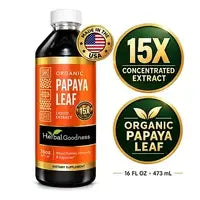
- Young leaves, due to higher moisture, spoil faster, while mature leaves can be more stable when properly dried. For a highly stable ready-to-use product, Organic Papaya Leaf Extract 16oz | 15X Liquid – Best Value Size provides consistent results batch after batch.
Questions to Ask Suppliers About Harvest and Processing
If you are purchasing papaya leaf (fresh, dried, or as an extract), seeking clarity from suppliers ensures the extract aligns with your needs. Here are tailored questions:
- What is the typical age or maturity stage of the leaves you use?
- Are the leaves sourced from specific papaya varieties or regions?
- How soon after harvest are they processed?
- What processing steps are used (drying temperature, extraction method, etc.)?
- Can you provide lab analysis for enzyme content or other quality indicators?
A reputable source will welcome these questions and be ready with answers. Herbal Goodness, for example, emphasizes transparent sourcing and careful processing with customer needs in mind.
Understanding the Big Picture: Why Leaf Maturity Matters
From a practical perspective, knowing the difference between young and mature papaya leaves empowers you to:
- Predict how an extract will taste in a beverage or recipe
- Select the optimal papaya leaf extract for crafts or kitchen projects
- Make informed choices about quality and processing when shopping ingredients
As the papaya leaf advances through its lifecycle, it shifts not just in taste and color but in the very building blocks—enzymes, phytonutrients, and texture—that define its uses. For every homemade experiment or new culinary adventure, leaf maturity can bring out subtlety or boldness, mildness or intensity, and set the foundation for quality in the final product.
Exploring papaya leaf age is an accessible way to deepen your hands-on understanding of this remarkable plant. No matter your intended use, mindful choice of leaf age helps ensure your papaya leaf extract delivers on both flavor and function.
Frequently Asked Questions
Question 1: Does the age of the papaya leaf affect the enzyme content in extracts?
Answer: Yes, mature papaya leaves have a higher concentration of enzymes, such as papain, compared to young leaves. For those seeking high-enzyme content, try Organic Papaya Leaf Extract 16oz | 15X Liquid – Best Value Size.
Question 2: Which is better for sensitive recipes or gentle skin care—young or mature papaya leaves?
Answer: Young papaya leaves are milder in both taste and enzyme activity, making them well-suited for delicate culinary recipes and gentle skin care solutions.
Question 3: How can I easily experience the difference between young and mature papaya leaf extracts?
Answer: Try a side-by-side infusion or use Papaya Leaf Extract - 1oz 15X Organic Liquid for a standardized mature leaf option, and compare it to fresh young leaves in your preparations.
Question 4: What if I want a papaya leaf product for supporting platelet health?
Answer: Check out Blood Platelet Support with Papaya Leaf | Organic 15X Liquid Extract or Papaya Leaf Extract Capsules 600mg | 10X Strength – Platelet Support for standardized dosage and convenience.
Question 5: Does papaya leaf tea differ from extract or capsule forms in taste and effect?
Answer: Yes, tea has a milder flavor and lighter enzyme profile, while extracts and capsules made from mature leaves have more concentrated taste and enzyme content. Papaya Leaf Tea | Organic 24 Premium Bags – Caffeine-Free is ideal for mild tea preparation.
Question 6: How do I know if a papaya leaf product is processed with the right harvest timing?
Answer: Always ask your supplier about harvest and processing practices; reputable brands provide this information. Herbal Goodness highlights transparency and quality for its papaya leaf products.
Question 7: Which papaya leaf product is most convenient for household use?
Answer: For convenience and versatility, Organic Papaya Leaf Extract 16oz | 15X Liquid – Best Value Size is popular for kitchen, craft, or wellness needs.
Choosing between young and mature papaya leaves empowers you to personalize flavor, aroma, and function in every homemade extract or beverage. Experiment with both types and consult trusted suppliers to get the best fit for your project.
About the Author
Herbal Goodness Editorial Team
The Herbal Goodness Editorial Team specializes in holistic health and superfoods, blending science and nature to educate and empower our community.
Related Articles
Flavor‑First Guide: How to Make Papaya Leaf Tea With Fresh Taste and Simple Blends
How Much Papaya Leaf Extract Should I Take? Serving Sizes, Labels, and Form Conversions
Low‑Waste Home Guide: Using Fresh and Dried Papaya Leaf
Papaya Leaf Juice and Kids: A Parent’s Guide to Platelet Questions and Evidence