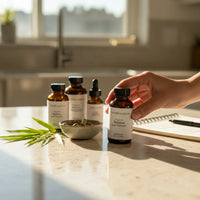
Which Bamboo Species Are Used in Extracts? Label Guide for Buyers

Bamboo leaf extracts have earned their spotlight in herbal wellness for their naturally high silica content and gentle flavor. But with so many products on the market—including concentrated options like 15X bamboo leaf liquid extracts—it can be tricky to figure out exactly which bamboo species are being used, what botanical names on the label mean, and how factors like plant region and part affect what ends up in your bottle. This beginner’s guide helps you decode labels, botanical names, and product details so that your search for the right bamboo leaf extract is rooted in knowledge, curiosity, and confidence.
Understanding Bamboo Species and Their Botanical Names
When browsing bamboo extracts online or in store, you'll often find scientific or botanical names listed alongside common names. Knowing these names is key to understanding product quality and origin.
Common Bamboo Species Used for Extracts
Several bamboo species are prized for their leaves and rich silica content. These are the most common botanical names you’ll see:
- Bambusa vulgaris – Widely cultivated and a favorite for herbal extracts due to its abundant leaves and high silica concentration. Leaves from this species typically yield a gentle, earthy flavor.
- Phyllostachys edulis (synonym: Phyllostachys pubescens, often called Moso bamboo) – Native to China, Moso bamboo’s leaves are a top choice for concentrated extracts, especially in Asian herbal traditions. Recognizable for their mellow, slightly grassy taste.
- Bambusa arundinacea (sometimes listed as Bambusa bambos) – Known for particularly robust leaves, this species has a strong history of traditional herbal use and notable silica content.
Why Botanical Names Matter
Botanical (scientific) names ensure you know exactly which species your bamboo extract is sourced from, as “bamboo” can refer to over 1,000 species worldwide. Product pages, ingredient lists, or supplement facts should always state the species (e.g., "Bambusa vulgaris leaf extract") so you can verify origin and compare options. This is especially important when assessing purity and potential flavor or texture differences.
How Plant Part and Region Influence Silica and Sensory Qualities
Bamboo extracts can be made from different plant parts (leaves, shoots, stems) and grown in various regions—all influencing the final product’s character.
Plant Part: Why Leaves Are Most Valued
- Leaf extracts are preferred for their rich reservoir of soluble silica and mild, almost tea-like flavor. Leaves generally yield the most balanced extract when it comes to silica content and smooth texture—perfect for concentrated formats like 15X liquid extracts.
- Shoots or stems may be labeled in some extracts, but these parts can introduce a more fibrous mouthfeel or stronger vegetal notes. Most high-silica herbal preparations focus on the leaves.
For those seeking a ready-to-use option, Bamboo Leaf Tea 24 Bags | Nature's Silica – Collagen & Biotin Support offers a convenient way to enjoy silica-rich leaf infusions and appreciate the taste profile prized by herbalists.
Region and Growing Conditions
Climate, soil, and farming practices play a crucial role in bamboo’s silica accumulation and flavor profile:
- Regions with mineral-rich soils—especially some areas in Asia and South America—produce leaves with higher natural silica levels. Labels may mention “source region” or note sustainable farming.
- Harvest time also matters: Leaves picked at their seasonal peak often test higher for beneficial trace elements, including silica.
What Does “15X Concentrated” Mean in Bamboo Leaf Liquid Extracts?
If you’ve seen “15X” or another number X label on a bamboo leaf extract, you’re looking at a concentrated product. This ratio refers to how much raw material was used to make the final extract:
- 15X Concentrate: 15 parts raw bamboo leaves are processed down to 1 part extract. This means a higher silica and plant compound density per drop, lending a richer texture and deeper flavor than standard infusions.
- Why Choose Concentrated Extracts? They allow for smaller serving sizes and easier mixing with liquids, making them a popular choice in both wellness routines and culinary experiments.
Bamboo Leaf 15X Liquid Extract – Silica, Collagen & Biotin can be a complementary addition for those looking into concentrated silica and collagen boosters to support skin vibrancy alongside bamboo leaf.
Always check that the label clearly states the extract ratio and the plant part (such as "15:1 bamboo leaf extract from Bambusa vulgaris"). This information helps ensure you’re getting the quality and type of extract you expect.
Decoding Bamboo Extract Labels: What Shoppers Should Look For
Botanical Name and Plant Part
Always scan the label or product page for precise species and plant part information:
- Look for statements like: “Phyllostachys edulis leaf extract,” “Bambusa arundinacea leaf concentrate,” or similar.
- Avoid vague ingredients like simply “bamboo extract” without further detail. Lack of specificity can signal a blend or lower-tier source.
Extraction Method and Concentration Ratio
Transparent brands often describe how their extracts are made:
- Extraction method: Water, hot water, or hydroethanolic methods are favored for preserving silica and flavor from the leaves.
- Concentration: “15X,” “10:1,” or “20:1” denote a concentrated product. Higher ratios mean a denser product—ideal if you want more actives in less volume.
Region of Origin and Quality Notes
- Some labels describe the region or country of bamboo cultivation, which influences flavor, ethical sourcing, and ecological values. If you have preferences for region (e.g., Asian, South American, etc.), check packaging notes or ask the supplier.
- Look for references to sustainable or organic growing practices if these are priorities for you.
Ingredient Transparency and Additives
- Pure bamboo leaf extracts should list only the botanical name and base liquid (like water or glycerin).
- If other ingredients are present, such as flavors or preservatives, they should be clearly disclosed.
- Labels with “NO fillers” or “NO artificial flavors” allow you to shop according to your values.
Spotting Quality in Bamboo Extract Photos and Descriptions
Online shopping for bamboo leaf extracts sometimes means you rely on photos and written descriptions just as much as ingredient lists. Here are visual and contextual clues to look for:
Color and Texture in Product Photos
- High-quality extracts often have a golden to amber liquid color (for leaf-based concentrates). Very pale or cloudy colors may signal poor extraction or use of non-leaf parts.
- Bottled extracts should appear smooth, with no visible plant debris at the bottom.
For those interested in tea infusions, Bamboo Leaf Tea 24 Bags | Nature's Silica – Collagen & Biotin Support is an easy way to visually inspect and taste the natural flavor and color of bamboo leaf in a trusted, measured format.
Packaging Clues
- Extracts in tinted glass bottles are typically chosen for preserving freshness and protecting silica levels.
- Accurate, readable labels listing “bamboo leaf extract,” species, extraction ratio, and lot number are signs of a reputable maker.

Description Words to Notice
- Claims like “15X concentrate,” “standardized to silica,” or “single-species leaf extract” speak to attention to quality and transparency.
- Descriptions referencing a clean, mild, subtly earthy flavor are a good sign for those who value taste along with silica content.
How Silica Levels Relate to Species, Label Clues, and Your Shopping Decisions
Silica, the primary reason most people seek out bamboo leaf extracts, is naturally variable based on species and extraction process. Here’s how you can use label information to help estimate silica levels:
Species and Silica
- Bambusa vulgaris and Phyllostachys edulis are both naturally high in plant-based silica, especially when extracted from leaves at maturity.
- If a label calls attention to silica but lists another species, research that particular type’s typical composition before choosing.
To maximize plant-based silica intake, Bamboo Leaf Organic 15X Liquid Extract | Silica, Collagen & Biotin delivers a measured and highly concentrated format ideal for daily routines, offering transparency in species and extraction method.

Leaf vs. Whole Plant
- Leaf-based extracts almost always deliver a smoother, more concentrated silica profile. Choices labeled “leaf extract” are favored for mineral content and gentle flavor; stem or “whole plant” extracts may have different strengths.
Extraction Ratio
- The higher the “X” or “:1” number, the more concentrated the extract. For example, “15:1” or “15X” label extracts may list milligrams of silica per serving, helping you compare choices more confidently.

Practical Steps for Comparing 15X Bamboo Leaf Liquid Extracts Online
- Check the Ingredient List: Look for bamboo botanical name, ideally “leaf extract,” concentration ratio, and country/region of cultivation.
- Examine Product Photos: Seek golden, clear liquid; professional, legible labels; and real product shots rather than stock images.
- Read Product Descriptions Carefully: Does it specify “leaf”? “15X/15:1”? Reference silica or plant compounds? The more detail, the better.
- Consider Brand Philosophy: Does the brand discuss sustainable sourcing or purity? Bamboo leaf extraction practices often reflect broader ecological values.
- Contact Seller or Brand (like Herbal Goodness): If you have questions about species, region, or extraction method, reach out to customer support for clarity before buying.
For readers interested in exploring a variety of clean, plant-based wellness infusions, our organic herbal teas provides an opportunity to experiment with teas, including bamboo leaf and more, all in organic quality.
Summing Up: Confident Shopping for Bamboo Extracts
Understanding which bamboo species go into your extract, spotting their botanical names, and parsing label clues empowers you to make smart, values-focused shopping choices. Paying attention to details—species, plant part, region, and concentration—lets you enjoy bamboo leaf extracts that fit your flavor preferences and goals, all while appreciating the natural gift of silica these remarkable plants provide.
Frequently Asked Questions
Question 1: What botanical names should I look for on bamboo leaf extracts?
Answer: When shopping for quality extracts, look for labels listing species like Bambusa vulgaris or Phyllostachys edulis, and prioritize products like Bamboo Leaf Tea 24 Bags | Nature's Silica – Collagen & Biotin Support for clear species information.
Question 2: How do I know if a bamboo extract is high in silica?
Answer: Check that the product specifies a leaf extract from high-silica species and a concentration ratio (such as 15X), as found in Bamboo Leaf Organic 15X Liquid Extract | Silica, Collagen & Biotin.
Question 3: Why are 15X bamboo extracts considered better?
Answer: 15X refers to a denser extract, using 15 parts leaves for every 1 part final product. This gives you more active plant compounds and silica per drop compared to non-concentrated infusions.
Question 4: Are there products that blend bamboo and other beauty-supporting herbs?
Answer: Yes, products like Beauty Builder 15X Liquid Extract | Skin & Collagen Wellness Support combine key herbal ingredients that support skin vibrancy, silica intake, and overall wellness.
Question 5: What's the best way to try bamboo tea for silica?
Answer: Opt for ready-to-brew options such as Bamboo Leaf Tea 24 Bags | Nature's Silica – Collagen & Biotin Support, which make it easy to enjoy the natural taste and benefits.
Question 6: How should I decode bamboo extract labels when shopping online?
Answer: Look for detailed ingredient lists (species, part, ratio), professional golden-colored extract photos, and non-generic terms. A product like Bamboo Leaf Organic 15X Liquid Extract | Silica, Collagen & Biotin sets the standard for label clarity.
Ready to shop for quality bamboo leaf liquid extracts? Use this guide to decode labels and species names, ensuring your next selection aligns with your preferences and values.
About the Author
Herbal Goodness Editorial Team
The Herbal Goodness Editorial Team specializes in holistic health and superfoods, blending science and nature to educate and empower our community.
References
Why Social Impact Matters in Plant-Based Wellness