





What Determines the Price of Avocado Leaf Extract? A Consumer’s Guide

Avocado leaf extract has become a sought-after addition for those interested in plant-based wellness products. But as you start shopping, one thing quickly stands out: the price tags on bottles can vary substantially—sometimes by more than double for similar-looking products. What drives this price difference, and how can customers make informed comparisons without getting bogged down in confusing jargon or bold product claims? This guide explores, in plain language, the factors behind avocado leaf extract pricing, allowing you to shop smartly and confidently.
The Harvest: Timing and Cultivar Matter
The Impact of Harvest Timing
Not all avocado leaves are created equal. The period when leaves are picked affects flavor, aromatics, and concentration of bioactive compounds. Extracts sourced from leaves harvested at their peak—neither too young nor too old—are often priced higher. Why? These leaves are typically more labor-intensive to source, and their profile may support a more nuanced finished product.
Choosing the Right Cultivar
Avocado comes in numerous cultivars, each with subtle differences in leaf profile. Some cultivars are prized for their uniquely aromatic leaves, requiring special cultivation or harvesting conditions. Extracts derived from specialty cultivars may command a premium due to limited supply or unique qualities. Shoppers can usually spot these by reading product descriptions for specific cultivar names. For those seeking alternatives with distinctive plant profiles, Guava Leaf - Organic 1oz 15X Liquid Extract - Immunity & Herbal Health can offer unique aromatic properties while supporting wellness.
Extraction Methods: The Secret Behind Quality and Cost
Solvent-Based Extraction
One of the most common processes utilizes food-grade solvents such as ethanol or water to extract beneficial compounds from avocado leaves. This method is relatively efficient and affordable, resulting in cost-effective products. However, the type of solvent and the duration of extraction can influence flavor and color—subtle factors that may also affect price, similar to the characteristics valued in Avocado Leaf - Organic 1oz 15X Liquid Extract - Immunity & Heart Health.
Cold-Pressed vs. Heat-Assisted Extraction
Cold-pressing involves extracting the leaf's essence at low temperatures, preserving delicate volatiles and certain desirable compounds. This process requires specialized equipment and can yield smaller amounts, often raising production costs. Heat-assisted extraction, while more productive, can alter flavor and fragrant elements, and is usually less expensive. For those interested in gentle extraction, Black Seed Oil 8oz - Cold-Pressed Liquid - Immunity & Wellness is an example of how cold-pressed techniques influence product quality.
Concentration Levels
The concentration—or strength—of the final product is a major price driver. Higher concentration extracts require more leaf material and multiple processing rounds, increasing raw material and labor costs. Products listing ratios such as “10:1” or indicating a higher percentage concentration generally reflect this extra investment in the finished extract. For shoppers who value potent options, examining ratios on the label—such as in avocado leaf extracts or in Papaya Leaf Extract - Capsules 600mg - 10X Strength—can clarify the true value.
Certified Organic: A Marker of Quality and Price
The Value of Organic Certification
Securing certified organic status involves rigorous third-party audits and strict farming practices. Everything from fertilizer sources to water management is scrutinized, and synthetic additives are strictly avoided. This certification provides assurance regarding growing and processing, which often justifies a higher price tag. For discerning consumers, taking a close look at the certification labels can help narrow down trustworthy options. Avocado Leaf Tea - Organic 24/2g Tea bags - Immunity & Heart Health is an example of a product marked by reputable organic certification.
Third-Party Testing: Transparency and Trust
Independent lab testing enhances consumer trust by verifying purity and safety. These processes entail an additional expense for companies, reflected in the pricing. Look for products referencing third-party audits, Certificates of Analysis (COA), or independent verification to ensure full disclosure. This is especially important for those interested in clean formulations such as those or seeking full transparency like Papaya Leaf Extract - Organic 1oz 15X Liquid - Blood Platelet.
Packaging Choices: More Than Just Looks
Types of Packaging Materials
When it comes to packaging, choices go beyond aesthetics. Amber glass bottles, for instance, offer superior light protection compared to clear glass or plastic, which extends the shelf life of sensitive plant extracts. This packaging tends to cost more to produce and ship, passing on a slight premium to shoppers. Those comparing herbal extracts might notice the benefit in options packaged in amber glass, such as Avocado Leaf - Organic 1oz 15X Liquid Extract - Immunity & Heart Health.

Environmental Considerations
Eco-friendly and biodegradable packaging options are often promoted with specific claims or seals. These materials may command a premium due to sourcing and manufacturing expenses. Shoppers prioritizing sustainability may find the added cost worthwhile, but it is helpful to weigh the price difference against the product’s overall value. One popular alternative for sustainable practices is the use of herbal teas, including Herbal Tea Trio - Guava, Hibiscus & Avocado Bundle – Refreshing Tea Collection, often presented in earth-friendly packaging.
Supply Chain and Distribution: The Final Mile
Local vs. International Sourcing
The journey from farm to shelf plays a significant role in final pricing. Extracts produced locally may benefit from shorter supply chains and reduced transportation expenses, sometimes lowering cost. However, boutique producers with sustainable local supply chains can also incur higher costs, particularly for small-batch, handcrafted products. This dynamic is true for many specialized liquid extracts and wellness blends.
Import Fees and Logistics
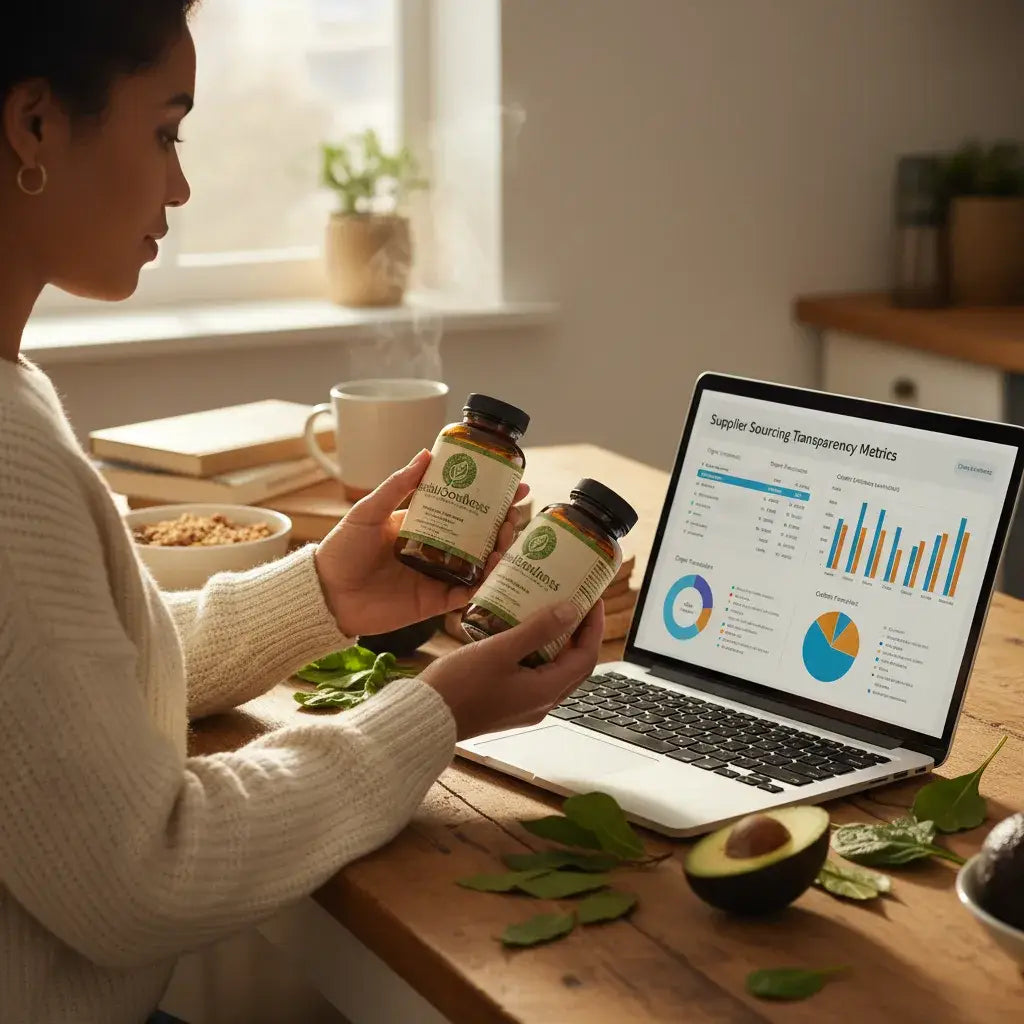
Avocado leaf extract produced in countries with favorable growing climates—such as Mexico or certain regions in South America—faces import duties, regulatory scrutiny, and transport costs that can influence retail pricing. Products that come with full traceability, batch information, or direct-from-farm partnerships may reflect these costs in their prices. Similar processes apply to internationally sourced and ethically traded options like Soursop Leaf Graviola Extract - - Organic 15X Liquid Extract - Cell Renew & Immunity, with traceability supporting consumer trust.
How to Assess True Value: Comparing Cost-Per-Use
Understanding Serving Sizes
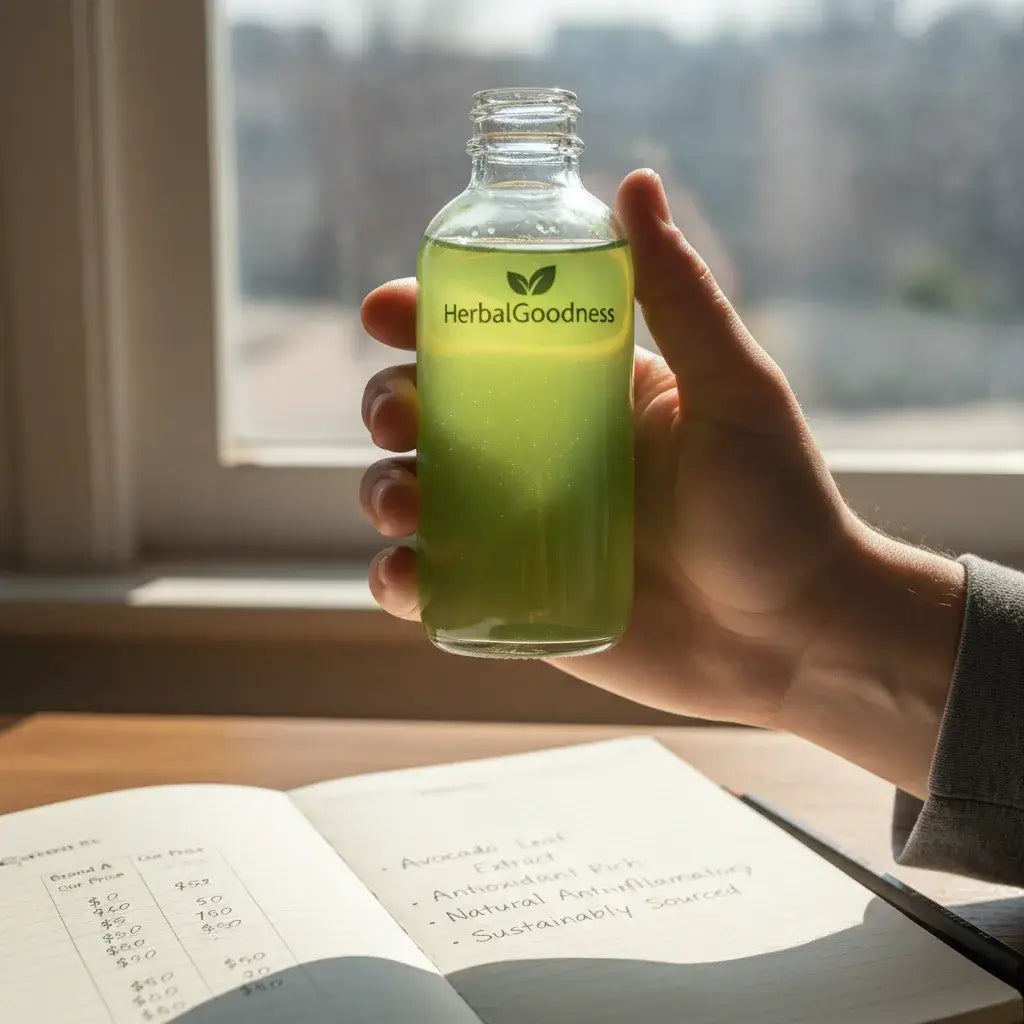
When comparing brands, always check the size of the container, the number of servings, and the strength per serving. For example, a 4oz bottle that lasts 60 servings may actually be less expensive per use than a smaller, cheaper bottle offering only 20 servings. Breaking down the price into a “cost-per-use” number gives a fairer comparison than comparing sticker prices alone. Similarly, evaluating per-use price is effective for other herbal formulas, such as Papaya Leaf Extract 10X - 600mg Capsule - Platelet & Digestive Aid.
Calculating Cost-Per-Use
Divide the total price by the number of servings provided. This metric helps normalize cost across different brands and formulations, giving you a clearer picture of value.
Example: If a bottle costs $40 and contains 80 servings, each serving costs $0.50. Compare this to a $25 bottle with only 30 servings—each serving would be about $0.83, meaning the larger bottle actually offers more value. Bundles like Herbal Tea Gift Set – Wellness Tea Gift Variety Collection - Organic 24 Teabags enable value comparisons across varieties for savvy shoppers.
Shoppers’ Checklist: Spotting Label Red Flags
- Transparent Labeling: Look for detailed information regarding leaf source, extraction method, and concentration. Vague or generic descriptions may hide lower-grade ingredients or processes. Transparency is emphasized by brands providing access to COAs, such as Papaya Leaf Extract Blood Support - Organic 1oz 15X Liquid Extract - Platelet Health.
- Ingredient List: Single-ingredient or “clean label” products often provide better transparency. Watch for unnecessary additives or fillers. The clean labeling of Avocado Leaf Tea - Organic 24/2g Tea bags - Immunity & Heart Health is a trusted choice.
- Certification Logos: Verified organic or third-party tested logos provide assurance about claims made on the label. Bundle tea collections, such as Herbal Tea Trio - Guava, Hibiscus & Avocado Bundle – Refreshing Tea Collection, often display multiple certifications.
- Batch Numbers and COAs: Brands listing batch numbers and linking to Certificates of Analysis offer a transparency boost. Lack of such info should prompt questions.
- Cost vs. Concentration: Beware of products that appear very inexpensive but omit serving size, concentration, or extraction ratio details. Always verify stated potency, just as you would for Avocado Leaf - Organic 1oz 15X Liquid Extract - Immunity & Heart Health.
- Eco-Friendly Packaging Claims: If promoting sustainability, look for supporting certifications or detailed descriptions.
Simple Summary: Making Informed Choices
Avocado leaf extract pricing is shaped by a combination of factors, from the specifics of harvest time and cultivar selection, to complex decisions around extraction, packaging, and certification. The presence of independent verification, precise labeling, and environmental consideration all contribute to both value and trustworthiness. By comparing cost-per-use and taking a close look at label details, shoppers can find a product that matches their values as well as their budget—all without needing an advanced degree in horticulture. A thoughtful approach ensures the best experience and satisfaction when exploring the growing world of avocado leaf extract.
FAQs:
- Why do avocado leaf extract prices vary so much between brands?
Prices differ due to harvest timing, specific avocado cultivars, extraction techniques, concentration levels, organic certification, third-party testing, packaging, and supply chain logistics. Each factor contributes to a product's overall quality and price.
- How can I compare different avocado leaf extract products for value?
Break down the price per serving by dividing the total cost by the number of servings. Check labels for concentration and extraction method to ensure similar comparisons.
- What should I look for on avocado leaf extract labels?
Look for clear sourcing information, extraction methods, concentration levels, third-party testing, organic certification, and batch numbers. Transparency is key for informed purchasing.
- Does organic certification affect avocado leaf extract price?
Yes. Organic certification requires adhering to strict agricultural and manufacturing practices, often increasing production costs and, subsequently, retail prices.
- What are red flags when evaluating avocado leaf extract packaging?
Vague or missing information about ingredients, concentration, batch numbers, or third-party testing are common red flags. Look for complete transparency.
Author Name:
Herbal Goodness Editorial Team
Author Bio:
The Herbal Goodness Editorial Team specializes in holistic health and superfoods, blending science and nature to educate and empower our community.
References:
Introducing Graviola to Young Taste Buds: Fun, Family-Friendly Flavor Exploration