Vitamin D and Its Role in Overall Health and Well-Being

Vitamin D, often referred to as the "sunshine vitamin," is a vital nutrient that supports various essential bodily functions. It plays a key role in maintaining bone health, immune function, and overall well-being. Despite its importance, many people suffer from vitamin D deficiency without even realizing it. In this blog post, we will explore the role of vitamin D in the body, the effects of its deficiency, and how you can support your health with food high in vitamin D and vitamin D supplements.
The Role of Vitamin D in the Body
Vitamin D is crucial for several bodily processes. One of its primary functions is helping the body absorb calcium and phosphorus, two essential minerals that contribute to maintaining healthy bones and teeth. Without sufficient vitamin D, the body cannot properly use calcium, potentially leading to weakened bones over time. This is why it is especially important to maintain adequate vitamin D levels throughout life.
In addition to its role in bone health, vitamin D also supports the proper functioning of the immune system. Research suggests that this nutrient helps in regulating the immune response and supports the body’s ability to stay resilient. Furthermore, vitamin D is involved in muscle function and may play a role in mood regulation and mental well-being.
Vitamin D Deficiency: A Growing Concern
Vitamin D deficiency is a widespread issue, affecting people of all ages. The primary source of vitamin D is sunlight, but many people do not get enough sun exposure, especially those who live in areas with limited sunlight or spend much of their time indoors. As a result, vitamin D deficiency can develop, potentially impacting various areas of health.
The symptoms of vitamin D deficiency may not always be immediately noticeable, and in many cases, people may not realize they are lacking this important nutrient. Some common signs include feelings of fatigue, discomfort in the bones, and muscle weakness. If left unaddressed, a vitamin D deficiency may make it more challenging for the body to function optimally.
While sun exposure is the best natural source of vitamin D, it's not always feasible for everyone to get enough. For those living in regions with long winters, working indoors, or having limited access to sunlight, vitamin D supplements can be a practical solution to help maintain adequate levels of this nutrient.
Benefits of Vitamin D Supplements
For those unable to get sufficient vitamin D from sunlight or diet, vitamin D supplements can provide several benefits, including:
-
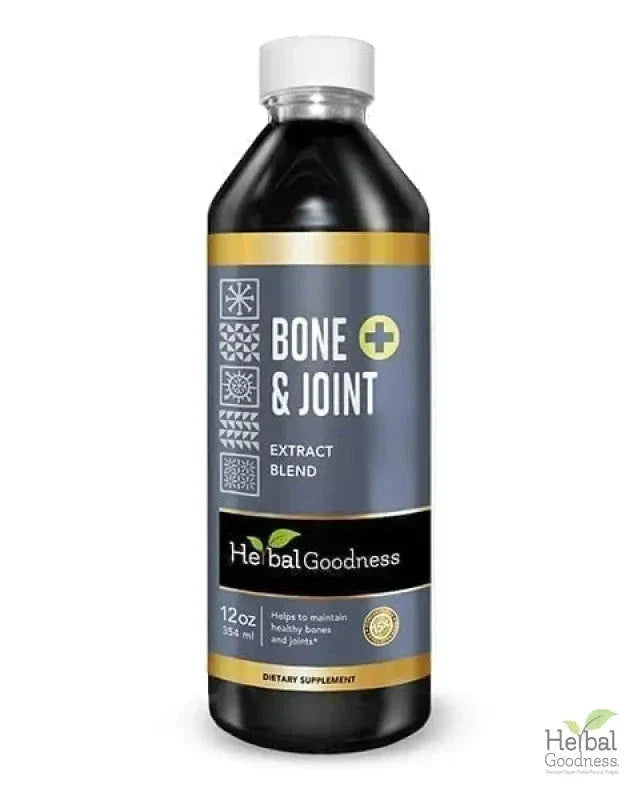 Support for Bone Health: Adequate levels of vitamin D help the body absorb calcium, which is essential for strong bones. Supplementation may help promote bone health, especially in individuals at risk for bone-related concerns.
 -
Immune Function: Vitamin D plays an important role in supporting the body’s immune system, helping maintain the body's natural defenses.
-
Muscle Function: Proper vitamin D levels are vital for muscle strength and function, making it important for those looking to maintain overall physical health and well-being.
-
Mood and Mental Well-being: Some studies suggest that vitamin D may have a role in supporting emotional well-being, as its levels are often linked to a positive mood and overall mental health.
Food High in Vitamin D
In addition to vitamin D supplements, there are several foods high in vitamin D that can help you maintain your nutrient levels:
-
Fatty Fish: Fish like salmon, mackerel, and tuna are excellent sources of vitamin D. A small serving of salmon can provide over 100% of the recommended daily intake of vitamin D.
-
Cod Liver Oil: Cod liver oil is an incredibly rich source of vitamin D, offering a potent dose in just one tablespoon.
-
Egg Yolks: Eggs, particularly the yolk, contain a small but significant amount of vitamin D. One large egg typically provides around 40 IU of vitamin D.
-
Fortified Foods: Many foods, such as milk, orange juice, and breakfast cereals, are fortified with vitamin D. These fortified foods are an excellent option for individuals who are not getting enough vitamin D from natural sources.
How Much Vitamin D Do You Need?
The recommended daily intake of vitamin D varies based on age, lifestyle, and specific health needs. Here are the general guidelines for vitamin D intake:
-
Infants (0-12 months): 400 IU/day
-
Children (1-18 years): 600 IU/day
-
Adults (19-70 years): 600 IU/day
-
Adults (70+ years): 800 IU/day
-
Pregnant and breastfeeding women: 600 IU/day
If you live in an area with limited sunlight, are indoors for long periods, or have dietary restrictions, you may require more vitamin D than the average recommendations. It’s important to talk to your healthcare provider to determine if you need more vitamin D based on your individual circumstances.
Signs of Vitamin D Deficiency
While some people may not show obvious symptoms of vitamin D deficiency, others may notice signs such as:
-
Feeling tired or fatigued
-
Bone discomfort or muscle weakness
-
Low mood or changes in emotional well-being
If you experience any of these symptoms or suspect you may be lacking vitamin D, a simple blood test can determine your vitamin D levels. Consulting with your healthcare provider is essential to properly address any nutrient imbalances and maintain overall health.
Conclusion
Vitamin D is a crucial nutrient that supports bone health, immune function, and overall well-being. Vitamin D deficiency can negatively impact several areas of health, but it is easy to address through sun exposure, diet, and vitamin D supplements. By including food high in vitamin D in your diet and considering supplementation when needed, you can ensure you are getting enough of this essential nutrient.
Remember, vitamin D is vital for maintaining a healthy, balanced lifestyle. Whether through sunlight, food, or supplements, be sure to prioritize your vitamin D intake to support your long-term health.
Click here to explore Herbal Goodness Collections