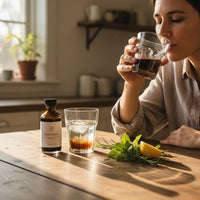
Understanding the Dangers of Herbal Supplements: A Consumer Safety Guide

Herbal supplements appear everywhere today—from grocery store shelves to online shops—promising myriad benefits rooted in ancient traditions. Their natural appeal can make them seem harmless, but for the modern consumer, it’s vital to approach herbal supplements with informed caution. This comprehensive primer unpacks the key dangers of herbal supplements, explains warning signs on labels and listings, and empowers you to make safer, more confident choices in the face of an unregulated and fast-evolving market.
Why Understanding Herbal Supplement Risks Matters
Herbal supplements remain only lightly regulated in many regions, including the United States. Unlike pharmaceuticals, these products do not undergo pre-market review for safety or efficacy by the FDA. As a result, consumers carry the responsibility for scrutinizing product purity, sourcing, and reputation. Mislabeling, contamination, adulteration, and uncertain potency are not rare occurrences. Understanding these risks and how to navigate around them helps keep your wellness journey informed and secure.
When considering any supplement—like Organic Papaya Leaf Extract 16oz | 15X Liquid – Best Value Size—thorough research on the brand and contents is always an essential first step.
Primary Risks Linked to Herbal Supplements
Mislabeling: When Labels Don’t Match Reality
Mislabeling occurs when what’s inside a supplement container doesn’t reflect what’s on its label. This can include errors in ingredient lists, missing information on manufacturing processes, or even inclusion of ingredients not advertised. Mislabeling can be unintentional or deliberate, but either way, it adds uncertainty for the consumer. Carefully reviewing product details and recognizing discrepancies is key to navigating this risk.
Red flags include:
- Incomplete botanical names (e.g., “Ginseng” rather than “Panax ginseng”)
- Unclear ingredient sources
- Lack of declared concentrations (such as standardized extract percentages)
For example, many reputable companies provide Soursop Leaf Graviola Extract 15X Liquid | Organic Cell & Immunity with full ingredient transparency and proper labeling, which sets them apart from generic or vague products.
Contamination: Unwanted Substances in the Mix
Contamination refers to the presence of unwanted substances in herbal supplements, such as heavy metals, pesticides, or microbes. Sometimes, during cultivation or manufacturing, plants may absorb harmful substances from the environment, or equipment may not be cleaned properly between production batches. Even trace contamination can present risks, particularly for prolonged or frequent use.
Spotting potential contamination:
- Look for clear sourcing details: trusted brands disclose region and cultivation method
- Seek products validated as organic or that reference non-detectable contaminant levels
If you choose options labeled organic, such as Blood Platelet Support with Papaya Leaf | Organic 15X Liquid Extract, you increase your odds of finding teas and extracts manufactured with elevated attention to purity.
Adulteration: Hidden or Unlisted Additions
Adulteration happens when compounds not listed—or flatly prohibited—are added to an herbal supplement. These might be pharmaceutical agents or other herbs, intended to boost effects or reduce production costs. Adulterated products pose a heightened risk for unexpected effects or unwanted interactions, particularly if you are already sensitive to certain substances.
Red flags for adulteration:
- Claims of “quick results” or exaggerated effects
- Supplements that are substantially less expensive than market norms
- Lack of third-party testing or lab certification
When you evaluate supplements, opt for products like Organic Papaya Leaf Extract 16oz | 15X Liquid – Best Value Size that emphasize batch-testing and certification. These brands tend to be transparent and provide up-to-date COAs, reducing risk considerably.
Inconsistent Potency: Variable Strength Batch-to-Batch
Plant compounds can vary naturally due to season, region, or harvest method. Without standardized manufacturing processes and rigorous testing, potency in herbal supplements may differ between batches. Consumers may find that a supplement worked previously but does not appear to deliver the same result after repurchasing, or vice versa.
Warning signs related to inconsistent potency:
- No notation of standardization (e.g., “standardized to 10% polyphenols”)
- Absence of batch or lot numbers on packaging
- Vague serving size or dosage recommendations
Among batch-tested supplements, those like Soursop Leaf Graviola Extract 15X Liquid | Organic Cell & Immunity state clear standardization details and batch information, providing customers assurance that the product matches its description every time.

Regulatory Gaps: The Market’s Blind Spots
Herbal supplements occupy a gray area in regulatory oversight. In the United States, for example, the FDA monitors supplements for gross adulteration and false claims but does not test every product before it reaches the shelf. This leaves room for subpar or unsafe products to enter the marketplace. Understanding what agencies and independent labs do—and do not—verify can help you become a more discerning consumer.
Know the regulatory realities:
- Most testing is done after issues arise, not before sale
- Genuine third-party certifications (USP, NSF, ConsumerLabs) show willingness toward transparency
A product with certified organic labels, such as Blood Platelet Support with Papaya Leaf | Organic 15X Liquid Extract, often demonstrates adherence to higher safety standards and regulatory compliance.
How to Read an Herbal Supplement Label for Safety
A label tells a story. Here’s how to interpret what matters most:
- Full botanical name: Look for the scientific name, not just the common name
- Part of plant used: Leaf, root, seed, etc., should be specified
- Standardization: Reputable supplements state the concentration of active compounds
- Expiration date and lot number: Ensures freshness and traceability
- Third-party certification: Indicates external validation
Be cautious with products using vague, non-specific language or omitting key details.
Decoding Third-Party Test Results (COAs)
A Certificate of Analysis (COA) is a report from an independent laboratory, offering insight into the contents and quality of a supplement batch. Reviewing COAs can help consumers validate claims and spot hidden dangers.
To interpret a COA, look for:
- Identification: Does the lab confirm the main herb using test results?
- Purity: Are there screenings for heavy metals, pesticides, or other contaminants?
- Potency: Does the tested amount of active compounds match what the product claims?
- Microbial status: Is there assurance about absence of problematic microbes?
If a supplement company offers COAs, always check that they come from a reputable, accredited testing facility, are batch-specific, and are up to date.
Supplements like Organic Papaya Leaf Extract 16oz | 15X Liquid – Best Value Size frequently offer easy access to COAs, creating another layer of consumer protection.

What to Ask Sellers Before Purchasing Herbal Supplements
Empowering yourself with smart questions is one of the best defenses against risk. Start with the basics, and go deeper as needed:
- Where are the herbs sourced and how are they grown?
- Do you have Certificates of Analysis and third-party test results available for each batch?
- How do you guarantee purity and potency in your products?
- Are allergens, fillers, or artificial additives used in your manufacturing process?
- What is your process for preventing contamination or adulteration?
- What steps are taken if a product is recalled or found to be substandard?
Reputable sellers, including options found through Soursop Leaf Graviola Extract 15X Liquid | Organic Cell & Immunity, should be able to answer these inquiries quickly and clearly.
Crafting a Simple Safety Checklist for Herbal Supplements
Adopting a systematic approach each time you consider a new supplement reduces your chances of encountering avoidable problems. Use this checklist as your personal safety tool:
- Review the label for clarity and completeness
- Check for presence of third-party verification and valid COAs
- Research company sourcing and manufacturing practices
- Assess for red flags: aggressive marketing claims, unusually low pricing, vague labeling
- Note and monitor for any responses in your personal trial (energy, comfort, changes)
- Track start date, serving sizes, and any observed effects in a notebook or app
- If uncertain, consult a qualified health practitioner before continuing use
For those who require immune system or platelet health support, Blood Platelet Support with Papaya Leaf | Organic 15X Liquid Extract is an example of a supplement where sourcing, batch-testing, and certification details are readily available. These companies provide maximum transparency, which helps ease the vetting process.

How to Monitor and Track New Herbal Supplement Experiences
Trying a new herbal supplement requires attentiveness and patience. To maximize your safety:
- Only introduce one new product at a time
- Keep records of what, when, and how much you take
- Note all unusual experiences, changes, or side effects—even subtle ones
- Pause use immediately if you observe any concerning changes, and seek professional guidance as needed
Conscientious documentation not only supports your safety but also helps product manufacturers and regulatory agencies maintain higher standards across the supplement industry.
The Role of Trusted Brands and Transparent Sourcing
Choosing a reputable source for herbal supplements is an important safeguard. Trusted companies like Herbal Goodness emphasize rigorous sourcing protocols, third-party testing, transparent labeling, and sustainable practices. Ensuring product integrity from field to bottle reduces the risk of contamination, adulteration, and mislabeling. Even so, always rely primarily on independent information—external COAs, consumer reviews, and regulatory updates—to make the most informed decisions.
A well-documented and certified herbal supplement, such as Soursop Leaf Graviola Extract 15X Liquid | Organic Cell & Immunity, can be a positive and empowering part of your wellness journey, provided you approach them with curiosity, evidence, and caution. By learning to identify risks and asking the right questions, you’ll become an active, knowledgeable participant in your own health and safety.
Frequently Asked Questions
Question 1: How can I verify the safety of an herbal supplement?
Answer: Look for supplements with clear labeling, batch or lot numbers, and independent third-party test results. Products like Organic Papaya Leaf Extract 16oz | 15X Liquid – Best Value Size often provide COAs for each batch.
Question 2: What makes a supplement less likely to be contaminated?
Answer: Supplements validated as organic and those from reputable brands—such as Soursop Leaf Graviola Extract 15X Liquid | Organic Cell & Immunity—are held to stricter purity standards and provide more transparency about their sourcing and processes.
Question 3: Are standardized extracts safer to use than non-standardized ones?
Answer: Yes, standardized extracts, such as those offered with consistent ingredient profiles and labeled concentrations, help ensure each batch matches the product description. This helps minimize risks of inconsistent potency.
Question 4: What are common red flags to avoid when shopping for herbal supplements?
Answer: Be wary of vague labeling, exaggerated health claims, unusually low prices, and lack of third-party testing. Products without batch or COA information may present higher risks.
Question 5: Can herbal supplements interact with my medications?
Answer: Yes. Always consult a qualified health practitioner before starting any new supplement, and introduce one product at a time. Keeping documentation helps you and your provider monitor for interactions.
Question 6: Why are third-party certifications important?
Answer: Certifications, such as those on Blood Platelet Support with Papaya Leaf | Organic 15X Liquid Extract, show that a product has undergone independent quality and safety testing, offering an extra layer of consumer assurance.
Question 7: How do I choose a trustworthy herbal supplement brand?
Answer: Seek brands that provide detailed information about sourcing, manufacturing, and testing. Choose products with third-party certification and easy access to batch-specific COAs.
Stay curious and keep safety at the center of your supplement choices. As you navigate the world of herbal products, let knowledge and due diligence guide your path for a more confident and empowered wellness journey.
About the Author
Herbal Goodness Editorial Team
The Herbal Goodness Editorial Team specializes in holistic health and superfoods, blending science and nature to educate and empower our community.
Related Articles
Buy 15X Papaya Seed Extract: DIY vs Commercial Compared
How Much Papaya Leaf Extract Should I Take? Serving Sizes, Labels, and Form Conversions
Buy Herbal Immune Support: Tea vs Tincture vs Capsules Guide
Bulk Herbal Tea Sourcing: Understanding COAs Before You Buy
Privacy-Smart Shopping: Research Blood Platelet Plus Capsules Online