The Ecology of Energy Herbs: Sustainability in Sourcing and Harvest

The Ecology of Energy Herbs: Sustainability in Sourcing and Harvest
Plant-based energy has captured the curiosity of consumers seeking vibrant well-being with a lighter footprint. But what do you really know about where your favorite energy herbs—like yerba mate, guayusa, matcha, ginseng, maca, guarana, cacao, and energy-supportive mushrooms—come from? Beyond the buzzwords and eco-labels, the ecology of energy herbs is a fascinating journey through rainforests, highlands, and centuries-old traditions. The way these herbs are grown, harvested, and sourced shapes not only their taste and composition but their impact on people and planet. Let’s dig into the roots of energy herbs and understand how your daily ritual can support fair, sustainable practices worldwide.
Mapping the Origins: Where Energy Herbs Come From
Yerba Mate: The South American Tradition
Native to subtropical South America, yerba mate (Ilex paraguariensis) grows in the wild understories of Argentina, Paraguay, and Brazil. It's traditionally consumed in local communities through communal mate-drinking rituals. Today, wild-harvested and shade-grown yerba mate often reflects older ecological methods, while plantation-grown options tend to be more intensive.
Guayusa: The Ecuadorian Rainforest Leaf
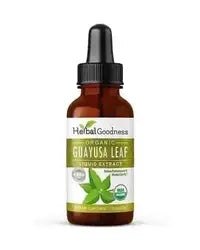
Guayusa (Ilex guayusa) thrives in the upper Amazon of Ecuador, where it plays a central role in indigenous cultures. Grown mainly by smallholder Kichwa farmers, its gentle caffeine content offers refreshing energy that supports indigenous economies and cultural survival. For those interested in plant-based energy from the Amazon, Guayusa Leaf - Organic 1oz 15X Liquid Extract - Energy & Natural Caffeine is one of the cleanest options available and supports sustainable livelihoods.
Matcha: The Art of Japanese Green Tea
Matcha is shade-grown, stone-milled green tea hailing from Japan. Its cultivation and harvest are steeped in ritual, with shading methods varying by region to boost unique flavors and potent plant compounds. The microclimates of Uji and Nishio are especially prized—but water use, pesticide practices, and labor ethics in modern tea have major ecological significance.
Guarana: Amazonian Energy Berry
Guarana (Paullinia cupana), native to Brazil’s Amazon basin, has been used by indigenous people for centuries. The berries are valued for natural caffeine and harvested during the short fruiting season. Today, guarana’s boom in energy drinks places pressure on wild and cultivated stocks.
Ginseng and Maca: Roots From Opposite Worlds
Ginseng (Panax spp.) grows wild and farmed in temperate forests of East Asia and North America. Wild ginseng has been heavily foraged, making cultivation and conservation crucial to prevent depletion. Maca (Lepidium meyenii) roots thrive at high altitudes in the Peruvian Andes, where small farmer collectives manage its growth. The delicate Andean ecosystem requires careful stewardship to ensure maca’s long-term sustainability.
Cacao: From Forest Pod to Energy Boost
Cacao (Theobroma cacao) is another South American classic, grown primarily by smallholders in rainforest belts. The environmental impact of cacao farming depends on shade-growing, biodiversity preservation, and fair trade practices, as monoculture farming can threaten both people and forest ecosystems.
Energy-Supportive Mushrooms: Forest Wisdom
Certain mushrooms, like cordyceps and lion’s mane, are valued for energy and cognitive support. While some species are foraged wild, sustainable cultivation is growing in popularity to relieve pressure on native habitats and ensure reliable, clean harvests. An easy way to access a blend of these adaptogenic fungi is through a supplement such as Mushroom Blend - Organic 1oz 15X Liquid Extract - Adaptogens & Brain Power, ensuring consistent benefits without stressing native populations.

Cultivation and Harvest: How Ecology Affects Flavor and Value
The Impact of Farming Methods
- Shade-grown vs. Sun-grown: Shade-grown energy herbs—like yerba mate, matcha, and cacao—often have richer flavors and more complex nutritional profiles, as slower maturation in dappled light encourages unique plant compounds.
- Monoculture vs. Polyculture: Some large-scale operations grow just one crop, reducing biodiversity and increasing chemical use. Polyculture or agroforestry mimics natural forest systems, sheltering wildlife, preserving soil, and often delivering richer-tasting end products.
- Organic and Sustainable Approaches: Limiting the use of herbicides and synthetic fertilizers not only preserves pollinator health and water quality but can also result in more vibrant-tasting and nutrient-rich herbs. Selecting options with recognized certifications boosts overall confidence in the final product’s environmental standards.
Harvest Timing and Methods
- Peak richness: Many herbs are harvested at a precise moment for ideal potency and flavor. For example, matcha is picked during early spring for the greenest, most delicate leaves.
- Wild-harvest precautions: Overharvesting wild ginseng or mushrooms can endanger native stocks. Responsible brands partner with conservation organizations or cultivate these botanicals to offset pressure. A supportive choice is Lion's Mane Mushroom Liquid Extract - Organic 1oz - Brain & Mood, a cultivated extract that brings the benefits of lion’s mane while respecting wild species.
- Processing impact: Post-harvest handling, such as drying, fermenting, or milling, further affects the sensory qualities and herbal composition. For instance, stone-milled matcha retains delicate aromas lost in industrial grinding.

Fair and Sustainable Sourcing: More Than a Label
Decoding Eco-Labels & Certifications
Navigating herbal eco-labels can be overwhelming. Here are some common claims and what they mean:
- Organic: Grown without synthetic pesticides or fertilizers, supporting healthier soils and ecosystems.
- Fair Trade: Ensures living wages, safe conditions, and community investment for small farmers. Look for third-party certification.
- Rainforest Alliance: Focuses on biodiversity, forest protection, and social responsibility—often featured on cacao and yerba mate.
- Direct Trade: Brands buy directly from growers, fostering transparency and better returns for farmers, though standards can vary.
The Real-World Impact of Your Choices
- Community livelihoods: Choosing energy herbs sourced from smallholder farmers and cooperatives directly supports rural economies and indigenous cultural heritage. Sometimes, you’ll even find co-op grown teas such as Guayusa Leaf Extract Tea - Organic 24/2g - Energy & Focus Support - Herbal Goodness, which amplify community benefit.
- Conservation of wild species: Selecting cultivated, rather than wild-foraged, ginseng or mushrooms reduces the risk of overexploitation.
- Reducing chemical footprint: Favoring organic or regenerative options limits runoff, protecting waterways and non-target species in producing regions.
Questions to Ask Before You Buy Energy Herbs
Knowledge is power—especially when it comes to supporting ethical and sustainable sourcing. Consider these questions when selecting your energy herbs:
- Where and how is this herb grown? Is the origin disclosed?
- Does the brand support fair wages and long-term partnerships with growers?
- Are farming methods certified by a credible third party (organic, fair trade, regenerative)?
- How is the product harvested—wild-foraged, shade-grown, or monoculture?
- What measures are taken after harvest to ensure quality, safety, and minimal waste?
The answers to these questions provide clues about a brand’s true commitment to people and planet—not just marketing claims. For anyone wanting to enhance their sustainable wellness routine, integrating products like Energy and Vitality - 1oz 15X Liquid Extract - Energy & Performance, formulated from certified herbal blends, can be a confident step forward.
Common Sourcing Claims, Decoded
Understanding the fine print on packages can empower informed decisions. Here’s what some frequently seen labels really mean:
- “Wild harvested”: Often implies the plant is collected from its native environment, but without standards, this can risk overharvesting if demand is high. Ideally, brands work with monitored, sustainable wildcrafting protocols.
- “Single origin”: All herbs come from a specific location, which may help support traceability and unique terroir.
- “Regenerative”: Goes beyond organic by rebuilding soil health, increasing biodiversity, and restoring native habitats—though mainly used on larger farms for now.
- “Co-op grown”: Indicates small farmers work together to improve livelihoods, share resources, and invest in communities. Co-op options such as Bamboo Leaf Tea – 24/1.5g Tea Bags - Nature's Collagen & Biotin often ensure community-focused benefits.
- “Rainforest-friendly”: Look for supporting details and certifications; true rainforest-friendly practices protect native plants, preserve forest canopy, and partner with local people.
Easy Steps to Prioritize Sustainable and Fair Energy Herbs
Making the best choices doesn’t have to be complicated. Here are practical steps for prioritizing planet- and community-friendly energy herbs:
- Choose Certified: Whenever possible, opt for energy herbs certified organic, fair trade, and/or Rainforest Alliance. Consider the Mushroom Blend - Organic 1oz 15X Liquid Extract - Adaptogens & Brain Power for high-quality, eco-conscious plant support.
- Research Brands: Take the time to explore brand websites and stories—do they offer transparent sourcing information?
- Support Small Producers: Products from co-ops and indigenous groups help rural families and traditional knowledge thrive.
- Minimize Packaging: Select herbs with recyclable or low-waste packaging, reducing environmental impact beyond the farm. Some herbal options like the Energy and Vitality - 1oz 15X Liquid Extract - Energy & Performance come in compact, easily recyclable bottles.
- Buy Local or Direct: If possible, support local sellers or direct importers who invest in long-term grower relationships.
- Ask Questions: Don’t be afraid to reach out to brands for details on farming, harvesting, and worker treatment.
The Bigger Picture: Why Herb Ecology Matters
Each cup of yerba mate, matcha, or energy blend represents a web of relationships—between plants, growers, ecosystems, and consumers. By understanding how growing conditions, harvest timing, and ethical sourcing shape the herbs in your cup, you become an active participant in a sustainable future. Small choices, multiplied across a community, can help preserve rainforests, empower farmers, and ensure that the burst of energy you seek is rooted in care for our planet.
Ready to make planet-friendly energy part of your routine? Investigate your favorite brands, look for trusted certifications, and support herbs that nourish both people and the planet.
FAQs:
- What defines sustainable sourcing for energy herbs?
Sustainable sourcing focuses on growing and harvesting practices that protect ecosystems, support fair livelihoods, and limit chemical inputs. Certified organic, fair trade, or regenerative labels are key indicators, but asking brands about their direct grower relationships and environmental actions is equally important.
- How do harvest methods affect energy herbs’ quality?
Harvest timing and method—such as picking in early spring for matcha or selecting mature wild ginseng roots—can influence flavor, composition, and overall vibrancy. Sustainable harvesting ensures healthy plant populations and reliable quality in the long term.
- Why is shade-growing important for some herbs?
Shade-growing mimics wild forest conditions, slowing plant growth and enabling complex flavors and beneficial nutrients to develop. It also preserves biodiversity and reduces the need for synthetic chemicals, benefiting forest ecosystems.
- Are wild-harvested herbs always better than cultivated?
Not necessarily. While wild-harvested herbs can reflect natural terroir, overharvesting can harm native species. Responsibly cultivated herbs, grown with sustainable practices, often ensure greater consistency, ecosystem protection, and fair treatment for workers.
- How can I verify eco-friendly and fair claims on herb labels?
Look for independent certifications such as USDA Organic, Fair Trade Certified, or Rainforest Alliance. Direct trade and co-op partnerships, if transparently documented, can also be strong indicators of planet- and community-friendly sourcing.
- Do all eco-labels guarantee the same standards?
No, eco-labels can vary widely in rigor and criteria. Researching what a particular certification involves—or reaching out to the brand for clarity—can help ensure your purchases align with your environmental and ethical values.
Author Name:
Herbal Goodness Editorial Team
Author Bio:
The Herbal Goodness Editorial Team specializes in holistic health and superfoods, blending science and nature to educate and empower our community.
References:
Introducing Graviola to Young Taste Buds: Fun, Family-Friendly Flavor Exploration
Graviola in the Classroom and at Home: Creative Activities to Teach Kids About Tropical Plants
Why Social Impact Matters in Plant-Based Wellness