The Colorful Chemistry of Hibiscus: Why Your Tea Changes Color and Flavor
Hibiscus tea is instantly recognizable for its deep crimson shade and refreshingly tart flavor. But have you ever noticed the color changing or the flavor shifting between brews? The secrets lie in chemistry—the natural pigments of the hibiscus plant respond dramatically to their surroundings, from the acidity of your water to the sweeteners you add. In this exploration, we’ll unravel the vibrant story behind hibiscus’s hues, demystify why tea can go from ruby red to a blushing pink or even deep purple, and offer inspiring ways to experience hibiscus in your kitchen. You don’t need a lab coat to enjoy the science—just curiosity and a mug.
Unveiling Hibiscus Pigments: Where Color Begins
Hibiscus sabdariffa, the botanical source of classic hibiscus tea, is packed with a class of plant pigments known as anthocyanins. These water-soluble molecules are abundant in the flower’s calyces—the fleshy, protective cups that develop after petals fall. Anthocyanins are the reason hibiscus tea brews such a striking red, but their true brilliance is in how they react to subtle changes around them.
The Chameleon-Like Qualities of Anthocyanins
Anthocyanins are responsible for vivid tones in many edible plants—think blueberries, red cabbage, and black rice. In hibiscus, they offer a dazzling spectrum, changing from ruby red to pink or purple depending on the liquid’s acidity. This intriguing color shift is behind the magic you witness when you add lemon to hibiscus tea or experiment with different water types. If you enjoy exploring the effects of color-changing botanicals, you might also find creative options in the Graviola, Hibiscus, Bamboo Herbal Tea Trio – Bundle (3 Packs), which lets you experience diverse herbal infusions in your home kitchen.
pH: The Key Player in Hibiscus Tea’s Color
The most dramatic color changes in hibiscus tea are caused by pH—a scale that measures how acidic or alkaline a liquid is.
How Acidity and Alkalinity Affect Hue
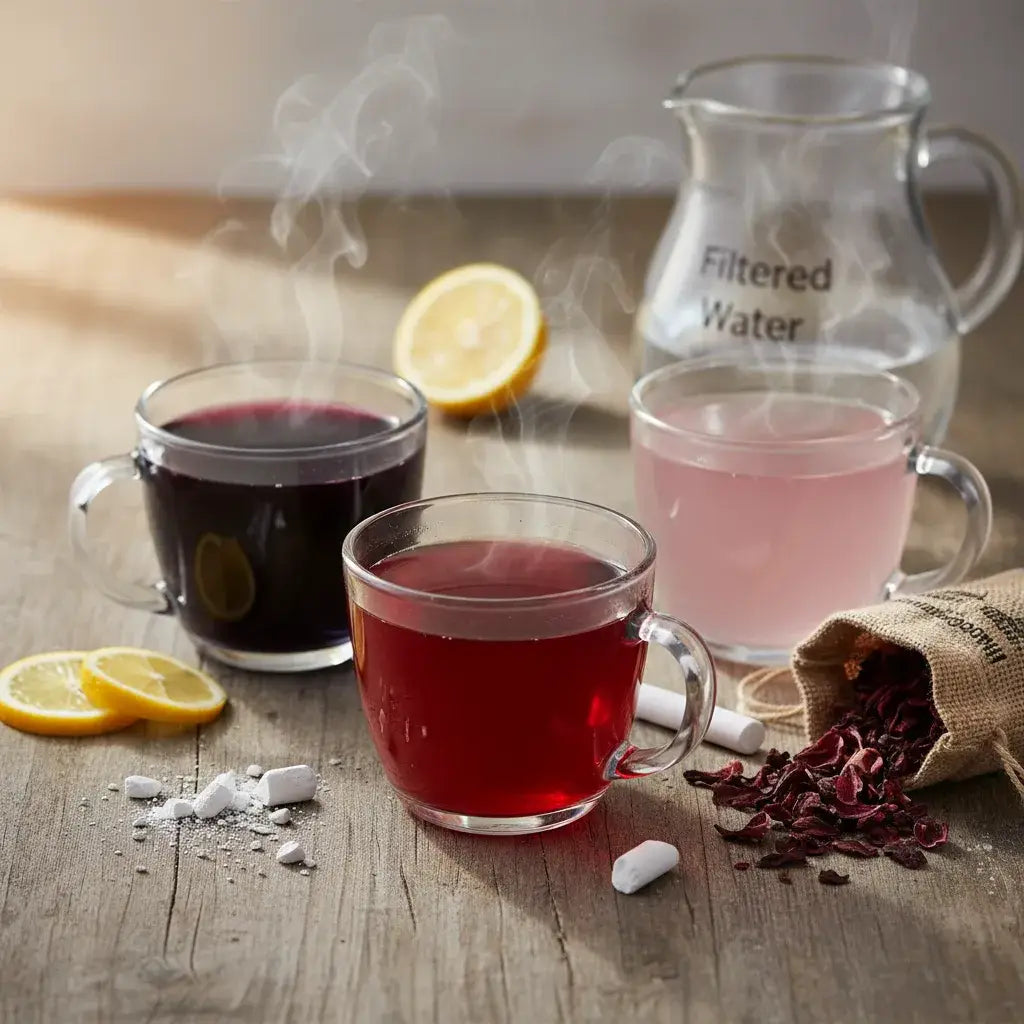
- Acidic conditions (like adding lemon juice or using soft, mineral-light water) push anthocyanins to create vibrant reds and pinks. You’ll notice the tea brighten almost instantly with citrus juice.
- Alkaline conditions (such as brewing with hard water or adding baking soda) may deepen the color toward purple or even bluish tones.
Try This: Brew a standard cup of hibiscus tea, then split it into two mugs. Add a few drops of lemon juice to one and a tiny pinch of baking soda to the other—observe the color transformation!
If you’re excited by herbal color play, consider expanding your tea pantry with products like Bamboo Leaf Tea – 24/1.5g Tea Bags - Nature's Collagen & Biotin for its naturally subtle hue and collagen-supporting properties.
Why Does pH Matter Beyond Appearance?
pH doesn’t just affect looks. Anthocyanins become more or less stable depending on their environment, which can subtly influence the tea’s taste and aroma too. Those upping their heart-healthy routine often look for teas with strong color and flavor, like Hibiscus Tea - Organic 24/2g Tea bags - Heart Health, known for its antioxidant-rich profile and signature ruby color.
Water Quality and Mineral Content: A Hidden Influence
Your tap or bottled water is a crucial, often overlooked, ingredient. Water varies widely depending on source—filtered, spring, or distilled. Each has a particular mineral profile, which affects both how the hibiscus pigments express themselves and how flavors present on your palate.
Minerals in Water and Hibiscus Chemistry
- Soft water (lower in calcium and magnesium) maintains a higher acidity, which preserves those signature red-pink tones.
- Hard water (containing more minerals) often leans toward alkaline, shifting anthocyanins into purple territory.
- Filtered or distilled water gives the purest canvas, letting the natural plant acids of hibiscus dominate for the brightest color.
If you’ve ever brewed hibiscus tea at a friend’s place and noticed the color seems "off," the water’s mineral content could be why! You can even experiment with mineral-rich botanicals using Sea Moss - Raw Dried from St Lucia - 8oz Bag - Nature's MultiVitamins in infusions to add both nutrients and a new dimension to tea.
Brewing Time and Temperature: Crafting the Perfect Hue and Taste
How long you steep hibiscus, and whether you use hot or cold water, make a real difference in color intensity, clarity, and how the flavors develop.
Hot vs. Cold Infusions
- Hot Water Steeping (near-boiling): Quickly extracts vivid color and a tart, robust flavor. Color deepens to a rich, jewel-toned crimson.
- Cold Brewing: Takes longer—anywhere from 2 to 8 hours in the refrigerator—but the result is sometimes lighter, fruitier, and can have a more delicate pink hue.
The Role of Time: Short vs. Long Steeping
- Shorter steeping (5-7 minutes): Lighter colors and milder tartness.
- Longer steeping (15-20 minutes, or even overnight): Deeper color saturation and intensified tang. Beyond a point, however, extended steeping can lead to somewhat bitter undertones.
Experiment: Brew hibiscus tea for 5 minutes, then a separate batch for 20 minutes. Compare both in color and flavor. Notice how extended brewing affects the taste and vibrancy.
Sweeteners: Unlocking Nuances and Shifting Shades
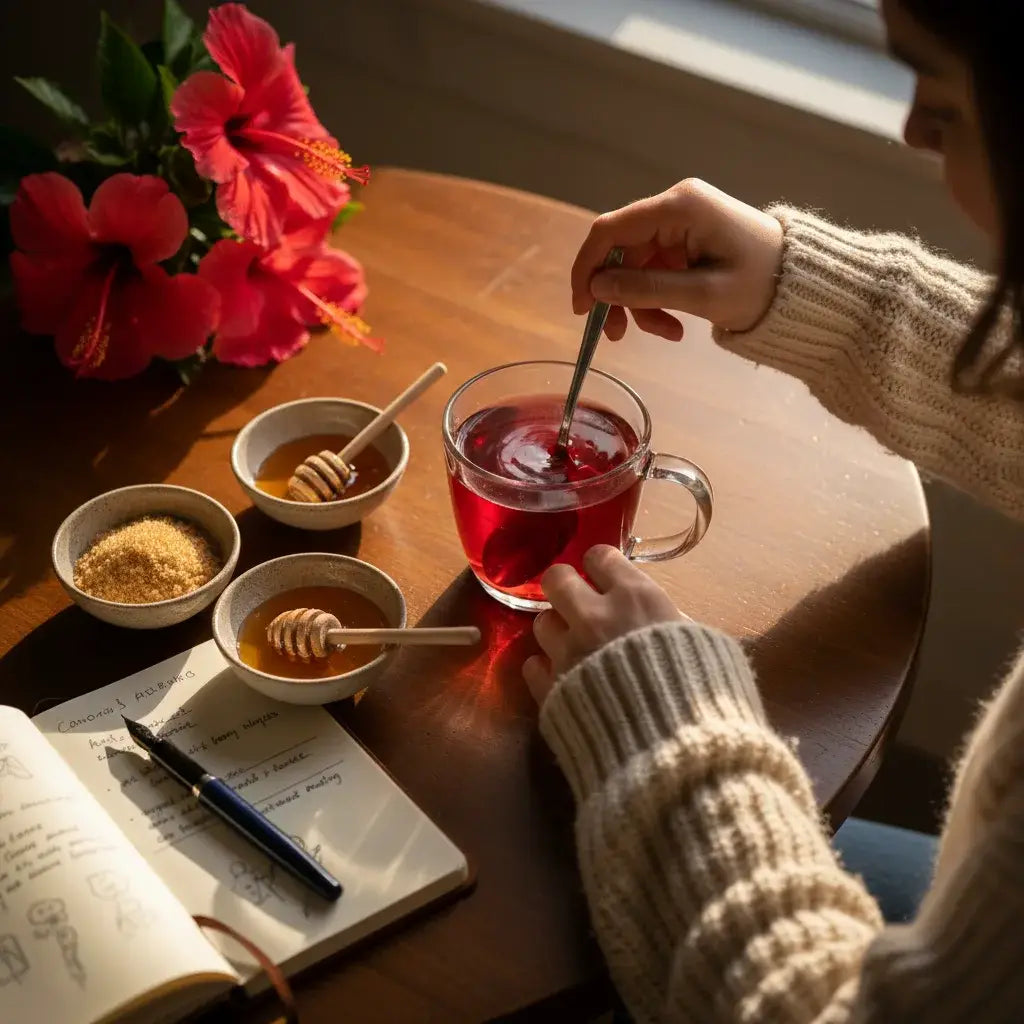
Hibiscus is naturally tangy, so it’s often sweetened to balance the flavor. However, sweeteners themselves can influence the final taste and even slightly adjust how pigments behave.
The Effects of Different Sweeteners
- Cane sugar or honey: Classic choices, softening tartness and adding subtle complexity.
- Agave or maple syrup: Each brings unique notes that can either highlight or soften the hibiscus tang.
- Stevia, monk fruit, or artificial sweeteners: Provide sweetness without calories, but may slightly alter the aftertaste or bright flavors hibiscus is known for.
Tip: Dissolve sweetener after the tea is brewed and slightly cooled to preserve the full spectrum of color and avoid unwanted chemical reactions that could cloud the tea.
If you enjoy experimenting with different herbal infusions and sweeteners, try pairing Herbal Tea Gift Set – Wellness Tea Gift Variety Collection - Organic 24 Teabags with your favorite natural sweetener for a new twist each time.
Explore Hibiscus at Home: Simple Kitchen Chemistry Experiments
Curious minds can dive hands-on into the world of hibiscus by performing simple experiments. These are fun for solo explorers, families, or anyone hosting a science-themed kitchen activity!
At-Home Hibiscus Color Lab
- pH Shift Experiment:
- Brew hibiscus tea and divide into three clear cups. Add lemon juice to one, keep one plain, and add a pinch of baking soda to the third. Watch as the color morphs from bright red to pink to purple.
- Mineral Water Test:
- Brew identical amounts of hibiscus tea using filtered water, hard tap water, and a splash of sparkling mineral water. Observe the color and taste differences.
- Sweetener Showdown:
- Prepare three cups of equal-strength hibiscus tea. Sweeten one with honey, one with maple syrup, and one with cane sugar. Compare the flavors and mouthfeel.
If variety is your aim, the Herbal Tea Trio - Guava, Hibiscus & Avocado Bundle – Refreshing Tea Collection makes it easy to try out multiple color transformations and taste profiles side-by-side. You can also keep exploring the boundaries of herbal flavor with Bulk Loose Leaf Teas & Tisanes - Organic 4oz - Herbal Wellness Teas for custom blending.
Flavor Pairing and Culinary Inspiration
Hibiscus is incredibly versatile—a tart, vibrant foundation in teas, but also a showstopper in creative culinary uses. It pairs beautifully with fruity, spicy, floral, and herbal notes.
Top Hibiscus Pairings:
- Citrus fruits: Lemon, lime, and orange bring out its brightness.
- Warming spices: Cinnamon, ginger, and cloves add depth.
- Mint and basil: Herbal notes enliven cool, summertime infusions.
- Berry juices: Blends with cranberry, raspberry, or pomegranate juice for a vibrant punch.
Recipe Ideas:
- Hibiscus iced tea with mint and orange slices.
- Hibiscus berry syrup to drizzle over yogurt or pancakes.
- Sparkling hibiscus lemonade for an afternoon refreshment.
- Culinary infusions—use cooled hibiscus tea as a base for vinaigrettes or mocktails.
Cultural Significance and Regional Variations
From "agua de jamaica" in Mexico to "bissap" in West Africa and zesty infusions across the Caribbean and Middle East, hibiscus is celebrated worldwide. Every region has its own way of preparing, blending, and sweetening the infusion, resulting in a wide variety of flavor and color experiences.
Global Preparation Differences
- Mexico: Often brewed with cinnamon and sweetened generously, served icy cold.
- Egypt: Usually enjoyed hot or chilled, sometimes with a squeeze of lime.
- Caribbean: Often flavored with spices, citrus peel, and ginger.

These cultural techniques highlight the flexibility and universal appeal of hibiscus’s color-changing chemistry and bold flavor. Whether you brew it strong or light, hot or cold, mixing in warming spices or fresh fruit, you can tap into centuries of tea tradition right in your own kitchen.
Practical Tips for the Best Hibiscus Tea Experience
- Use clear mugs or pitchers to see and appreciate the color changes.
- Experiment with different sweeteners, waters, and brewing times to find your perfect combination.
- Store dried hibiscus in a cool, dark place to maintain pigment vibrancy.
- Combine with other herbs and fruits to customize flavor, aroma, and color intensity.
- Start small: A tablespoon of dried hibiscus calyces per cup is usually enough for a bold brew.
Hibiscus tea’s dramatic visuals and unique, tart taste offer an invitation to play and experiment. Understanding the science not only deepens your appreciation but gives you the tools to craft a beverage as unique as you are.
FAQs:
- Why does hibiscus tea change color when I add lemon or lime?
The color change occurs because hibiscus contains anthocyanin pigments that are sensitive to pH. Adding lemon or lime juice increases the acidity, turning the tea a brighter red or pink.
- How do minerals in water affect the flavor and color of hibiscus tea?
Mineral content adjusts the water's pH, which can deepen or lighten the color of your tea and subtly alter its tartness or mouthfeel.
- What is the best sweetener for hibiscus tea?
Sweeteners are a matter of taste. Cane sugar, honey, maple syrup, and agave each add different nuances. Try several to find your favorite balance.
- Can I brew hibiscus tea with cold water?
Yes, cold brewing hibiscus tea creates a lighter, fruitier infusion. Simply steep dried hibiscus in cold water for several hours, then enjoy over ice.
- Are there simple ways to experiment with hibiscus tea at home?
Absolutely! Try splitting a brew and adding lemon to one cup, baking soda to another, and enjoying the color changes. You can also test different sweeteners and waters.
- How can I pair hibiscus in recipes beyond tea?
Hibiscus pairs well in syrups, salad dressings, mocktails, and with fruits or spices like ginger, mint, or citrus for creative culinary uses.
Author Name:
Herbal Goodness Editorial Team
Author Bio:
The Herbal Goodness Editorial Team specializes in holistic health and superfoods, blending science and nature to educate and empower our community.
References:
Introducing Graviola to Young Taste Buds: Fun, Family-Friendly Flavor Exploration
Graviola in the Classroom and at Home: Creative Activities to Teach Kids About Tropical Plants