Spotting Mislabelled Gymnema Tea: Botanical Names and Smart Search Terms

Shopping for herbal teas can be an exciting journey, but when it comes to lesser-known botanicals like Gymnema tea, distinguishing the genuine article from mislabelled or look‑alike products can be tricky. Whether you’re browsing shelves at a specialty store or clicking through online listings, knowing how to confidently spot authentic Gymnema—especially by its botanical name, common regional names, and distinguishing features—makes all the difference. This guide shares practical tips for recognizing authentic Gymnema tea, using smart search terms, and avoiding common pitfalls at the point of purchase.
Understanding Gymnema Tea by Botanical and Local Names
Why Botanical Names Matter When You Buy Gymnema Tea
Herb names can be confusing. The same plant may be known by different names in various regions, which opens the door to mix-ups. The botanical name is your most reliable marker of authenticity. For Gymnema tea, always look for the Gymnema sylvestre label. This name distinguishes it from other herbs that either sound similar or look alike in processed form.
Gymnema sylvestre is universally recognized in herbal commerce and detailed on well-labelled tea products. When shopping, check packaging, ingredient lists, and product descriptions for this specific botanical term. If uncertain, ask the seller to confirm the plant’s scientific name.
Common Regional Names for Gymnema
In addition to its Latin name, Gymnema is also known by various local and folk names, especially in regions where herbal traditions run deep. Common names you might see include:
- Gurmar (widely used in India)
- Meshashringi (Ayurvedic texts)
- Australian cowplant (less commonly, in specific contexts)
- Periploca of the woods (occasional translation)
If a tea lists these names alongside "Gymnema sylvestre," it’s often a good sign you’re looking at the correct plant. However, if only a local term is used without the scientific name, proceed with care and double‑check details.
Recognizing Look‑alikes and Deceptive Labeling
Common Look‑alike Herbs in the Tea Market
Some plants are occasionally mistaken for or substituted with Gymnema, intentionally or not. These can include unrelated herbs with vaguely similar leaves, texture, or packaging. Key look‑alike herbs include:
- Guduchi (Tinospora cordifolia), sometimes called Amrita; not Gymnema
- Stevia (Stevia rebaudiana), which is sweet but botanically unrelated
- Licorice root (often blended with other herbs in teas)
These herbs may have their own value but are not Gymnema. Always seek the scientific name, and scrutinize ingredient lists for any blend or substitute unless you specifically want a blend.
Visual and Ingredient List Clues for Authenticity
Authentic Gymnema tea leaves (whether loose or in tea bags) present as small, thin, slightly stiff green leaves, often fragmented. Color can range from pale to deeper green, depending on drying methods.
Ingredient lists on packaging should clearly state “Gymnema sylvestre” or “Gurmar leaf.” Any vague mention of "herbal blend," "natural teas," or only a generic "herbal ingredient" without further detail warrants extra investigation.
Red Flags on Labeling or Photos:
- No botanical name listed anywhere
- Ingredients mention only "herbal leaves" or non‑specific terms
- No region or country of origin provided
- Blurry, heavily filtered, or repeated stock photos
- Ingredients are in a language you cannot verify or have no direct translation
If you’re buying from an online shop, zoom in on product images—high quality brands often show close‑ups of real tea leaves and full labels. To further support ingredient transparency, some leading wellness brands—such as those offering Bamboo Leaf Tea 24 Bags | Nature's Silica – Collagen & Biotin Support—consistently display ingredient clarity and accurate labeling on their herbal teas.
Smart Search Strategies for Buying Genuine Gymnema Tea
Using Purchase-Intent Keywords and Product Filters
When shopping online, using precise and purchase-intent keywords helps you locate authentic products faster. Try these focused search phrases:
- "Buy Gymnema sylvestre tea"
- "Shop organic Gymnema leaf tea"
- "Best quality Gymnema tea for sale"
- "Order premium Gymnema tea bags"
Combining the botanical name with transactional terms like “buy,” “for sale,” or “order” will surface listings where sellers are more likely to provide ingredient transparency and certification details.
Use platform filters to select organic, single-ingredient, or trusted brands. Check if the seller provides third-party lab reports, lot numbers, or traceable batch information. To experience purchasing from a brand known for transparency, consider browsing our organic herbal teas, where ingredient lists and product photos are detailed and easy to evaluate.

Evaluating Product Listings and Photos
Online listings vary in quality. When you find a product, review these aspects before you buy:
Product photos: Look for clear, unretouched images of both the packaging and the tea leaves inside. Authentic Gymnema tea is typically greenish, occasionally with olive or slightly brown undertones, depending on how it’s dried.
Label close-ups: Scrutinize label images for “Gymnema sylvestre” (preferably in Latin script), USDA Organic or other certification logos, harvest origin, and net weight.
Customer reviews: Genuine buyer feedback may mention flavor, aroma, and how the tea felt—watch for clues indicating whether the tea matched buyers’ expectations or if it seemed different than advertised. When shopping with wellness suppliers, listings such as those for Organic Papaya Leaf Tea | 24 Premium Bags – Caffeine-Free typically present full ingredient transparency and a wealth of customer feedback.
Spotting Red Flags in Online Listings
Some signals should raise your caution:
- Overly generic listings titled only "herbal tea" or “detox tea”
- No botanical name in the description or on packaging
- Ingredient lists missing or listing unfamiliar plants
- Excessive use of bold health claims (always be wary of products that guarantee specific outcomes)
- Sellers unwilling to answer ingredient questions directly
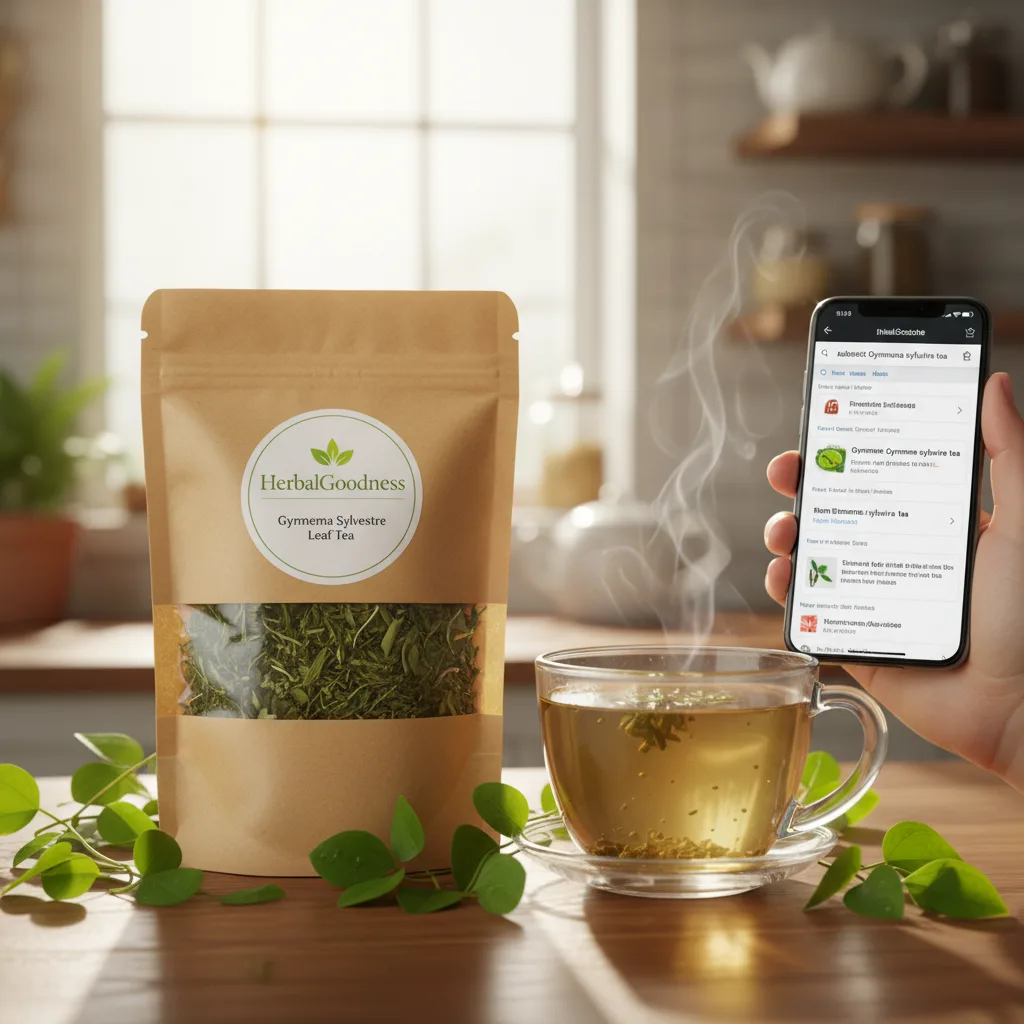
If doubts persist, consider reaching out to the seller and asking for a detailed picture of the actual tea bag or loose leaves, or requesting the batch’s certificate of analysis. For greater peace of mind, you might look at bulk buying options from trusted online retailers who offer clear details—our Bulk Herbs collection is a great example of transparent listing.
What to Ask the Seller for Buy-Ready Confidence
Simple Questions to Verify Authenticity
Before finalizing your purchase, asking a few direct questions can clarify doubts:
- "Is your Gymnema tea made from Gymnema sylvestre leaves?"
- "Can you confirm the region or country where the Gymnema was sourced?"
- "Is it a 100% single ingredient, or is it blended with other herbs?"
- "Does the packaging display the botanical name and batch information?"
A trustworthy seller should quickly provide this information. For premium or organic varieties, you can also ask for documentation regarding certification. When considering herbal blends, the Organic Herbal Tea Trio – Build-Your-Own Bundle | Mix & Match Any 3 USDA Organic Herbal Teas & Save 20% enables you to select a diverse assortment and review transparent labeling for each option.
Best Places to Buy Authentic Gymnema Tea
Look for established herbal suppliers who specialize in single-ingredient teas, such as specialty online retailers, reputable health food stores, or well-known wellness brands like Herbal Goodness that are known for detailed labeling and transparency. These businesses are more likely to provide clear sourcing and ingredient information. Shopping with reputable sources ensures you get access to a wide selection of carefully sourced teas and infusions, just as you’ll find browsing options for Soursop Leaf Tea | Organic Graviola 24 Bags – Immunity & Cell Renew.
Loose Leaf vs. Tea Bags: What to Look for When Shopping
Both loose leaf and tea-bag forms of Gymnema tea are available. Each has unique signs of authenticity, and shopping tips can help you make an informed choice:
Choosing Loose Leaf Gymnema Tea
- Inspect the cut size: Authentic loose Gymnema leaves are usually fragmented and slightly tough.
- Color should remain consistent within the batch and appear vibrant (not dusty gray or oversaturated brown).
- Scent is subtle, herbal, and clean—avoid any musty or artificial aroma.
Selecting Gymnema Tea Bags
- Packaging should list “Gymnema sylvestre” as the main or sole ingredient.
- Tea bags should feel lightweight but not empty—visible leaf fragments inside are a good sign.
- Quality brands often indicate steeping times, harvest year, or leaf origin.
If possible, choose brands that offer transparency with both visual preview and full labeling. Many consumers find it easy to verify tea bag contents from reputable brands offering excellent product photos and ingredient breakdowns, highlighted by the sample reviews found for Organic Papaya Leaf Extract 16oz | 15X Liquid – Best Value Size, another bestselling herbal preparation.
Understanding Ingredient Lists and Transparent Labeling
Why Ingredient Order and Clarity Matters
Ingredient lists should place “Gymnema sylvestre” first if the tea is not blended. If in a blend, ensure the botanical name is featured prominently. Avoid products where Gymnema is listed far down the list or as part of a “proprietary blend” without clear ratios. Transparent listings—akin to those for Papaya Seed Powder Capsules 60ct | 600mg – Gut & Colon Cleanse Support—show how major retailers value ingredient clarity even on blended or encapsulated products.
Deciphering Complementary Herbs and Blends
Some products may include complementary botanicals. This is normal for herbal teas, but inspect the label to ensure these additions are clearly stated and do not overshadow the primary Gymnema content.
Building Buy-Ready Confidence With Every Search
Authentic Gymnema tea is valued for traditional uses and its unique botanical profile. By consistently seeking the correct botanical and regional names, scrutinizing labeling, and using smart purchase-intent search terms, you empower yourself to make educated choices. Each step outlined above is designed to help you navigate both online and in-person shopping experiences with clarity and confidence, ensuring you bring home a genuine cup every time.
FAQs:
- What is the best way to identify authentic Gymnema tea before I buy?
Look for the scientific name 'Gymnema sylvestre' on packaging, ingredient lists, or seller descriptions. Confirm the label or listing includes clear product photos and that 'Gymnema' is listed as the main or sole ingredient for single-herb teas.
- Are there common herbs that look like Gymnema but are not the same?
Yes. Some look‑alikes include Guduchi (Tinospora cordifolia), Stevia leaves, and various blended herbal teas. Use botanical names to avoid confusion and check all listed ingredients before you buy Gymnema tea.
- How do I use smart search terms to find authentic Gymnema tea for sale online?
Type precise purchase-intent keywords such as 'buy Gymnema sylvestre tea,' 'shop organic Gymnema tea,' or 'order best quality Gymnema leaf tea' to narrow search results and find reliable sellers.
- What label details should I check on loose leaf or tea bag Gymnema tea?
Verify that 'Gymnema sylvestre' is listed, either as the only ingredient or first in blends. Check for harvest region, certifications, and clear batch or lot numbers where available.
- What questions should I ask sellers to confirm Gymnema tea authenticity?
Ask directly if the product is made from Gymnema sylvestre, where it was sourced, if it's a single-ingredient tea, and whether the packaging includes proper botanical labeling and batch info.
- Are visual differences important when choosing Gymnema tea?
Yes. The leaves are typically thin, green, and slightly stiff. Product photos should match these traits—avoid products with unclear images or inconsistent coloration.
- Where can I shop for the best quality Gymnema tea?
Choose established wellness brands or herbal suppliers known for transparent sourcing and detailed ingredient labeling, such as Herbal Goodness, for greater confidence in your purchase.
Author Name:
Herbal Goodness Editorial Team
Author Bio:
The Herbal Goodness Editorial Team specializes in holistic health and superfoods, blending science and nature to educate and empower our community.
References:
Introducing Graviola to Young Taste Buds: Fun, Family-Friendly Flavor Exploration
Graviola in the Classroom and at Home: Creative Activities to Teach Kids About Tropical Plants
Why Social Impact Matters in Plant-Based Wellness