





Soursop Tea Taste Guide: Flavor Notes by Preparation & Brewing Tips

Soursop tea, with its multifaceted profile and distinctive character, is emerging as a favorite among herbal tea enthusiasts. For those curious about its appeal, understanding what soursop tea taste is like means exploring subtle differences shaped by how it's prepared—whether using the fresh fruit, dried leaves, or unique commercial blends. This deep dive provides an approachable primer on how each preparation influences flavor, aroma, and mouthfeel, along with practical brewing tips and thoughtful food pairings to enhance your tea experience.
Discovering the Character of Soursop Tea
Soursop, also known as Graviola or Annona muricata, is a tropical fruit traditionally appreciated for its creamy pulp and aromatic, tart-sweet flavor. When transformed into tea, the essence of soursop takes on subtle shifts depending on what part of the plant is used and how it's brewed. While the fruit offers notes reminiscent of pineapple, strawberry, and citrus, the leaves and plant materials present a gentler, earthier version of these same flavor elements.
Primary Sensory Qualities:
- Aroma: Fragrant, slightly floral, and sometimes grassy or herbal
- Taste: Delicately sweet-tart, sometimes with creamy or tropical undertones
- Mouthfeel: Light when freshly brewed, but able to become richer or more astringent based on brewing time and leaf quantity
Exploring Soursop Tea Preparations
Each preparation unlocks different aspects of soursop’s natural complexity. Choosing between fresh fruit infusions, dried leaf teas, or custom blends means navigating a spectrum from tropical vibrance to earthy subtlety, ensuring there is a soursop tea for every palate.
Soursop Fresh Fruit Infusions
Infusing soursop pulp directly in hot or cold water is a tradition in several tropical regions. This method extracts more from the fruit’s natural sugars and acids, delivering a tea experience that closely echoes the taste of the ripe fruit itself.
Flavor Profile:
- Sweetness: Naturally present, sometimes pronounced, especially if the fruit is fully ripe
- Acidity: Gentle and reminiscent of citrus fruits
- Aromatic Layer: Complex; notes of pineapple, mango, and subtle citrus
- Texture: Slightly thicker due to natural pulp; may be enjoyed chilled as well as hot
When to Choose: Fresh fruit infusions are ideal for those seeking a refreshing, tropical treat with a clear connection to the fruit’s origins. They offer a vibrant and nuanced taste unlike any other preparation.
Soursop Tea from Dried Leaves
Perhaps the most common soursop tea preparation is with dried soursop leaves. Drying concentrates and slightly mellows the natural flavors, resulting in a beverage that is more herbal than fruity.
Flavor Profile:
- Herbal and Grassy Notes: Soft, mildly earthy, with hints of hay or green tea
- Sweetness: Subtle, relying on the palate rather than overt sugars
- Bitterness: Minimal, but may intensify with over-steeping
- Aroma: Lightly floral, sometimes compared to fresh-cut grass with a whisper of tropical fruit
When to Choose: Dried leaf tea suits those looking for a calming, easy-drinking cup with mild flavors. It’s well-suited to pairing with both sweet and savory foods, and can be brewed for gentle relaxation at any time of day.

Soursop Commercial or Kitchen Blends
Soursop is often blended with other complementary botanicals—such as lemongrass, hibiscus, or citrus peel—to balance and elevate its flavor profile. Whether in commercial tea sachets or homemade blends, these additions can brighten or deepen soursop’s signature notes.
Flavor Profile:
- Complexity: Blends may accentuate floral, citrus, or tart aspects of soursop
- Sweetness and Tartness: Dependent on blend partners and proportions
- Aroma: Multilayered, fresh, and more dynamic than solo preparations
- Texture: Generally light, though certain herbs may introduce more body
When to Choose: Opt for blends if you are curious about creative flavor pairings or wish to gently adjust soursop’s natural character to your preferences. Blending is also a way to experiment with traditional herbal combinations or contemporary culinary trends.
How Preparation Methods Transform Flavor
The preparation process isn’t just about taste—it also determines aroma, color, and texture. Understanding the science and tradition behind each adjustment can help you craft an ideal cup.
Freshness Matters: Pulp vs. Leaf
- Fresh pulp releases more volatile fruit esters, yielding a cup with pronounced aroma and bright acidity.
- Dried leaves contain less natural sugar and acid but offer lipid-soluble plant compounds that contribute a clean, quenching finish and subtle herbal warmth.
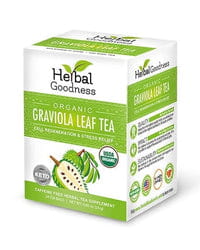
Many tea lovers turn to the Soursop Leaf Tea Graviola Leaves - Organic 24/2g Tea Bags - Immunity & Cell Renew for a reliable dried leaf option that balances herbal character with soft tropical nuances.
Extraction Time and Water Temperature
- Hot infusions (steeped at 180–200°F for 5–10 minutes) bring out deeper, bitter herbaceous notes—ideal for those who enjoy intensity.
- Cold infusions (steeped in cool or room-temperature water for several hours) minimize bitterness and highlight natural sweetness and aroma.

For more potent extractions or whole-body benefits, some enthusiasts enjoy Soursop Leaf Graviola Extract - - Organic 15X Liquid Extract - Cell Renew & Immunity. Proper timing and temperature adjustments can make all the difference.
Leaf-to-Water Ratio & Infusion Vessels
- A higher concentration of dried leaves leads to a stronger taste, with a slightly puckering, astringent mouthfeel—perfect for experienced herbal tea drinkers.
- Using porous infuser baskets allows leaves to expand fully, extracting a broader range of flavor compounds.
If you’re a fan of experimenting, Graviola Soursop Leaf Extract – 10X 60/600mg Capsules - Cell Renew & Immunity also provides a convenient way to enjoy the essence of soursop leaf in a more concentrated format.
How to Highlight or Soften Particular Flavor Notes
Because soursop tea’s taste is so adaptable, small tweaks in the brewing process can help emphasize or mellow certain aspects:
To Brighten and Refresh:
- Add a squeeze of fresh citrus
- Brew with lemongrass or mint
- Use cold-steeped infusions
For those who like vibrant, multi-herb teas, the Graviola, Hibiscus, Bamboo Herbal Tea Trio – Bundle (3 Packs) is an excellent way to try new combinations alongside traditional soursop flavors.
To Soften Bitterness or Earthiness:
- Shorten steeping time
- Add a touch of natural sweetener like honey or agave
- Blend with subtle florals (jasmine or chamomile)
To Build Creaminess:
- Prepare as a hot latte with oat or almond milk
- Infuse with a small piece of fresh coconut for a rich tropical flavor
Sensory Pairings: Foods That Complement Soursop Tea
Thoughtful pairings can deepen your appreciation of soursop tea’s nuanced qualities. Here are gentle suggestions, inspired by traditional and contemporary tastes:
- Fresh Pastries & Shortbread: Light, buttery treats ease the transition between soursop tea’s sweet-tart profile and subtleaceousness.
- Mild Cheeses: Soft cheeses bring out the creamy notes in fresh soursop infusions.
- Tropical Fruits: Sliced mango, pineapple, or kiwi enhance the tea’s natural vibrance.
- Simple Rice or Coconut Desserts: Mild desserts allow soursop’s fragrant personality to shine.
- Crisp Green Salads: Mild, leafy greens offer a clean canvas for the tea’s delicate flavor.
Enhance your spread with a soothing brew from the Soursop Leaf Tea Graviola Leaves - Organic 24/2g Tea Bags - Immunity & Cell Renew for a delightful table centerpiece.
Brewing Soursop Tea at Home: Gentle Tips
Whether you’re steeping a cup from a Herbal Goodness dried leaf sachet or making a fresh fruit infusion in your kitchen, the following tips will help you discover your preferred soursop tea taste:
- Start with Fresh, Quality Ingredients: Choose ripe soursop for infusions or high-quality dried leaves.
- Mind the Water: Filtered water maximizes clarity and subtle flavors.
- Moderate Steep Time: For a softer flavor, steep dried leaves just 3–5 minutes; for more intensity, extend up to 10 minutes.
- Strain Carefully: For fruit infusions, strain well to achieve a balanced mouthfeel without excess pulp.
- Experiment with Blends: Add complementary herbs or florals to discover personalized combinations.
The Experience of Soursop Tea: Tradition Meets Curiosity
Each sip of soursop tea connects you with a tradition spanning cultures and generations. Whether you seek tropical brightness, herbal calm, or the creative joy of blending, soursop tea offers an expansive palette for personal exploration. As you try different preparations, you’ll start to notice how subtle shifts in approach yield new sensations and flavors—inviting not just taste, but ritual and reflection into your daily cup.
Bringing It All Together: Personalizing Your Soursop Tea Journey
Ultimately, the best way to appreciate what soursop tea tastes like is through gentle exploration. Don’t be afraid to try different preparations and brewing techniques—or to experiment with your own blends. Allow your palate to guide you, and remember that each variation brings fresh discoveries.
For those inspired to deepen their experience, Herbal Goodness offers beautifully curated dried soursop leaves and blends, emphasizing care and quality in every harvest and preparation. Whether your interest is in tradition or innovation, there’s a soursop tea style perfect for your next mindful tea moment.
FAQs:
- What is the core flavor profile of soursop tea?
Soursop tea is commonly appreciated for its gentle, sweet-tart essence, mingled with delicate herbal and floral notes. The exact taste can vary depending on whether it’s prepared from fresh fruit or dried leaves.
- How does using fresh soursop fruit differ from dried leaves in tea preparation?
Fresh fruit infusions capture more of soursop’s tropical, creamy, and tangy tones, while dried leaf teas provide a milder, earthy, and slightly grassy flavor. Each preparation highlights different sensory qualities.
- What brewing method best preserves the delicate taste of soursop tea?
Cold-steeping and shorter hot infusions often result in a more subtle, nuanced cup, preserving sweetness and minimizing herbal bitterness. Experimenting with time and temperature helps find your preferred balance.
- Are there any traditional food pairings for soursop tea?
Yes. Soursop tea is traditionally paired with mild pastries, fresh or dried tropical fruits, mild cheeses, or simple coconut desserts to enhance and echo its subtle flavor notes.
- Can you blend soursop with other teas or herbs?
Soursop tea is often blended with botanicals like lemongrass, hibiscus, or mint to add complexity or brightness. Experimenting with blends helps highlight or soften particular flavor notes.
- Does the taste of soursop tea change with steeping time?
Yes. Longer steeping typically yields a bolder, slightly more astringent cup, while shorter infusions are lighter and often sweeter. Adjusting steeping time allows you to personalize your drinking experience.
Author Name:
Herbal Goodness Editorial Team
Author Bio:
The Herbal Goodness Editorial Team specializes in holistic health and superfoods, blending science and nature to educate and empower our community.
References:
Soursop (Annona muricata): A Comprehensive Review on Phytochemistry and Biological Activity
Flavor chemistry of soursop (Annona muricata L.) – Food Chemistry
Share this

Popular posts


FAQs
1. What are the main benefits of drinking bamboo leaf tea?
Drinking bamboo leaf tea supports hydration, relaxation, skin wellness, and antioxidant balance.
2. What is bamboo leaf extract used for?
It’s used for general body wellness, skin elasticity, hair and nail support, and overall vitality.
3. Can bamboo leaf help with skin care and body wellness?
Yes, bamboo leaf is rich in silica and antioxidants, which promote healthy skin, strong nails, and a youthful glow.
4. What forms of bamboo leaf are available?
You can find dried bamboo leaf, powder, extract, drops, oil, and bamboo leaf green tea.
5. Are there any side effects of bamboo leaf?
Bamboo leaf is generally safe when consumed in moderation. Always consult your healthcare provider before starting any new herbal supplement.