Soursop Capsule Packaging: Sustainability, Freshness, and Disposal Tips

Choosing a plant-based supplement like soursop (graviola) involves more than just picking a formula; packaging plays a vital role in maintaining capsule freshness, reducing environmental impact, and making everyday disposal easier. As interest in sustainability rises, shoppers are looking more closely at what their wellness products come in, and for good reason. This guide explores how capsule packaging choices—glass versus plastic, types of barriers, desiccants, refill systems, and disposal options—influence your soursop capsule experience, both at home and for the planet. Here, you’ll uncover practical, easy-to-follow tips for evaluating packaging when shopping and managing capsule waste sustainably.
Understanding Soursop Capsule Packaging Materials
When comparing capsule packaging, the material choice is often the first detail you’ll see. The two primary options are glass and plastic, each with unique properties that influence freshness, sustainability, and disposal practices.
Glass Packaging: Time-Tested and Recyclable
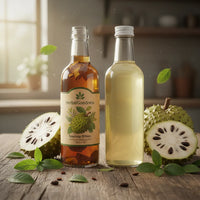
Glass has long been used in supplement packaging for its ability to protect contents from moisture, air, and light. For soursop capsules, glass jars or bottles help preserve the plant’s delicate compounds.
Advantages:
- Excellent Oxygen Barrier: Glass naturally blocks air, helping keep capsules potent.
- Reusable and Fully Recyclable: After use, clean glass can be recycled repeatedly without losing quality.
- No Chemical Leaching: Glass is non-reactive and does not interact with the capsules inside.
Considerations:
- Heavier: This may increase shipping emissions and transportation costs.
- Breakable: Extra care is needed to prevent accidents at home or during shipping.
Plastic Packaging: Lightweight and Versatile
Plastic, especially high-density polyethylene (HDPE) and polypropylene (PP), is favored for being lightweight and less prone to breaking. Many supplement bottles you see are made of these plastics.
Advantages:
- Lightweight Convenience: Easier to handle and ship.
- Durability: Lower breakage risk during handling.
- Design Flexibility: Enables a wide range of shapes and sizes for easy storage.
Considerations:
- Not All Are Easily Recycled: Check for local recycling codes and practices (usually #2 for HDPE, #5 for PP).
- Potential for Leaching: Some plastics can interact with contents over time, though food-grade versions are designed to minimize this.
- Shorter Useful Life: Compared to glass, plastic degrades with repeated recycling cycles.
How Material Influences Freshness and Shelf Life
Both glass and high-quality plastics can provide a protective barrier, but their performance varies:
- Glass is naturally impermeable to air and moisture.
- Plastic bottles often require additional features (thick walls, special barriers) to keep contents fresh.
The Role of Oxygen Barriers in Packaging
Preserving the delicate constituents of soursop capsules means keeping air (specifically oxygen and moisture) out. Many packages include features designed to protect your supplements at the molecular level.
- Glass containers inherently offer an oxygen barrier.
- Plastic bottles may be enhanced with specialized liners, seals, or multi-layer construction to slow down oxygen entry.
Look for packaging with tight-fitting lids and safety seals, which are evidence that the manufacturer has prioritized freshness. High-quality products like Soursop Graviola Leaf Extract Capsules 10X | 60ct – Cell & Immunity often highlight these protective features for plant-based supplements.
Desiccants and Why They Matter
When you open a new bottle of soursop capsules, you may notice a small packet labeled "do not eat." This is a desiccant, usually a form of silica gel. Its sole purpose is to absorb excess moisture inside the bottle.
Why it’s important:
- Moisture can degrade plant-based capsules, making them less effective over time.
- Desiccants help prolong shelf life by maintaining a dry environment until the last dose.
Consumer Tips for Desiccant Use
- Always leave the desiccant in the bottle until it’s empty.
- Do not open or eat the contents (keep away from children or pets).
- If you transfer capsules to another container, move the desiccant as well if possible.
Many consumers also turn to herbal options available in tea formats, such as Soursop Leaf Tea | Organic Graviola 24 Bags – Immunity & Cell Renew, which offer their own packaging and preservation considerations.
Exploring Refill Systems and Reusable Packaging
As the supplement industry evolves, some herbal brands—including Herbal Goodness—experiment with refillable systems or bulk packaging options for plant-based capsules.
Refill models:
- Base container made of glass or durable plastic, designed to be kept and cleaned.
- Refill pouches (often compostable or recyclable) delivered as needed.

Practical benefits:
- Reduces packaging waste and resource use.
- Encourages consumers to keep a single high-quality container in use for longer.
How to Compare Refill Options
- Check if the system is offered for soursop or graviola capsules.
- Assess how easy it is to clean and reuse the primary container.
- Look for refill pouches certified compostable or easily recyclable in your area.
Supplements like Blood Platelet Plus Capsules 20X | 60ct – Advanced Platelet Formula and soursop extracts can often be found in bulk or refill formats, helping you reduce single-use packaging while keeping wellness routines consistent.
Evaluating Carbon Footprint in Capsule Packaging Choices
The environmental impact of soursop capsule packaging isn’t only about its fate after use; it extends to the resources used for production and shipping.
Glass
- Energy-intensive to produce, but lasts for many recycling cycles.
- Heavy, leading to higher transportation emissions compared to plastic.
Plastic
- Lower shipping emissions due to light weight.
- Plastic production relies on fossil fuels, and material degrades after only a handful of recycling loops.
Practical Considerations When Shopping
Consumers concerned about environmental impact can:
- Choose brands that use recycled materials.
- Opt for the largest size they’ll use in a reasonable time to reduce packaging-to-product ratio.
- Support companies that disclose their packaging carbon footprint or source information.

Freshness Preservation: Features to Look For
When browsing soursop capsule listings, prioritize features indicating product security and freshness:
- Safety seals (shrink bands or foil): Ensures product has not been tampered with.
- Opaque or amber bottles: Shields capsules from light, protecting plant compounds.
- Tightly fitting lids: Prevents air ingress.
- Inclusion of desiccant packets: Maintains dry interior conditions.
Amber packaging and secure seals are also common in Soursop Bitters Graviola Capsules 1000mg | 120ct – Immunity & Detox, providing both freshness and tamper-resistance for consumers who value quality.

Sustainable Disposal: What Happens After Use?
The end of your soursop capsule bottle is the start of a new lifecycle. Responsible disposal supports your sustainability values.
Glass Packaging Disposal
- Clean bottles and lids before recycling. Remove labels if your local facility requires.
- Check for local glass recycling programs—not all regions accept common supplement bottle shapes.
- Repurpose at home: Glass bottles can serve as handy containers for spices, crafts, or small hardware.
Plastic Packaging Disposal
- Identify the recycling code (usually on the bottom: #2 for HDPE, #5 for PP).
- Rinse before recycling to remove capsule residue.
- Some supplement caps are not recyclable: Check with your local service or repurpose for other household uses.
Another great way to minimize waste is to choose products in forms that use less packaging per serving—powders or tea bags, for example, such as Soursop Leaf Tea | Organic Graviola 24 Bags – Immunity & Cell Renew.
Desiccant Packet Disposal
- Not recyclable or compostable. Seal in non-food trash, out of reach from children or pets.
Refill and Reuse Techniques
- Refill systems: Return or compost refill pouches as instructed by the brand.
- Repurpose containers for other household storage needs when appropriate.
Tips for Smart, Sustainable Packaging Choices at Home
- Compare packaging details before purchasing. Look for transparent sustainability information in product descriptions and images.
- Opt for brands with return/recycle incentives or who use post-consumer recycled materials.
- Purchase only what you’ll use in 3–6 months to ensure capsule freshness and minimize waste.
- Consolidate your supplement orders to reduce deliveries and packaging materials.
- Rinse and sort packaging correctly for local recycling.
- Consider refill options or bulk sizes, especially if you use soursop capsules regularly.
By keeping these points in mind, you can enjoy the benefits of Soursop Graviola Leaf Extract Capsules 10X | 60ct – Cell & Immunity and other holistic wellness aids with an approach that prioritizes the earth’s wellbeing along with your own.
When comparing soursop capsule options, take a moment to review packaging materials, freshness features, and end-of-life instructions. Thoughtful choices today contribute to sustainability and a better capsule experience at home.
FAQs:
- How does glass packaging help keep soursop capsules fresh?
Glass packaging naturally blocks air and moisture, which helps preserve the sensitive plant compounds inside soursop capsules. Its impermeable and non-reactive nature supports product freshness over time.
- Are plastic supplement bottles recyclable?
Many plastic supplement bottles are recyclable, particularly those marked with codes #2 (HDPE) or #5 (PP). However, recycling eligibility depends on your local services, so always check first and rinse containers before recycling.
- Why do soursop capsules include desiccant packets?
Desiccant packets absorb moisture inside the bottle, which helps maintain the dry environment capsules need for longevity and optimal quality. Leaving the packet inside until finished is recommended.
- What are the benefits of refillable capsule packaging?
Refillable packaging systems reduce waste by reusing a main container. Refill pouches, especially compostable or recyclable types, offer an eco-conscious option while maintaining capsule freshness.
- How should I dispose of desiccant packets from supplement bottles?
Desiccant packets should be sealed in the trash and kept away from children or pets. They are not recyclable or compostable and should not be flushed or disposed of in recycling bins.
- Can I reuse glass supplement bottles at home?
Yes, glass bottles are easy to clean and repurpose for storage of small items like spices, craft supplies, or hardware, making them a versatile and eco-friendly choice after initial use.
Author Name:
Herbal Goodness Editorial Team
Author Bio:
The Herbal Goodness Editorial Team specializes in holistic health and superfoods, blending science and nature to educate and empower our community.
References:
Introducing Graviola to Young Taste Buds: Fun, Family-Friendly Flavor Exploration
Graviola in the Classroom and at Home: Creative Activities to Teach Kids About Tropical Plants