





Soursop Bitters Near Me: How to Find Authentic Local Products

You’re strolling through your local market or scouring online stores when you see the phrase “Soursop bitters near me.” For many, this is an opportunity to experience a cherished traditional herbal product close to home. But in a world where herbal supplements cross borders and cultures, finding nearby soursop bitters raises an important consideration: how do you know this product is sourced with honesty, cultural respect, and transparency? Choosing wisely isn’t simply about location—it’s about understanding cultural provenance and thoughtful supply chains. Here’s a practical guide to verifying that the soursop bitters you find near you are authentic and respectfully sourced.
What Does "Soursop Bitters Near Me" Actually Mean?
Local Availability vs. Cultural Authenticity
Searching for “soursop bitters near me” points to convenience and freshness. But authentic soursop bitters are deeply intertwined with the cultures that have long valued this plant—especially in regions of the Caribbean, Central America, South America, and West Africa. The local availability of soursop bitters doesn’t always guarantee genuine origin or ethical practices. That’s why mindful shoppers look beyond shelf location to ask questions about where the ingredients are sourced and who produces the final product.
When you find soursop-based products such as Soursop Leaf Tea | Organic Graviola 24 Bags | Soursop Tea Benefits for Immunity & Wellness or graviola extracts, it's important to understand what lies behind the label.
Why Provenance Matters
The cultural history of soursop bitters is rich with traditional knowledge and uses. When these bitters appear in stores far from their source regions, verifying provenance becomes essential. Provenance means more than the botanical origin; it involves the story, the people, and their wisdom. Ensuring the source honors those roots helps protect both quality and cultural significance.
Questions to Ask Sellers About Soursop Bitters Provenance
1. Where Are the Main Ingredients Grown and Harvested?
A responsible seller will know not just the country of origin, but sometimes the community or even the cooperative that provided the soursop. Ask specifics:
- "Can you tell me where the soursop in these bitters is grown?"
- "Are the plants wild-harvested or cultivated? By whom?"
These questions are useful when choosing Soursop Bitters 15X Liquid Extract | Organic Detox & Wellness Support, ensuring the product is supported by responsible sourcing practices. This information often reveals a chain of trust and transparency that starts at the source.
2. Who Processes and Crafts the Bitters?
Traditional herbal preparations often rely on techniques passed down through generations. Inquire about the crafting process:
- "Who mixes and bottles these bitters?"
- "Are local or Indigenous communities involved in the preparation?"
- "Is the production facility near the growing regions?"
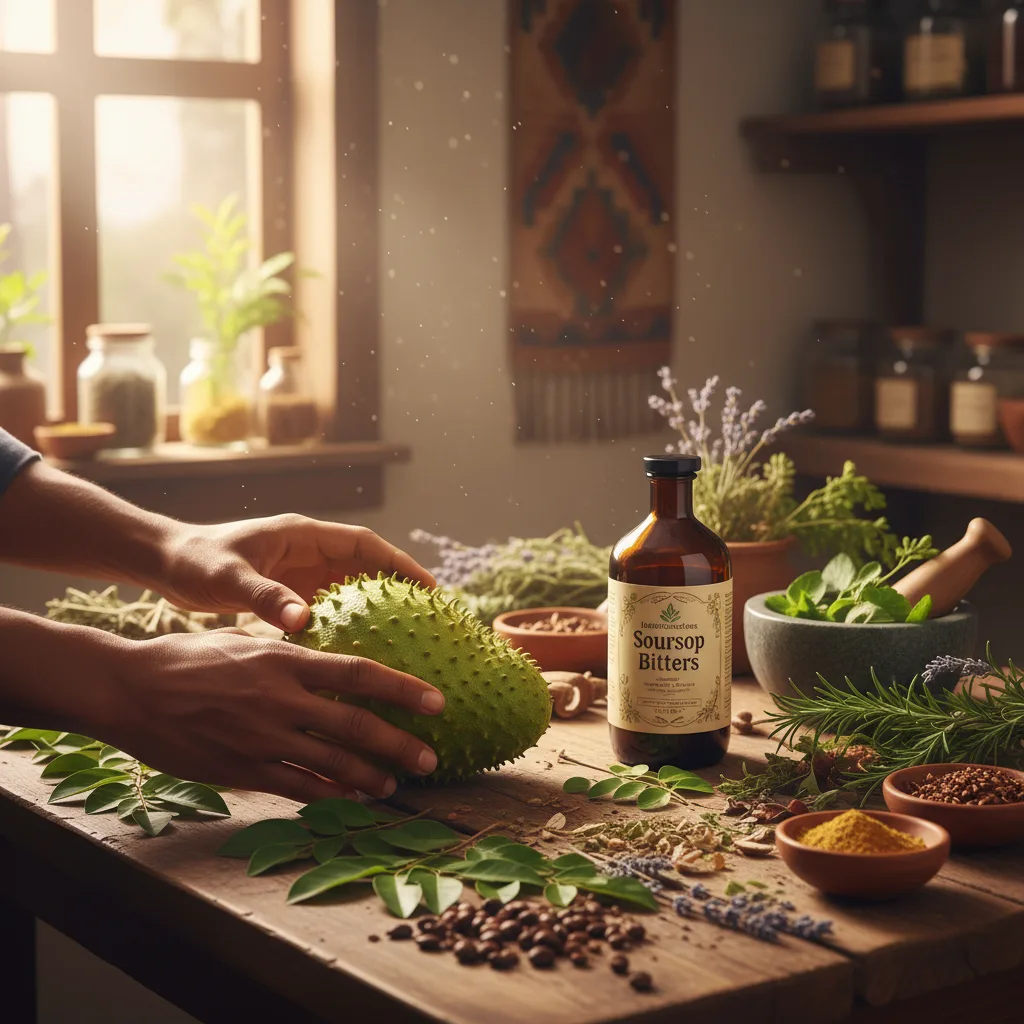
Understanding the hands involved helps highlight the respect the product gives to its original knowledge holders. Opting for options like Soursop Leaf Graviola Extract 15X Liquid | Organic Cell & Immunity or bitters blends with clear supply chain information can make a real difference.
3. How Is Cultural Knowledge Honored?
True provenance respects heritage. Look for sellers or brands who:
- Acknowledge the traditional uses of soursop and the communities from which these practices arise.
- Support initiatives for fair compensation, education, or environmental sustainability in those regions.
- Refer to partnerships or cooperative involvement with local farmers or traditional practitioners.
If this information isn’t openly shared, it’s appropriate to ask for clarification. Sellers committed to ethical sourcing are usually eager to share these details.
Signs of Respectful Use of Traditional Knowledge
Identifying Respectful Storytelling
Responsible brands and sellers highlight the cultural context behind soursop bitters without appropriating or misrepresenting traditional knowledge. Red flags include vague claims, lack of sourcing information, or cultural references without attribution.
Look for evidence of:
- Transparent storytelling that credits original cultural practices
- Educational information about soursop’s history and uses
- Naming or featuring the communities involved
These markers show a product is not simply using the “exotic” appeal of soursop, but genuinely honoring the traditions that shaped its use. Transparent companies with deep supply chain insight often provide both ingredient lists and educational information about sourcing.
Transparency in Labeling and Marketing
Careful shoppers read labels for more than just ingredients:
- Does the packaging say where and by whom the soursop was sourced and processed?
- Are additional botanicals in the bitters regionally relevant, or are they chosen for marketing appeal?
- Is fair trade, organic, or regenerative agriculture certification offered, when appropriate?
Sellers and brands committed to transparency often share this info on-pack, online, or in in-store signage upon request. Tea lovers can enjoy Soursop Leaf Tea | Organic Graviola 24 Bags with confidence when transparency is front and center.
Supply Chain Transparency and Why It Matters
The Journey from Harvest to Retail
Understanding the journey of soursop bitters from plant to product helps you trace not only provenance but also ethics. Transparent brands often provide:
- Maps or flowcharts displaying the route from harvest to production
- Profiles or stories about the people who grow or process the plant
- Updates about support for sustainable agriculture or community development

Soursop bitters, such as Soursop Bitters 15X Liquid Extract | Organic Detox & Wellness Support, are best chosen from sources that champion this kind of clear reporting. The inclusion of profiles and sustainable practices indicates that the product is a result of collaboration rather than mere extraction.
Third-Party Verification
Though not always present, third-party certifications and audits help validate claims of ethical, transparent sourcing. For soursop bitters, relevant verifications may relate to:
- Fair trade practices
- Organic growing or sustainable harvesting
- Community partnership pledges
Reputable sellers are open about such partnerships and are prepared to answer when you ask for more about verification or certifications. For additional herbal wellness, Blood Platelet Support with Papaya Leaf | Organic 15X Liquid Extract offers documented ingredient transparency.
Practical Steps for Shoppers Locating Soursop Bitters Nearby
1. Start with Research
Before visiting a local store or market, look up brands and sellers online. Check their websites for origin stories, community partnerships, or sourcing details. Social media accounts can also be insightful, often featuring images, testimonials, or educational content from people involved in sourcing or production. A similar approach applies when checking out Raw Sea Moss 8oz Bag | St. Lucia Wildcrafted – Nature's Multivitamin, another traditional superfood requiring careful sourcing.
2. Ask Focused, Respectful Questions
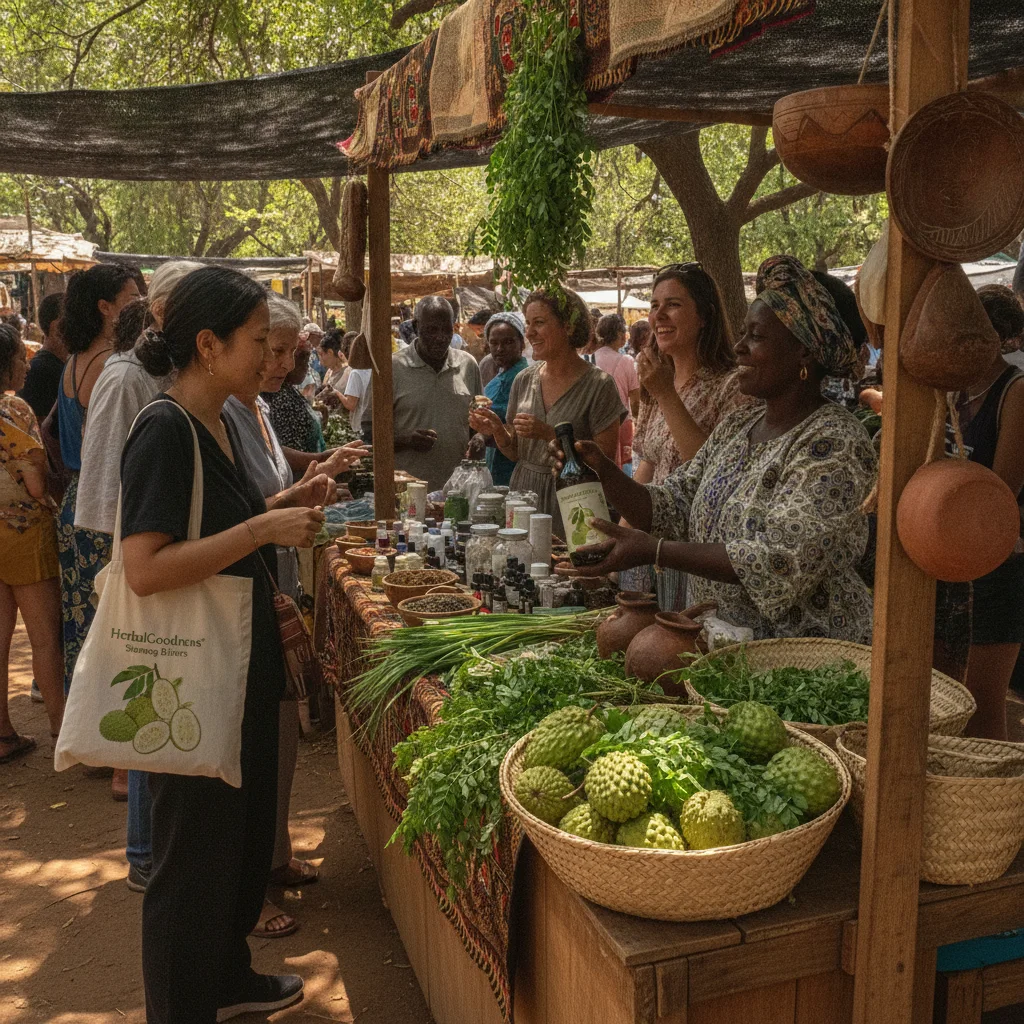
If you shop in-person, approach sellers with curiosity and openness. Instead of asking simply “Where is this from?”, try:
- "Can you share how the soursop was grown and who managed the harvest?"
- "Is there a story behind these bitters you can tell me?"
Framing your questions around interest in provenance and respect can spark positive, authentic conversations. Examine Soursop Graviola Leaf Extract Capsules 10X | 60ct – Cell & Immunity for similar transparency in capsule form.
3. Request Documentation if Uncertain
Ethical suppliers won’t hesitate to share sourcing records or even supply chain details, where privacy and business practices allow. If a seller or brand claims Indigenous or traditional knowledge as part of their product’s story, they should be able to provide evidence—such as partnership agreements, community acknowledgments, or impact reports.
4. Evaluate Packaging Clues
Read all product labels closely:
- Do ingredient lists specify the variety or origin of soursop?
- Are certifying bodies or cultural acknowledgments present?
- Is language on the packaging culturally sensitive and accurate?
These cues help you decide whether a product truly respects its roots. Organic blends like Soursop Bitters Graviola Capsules 1000mg | 120ct – Immunity & Detox reflect a commitment to detail and label accuracy.
5. Support Continuous Learning
Sourcing transparency continues to evolve as shoppers demand higher standards. Stay engaged—sign up for newsletters of brands like Herbal Goodness, or follow supply chain transparency movements. The more you ask, the more the market will respond with increased levels of openness. You can also explore alternative wellness options featuring similar standards, such as Organic Papaya Leaf Extract 16oz | 15X Liquid – Best Value Size.
Red Flags to Watch For When Seeking Soursop Bitters Near You
- Vague or generic sourcing claims: If a label simply says “Imported” or “Product of [region]” without further detail, dig deeper.
- No acknowledgment of cultural knowledge: Omission of cultural or traditional context might signal a disconnect from genuine provenance.
- Exaggerated wellness statements: Focus on brands and sellers who educate rather than rely on broad promises.
- Inflexibility about transparency: A seller who cannot or will not answer provenance or ethical sourcing questions may indicate weaker standards.
Careful attention to these signs empowers more meaningful shopping decisions and supports a market that values respect and responsibility.
The Role of Responsible Brands in Supporting Ethical Sourcing
Brands like Herbal Goodness are held accountable by the questions and interests of thoughtful customers. Responsible brands invest in:
- Building meaningful relationships with growing and processing communities
- Providing sourcing and production documentation
- Telling the cultural story authentically and respectfully
When you recognize these patterns, you’re likely encountering products that align with your values.
Respectful Consumer Choices Uplift Soursop’s Legacy
As soursop bitters become easier to access far from their cultural homes, shoppers gain unique opportunities to support respectful, transparent sourcing. When you take time to ask about origins, recognize the value of tradition, and prioritize supply chain clarity, you reinforce a shared respect for both plant wisdom and the people behind these products.
Your curiosity and careful selection help ensure that the next time “Soursop bitters near me” appears in your search or on your shelf, you can be confident in its story—and your role in supporting it.
Frequently Asked Questions
Question 1: How can I verify the provenance of soursop bitters I buy locally?
Answer: Ask the seller or brand specific questions about where the soursop is grown, harvested, and processed. Review the ingredient lists on transparent products like Soursop Leaf Graviola Extract 15X Liquid | Organic Cell & Immunity to check for origin details.
Question 2: What certifications should I look for when buying soursop bitters?
Answer: Look for recognized organic, fair trade, or sustainable agriculture certifications. Brands with third-party verifications on products such as Soursop Bitters 15X Liquid Extract | Organic Detox & Wellness Support provide additional assurance.
Question 3: Are there soursop products made with respect for cultural traditions?
Answer: Yes. Seek brands and options that acknowledge traditional uses, work with local communities, and provide educational background. Soursop Leaf Tea | Organic Graviola 24 Bags is an example of a product often accompanied by educational materials.
Question 4: What are some red flags for unethically sourced soursop bitters?
Answer: Beware of vague sourcing claims, lack of transparency, or products that make generalized wellness promises without supporting information. Make sure ingredient lists or sourcing details are provided as on Soursop Bitters Graviola Capsules 1000mg | 120ct – Immunity & Detox.
Question 5: Why does supply chain transparency matter for soursop bitters?
Answer: Supply chain transparency demonstrates ethical sourcing, protects cultural heritage, and reassures consumers about product quality. For example, Raw Sea Moss 8oz Bag | St. Lucia Wildcrafted – Nature's Multivitamin and soursop products from transparent brands reflect these principles.
Question 6: How can I support fair and respectful soursop sourcing as a consumer?
Answer: Research the brand, request documentation, and choose products with detailed origin and supply chain information, such as Blood Platelet Support with Papaya Leaf | Organic 15X Liquid Extract. Support brands that partner with Indigenous and local communities.
Curious about how to spot respectfully sourced herbal products? Start a conversation next time you see soursop bitters near you, and make each purchase a step toward honoring tradition and transparency.
About the Author
Herbal Goodness Editorial Team
The Herbal Goodness Editorial Team specializes in holistic health and superfoods, blending science and nature to educate and empower our community.
References
Introducing Graviola to Young Taste Buds: Fun, Family-Friendly Flavor Exploration
Graviola in the Classroom and at Home: Creative Activities to Teach Kids About Tropical Plants
Why Social Impact Matters in Plant-Based Wellness
A World Map of Adaptogenic Herbs: Origins & Traditions
Share this
Popular posts


FAQs
1. What are the main benefits of drinking bamboo leaf tea?
Drinking bamboo leaf tea supports hydration, relaxation, skin wellness, and antioxidant balance.
2. What is bamboo leaf extract used for?
It’s used for general body wellness, skin elasticity, hair and nail support, and overall vitality.
3. Can bamboo leaf help with skin care and body wellness?
Yes, bamboo leaf is rich in silica and antioxidants, which promote healthy skin, strong nails, and a youthful glow.
4. What forms of bamboo leaf are available?
You can find dried bamboo leaf, powder, extract, drops, oil, and bamboo leaf green tea.
5. Are there any side effects of bamboo leaf?
Bamboo leaf is generally safe when consumed in moderation. Always consult your healthcare provider before starting any new herbal supplement.