





Shopping Smart for Kid-Friendly Herbal Appetite Aids: A Parent’s Safety & Palate Guide

Navigating the world of herbal products designed for children’s appetites can feel overwhelming for many parents. Whether your child is a picky eater or you’re simply exploring natural, kid-friendly ways to support their mealtime experience, being an informed shopper is essential. From understanding ingredient labels and age-appropriate claims to assessing flavors and formats, making the right choices goes a long way in safeguarding little ones’ well-being and helping new tastes feel exciting rather than intimidating. This guide unpacks how parents can shop smart for herbal appetite aids with safety, simplicity, and your child’s palate in mind.
Understanding Herbal Appetite Aids Marketed for Kids
Herbal appetite aids—products that use plant extracts or botanicals traditionally appreciated for supporting healthy appetites—are increasingly popular in the children’s wellness market. These products are available in a range of formats, including alcohol-free liquid drops, teas, powders, and chewables. While no herb or supplement can replace healthy family meals or professional guidance, many parents are drawn to thoughtfully crafted, kid-friendly options as they support their children through picky eating phases or growth spurts.
Why Parents Consider Herbal Appetite Aids
Parents often seek gentle, plant-based solutions for a variety of family needs. When shopping for herbal appetite aids for kids, most buyers look for products that:
- Emphasize natural or organic ingredients
- Forego artificial sweeteners, colors, or preservatives
- Are formulated especially for children’s age, weight, and tolerance
- Offer familiar, mild flavors or easy-to-take doses
All these considerations are essential for making informed buying decisions and keeping safety a priority. For example, many families prioritize options such as Kids Plant-Based Supplements 1oz | Organic – Focus, Calm, Sleep & Tummy which are specifically formulated for young children and come in convenient liquid forms.
Decoding Labels: What Parents Should Look For Before They Buy
With so many options available, understanding how to read and interpret herbal product labels is crucial. Here are key items to review before buying.
Age and Dosage Claims
Manufacturers may specify age ranges, such as “for ages 2 and up” or “not intended for children under 12 months.” Always cross-check dosage instructions based on your child’s age and weight.
- Look for age-specific directions, and avoid products with vague or missing guidance.
- Confirm that dosing tools, like droppers or spoons, provide clear measurements.
- If in doubt, ask for clarification from the brand or seek advice from your pediatrician before using.
One example is Organic Papaya Leaf Extract 16oz | 15X Liquid – Best Value Size, which offers transparent labeling, batch testing, and clear serving size information.
Ingredient Transparency and Sourcing Quality
Investigate the ingredients list and sourcing details:
- Seek products made with organic or wildcrafted botanicals where possible.
- Check for non-GMO claims and third-party certifications if important to your family.
- Research unfamiliar herbs, and look for simple ingredient lists whenever possible.
- Prioritize products dispensed by reputable brands (such as Herbal Goodness) that provide batch testing or quality assurance disclosures.
A trusted option, Soursop Leaf Graviola Extract 15X Liquid | Organic Cell & Immunity, boasts organic certification and easy-to-understand labeling.
Additives, Sweeteners, and Allergens
Some appetite aids may contain extras designed to encourage flavor or shelf-life:
- Watch for fillers, dyes, high-fructose corn syrup, artificial preservatives, or flavor enhancers.
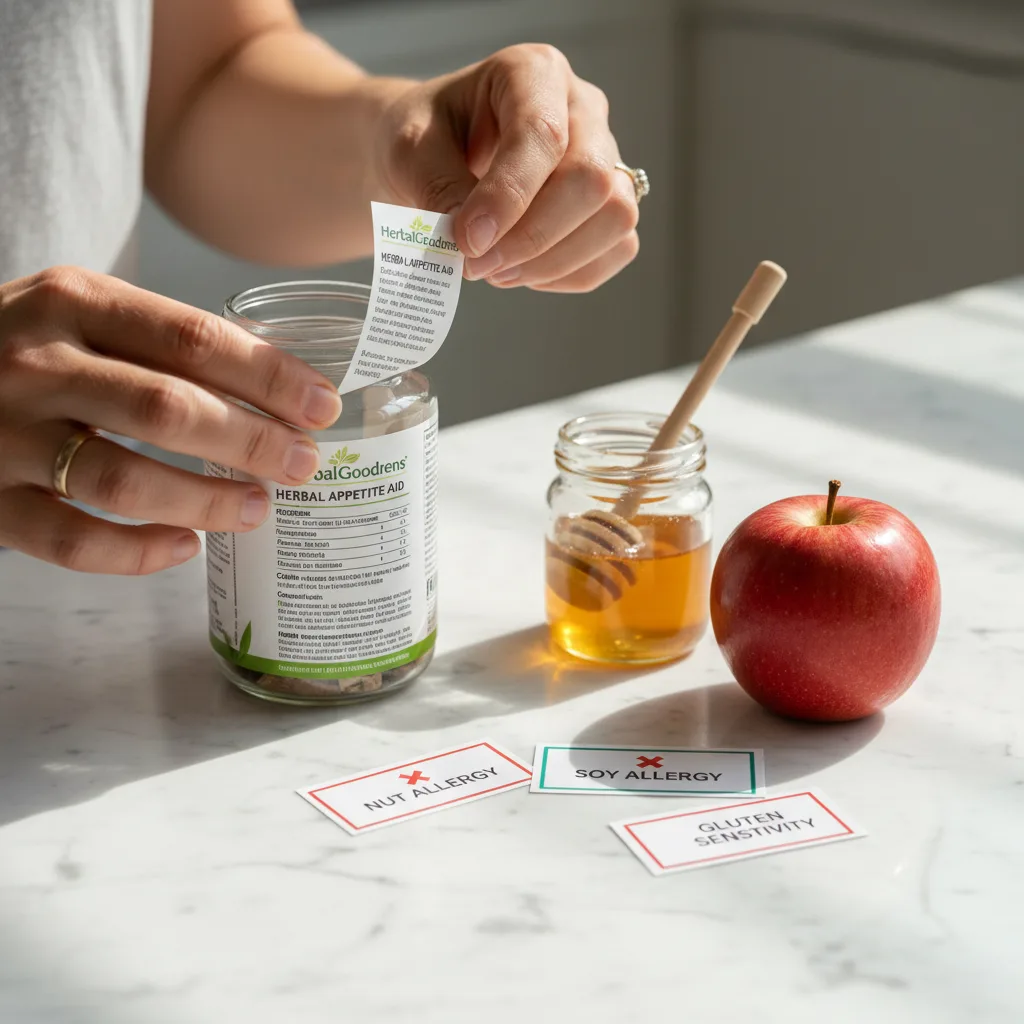
- Allergens (such as soy, dairy, tree nuts, or gluten) should be disclosed on the packaging.
- For super-sensitive children, scan for “may contain traces of…” statements, which flag equipment cross-contact.
By choosing Kids Plant-Based Supplements 1oz, parents gain peace of mind with a focus on transparency and gentle, kid-focused blends.
Choosing the Right Format: What Makes an Herbal Aid Kid-Friendly?
The right delivery format can make all the difference for convenience, taste, and success with your child. Here are common kid-friendly options and what to expect from each.
Alcohol-Free Liquid Drops
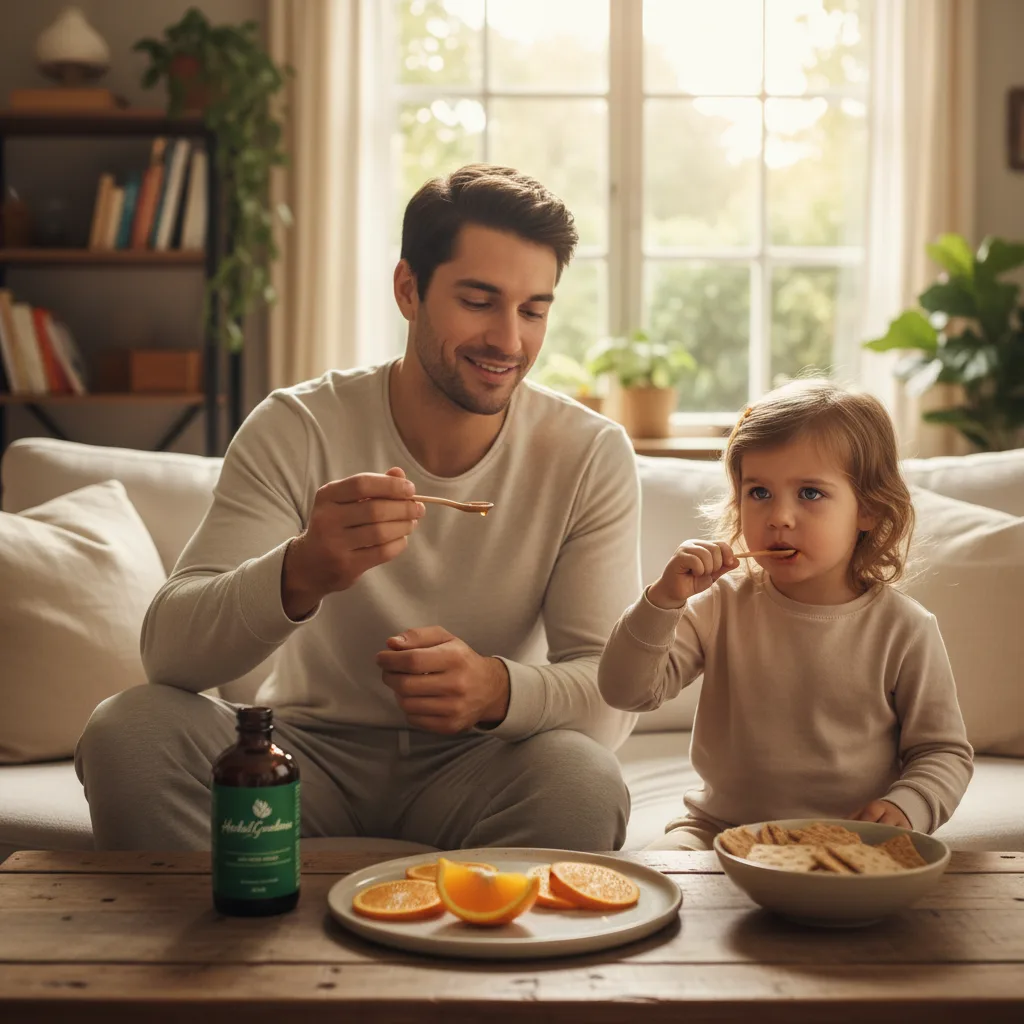
One of the most popular formats for children, alcohol-free drops feature water or glycerin-based herbal extracts. They’re easy to adjust by age or weight, mixable into food and drinks, and typically have milder flavors than alcohol-based tinctures.
- Pros: Precise measurement, easily diluted, great for sensitive palates
- Cons: Some children may still be hesitant about the herbal taste
If you want to try a trusted liquid option, Organic Papaya Leaf Extract 1oz | 15X Liquid – Trial & Travel Size can be a gentle introduction for younger children.
Chewables and Gummies
Chewable tablets and gummies are formulated to appeal to children’s preferences for familiar textures and shapes. Look for versions made without artificial dyes or sugar-coatings.
- Pros: Fun for kids, portion-controlled, less mess
- Cons: May contain thickeners or sweeteners not suited for every child
Chewable options are great in a routine but always vet ingredients for quality and suitability.
Herbal Teas
For older children, warm or iced herbal teas offer a cozy, sippable way to introduce botanical blends. Choose caffeine-free options clearly labeled for children.
- Pros: Hydrating, can be served warm or cold, flavors can be adjusted with honey or fruit (for ages 1 and over)
- Cons: Not all kids enjoy herbal flavors, and serving hot liquids requires caution with younger children
Organic Papaya Leaf Tea | 24 Premium Bags – Caffeine-Free offers a gentle tea alternative and is free from added caffeine or synthetic flavors.
Spotting Additives, Fillers, and Allergens Before You Shop
Knowing what’s not in a product is as vital as knowing what is. Some appetite aids—especially those designed for taste or shelf stability—contain ingredients parents may want to limit.
Common Additives and Why They’re Used
- Glycerin: Used as a sweetener and base for alcohol-free liquid extracts
- Natural Flavors: Often added to mask earthy herbal notes
- Citric Acid and Ascorbic Acid: Natural preservatives for freshness
- Cellulose, Maltodextrin, or Gum Arabic: Used as fillers or to bind chewable forms
Always read the complete ingredient list and discuss unfamiliar additives with your pediatrician if you have any concerns. Choosing simple, clean-label products can make it easier to spot suitable options for your child. The Soursop Leaf Graviola Extract 15X Liquid | Organic Cell & Immunity stands out for parents seeking minimal ingredients and easy mixing.
Allergen Labelling and Cross-Contact
Manufacturers are required to note the presence of the eight major allergens in the U.S.—milk, eggs, fish, shellfish, tree nuts, peanuts, wheat, and soybeans. However, facilities may process multiple products, creating risk for cross-contact. Scan packages for clear allergen statements, and when in doubt, contact the manufacturer for details.
Kids Plant-Based Supplements 1oz are formulated with sensitive children in mind and highlight all potential allergen cross-contact risks clearly on their packaging.
Flavor, Texture, and Palate Tips: Helping Picky Eaters Try Herbal Products
Introducing anything new—especially unfamiliar herbal flavors—to a picky eater requires a gentle, thoughtful approach. Here are some evidence-based tips for supporting your child’s palate while shopping for herbal appetite aids.
Blend Familiar Flavors
- Choose products that pair botanicals with fruit, vanilla, or natural sweeteners like agave or honey (for children over one year old)
- Look for “mild” or “natural berry” claims, which are often more readily accepted
Texture Tricks
- Mix liquid extracts with water, applesauce, smoothies, or yogurt—experiment with preferred textures
- Chewables can be offered alongside a favorite snack
- Allow your child to participate in preparing herbal teas or drops, so the process feels fun and empowering
Small Steps and Routine
- Introduce new flavors in tiny amounts and praise experimentation
- Offer herbal aids at the same time each day, so they become part of a reassuring routine
- Avoid pressuring your child; let curiosity lead the way

The experience of making Organic Papaya Leaf Tea together or blending Soursop Leaf Graviola Extract 15X Liquid into smoothies can empower and positively engage even hesitant eaters.
Creating a Checklist: Smart Parent Questions Before You Buy
Before placing an order for an herbal appetite aid, consider discussing these questions with your pediatrician or wellness provider:
- Is this herbal product appropriate for my child’s age and current eating patterns?
- Are there any known sensitivities or allergies to the listed ingredients?
- What is the recommended serving size? Can it be adjusted for my child?
- Which product formats (liquid, chewable, tea) are safest and most practical for my child?
- Are there any potential interactions with other supplements, foods, or wellness routines currently in place?
Bringing these questions to your child’s provider helps support clarity and peace of mind. It’s also a sure way to confirm you’re making the most informed purchase possible. A number of families also like to keep Kids Plant-Based Supplements 1oz on hand as a go-to for daily routines.
Shopping Smart: Where to Buy Best Quality Kid-Friendly Herbal Appetite Aids
When you’re exploring herbal products for kids, buying from established, transparent retailers is key. Here’s what to keep in mind as you shop:
- Seek retailers and brands that provide clear ingredient transparency, sourcing information, and third-party testing
- Compare shop policies for returns and customer service, especially for products designed for children
- Look for reviews and testimonials from parents with similar priorities around safety and flavor
- When in doubt, order directly from the manufacturer, such as Herbal Goodness, to ensure you’re receiving the most up-to-date information and best quality products
By choosing child-focused retailers and asking smart questions, you’ll feel more confident in your purchase decisions and prepared to support your child’s appetite journey. Consider starting with staples like Soursop Leaf Graviola Extract 15X Liquid, Kids Plant-Based Supplements 1oz, or Organic Papaya Leaf Extract 16oz for well-rounded, trustworthy herbal support for family wellness.
Curious about incorporating kid-friendly herbal appetite aids into your family’s routine? Start your search by exploring reputable brands, reading labels carefully, and discussing your options with your child’s healthcare provider.
FAQs:
- How do I pick the best quality herbal appetite aid for my child?
Look for products with clear age-appropriate dosing instructions, simple ingredient lists, non-GMO or organic claims, and third-party quality assurances. Always read reviews and consult your pediatrician before buying.
- Where can I buy safe, kid-friendly herbal appetite aids?
Choose established retailers or order directly from trusted manufacturers. Ensure the brand provides clear ingredient transparency and batch testing for your peace of mind.
- Are alcohol-free herbal drops better for children than other formats?
Alcohol-free drops are popular for younger children because they allow precise dosing and blend easily with food or drinks, but always ensure the chosen format matches your child's preference and safety needs.
- What should I check on labels before purchasing a herbal product for my child?
Check for age claims, clear serving directions, allergen statements, organic or non-GMO certifications, and a list of all additives or flavorings to ensure suitability for your family.
- How can I encourage a picky eater to try herbal appetite aids?
Start with mild flavors, mix products into familiar foods, use fun routines, and offer tiny tastes without pressure to help your child explore new options gradually.
- Should I talk to a pediatrician before adding herbal appetite aids to my child’s dietary?
Yes. It’s always smart to discuss herbal products with your child’s provider, especially to address possible sensitivities and appropriate serving sizes.
- What formats are best for young children: liquids, teas, or chewables?
Alcohol-free liquid drops are often easiest for young children, while older kids might enjoy teas or chewables. Choose the format that best matches your child’s age and eating habits.
Author Name:
Herbal Goodness Editorial Team
Author Bio:
The Herbal Goodness Editorial Team specializes in holistic health and superfoods, blending science and nature to educate and empower our community.
Related blogs:
Ethiopian Black Seed Oil: Terroir, Traditions, and Everyday Uses Explained
Demystifying the 72-Hour Rule for Oil of Oregano: Origins, Safety, and Usage Tips
A McKinney Shopper’s Guide to Choosing Brain & Focus Liquid Extracts
How to Shop for Moringa Powder at Holland & Barrett: An In-Store Checklist
Soursop Fruit vs. Soursop Leaves: Flavor, Uses, and Choosing the Best Form
Translating Soursop Leaves Benefits from Tradition to Your Teacup Experience
What Plant Is Mistaken for Mullein? A Beginner’s Guide to Spotting Look-Alikes
Decoding 'Buddha Mullein' and Other Branded Mullein Teas: What Names Reveal
How Much Mullein Extract Per Day: Practical Guidance for Serving Sizes and Labels
Iodine & Sea Moss: Understanding Nutrients, Side Effects, and Smart Choices
Share this
Popular posts


FAQs
1. What are the main benefits of drinking bamboo leaf tea?
Drinking bamboo leaf tea supports hydration, relaxation, skin wellness, and antioxidant balance.
2. What is bamboo leaf extract used for?
It’s used for general body wellness, skin elasticity, hair and nail support, and overall vitality.
3. Can bamboo leaf help with skin care and body wellness?
Yes, bamboo leaf is rich in silica and antioxidants, which promote healthy skin, strong nails, and a youthful glow.
4. What forms of bamboo leaf are available?
You can find dried bamboo leaf, powder, extract, drops, oil, and bamboo leaf green tea.
5. Are there any side effects of bamboo leaf?
Bamboo leaf is generally safe when consumed in moderation. Always consult your healthcare provider before starting any new herbal supplement.