Sea Moss Topicals 101: Simple, Safe Ways to Use Organic Sea Moss Gel

Introduction
Organic sea moss gel is gaining wide attention for its versatility in topical routines, both for skin and hair. With roots in several folk traditions, this sea vegetable has long been valued for its naturally soothing texture and gentle mineral content. In this primer, we'll explore the foundational uses of sea moss topicals, focusing on simple, safe ways people traditionally and currently incorporate organic sea moss gel into DIY skin and hair routines at home. You'll find practical preparation tips, essential safety basics, and straightforward ingredient pairings—all without overstepping into unsupported health claims.
Understanding Organic Sea Moss Gel as a Topical Base
What Is Organic Sea Moss Gel?
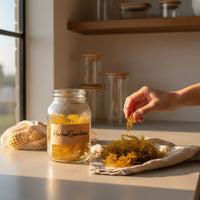
Organic sea moss gel is made by soaking and blending sea moss, a type of seaweed also known as Irish moss. Traditionally, it is prepared to create a smooth, jelly-like consistency that can be applied directly to skin or hair. What makes it particularly popular in skin and hair routines? Many appreciate the light, non-greasy feel and natural minerals, which support its widespread use as a gentle at-home topical.
For those looking to craft their own gel at home, starting with Sea Moss - Raw Dried from St Lucia - 8oz Bag - Nature's MultiVitamins is ideal, ensuring high quality and purity in your base ingredient.
Cultural and Historical Context
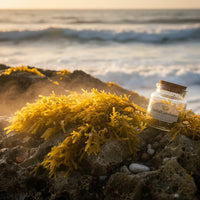
In Caribbean, Irish, and coastal cultures, sea moss has featured in both culinary and personal care customs for generations. In regions with access to fresh sea moss, families commonly prepared batches at home, sometimes using them as soothing gels for the skin or hair, especially during warm seasons or after being out in the sun. Today, these traditions inspire modern DIY enthusiasts seeking plant-based options for simple self-care routines.
Safe Steps for Trying Sea Moss Topicals at Home
Patch Testing: Why It Matters
Before fully embracing sea moss gel as part of your routine, it’s crucial to ensure it suits your skin or scalp. Patch testing—applying a small amount behind the ear or on the inside of the wrist—remains one of the safest ways to check for sensitivity. Wait 24 hours and observe for any signs of irritation or discomfort. While rare, sensitivities can happen with any natural ingredient.
If you source your sea moss for DIY gel from the Sea Moss Gel 16 oz – Nutrient-Rich Superfood for Everyday Wellness, you’ll enjoy a ready-to-use option that still allows for custom blends but saves preparation time at home.
Essential Tips for Home Preparation
- Sourcing Quality: Use organic, well-rinsed sea moss for your gel to limit impurities.
- Hygiene Focus: Prepare and store your gel in clean containers, practicing regular handwashing throughout.
- Test Consistency: Blend to a pudding-like texture that spreads smoothly but does not drip.
Those seeking even greater skin and hair support might blend herbal extracts with their sea moss base. Radiantly Good Looking - 2fl.oz - Skin & Anti-Aging is a notable option for those interested in supplementing their natural routines.
Practical Ways to Use Sea Moss Topically
Skin Masks and Gel Applications
Organic sea moss gel is most commonly used as a single-ingredient, leave-on mask or as a base for multi-ingredient blends. Here are a few gentle ways people traditionally work it into their skin routines:
- Pure Gel Application: Apply a thin layer to clean skin, leave on for 10–15 minutes, then rinse with lukewarm water.
- Hydration Mask: Combine gel with a teaspoon of pure aloe vera or rosewater for added hydration.
- Simple Exfoliant: Mix with a pinch of finely ground oats for mild exfoliating effects.
Pairing the gel with plant-powered blends such as Beauty Builder Liquid Extract 15X – Skin Support & Collagen Wellness Formula can upgrade a DIY mask, especially if you’re interested in supporting natural skin radiance.
Tip: Always avoid applying to broken or irritated skin.
Simple Ingredient Pairings
Pairings with other household naturals are common and tend to keep routines uncomplicated. Some popular choices include:
- Cucumber slices: for cooling effects
- Honey (for those who tolerate it): to enrich moisture
- Rosewater: for gentle scent and hydration
Incorporating natural botanical extracts further personalizes your mask. For a collagen boost, consider adding a few drops of Bamboo Leaf Tea – 24/1.5g Tea Bags - Nature's Collagen & Biotin infusion into your blend for DIY face or hair masks at home.

Hair Applications: Masks and Rinses
Organic sea moss gel has a unique slip that makes it easy to apply to both scalp and ends. Here are a few gentle ways people use it in hair care:
- Scalp Soother: Massage a small amount into a clean scalp, leave for up to 20 minutes, then rinse.
- Hydrating Mask: Blend with a little coconut water; apply to wet hair, let sit, and rinse thoroughly.
- Style Aid: For curly or wavy hair types, some apply a small amount to damp hair to help with manageability.
If you want to target deeper hair nourishment, supplementing your routine using Hair Growth - 15X Liquid Extract - Hair & Follicles can complement your sea moss-based mask for home hair rituals.
Always rinse hair thoroughly after any topical application to avoid residue build-up.
Texture, Storage, and Longevity Tips
Achieving the Right Texture
The texture of your DIY sea moss gel should be smooth and spreadable. A common method is to soak sea moss overnight, blend it with a bit of purified water, and adjust the blending time for creaminess. If the gel is too thick, add a teaspoon of water at a time to thin. Too runny? Blend with a little additional soaked sea moss.
Those who prefer a convenient, consistent gel for topical and nutritional uses often choose Sea Moss Gel 16 oz – Nutrient-Rich Superfood for Everyday Wellness for its ready-to-use texture and organic quality.
Storage and Preservation Basics
Homemade gel is perishable. Store in a clean, airtight jar in the coldest part of your refrigerator. Typically, home-prepped gels are used within 1–2 weeks. For longer storage, small portions can be frozen and thawed as needed. Always check for changes in smell, color, or texture before each use.
Tips for Longevity:
- Use clean utensils to scoop gel
- Avoid returning unused gel to the container
- Consider preparing small batches to ensure freshness

Honoring Traditional Uses & DIY Responsibility
Respecting Heritage
Whether you’re new to using sea moss topically or connecting with ancestral practices, learning about regional traditions helps foster both respect and understanding. Communities in the Caribbean and along Ireland’s coast have valued sea moss for topical self-care for generations—often sharing simple recipes among families.
Staying Safe and Mindful
When exploring homemade topical routines, always practice caution:
- Watch for changes in skin or scalp after first use
- Keep your DIY blends simple, especially when first experimenting
- Avoid incorporating unknown substances or essential oils without research, as these can increase the chance of sensitivity
- When in doubt, consult with a Personal Consultation with Herbalist or Health Coach to receive tailored guidance
Incorporating Sea Moss Topicals Into Home Rituals
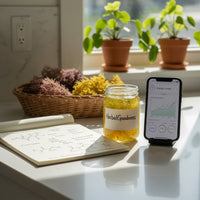
Adding organic sea moss gel into your personal care routines can be as elaborate or as simple as you wish. Some enjoy weekly face or hair masks, while others prefer using plain gel in smaller doses for its uncomplicated feel. Journaling your recipes, patch-test feedback, and texture adjustments can help tailor your approach over time.

What About Ready-Made Products?
While this article centers on at-home DIY practices, many appreciate that ready-made sea moss topical options exist—sometimes with added extracts or careful preservation. If considering store-bought, choose brands with clear sourcing and ingredient transparency. Herbal Goodness, for example, focuses on ethically-sourced botanicals and quality assurances, reflecting the growing demand for mindful production. Convenient options such as Sea Moss - Raw Dried from St Lucia - 8oz Bag - Nature's MultiVitamins or Radiantly Good Looking - 2fl.oz - Skin & Anti-Aging can be part of a routine for those who value convenience without sacrificing quality.
Conclusion
Exploring sea moss topicals offers a window into gentle, nature-inspired self-care that honors tradition, simplicity, and safe practice. With a little curiosity and care, you can create personalized routines that make the most of organic sea moss gel in your own home, treating your skin and hair to time-honored DIY rituals.
FAQs:
- What does organic sea moss gel feel like on the skin?
It has a smooth, jelly-like consistency that feels cool and light, making it suitable for a variety of gentle skin and hair applications.
- Can sea moss topicals be used daily?
Many prefer using sea moss gel 1–3 times per week in their routines. Start slowly and observe how your skin or scalp responds.
- How long does homemade sea moss gel last?
Homemade gel is typically used within 1–2 weeks when refrigerated. Always discard if you notice any change in smell, color, or texture.
- Which simple ingredients pair well with sea moss gel for a mask?
Common pairings include aloe vera, honey, rosewater, and finely ground oats for gentle DIY facial or hair masks.
- How should I store organic sea moss gel?
Store it in a clean, airtight container in the refrigerator. For longer storage, freeze small portions and thaw as needed.
- Is it safe to use sea moss topically on sensitive skin?
Sea moss gel is widely appreciated for its gentle feel, but patch testing is always recommended before full use, especially on sensitive skin.
- Can sea moss gel be used on all hair types?
Yes, it is applied by many to a range of hair textures, though routines may vary. Always rinse thoroughly and use small amounts at first.
Author Name:
Herbal Goodness Editorial Team
Author Bio:
The Herbal Goodness Editorial Team specializes in holistic health and superfoods, blending science and nature to educate and empower our community.
References:
Introducing Graviola to Young Taste Buds: Fun, Family-Friendly Flavor Exploration
Graviola in the Classroom and at Home: Creative Activities to Teach Kids About Tropical Plants