





Sea Moss Gel 'Sprouts': A Beginner’s Guide to Trend, Texture, and Safe Culinary Uses

In today’s kitchens, culinary adventurers are exploring innovative ways to work with traditional superfoods. One fast-rising favorite in the natural foods community is sea moss gel—especially a textured twist dubbed “sea moss gel sprouts.” This trend is sparking creativity among home cooks and wellness enthusiasts alike. But what are sea moss gel sprouts, how did this kitchen idea take off, and what does it mean to experiment safely with sea moss gel's texture and flavor? This guide will demystify the cultural background, practical techniques, and culinary pairings that make this trend both intriguing and accessible for curious beginners.
Understanding Sea Moss Gel 'Sprouts': What Does the Term Mean?
Defining 'Sprouts' in the Context of Sea Moss Gel
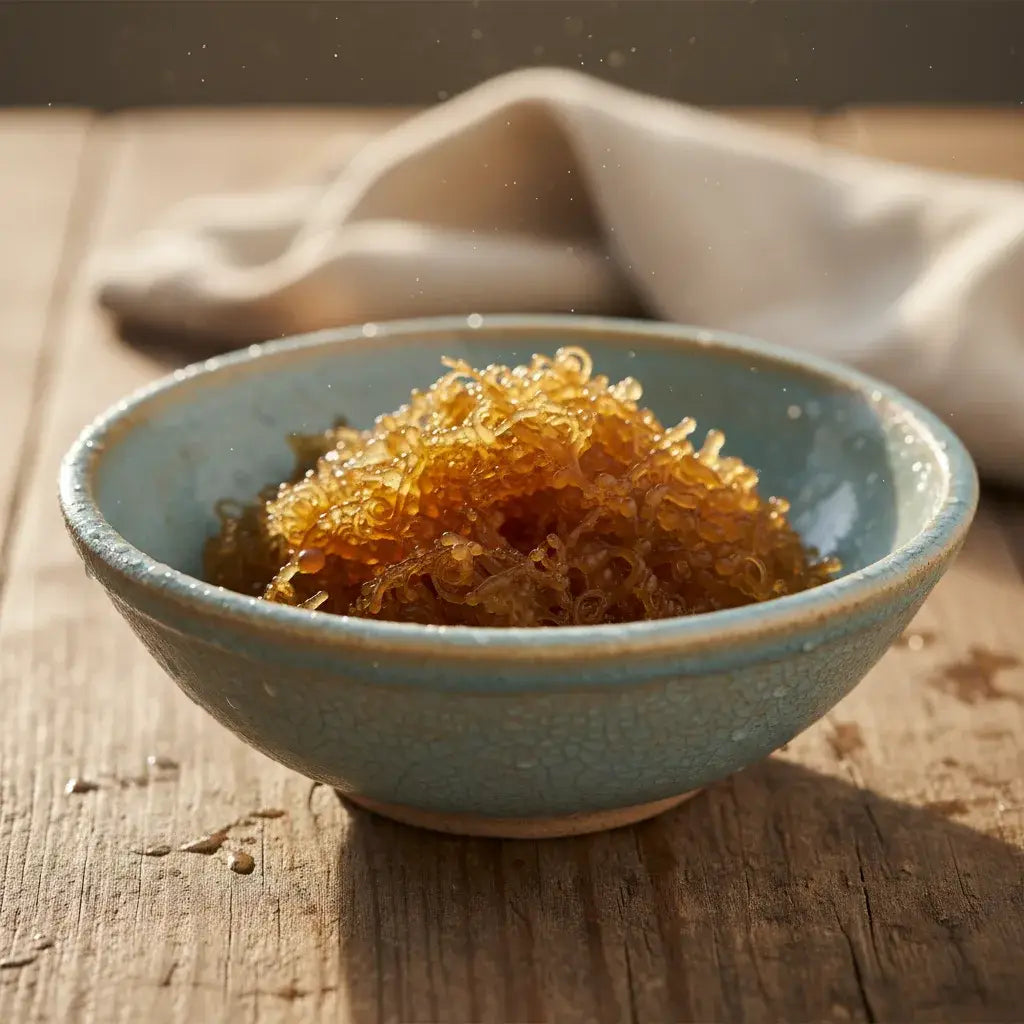
While the term "sprout" often brings to mind green shoots from seeds, sea moss gel sprouts take on a different—but equally transformative—form. Here, "sprouts" is used metaphorically to describe changes in the gel’s texture and structure. It’s the kitchen process of creating a firmer, almost chewy strand or clustered consistency within the gel, achieved by blending, chilling, or using certain preparation techniques. The result? A sea moss gel with unique mouthfeel and visual appeal that stands out from the standard, smooth version.
The Origin and Evolution of the Trend
Sea moss itself has centuries of traditional use in Caribbean, Irish, and coastal cuisines. The texture play began in health-conscious circles seeking new ways to enjoy the gel beyond smoothies and teas. Creative cooks started chilling, whipping, and even shaping the gel, crafting strands or clusters that mimic the look of microgreens or caviar. This playful adaptation made sea moss gel more appealing on toast, salads, and grain bowls, giving rise to the popular “sprouts” tag on social media and in gourmet recipes.
Exploring Sea Moss Gel Texture: The Science in your Spoon
What Makes Sea Moss Gelable?
Sea moss (specifically Chondrus crispus or Gracilaria) contains natural polysaccharides such as carrageenan and alginate. These components naturally form a gel when combined with water and cooled. By adjusting how you blend, set, or whip the gel, you can modify its texture. Aggressive blending leads to a smooth, pudding-like gel; pulsing or chilling yields firmer, strand-like formations reminiscent of sprouts.
For those interested in making sea moss gel at home, it is crucial to start with premium, uncontaminated raw material. If you're sourcing the key ingredient, consider Sea Moss - Raw Dried from St Lucia - 8oz Bag - Nature's MultiVitamins for excellent results and peace of mind when exploring texture transformations.
Safe Texture Experiments at Home
If you’re curious about texture, there are several straightforward, low-risk methods to try:
- Soft “Sprouts”: After soaking and rinsing raw sea moss, blend it with water for a short burst instead of a long whizz. Pour into molds or spread in a thin layer and refrigerate. The set gel will have tiny, springy clusters.
- Clustered “Sprouts”: Spoon gel into ice cube trays or small domes, creating bite-sized textured pieces. Serve these as toppings for yogurt or fruit bowls.
- Layered Texture: Layer firmer set gel with softer whipped gel for a visually distinct, multi-textured treat on cracker canapés or open-faced sandwiches.
Always start with food-grade, thoroughly rinsed sea moss. Avoid combining sea moss gel with unfamiliar additives or flavorings unless verified safe in food science references.
For ready-to-use options, Sea Moss Gel 16 oz – Nutrient-Rich Superfood for Everyday Wellness offers a convenient and nutrient-rich foundation for these texture experiments, with the consistency ideal for sprouting techniques at home.
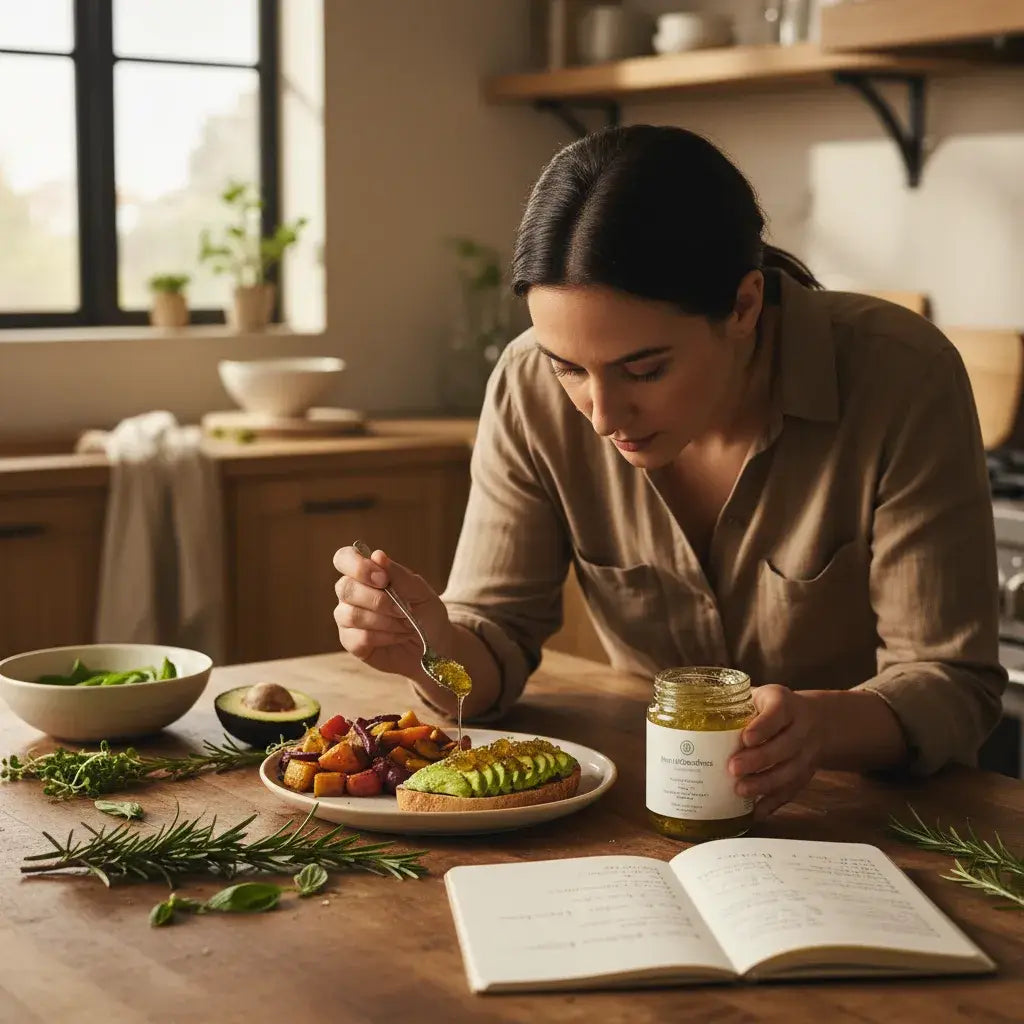
Culinary Pairings and Simple Plating Ideas
Best Flavor Matches for Sea Moss Gel Sprouts
Sea moss gel has a subtle, oceanic taste and a neutral base that works well with both sweet and savory elements. Ideal pairings include:
- Citrus zest and fresh fruits (for a bright contrast)
- Maple syrup, vanilla, or cinnamon (for breakfast parfaits)
- Avocado, tomato, or cucumber (on grain bowls or salads)
- Herbs like dill or parsley (in savory sauces, dips, or wraps)
- Tahini or nut butters (for a richer, more indulgent mouthfeel)
If incorporating herbal infusions in savory recipes, try pairing your dishes with Bamboo Leaf Tea – 24/1.5g Tea Bags - Nature's Collagen & Biotin for a refreshing and nutritious boost that complements sea vegetables and roots.
Easy Ways to Plate and Garnish
- Swirl gel “sprouts” on toast, topping with sliced strawberries or seeds for color
- Dot on pancakes or waffles alongside a drizzle of natural sweetener
- Add as a cool finishing touch to grilled vegetables, giving a sea-inspired flair
- Scatter bite-sized clusters atop sushi-style bowls, paired with sesame seeds and edamame
Remember, a little goes a long way: use sea moss gel as an accent, not the main event, to enhance textures and flavors in both familiar and adventurous recipes.
Storage and Freshness Basics
How to Store Sea Moss Gel Sprouts
Proper storage ensures safety and best texture:
- Refrigerate freshly prepared gel in an airtight container. It’s best used within 7–10 days.
- Keep utensils clean when scooping gel to minimize spoilage.
- Avoid freezing if you want to maintain the distinct “sprouts” texture, as thawing may cause breakdown.
- If in doubt about freshness (odor, appearance), discard and prepare a new batch.
For those making their gel from scratch, having raw dried sea moss on hand allows flexibility to control freshness and tailor each batch to your texture preferences.
Cultural and Sustainability Context: Why Sea Moss Gel Sprouts Now?
Cultural Roots and Modern Inspiration
Sea moss has long been celebrated in Afro-Caribbean and Irish food traditions—used for thickening beverages, desserts, and more. Modern enthusiasts have adopted these roots, emphasizing sea moss’s versatility and aligning with broader plant-based trends.
For those interested in expanding their plant-based culinary toolkit, combining ingredients such as sea moss gel and bamboo-based teas brings together nutrient-rich flavors and sustainable choices. Bamboo Leaf Tea – 24/1.5g Tea Bags - Nature's Collagen & Biotin is one such option that honors both tradition and innovation.
Today, the experiment with “sprouts” reflects a broader global movement: celebrating traditional superfoods through inventive, chef-inspired presentation. Sea moss’s adaptability makes it a canvas for new food art, while still respecting its culinary heritage.
Sourcing and Sustainability Considerations
Sea moss grows in clean, shallow coastal waters. Responsible harvesting practices are vital for marine ecosystem balance. When purchasing sea moss, look for suppliers that:
- Source from non-polluted waters
- Support small-scale or community harvesters
- Avoid overharvesting and destructive collection methods
By choosing thoughtfully sourced sea moss, you contribute to ocean health and fair trade. Sourcing matters, so check your product packaging or go with trusted options such as Sea Moss - Raw Dried from St Lucia - 8oz Bag - Nature's MultiVitamins.
How to Decide If You Should Try Sea Moss Gel 'Sprouts'
Who Is This Trend For?
Sea moss gel sprouts appeal to:
- Plant-based eaters looking for diverse textures
- Culinary creatives seeking a new topping or garnish
- Anyone interested in global, sustainable superfoods
It’s perfect for anyone willing to experiment within safe kitchen parameters. With a straightforward method and lots of room to customize, sea moss gel sprouts are an entry point for broader exploration of sea vegetables and their place in modern cuisine.
If you’d like to complement your gourmet creations and wellness journey, explore the vibrant, natural tastes of Bamboo Leaf Tea – 24/1.5g Tea Bags - Nature's Collagen & Biotin as a nourishing beverage option.
Tips for First-time Sea Moss Gel Sprout Makers
- Start small: Experiment with a half-batch of gel before scaling up
- Document texture changes: Note what techniques produce the result you enjoy
- Pair thoughtfully: Match with familiar flavors like citrus or grains for an easy introduction
- Share and compare: Connect with online communities to see others’ creative uses and plating ideas
Embarking on the sea moss gel sprout trend is a fun, low-pressure way to play with texture, boost nutrition, and embrace a global food movement—all from your kitchen.
FAQs:
- What exactly are sea moss gel 'sprouts'?
Sea moss gel 'sprouts' refer to textured formations created by altering traditional sea moss gel preparation, resulting in a cluster-like or strand-like consistency. They are used as a topping or accent in various dishes for added texture and visual appeal.
- How can I safely create different textures with sea moss gel at home?
Safe texture changes involve adjusting blending time, setting gel in molds, or layering consistency within the gel. Always start with thoroughly cleaned, food-grade sea moss, avoid unknown additives, and refrigerate the prepared gel.
- What are some easy culinary uses for sea moss gel sprouts?
Sea moss gel sprouts complement both sweet and savory foods. Try adding them to toast, fruit bowls, salads, yogurt, or as garnish on pancakes, grain bowls, or sandwiches for added texture and an appealing look.
- How should I store sea moss gel sprouts for freshness and safety?
Store sea moss gel sprouts in a clean, airtight container in the refrigerator. Use within 7–10 days. Avoid freezing if you wish to retain the distinct texture. Always check for changes in smell or appearance before eating.
- Are sea moss gel sprouts environmentally sustainable?
Sustainability depends on sourcing. Choose sea moss from trusted suppliers who use responsible harvesting methods and support small-scale harvesters to help protect marine ecosystems.
Author Name:
Herbal Goodness Editorial Team
Author Bio:
The Herbal Goodness Editorial Team specializes in holistic health and superfoods, blending science and nature to educate and empower our community.
References:
Introducing Graviola to Young Taste Buds: Fun, Family-Friendly Flavor Exploration
Graviola in the Classroom and at Home: Creative Activities to Teach Kids About Tropical Plants
Share this

Popular posts


FAQs
1. What are the main benefits of drinking bamboo leaf tea?
Drinking bamboo leaf tea supports hydration, relaxation, skin wellness, and antioxidant balance.
2. What is bamboo leaf extract used for?
It’s used for general body wellness, skin elasticity, hair and nail support, and overall vitality.
3. Can bamboo leaf help with skin care and body wellness?
Yes, bamboo leaf is rich in silica and antioxidants, which promote healthy skin, strong nails, and a youthful glow.
4. What forms of bamboo leaf are available?
You can find dried bamboo leaf, powder, extract, drops, oil, and bamboo leaf green tea.
5. Are there any side effects of bamboo leaf?
Bamboo leaf is generally safe when consumed in moderation. Always consult your healthcare provider before starting any new herbal supplement.