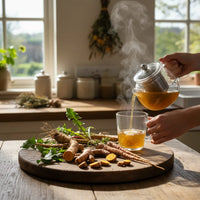
Raw Apricot Seeds in Bulk: A Practical Guide for Herbal Makers & Businesses

Many herbal makers, blenders, and small business owners are exploring raw apricot seeds in bulk for their versatility, unique character, and alignment with sustainable herbal craft traditions. Whether you’re crafting innovative teas, natural body products, or specialty blends, understanding the essentials of sourcing, safety, and creative uses for bulk apricot seeds can help you build better blends and safer products for your community. This practical guide will walk you through every stage, including choosing between sweet and bitter varieties, sourcing responsibly, understanding safety checkpoints, and smart tips for processing and incorporating raw apricot seeds into your offerings.
Exploring Apricot Seed Varieties: Sweet vs. Bitter
Apricot seeds, sometimes called kernels, come from the stone of the apricot fruit. When sourcing in bulk, you’ll often encounter two main types: sweet apricot seeds and bitter apricot seeds. Understanding the differences between these varieties is crucial for choosing the right type for your herbal or craft applications.
Sweet Apricot Seeds
Sweet apricot seeds originate from varieties bred for lower levels of natural compounds, offering a milder flavor and gentler almond-like aroma. They are often favored in culinary and gentle skincare applications due to their subtle notes and broader regulatory alignment for food-grade uses in some regions.
Bitter Apricot Seeds
Bitter apricot seeds are more commonly used in traditional herbal crafting and non-food personal care formulations. Characterized by their strong, robust flavor and higher concentration of certain plant compounds, they provide an intense, aromatic base for select craft blends, specialty soaps, and cosmetic applications.
Choosing the Right Type: For herbal makers and small businesses, the choice between sweet and bitter seeds largely depends on your intended formulations. Always match your seed variety to the needs and safety requirements of your project.
How to Source Bulk Raw Apricot Seeds Responsibly
As demand grows for transparent, sustainable herbal ingredients, sourcing bulk apricot seeds has become a process that rewards careful research and supplier relationships. Here’s how to ensure your ingredients align with botanical best practices:
- Traceability: Partner with suppliers who maintain clear records of harvest location, processing, and handling. Traceability not only ensures quality but also supports ethical environmental and labor standards.
- Sustainability: Ask about farming practices and eco-friendly processing. Look for suppliers who support small farmers, use minimal intervention agriculture, or participate in reforestation or biodiversity programs.
- Certifications: If your business values organic, non-GMO, or fair trade certifications, confirm these through documentation and, if possible, farm or facility audits. Official paperwork adds reliability, especially for food and skincare brands.
A transparent approach to sourcing reflects well on your business, appeals to conscious consumers, and reduces the risk of unforeseen issues with your herbal or craft batches.
Key Safety and Regulatory Checkpoints for Bulk Apricot Seeds
Bulk raw apricot seeds require careful handling to maintain both quality and safety. Here are the most critical checkpoints every small business or herbal maker should consider:
Know Your Region’s Guidelines
Food safety and cosmetic regulations surrounding apricot seeds can vary widely. In some areas, only sweet varieties may be permitted for use in edible products, and quantity limits may apply. Always stay current with:
- Federal and regional food safety guidelines
- Cosmetic ingredient regulations for topical or skincare uses
- Import restrictions for international sourcing
Safe Storage and Handling
Proper handling ensures your raw seeds retain their freshness and integrity:
- Store in a cool, dry, and dark place in airtight containers.
- Label bulk seeds clearly with harvest date and variety.
- Rotate stock for first-in, first-out usage.
Supplier Quality Checks
Ask for recent lab testing, certificates of analysis, or sample batches when evaluating a bulk order. Major checkpoints include:
- Moisture content
- Absence of visible mold or debris
- Identity and purity confirmation
Tip: Herbal Goodness and other reputable suppliers often provide these documents upon request, supporting your due diligence as a responsible maker.
Simple Processing and Storage Practices for Raw Apricot Seeds
Handling bulk apricot seeds doesn’t have to be overwhelming. Simple, clean processes can help retain freshness and ensure quality:
- Cleaning: If seeds arrive with debris, gently rinse and air dry thoroughly before storage.
- Cracking: For craft or culinary applications, some makers lightly crack or grind the seeds to activate aroma and release natural oils. Always use sanitized equipment and separate batches to avoid cross-contamination.
- Grinding: Food processors, mortar and pestle, or spice grinders can help prepare seeds for powder blends or skincare scrubs. Only process the quantity needed for short-term use to preserve freshness.
- Storage: Bulk quantities should be stored in food-grade, airtight bins or glass jars in low-humidity environments. When possible, stock smaller day-use amounts outside of the main supply to minimize repeated exposure.
Creative Non-Medical Uses for Bulk Raw Apricot Seeds
Raw apricot seeds offer a world of creative possibilities for herbal businesses, crafters, and innovative blenders. Below are a few ways these seeds can be incorporated into products and offerings, keeping within their traditionally valued uses:
Specialty Herbal and Tea Blends
Crushed or finely ground apricot seeds can add a subtle, nutty undertone and texture to custom herbal loose-leaf or powdered tea blends. Sweet seeds are often chosen for their delicate flavor notes, while bitter seeds lend depth to specialty recipes. Always clearly label blends and communicate the inclusion of apricot seeds to your customers.
Natural Skincare Formulas
Apricot kernels are traditionally incorporated into natural scrubs, soaps, and bath soaks for gentle exfoliation and skin feel. Ground kernels offer a fine texture suitable for exfoliating bars, hand-crafted body polishes, and self-care products. Pairing apricot seed powder with nourishing plant oils or botanical infusions can help businesses expand their skincare line into eco-friendly territory.
Sustainable Craft and DIY Projects
Beyond body care and herbal teas, raw apricot seeds have a longstanding place in craft traditions. Whole or cracked seeds can be used in decorative soaps, art projects, or home crafts for rustic texture and appeal. Experimenting with natural dyes or embedding kernels into candles can set your small business offerings apart in the handmade market.

Best Practices for Small Businesses Ordering Raw Apricot Seeds in Bulk
Partnering with a reputable supplier and establishing streamlined practices can help your herbal or craft business thrive:
- Request Samples: Always begin with a sample order to evaluate quality and fit for your needs.
- Assess Minimum Orders: Check supplier minimum order quantities and calculate storage space before purchasing.
- Documentation: Retain all invoices, certifications, and batch test reports for transparency—especially important if you plan to relabel or resell.
- Staff Training: If you run a team, ensure everyone handling ingredients is informed about safety and labeling, especially when using bitter seeds.
Being thorough with processes and relationships can set your business up for success while protecting your reputation with customers and regulators.
Sourcing Quality: What Sets Premium Bulk Apricot Seeds Apart
With the proliferation of online sources and international suppliers, distinguishing high-quality bulk apricot seeds becomes crucial. Here are some benchmarks to guide your selection:
- Fresh Appearance: Seeds should have a uniform, rich color and smooth surface without signs of shriveling, spots, or excessive breakage.
- Consistent Aroma: Freshly sourced apricot kernels present a faint almond or nutty scent. Off-odors indicate compromised freshness.
- Supplier Transparency: Clear, prompt communication from your supplier about origin, harvest date, and lab results speaks volumes for reliability.
- Responsibly Sourced: Whenever possible, choose seeds that are organically grown or sustainably harvested. Ask detailed questions about farming practices, as this can also impact your own product narratives and sustainability goals.

Building Community and Customer Trust with Your Herbal Creations
For small businesses and herbal entrepreneurs, transparency and clear communication about processes and sourcing matters as much as the craft itself. Provide your buyers with background stories of your ingredient sourcing. Share why you selected your variety of raw apricot seeds, your commitment to sustainable practices, and the non-medical benefits these ingredients bring to your creative formulations.
With careful attention to sourcing, handling, and formulation, raw apricot seeds can serve as a safe, creative, and sustainable foundation for a wide range of herbal and self-care offerings. As always, stay vigilant about regulatory updates and emerging best practices, and keep your community informed with thoughtful educational materials.
FAQs:
- What are the main differences between sweet and bitter apricot seeds?
Sweet apricot seeds are milder in flavor and aroma, typically used in culinary and gentle skincare products, while bitter apricot seeds have a stronger, more robust profile and are often reserved for traditional herbal or craft applications. Always match the variety to your project's requirements and observe any relevant safety guidelines.
- How can I ensure my bulk apricot seeds are sustainably and ethically sourced?
Look for suppliers who provide traceable sourcing details, farming certifications like organic or fair trade, and are transparent about their sustainability practices. Responsible suppliers willingly share documentation and answer questions about their harvest and processing protocols. For a broader range of botanicals supporting ethical sourcing, you might consider Bulk Herbs & Roots Online for Tea, Tinctures & DIY Wellness - Organic 4oz Bags.
- What safety steps should small businesses take when working with raw apricot seeds?
Always check local and federal regulations regarding use, request lab testing or certificates of analysis from suppliers, label batches with variety and harvest date, train staff on safe handling, and store seeds properly to maintain freshness and integrity. Explore additional safety-conscious botanicals with Bulk Herbs & Roots Online for Tea, Tinctures & DIY Wellness - Organic 4oz Bags if needed.
- How should bulk apricot seeds be stored to maximize freshness?
Store seeds in airtight, food-grade containers in a cool, dry, dark environment. Avoid humidity and direct sunlight, and rotate stock using the first-in, first-out principle to ensure optimal freshness across all batches. For other dried botanicals requiring similar storage, see Sea Moss - Raw Dried from St Lucia - 8oz Bag - Nature's MultiVitamins.
- In what creative ways can raw apricot seeds be used beyond food?
Apricot seeds are commonly used in natural body scrubs, exfoliating soaps, bath products, and even in craft projects like decorative soaps or rustic candles. They add unique texture, gentle exfoliation, and a story of traditional herbal usage to creative small business offerings. Try Herbal Papaya Bath Soap - 2 bars/3.5oz for inspiration in natural bath formulations.
- Why is traceability important when sourcing bulk apricot seeds?
Traceability gives you confidence in the quality and origin of your seeds. It ensures ethical practices, supports environmental stewardship, and helps meet consumer demand for transparency and clean sourcing.
Ready to explore the world of raw apricot seeds for your herbal or craft business? Research your suppliers, ask questions about sourcing and sustainability, and always prioritize safe, creative formulations for your blends. Consider pairing your sourcing with quality botanicals such as Bulk Herbs & Roots Online for Tea, Tinctures & DIY Wellness - Organic 4oz Bags, Sea Moss - Raw Dried from St Lucia - 8oz Bag - Nature's MultiVitamins, or Herbal Papaya Bath Soap - 2 bars/3.5oz to expand your product line.
Author Name:
Herbal Goodness Editorial Team
Author Bio:
The Herbal Goodness Editorial Team specializes in holistic health and superfoods, blending science and nature to educate and empower our community.