Pyramid vs Sachet vs Flat: How Tea Bag Shape Affects Bamboo Tea

Have you ever wondered why bamboo leaf tea sometimes tastes a little different, even when you brew the same kind? You might be reaching for pyramid, sachet, or flat tea bags without realizing how the shape and material of each bag change your cup. This friendly guide offers a look at how tea bag construction impacts infusion, aroma, and even your waste footprint—helping you choose an earth-friendlier, more enjoyable bamboo leaf tea experience next time you brew.
Exploring Tea Bag Shapes: Pyramid, Sachet, and Flat Pouch
When it comes to bamboo leaf tea, the bag your leaves arrive in matters more than you might think. Let's explore the three most common shapes—pyramid, sachet, and flat pouch—and how each one shapes your cup.
Pyramid Tea Bags: Room for More Infusion
Pyramid-shaped tea bags are a relatively modern innovation. Their three-dimensional design gives the bamboo leaves ample space to expand when hot water is added. This spaciousness holds several advantages for your cup:
- Improved Leaf Circulation: The angles and ample cavity in a pyramid bag let hot water swirl freely around the leaves, extracting more natural bamboo aroma.
- Fuller Flavor Release: Loose, unbroken bamboo leaf pieces fit comfortably in pyramid bags; this allows more surface area for water to draw out complex flavor notes.
- Brewing Convenience: Despite their fancy shape, you can brew a robust, satisfying cup with minimal effort—simply add hot water and steep.
If you prefer a cup with expressive fragrance and lingering notes particular to bamboo leaf, pyramid tea bags are a thoughtful place to start. For those looking for a dedicated option, Bamboo Leaf Tea 24 Bags | Nature's Silica – Collagen & Biotin Support features a format that excels at bringing out these layered bamboo notes.
Sachet Tea Bags: Flexible and Practical
Sachet bags, sometimes called "pillow" or "envelope" tea bags, usually have a rectangular or square shape. They sit between the fullness of pyramid bags and the compactness of flat pouches. Key features of sachet-style bamboo leaf tea bags include:
- Adequate Space for Expansion: The soft, roomy sachet allows smaller leaf fragments or whole leaves to move around more than in a flat pouch, though not as freely as in a pyramid bag.
- Balanced Extraction: This shape provides a compromise between rich flavor and convenient use—ideal if you value a moderately bold cup but want a practical and tidy steeping process.
- Material Versatility: Sachets often use plant-based, compostable meshes, supporting a lower-waste option that also delivers good brewing results.
If you’re seeking both taste quality and simplicity in your bamboo leaf tea ritual, sachet bags occupy a useful middle ground. For similar convenience and plant-powered benefits, you might also try Organic Papaya Leaf Tea | 24 Premium Bags – Caffeine-Free, which comes in eco-friendly sachet-style packaging.
Flat Pouch Tea Bags: Classic Simplicity
The flat pouch or "envelope" tea bag is the traditional design most people recognize. Often used for large-scale packaging, this style presses bamboo leaves between two sheets sealed flat. Consider these aspects:
- Familiar Format: Quick to dunk and convenient to transport—flat pouches are a favorite among busy tea drinkers.
- Restrained Infusion: Bamboo leaves may have less room to move in this snug format; as a result, subtle bamboo nuances might be less pronounced, leading to a milder cup.
- Plant-Based or Paper Choices: Increasingly, producers are switching from bleached softwood fibers to unbleached or plant-derived papers for flat pouches, managing environmental impact.
If comfort, portability, and routine matter to you—and you tend to brew a single, quick cup—flat pouches offer reliability, with a modest flavor payoff that suits everyday sipping. Tea fans who appreciate this style may wish to explore the Organic Herbal Tea Gift Set | 24 Teabags Wellness Collection for variety in daily wellness teas.
Why Tea Bag Mesh Size and Material Matter for Bamboo Leaf Tea
It's not just the bag’s shape that makes a difference—the size of tiny holes (mesh size) and your bag’s material influence how the bamboo leaf interacts with water.

Mesh Size: How Open Weave Affects Extraction
- Looser Mesh, More Flavor: A larger mesh or more open weave lets both smaller and larger leaf pieces interact freely with water. The result is a deeper color in your cup and a pronounced bamboo bouquet.
- Fine Mesh, Subtle Results: Small, tightly woven mesh restricts leaf movement. This gently slows down the infusion process, which may be helpful if you enjoy mild-tasting bamboo leaf tea or want longer steeping without bitterness.
The right mesh size depends on your taste—bolder cups appreciate an open mesh, while delicate sippers may choose fine-mesh bags for gentle results. For alternative flavors and strengths, consider experimenting with Soursop Leaf Tea | Organic Graviola 24 Bags – Immunity & Cell Renew which also features different mesh types for infusion control.
Plant-Based and Eco-Friendly Materials: Benefits for Taste and Earth
With greater demand for responsible sourcing, more bamboo leaf tea bags are made from plant-based materials such as:
- PLA (polylactic acid): A biodegradable polymer often derived from renewable resources like corn or sugarcane.
- Unbleached Abaca or Hemp Paper: Soft, natural papers impart little flavor and are compostable at home.
- Natural Fiber Meshes: Coconut, sisal, or other plant-fiber blends create a reusable, low-waste tea experience.
These materials not only reduce potential environmental impact, but also avoid adding any extraneous taste to the bamboo leaf infusion—a win for both your palate and the planet. Bamboo Leaf Organic 15X Liquid Extract | Silica, Collagen & Biotin adds to your eco-conscious tea routine with easy incorporation of plant-based nutrition.

How Infusion and Aroma Differ by Bag Type
One of bamboo leaf tea’s signature touches is its gentle, woodsy fragrance and smooth, refreshing taste. Let's see how various bag types change your experience:
Pyramid: Expressive Aroma, Layered Cup
- Best For: Deep, aromatic cups where every bamboo note is allowed to bloom.
- Experience: You’ll likely notice a more vibrant color and a fuller aroma during brewing. Pyramid bags unlock more of the leaf’s character, especially with coarser cut leaves—perfect for those aiming to savor all the bamboo's layers in Bamboo Leaf Tea 24 Bags | Nature's Silica – Collagen & Biotin Support.
Sachet: Well-Balanced Scent and Taste
- Best For: Those who enjoy both fragrance and ease of use.
- Experience: Scent and flavor are present, but typically a touch softer than the pyramid method. The equilibrium between easy brewing and flavorful infusion suits most daily routines. To add balance to your tea lineup, try Organic Papaya Leaf Tea | 24 Premium Bags – Caffeine-Free as a gentle option.
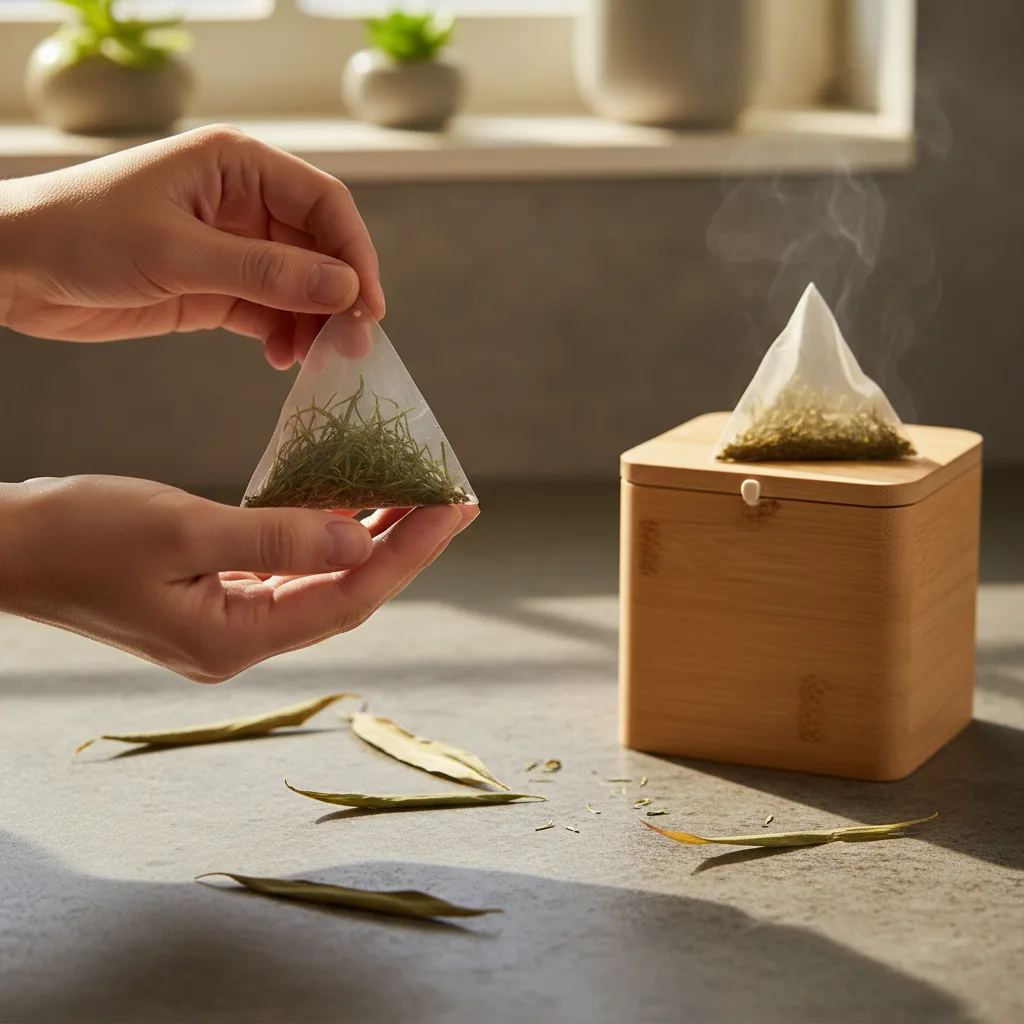
Flat Pouch: Mild Aroma, Gentle Flavor
- Best For: Lighter tea drinkers, or those who wish to enjoy bamboo leaf tea throughout the day with minimal fuss.
- Experience: Aroma and taste tend to be subtle. The tight compression limits exposure to water, producing a mellow, approachable brew—easy to sip and easy to clean up. If you like to explore other healing infusions in this classic format, the Organic Hibiscus Tea 24 Bags | Heart Health & Antioxidant Wellness provides a gently floral alternative.
Eco-Considerations: Making Lower-Waste Choices
Sustainability is a growing priority, and your bamboo leaf tea habit can contribute positively when you know what to look for.
Biodegradable and Compostable Bags
Many companies now use compostable plant-based materials rather than standard plastics. Whether you choose pyramid, sachet, or flat pouch, seek bags labeled as biodegradable or home-compostable. Options like PLA mesh, abaca fibers, and unbleached hemp papers break down naturally, meaning your tea time leaves a lighter footprint. You’ll find these priorities in Bamboo Leaf Tea 24 Bags | Nature's Silica – Collagen & Biotin Support, a great choice for eco-conscious sippers.
Non-GMO and Corn-Free Meshes
A few eco-conscious bamboo leaf tea brands use alternative fibers for those seeking to avoid certain bioplastics. Materials like coconut-fiber mesh support plant-based production while catering to specialized needs. For an option using only premium botanicals, Soursop Leaf Tea | Organic Graviola 24 Bags – Immunity & Cell Renew delivers both wellness and gentle environmental impact.
Minimalist Wrappers
Individual wrappers and excess packaging drive single-use waste. Consider buying bamboo leaf tea bags that use minimal or recyclable packaging—this reduces waste without compromising your brewing experience. If you’d like to sample a variety while keeping sustainability in mind, the Organic Herbal Tea Trio – Build-Your-Own Bundle is a customizable, conscious approach for tea lovers.
Practical Guide to Choosing Your Next Bamboo Leaf Tea Bag
Here are a few simple steps to help you decide which tea bag format best fits your daily cup and environmental values:
- Reflect on Your Routine: Do you prefer bold, aromatic tea prepared mindfully, or a quick, mellow cup on-the-go? Pyramid bags suit expressive brewing, while flat pouches are designed for speed.
- Check Materials: Look for bamboo leaf tea bags made from compostable mesh or paper, free of plastics and unnecessary chemicals. Try supplementing your routine with a convenient, liquid addition like Bamboo Leaf Organic 15X Liquid Extract | Silica, Collagen & Biotin for plant-based wellness support.
- Observe the Aroma: If aroma matters, gently pinch the bag before brewing. Pyramid bags often feel airier, letting you sense the natural bamboo scent right away.
- Notice the Color: Take a moment to observe the color of your infusion—darker, brighter hues usually indicate more thorough extraction.
- Consider Waste: Wherever possible, select brands using plant-based, recyclable materials for both bags and outer packaging.
Summary: Savoring Your Cup Mindfully
Whether you reach for a pyramid, sachet, or classic flat bamboo leaf tea bag, each choice transforms your brewing ritual in its own way. The key differences? Pyramid bags excel at drawing out vibrant flavors and aromas, sachets balance taste with convenience, and flat pouches deliver a light, gentle cup that's easy to enjoy anytime. Choosing plant-based, earth-conscious materials also means every cup can honor both taste and sustainability. Making a mindful pick empowers you to enjoy each bamboo leaf infusion with purpose, clarity, and satisfaction—sip by thoughtful sip.
FAQs:
- Does the tea bag shape really affect the taste of bamboo leaf tea?
Yes, the shape influences how much the bamboo leaves can expand and move. Pyramid bags often allow for more robust flavors and aromas, while flat pouches tend to offer a milder cup. Sachets provide a balanced option between the two.
- Are plant-based bamboo leaf tea bags better for the environment?
Plant-based tea bags made from compostable or biodegradable materials typically break down more easily than conventional plastic or bleached-paper options, helping reduce waste and supporting eco-friendly choices.
- What should I look for when buying the best quality bamboo leaf tea bags?
Look for pyramid or roomy sachet bags made with compostable mesh or unbleached natural fibers. Check for minimal packaging and clear labeling about the plant-based materials used for a more sustainable brew.
- How does mesh size impact the brewing of bamboo leaf tea?
A looser mesh lets water interact with the tea more effectively, leading to deeper extraction and a stronger aroma. A tighter mesh results in a gentler, subtler infusion. Choose based on your preferred taste profile.
- Are pyramid tea bags always better than flat pouches?
Not necessarily. Pyramid bags are great for fuller flavor, but flat pouches are convenient, portable, and provide a lighter taste. The best option depends on your flavor preference and brewing habits.
- Can I compost all plant-based bamboo leaf tea bags at home?
Most plant-based bags made from PLA, abaca, or hemp can be home-composted, but always check packaging details to confirm. Some meshes require industrial composting facilities.
- Where can I buy premium organic bamboo leaf tea with plant-based tea bags?
Look for specialty retailers or trusted wellness brands that clearly state their use of organic bamboo leaf and eco-friendly, plant-based packaging, ensuring both quality and sustainability in your cup.
Author Name:
Herbal Goodness Editorial Team
Author Bio:
The Herbal Goodness Editorial Team specializes in holistic health and superfoods, blending science and nature to educate and empower our community.
References:
Introducing Graviola to Young Taste Buds: Fun, Family-Friendly Flavor Exploration
Graviola in the Classroom and at Home: Creative Activities to Teach Kids About Tropical Plants