Private-Label Herbal Tea Suppliers: Evaluating Shelf-Life & Flavor

For makers and small brands, choosing the right private-label herbal tea supplier is a key decision—one that echoes through your product’s quality, marketability, and reputation. Shelf-life and flavor are vital, but countless details stand between a promising sample and a trustworthy partnership. This beginner’s guide is crafted for those new to the world of herbal tea sourcing, outlining practical steps for evaluating suppliers beyond just the price list. Learn how to request relevant data, perform hands-on tests, and understand core documents that define the journey from plant to cup.
Understanding Shelf-Life in Herbal Teas: Why It Matters
Shelf-life refers to how long an herbal tea retains its desired qualities of aroma, taste, and safety under proper storage. Freshness influences not just enjoyment but—especially in organic and clean-label markets—overall consumer trust. For private-label brands, inconsistent shelf-life can lead to issues such as faded flavor, loss of aroma, or undesirable texture. Recognizing the factors that affect shelf stability is your first step to setting standards with suppliers.
Key Factors Impacting Herbal Tea Shelf-Life
- Moisture Content: Herbal ingredients with higher moisture are prone to spoilage and unpleasant changes in taste or aroma.
- Packaging Quality: Oxygen, light, and humidity all accelerate flavor loss. Effective packaging provides barriers.
- Raw Material Handling: How plants are harvested and dried makes a major difference. Clean, careful processing preserves natural compounds and prevents off-flavors.
- Storage Conditions: Even the best teas fade if kept in hot, damp, or sunlit spaces.
- Contaminant Levels: Microbial and foreign-matter standards help prevent flavor spoilage and keep products safe.
Selecting suppliers who emphasize clean harvesting and drying can significantly improve product quality. If you seek added health benefits, consider suppliers with a broader herbal range, such as those producing both teas and liquid extracts. For instance, a supplier that also crafts Energy & Vitality 15X Liquid Extract | Natural Energy & Performance may already demonstrate expertise in extracting and preserving plant goodness.
What Stability and Shelf-Life Data Should You Request?
Reputable private-label herbal tea suppliers, such as those sourced by brands like Herbal Goodness, offer more than just a flavor guarantee. As a buyer, you can—and should—ask for documentation that helps predict how long the tea will remain fresh and safe. Here’s what to request:
Essential Supplier Data for Beginners
- Shelf-Life Studies: Ask for recent or real-time shelf-life testing summaries indicating how long the product remains stable.
- Certificate of Analysis (COA): Key for organic tea, it outlines moisture content, microbial load, and occasionally active compound levels.
- Moisture Content Reports: Crucial for quality teas, as excessive moisture speeds spoilage.
- Packaging Specifications: Details on material, barriers to moisture/oxygen/light, and recommended storage conditions.
- Batch Identification and Traceability: Clear lot codes and origins help track product and reassure on sourcing standards.
Greater confidence in documentation often comes from brands that offer products across categories, supporting a culture of traceability. For additional wellness support, you may want suppliers who also master immune-focused formulations like Black Seed Oil 8oz | Cold-Pressed Nigella Sativa – Immune & Daily Wellness.
When requesting this data, be direct. It’s standard practice—and a good supplier will be ready to provide these documents.
Simple Sensory and Cupping Tests: Evaluating Freshness and Flavor
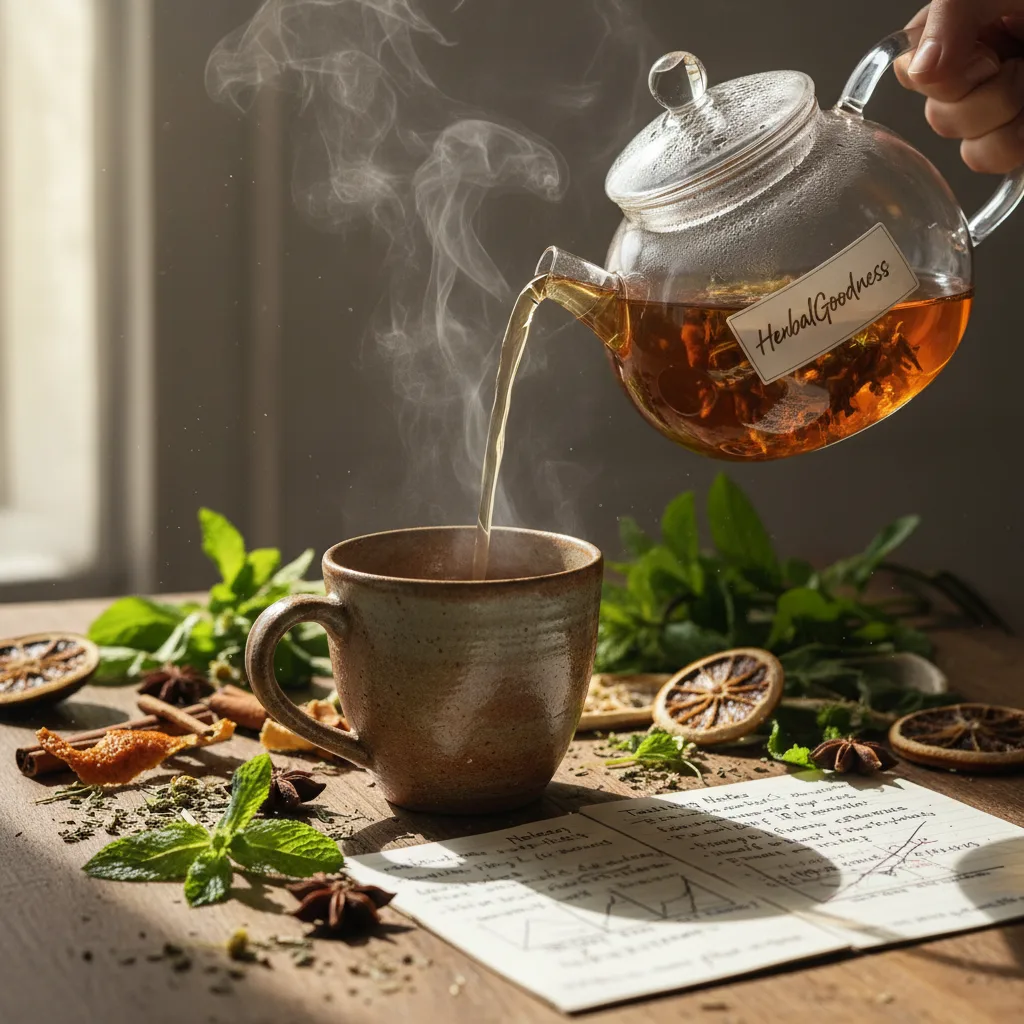
Just because a supplier lists organic, whole-leaf, or “premium” doesn’t mean each batch meets expectations. Sensory and “cupping” tests—long used by tea experts—are your go-to for hands-on evaluation, even if you’re not a professional taster.
Step-by-Step Guide to Sensory Evaluation
- Visual Assessment
- Check color: Should be bright, consistent, and characteristic of the herb.
- Examine shape and texture: Uniform pieces indicate careful handling.
- Look for foreign matter: Organic teas should be free of dust or debris.
- Aroma Check
- Smell the dry leaves: Aroma should be vivid, clean, and match the plant’s identity.
- Off-smells (musty, cardboard, or chemical scents) signal poor processing or aging.
- Basic Cupping Test
- Use a standardized method—1–2 grams of tea per 100ml hot water.
- Steep for the supplier’s recommended time and temperature.
- Taste immediately, noting:
- Flavor: Should be lively, not flat or stale.
- Aroma (in-cup): Fresh, botanical notes.
- Mouthfeel: Should be pleasant, not gritty or slimy.
- Comparative Testing
- If possible, compare side-by-side with known fresh, organic samples to highlight differences.
A good batch will have consistent color, vibrant aroma, and characteristic taste. Record your impressions for future reference and discussion with suppliers.
For specialty blends that support cell health or immune balance, sample evaluations can be complemented by reviewing liquid herbal extracts—Soursop Leaf Graviola Extract 15X Liquid | Organic Cell & Immunity is one such example where flavor meets function.
Packaging: Guarding Freshness and Aroma
The right packaging extends shelf-life and protects the complex flavors and volatile oils in herbal teas. This is especially important for organic or specialty blends that may be more sensitive to conditions.
Packaging Formats and Key Considerations
- Barrier Pouches: Foil or high-barrier film pouches keep out air, moisture, and light, helping to preserve sensitive botanicals. Look for clear supplier documentation on barrier properties.
- Sealed Canisters: Rigid containers offer strong protection and are often used for premium teas. Confirm supplier testing for air- and light-tight integrity.
- Tea Bags vs. Loose Leaf: Each format changes the interaction with air. Suppliers should offer shelf-life estimates based on the specific packaging you intend to use.
- Vacuum Packing: Some suppliers use vacuum methods to further slow oxidation. Ask how this impacts shelf-life and whether it is suited for your tea type.
Discuss packaging options during sample evaluation. Request information on material composition, testing outcomes, and even customer feedback trends if available.

In premium wellness segments, product packaging and freshness also underpin the value of plant extracts. Look for suppliers adept in both tea and extract packaging for cross-category expertise—Soursop Leaf Graviola Extract 15X Liquid | Organic Cell & Immunity exemplifies these qualities.
Great private-label tea starts with a supplier you can trust. Sign up to become a Herbal Goodness wholesaler to explore our premium organic herbal teas, transparent sourcing practices, and wholesale solutions designed for retailers and growing wellness brands.
Making Sense of COAs and Microbial/Moisture Reports
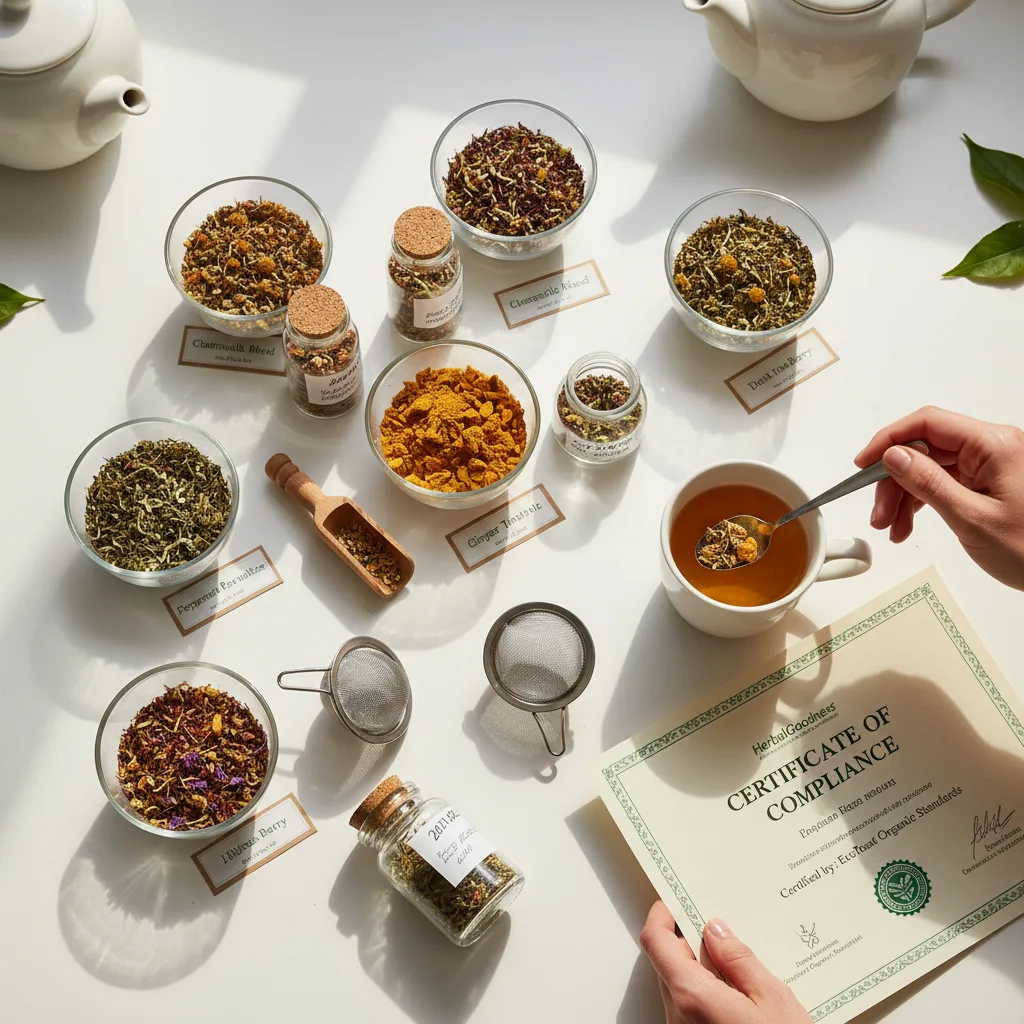
Technical documents like Certificates of Analysis (COA) and microbial or moisture reports can seem intimidating—but they’re key to verifying clean, organic standards and reliable quality.
Certificates of Analysis (COA): What to Look For
- Supplier and Batch Info: Name, batch/lot number, and date of analysis.
- Moisture Content: Ideally below 10% for most herbal teas, ensuring dryness and shelf stability.
- Microbial Results: Counts of yeast, mold, and aerobic bacteria—lower numbers mean cleaner tea. Should comply with standard regulatory guidelines, especially for organic products.
- Heavy Metals or Pesticide Residues (for organic): Reputable suppliers will confirm testing, with results listed below accepted thresholds.
A friendly supplier will be willing to walk you through any unclear results, explaining terms with patience. Align questions to your sourcing needs—if you want 12-month shelf life, ask how the numbers reflect that.
Reading Microbial and Moisture Reports Plainly
- Microbial: These reports show how few unwanted microorganisms exist in the lot. Look for “Not Detected” or “Below Limit” notes for assurance.
- Moisture: This is often listed as a percentage. Lower is generally better for longevity, but not so low that it impacts natural oils or aroma.
If you are new to interpreting these values, request a summary sheet or glossary from your supplier. Herbal Goodness and other leading brands often provide beginner-friendly explanations alongside formal reports.
When evaluating added benefits or exploring expanded herbal offerings, look for suppliers willing to corroborate safety and potency, as seen in Black Seed Oil 8oz | Cold-Pressed Nigella Sativa – Immune & Daily Wellness.
Red Flags and Qualities of a Strong Supplier
While evaluating private-label herbal tea suppliers, a few qualities set the best apart:
- Transparency: Clear documentation for shelf-life, processing, and testing—shared on request without hesitation.
- Responsiveness: Willingness to explain, supply additional data, and address your specific packaging or flavor requirements.
- Consistency: Batches that maintain visual, flavor, and microbial standards over time.
- Certifications: Reliable organic, allergen, or food safety certification—clearly displayed with COAs.
Conversely, reluctance to share real-time data, unclear or outdated reports, and poor explanations are warning signs. A supportive supplier understands that your need for clarity is part of building trust.
Ready to source organic herbal teas from a trusted partner? Become a Herbal Goodness wholesaler to access our wholesale catalog, quality documentation, and premium herbal tea selection for your business.
Building Your Own Evaluation System
Creating a simple checklist can empower new private-label tea brands to make solid supplier decisions. Keep your assessment practical—focused on the characteristics most vital to your target market: flavor, freshness, reliability, and safety.
Sample Evaluation Checklist for Herbal Tea Suppliers:
- Did the supplier provide recent shelf-life and stability data?
- Are COA and microbial/moisture reports accessible and easy to read?
- Is packaging described in detail, with barrier/method information?
- How did the tea perform in at-home sensory and cupping tests?
- Was the supplier responsive and thoughtful in communication?
- Are lot codes or traceability systems in place?
- Is organic or clean-label status clearly documented?
With this approach, you’ll be prepared to move beyond price-driven decisions and focus on quality, reliability, and the unique sensory profile that defines your herbal tea brand’s reputation. For those interested in broadening private-label offerings with unique natural supplements, Energy & Vitality 15X Liquid Extract | Natural Energy & Performance and Soursop Leaf Graviola Extract 15X Liquid | Organic Cell & Immunity demonstrate how thoughtful sourcing supports wellness and innovation.
Frequently Asked Questions
Question 1: What is the importance of checking moisture content in herbal teas?
Answer: Moisture content greatly influences shelf-life and quality. Keeping it below 10% ensures dryness and stability, preventing spoilage and helping preserve compounds found in products like Energy & Vitality 15X Liquid Extract | Natural Energy & Performance.
Question 2: How do packaging choices affect herbal tea shelf-life?
Answer: Proper packaging, such as high-barrier pouches or sealed canisters, blocks air, moisture, and light—extending freshness and flavor. Suppliers with expertise in wellness extracts like Soursop Leaf Graviola Extract 15X Liquid | Organic Cell & Immunity often pay close attention to packaging quality for all herbal products.
Question 3: Which documents should I request from a herbal tea supplier?
Answer: Ask for recent shelf-life studies, Certificates of Analysis (COA), moisture and microbial content reports, as well as packaging and traceability documents. These will give a clear view of product quality and standards.
Question 4: What indicates a reliable herbal tea supplier?
Answer: A strong supplier is transparent and responsive, provides updated COAs, offers detailed packaging information, and consistently delivers products that meet microbial and sensory standards. Brands producing items like Black Seed Oil 8oz | Cold-Pressed Nigella Sativa – Immune & Daily Wellness often demonstrate such qualities.
Curious about ensuring shelf-stable, great-tasting organic herbal teas for your private-label venture? Taking the time to evaluate your supplier with the steps outlined above sets the foundation for a trusted product line.
About the Author
Herbal Goodness Editorial Team
The Herbal Goodness Editorial Team specializes in holistic health and superfoods, blending science and nature to educate and empower our community.
References
Introducing Graviola to Young Taste Buds: Fun, Family-Friendly Flavor Exploration
Graviola in the Classroom and at Home: Creative Activities to Teach Kids About Tropical Plants