Papaya Seeds and “Detox”: Traditions, Science, and Flavorful Exploration for Beginners
Curiosity about papaya seeds is on the rise, especially as more people hear them mentioned alongside words like “detox” and wellness. These small, peppery seeds have historically held a place in the culinary and wellness practices of many cultures, and today, you might spot them in natural food stores, smoothie bars, and specialty cafes. People are drawn to the seeds’ rich flavor, their role in traditional rituals, and the unique plant compounds scientists often focus on. But with any new ingredient, especially one so packed with history and bold taste, it's smart to learn before sampling. In this guide, you'll discover the traditions linking papaya seeds to cleansing rituals, how 'detox' is often used in casual conversations, an overview of the key plant compounds researchers study, easy culinary ideas, safe preparation, and how to shop smart for seed-based products.
Papaya Seeds in Traditional Cleansing Rituals
Cultural Significance Around the World
Papaya seeds have played a role in traditional practices for centuries. In parts of South America, Africa, and Asia, these seeds are often included in folk recipes and rituals relating to a sense of renewal or internal harmony. Rituals might involve teas, infusions, or simply eating the seeds whole as part of a daily or seasonal practice. While many traditional beliefs are passed down through stories and lived experience, it's their tangible connection to food, family, and daily life that keeps these practices alive.
The contemporary popularity of papaya seeds means they're now featured in modern blends and supplements meant to carry forward both flavor and tradition. Exploring options such as Papaya Seed Powder - Organic 4oz Bag - Colon & Gut Cleanse is one way to experience these traditions in a form that's easy to use and measure.
Popular Preparations and Uses in Traditions
- Teas and Infusions: Boiling crushed papaya seeds with spices or herbs is a common method, producing a warming beverage with a sharp flavor profile.
- Ground Papaya Seeds: Finely ground seeds are sometimes sprinkled as a spice over savory dishes, leveraging their pungency to add complexity.
- Mixed Into Fruit Bowls or Smoothies: In some coastal regions, a pinch of fresh seeds is added to fruit salads or blended beverages for both taste and tradition.
What “Detox” Means in Everyday Language
The Evolving Understanding of “Detox”
The term “detox” has roots in various cultures but is rarely defined the same way twice. For some, it means consuming foods perceived as “cleansing.” For others, it’s part of seasonal traditions meant to symbolize renewal. In modern marketing, “detox” often simply signals products that feature certain plants or superfoods, like papaya seeds, without making specific health claims.
If you're interested in curated blends that embrace the 'detox' theme, Body Detox with Papaya Seed - Organic 1oz 15X Liquid Extract - Intestine & Gut Cleanse offers a convenient way to experiment with seed-based traditions.
Cautious Curiosity
Rather than focusing on any implied health outcomes, many are exploring papaya seeds for their historical popularity, bitter and pungent taste, and cultural symbolism surrounding refreshment and balance.

Scientific Interest: Key Plant Compounds in Papaya Seeds
Commonly Studied Constituents
Researchers have identified several naturally occurring compounds in papaya seeds, including:
- Bitter phytochemicals known as glucosinolates, which are also found in foods like broccoli and mustard.
- Fatty acids, primarily oleic acid and palmitic acid, similar to those in olive oil and nuts.
- Alkaloids and flavonoids, two broad groups often present in seeds and botanicals.
These elements draw scientific attention not just for possible health effects, but for their culinary and nutritional interest. If you want to explore these constituents through a food-based approach, consider Papaya Seed - Organic 1oz 15X Liquid Extract - Colon & Gut Cleanse, a product designed for those curious about the whole-seed experience.
What Research Typically Covers
Most research is curiosity-driven and emphasizes laboratory analysis of active plant elements, culinary flavor potential, and the historical context of seed use. Human trials remain limited, with most findings centered on seed composition and food chemistry rather than definitive health outcomes.

Exploring the Flavor: Culinary Ways to Incorporate Papaya Seeds
Tasting Notes and Pairings
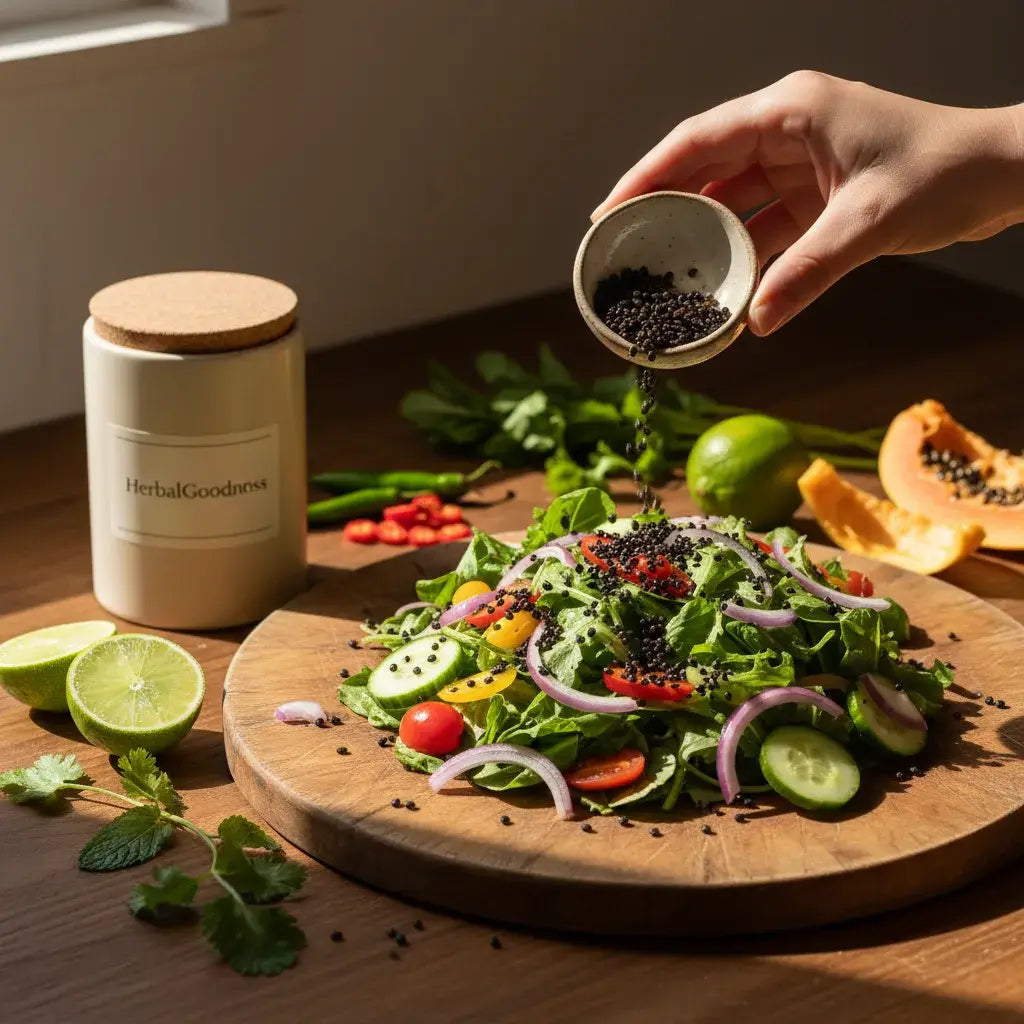
Papaya seeds are highly aromatic and deliver a bold, pepper-like flavor with a slight bitterness. This profile makes them a creative stand-in for black pepper or mustard seed in a wide range of dishes.
Easy Flavor Explorations:
- Salads and Dressings: Lightly crush a few seeds and whisk into vinaigrettes for a zesty finishing note.
- Smoothies and Bowls: Blend a tiny amount (start with less than half a teaspoon) into tropical smoothies for a new taste dimension.
- Marinades and Rubs: Use ground seeds as a spice rub on grilled vegetables or proteins.
- Baked Goods: Some adventurous bakers add ground papaya seeds to bread or crackers as a spice accent.
If you want an even easier way to try these flavors, Papaya Seed Powder - 60/600mg Capsules - Gut & Colon Cleanse are a simple option to incorporate into your routine.
Tips for First-Time Tasters
- Start Small: The flavor of papaya seeds is intense—begin with a tiny quantity and increase gradually.
- Pair Wisely: Combine with citrus, mango, ginger, or honey to balance bitterness.
- Consistent Texture: Opt for seeds from ripe papayas, as unripe seeds can be extra hard and more bitter.
How to Read Labels and Shop for Papaya Seed Products
Common Product Types
As consumer interest grows, so does the variety on store shelves. Typical options include:
- Whole Dried Seeds: Sold in spice or wellness aisles, sometimes pre-roasted for culinary use.
- Powdered Seeds: Marketed as a seasoning or smoothie booster.
- Blends: Combined with other botanicals or spices in loose “detox” teas and culinary blends.
Before you buy, remember to check for ingredient lists, expiration dates, and the intended use. Reputable options such as Body Detox - 60ct /600mg Capsule - Liver, Kidney & Gut Cleanse or Papaya Seed - Organic 1oz 15X Liquid Extract - Colon & Gut Cleanse help simplify the shopping experience and support everyday culinary explorations.
Label Reading Tips
- Ingredient Simplicity: Look for products with minimal, recognizable ingredients and no unnecessary fillers or additives.
- Origin Transparency: Some brands list the growing region and sourcing practices.
- Expiration Date: Seeds can go rancid—always check for a clear date.
- Intended Use: Culinary-focused products are often labeled as such, while others may be marketed with broader claims.
Practical Safety Considerations for Beginners
Serving Size and Frequency
- Moderation Matters: Due to their strong taste and naturally occurring plant compounds, most culinary and traditional uses of papaya seeds start with small amounts—usually just a few seeds per serving.
- Not for Everyone: Seeds are quite hard and can present a choking risk for children and individuals who have difficulty swallowing. Always crush or grind them thoroughly before use.
Taking your time with new botanicals and considering digestive wellness products like Papaya Leaf Extract Blood Support - 10X 60/450mg Capsules - Blood Platelet can offer additional options for your kitchen and wellness routine.
Quality and Freshness
- Choose Carefully: Select seeds from ripe, high-quality papayas or purchase from reputable retailers.
- Storage: Store dried or ground seeds in a cool, dark place to maintain freshness and flavor.
Sensitivities and Taste Preferences
- Allergies: Any food can trigger sensitivities. If you are new to papaya seeds or have known allergies to seeds or fruits, start with extra caution.
- Bitterness Factor: If the bitter, spicy taste isn’t for you, consider pairing seeds with sweeter fruits to balance the profile—or simply explore other culinary adventures instead.
Balancing Tradition, Science, and Personal Exploration
Papaya seeds offer a fascinating window into the intersection of age-old customs, botanical science, and today’s adventurous kitchens. While researchers continue to study their natural compounds, and generations have incorporated them into rituals and recipes, their bold taste and rich tradition invite cautious curiosity. The key for beginners is thoughtful exploration—sampling small amounts in familiar dishes, reading product labels carefully, and appreciating the blend of culture and flavor that these unique seeds bring.
FAQs:
- Are papaya seeds safe to eat regularly?
Papaya seeds are commonly consumed in small amounts in some traditional diets and as a spice in recipes. However, moderation is essential, as their strong flavor and dense composition mean a little goes a long way. Consult a nutrition professional if you’re unsure about incorporating new foods.
- What do papaya seeds taste like?
Papaya seeds have a bold, peppery, and slightly bitter taste. Many compare them to a cross between mustard and black pepper. They add a pungent kick to salads, dressings, and rubs.
- How do I prepare papaya seeds for recipes?
Rinse the fresh seeds, dry them, and crush or grind as needed. You can use them whole in teas or infusions, but for spice applications, a quick grind releases their aroma. Dried seeds are often easier to work with than fresh.
- Can papaya seeds be used in beverages?
Yes, crushed papaya seeds are sometimes steeped in hot water, alone or with herbs, to make infusions or teas. Start with a small quantity to gauge the flavor.
- What should I look for when buying papaya seed products?
Choose products with simple ingredient lists, clear expiration dates, and transparent sourcing. Opt for culinary-grade seeds for cooking and avoid products with unfamiliar additives.
Author Name:
Herbal Goodness Editorial Team
Author Bio:
The Herbal Goodness Editorial Team specializes in holistic health and superfoods, blending science and nature to educate and empower our community.
References:
Introducing Graviola to Young Taste Buds: Fun, Family-Friendly Flavor Exploration