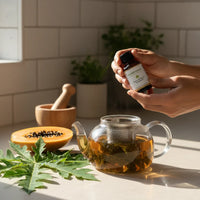
Papaya Leaf Tea Brewing Lab: Home Experiments for Flavor & Ritual Discovery

Curiosity brings you here: a true tea explorer eager to discover the art and ritual of papaya leaf tea in your own kitchen. Rather than simply following a set recipe, you’re invited to lean into the world of experimentation—tasting, adjusting, logging, and slowly unwrapping the complex sensory story of papaya leaves, one cup at a time. This guided at-home brewing lab is your toolkit to examine how papaya leaf tea’s flavor, bitterness, and ritual can shift with each brewing variable.
You’ll get hands-on suggestions for comparing water types and temperatures, exploring fresh versus dried leaf forms, finessing steep time, and even experimenting with re-steeping. Take notes with a sensory log, discover practical tricks to mellow bitterness, and ultimately design a papaya tea ritual that’s just right for you. No medical claims or product endorsements—just a gentle guide for your tastebuds and tea practice.
Why Experiment with Papaya Leaf Tea at Home?
Papaya leaf tea is long appreciated for its distinctive earthy, green flavor and subtle bitterness. By turning your kitchen into a little brewing lab, you can fine-tune every step to create a cup that truly suits you. Why experiment?
- Personal Preference: Discover how water type, temperature, and form influence taste and aroma.
- Ritual Exploration: Brewing can become a soothing daily practice when personalized.
- Sensory Learning: Tasting and logging notes deepens your appreciation for nuanced flavors.
- Creative Play: Each small adjustment can yield wild new results, fostering curiosity and fun.
Comparing Water Types: Tap, Filtered, or Mineral?
The water you use is the backbone of every cup of papaya leaf tea. Even subtle minerals or treatments can change what ends up in your mug. Try these brewing experiments:
Tap Water
- Flavor Profile: Often contains minerals or treatment residues that can enhance or dull the tea’s flavors.
- Experiment: Brew one cup of papaya leaf tea with tap water and log the aroma, bitterness, and aftertaste.
Filtered Water
- Flavor Profile: Generally tastes cleaner and crisper, with fewer flavor-altering compounds.
- Experiment: Brew another cup with filtered water using the same steeping method. Is the taste smoother or the bitterness less pronounced?
Mineral Water
- Flavor Profile: The specific minerals (like calcium or magnesium) may boost the sweetness or add a slight earthiness.
- Experiment: Make a third cup with mineral water and compare side-by-side. Does the natural bitterness of papaya leaf shift, or does the aroma come through stronger?
Sensory Log Tip: Record each water type’s effect on flavor, aroma, color, aftertaste, and how they feel in your mouth.
Temperature: Boiling vs. Gentle Simmer
Brewing temperature dramatically shapes the flavor balance in any herbal infusion, especially teas with natural bitterness like papaya leaf.
Boiling Water (208–212°F)
- Effect: Extracts more of the leaf’s bitter compounds and strong vegetal notes.
- How-To: Pour boiling water over the leaves and steep as directed. Notice if the flavor is too intense or overwhelming.
Gentle Simmer (170–190°F)
- Effect: Tends to produce a softer, more rounded cup, highlighting the leafy, green qualities while reducing bitterness.
- How-To: Heat your water until just before it simmers, then steep the leaves. Does this make the cup more approachable?
Sensory Log Tip: Mark which brewing temperature best balances flavor and drinkability for your taste.
Steep Time: Short, Medium, and Long Infusions
How long you steep papaya leaf tea matters—a lot. Shorter times often yield lighter and gentler cups. Longer times create deep, bold infusions (and sometimes accentuate bitterness).
- Short Steep (2–3 mins): Less bitterness, lighter color, subtle aroma. Ideal if you’re sensitive to strong flavors.
- Medium Steep (5–7 mins): Balanced earthiness and aroma; moderate bitterness.
- Long Steep (10+ mins): Deep, assertive flavor and strong aroma. May appeal to those seeking a powerful cup or ritual.
Experiment: Brew three cups at the same temperature with different steep times. Describe color, aroma, and bitterness for each. Which length suits your personal ritual or time of day?
Leaf Form: Fresh, Dried, or Powdered
Each papaya leaf form brings a different sensory profile to your cup. Experimenting with multiple formats lets you enjoy a wider taste palette and adjust for convenience.
Fresh Papaya Leaves
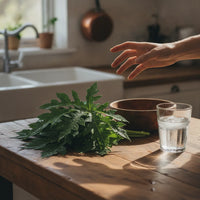
- Flavor: Generally lighter with grassy or green notes. Bitterness can be playful and complex.
- How-To: Rinse and chop a small handful of fresh leaves. Steep in boiling or simmering water based on personal comfort.
Dried Papaya Leaves
- Flavor: Often deeper and slightly more bitter than fresh, with concentrated earthiness.
- How-To: Use 1–2 teaspoons of dried leaves per cup. Adjust steep time and water temperature as desired.
Papaya Leaf Powder
- Flavor: Intense and robust, as the powder delivers the whole leaf at once.
- How-To: Measure ¼–½ teaspoon of powder per cup. Stir well and taste-test for strength, adding more water if needed.
Tip: Always note the source and quality. Herbal Goodness is known for offering carefully sourced leaf forms that retain flavor and aroma integrity.

Re-Steeping: Extracting More from Your Leaves
Re-steeping papaya leaf tea offers both ritual and practical benefits. Many tea lovers find that the second or third extraction has a different character—sometimes softer, sometimes more aromatic, and almost always less bitter than the first.
How to Re-Steep
- Reserve the used leaves after your first brew.
- Add fresh water, adjusting the temperature (slightly hotter can help the second extraction).
- Increase steep time by 2–3 minutes.
- Compare flavor, bitterness, and aroma to the first steeping in your log.
Sensory Log Tip: Note which steep (first, second, or third) feels most enjoyable for daily sipping or special rituals.
Managing Bitterness: Practical, Non-Medical Strategies
Papaya leaf tea’s famous bitterness is part of its appeal, but too much can overpower. Use these subtle, non-medical tricks to make your cup smoother, allowing you to appreciate the full flavor spectrum.
- Soak Dried Leaves: Soak for 1–2 hours in cold water, then discard the soak water and brew as usual.
- Shorten Steep Time: Reduce steeping to 2–4 minutes for a gentler flavor.
- Use Cooler Water: Lower brewing temperature (even 175–185°F) for a less assertive taste.
- Pair with Citrus: A squeeze of lemon or lime brightens aroma and can soften bitter edges without masking them.
Take time with these experiments—your optimal cup may be just a tweak away.
Safe Serving-Size Framing: Mindful Enjoyment
Papaya leaf tea is traditionally prepared in small batches and consumed in moderation as part of daily or weekly rituals. Consider starting with 1 cup per day or every other day, using 1–2 teaspoons of dried leaf (or comparable fresh leaf amount) per 8 oz water. For powdered forms, ¼–½ teaspoon per cup is typical.
For convenience, Organic Papaya Leaf Extract 16oz | 15X Liquid – Best Value Size offers a carefully measured alternative for those who wish for an extract-based ritual, making batching and serving seamless.

Feel free to adjust based on what your body enjoys—everyone’s taste and comfort is unique. Listen to your palate and sense of well-being. If you’re new to papaya leaf tea, begin with milder brews and increase strength over time as desired. If uncertain, consult an herbal-savvy practitioner.
Designing Your Papaya Leaf Tea Sensory Log
A sensory log transforms your papaya leaf tea brewing from experiment to mindful ritual. This simple one-page tool helps you capture rich details and discover patterns in your experiences.
What to Log with Each Brew:
- Water source and temperature
- Leaf form and quantity
- Steep time
- Color, aroma, and clarity
- Bitterness: low, moderate, or high?
- Flavor notes: grassy, earthy, floral, etc.
- Overall enjoyment: mood, time of day, and any personal observations
Sample Log Entry:
- Water: filtered, 190°F
- Form: dried, 2 tsp
- Steep: 5 mins
- Color: pale olive
- Aroma: fresh, grassy
- Bitterness: moderate, slightly mellowed
- Flavor: earthy, hints of green bean
- Notes: good morning ritual, paired well with citrus
If you prefer the ease of a capsule format for travel or measurement, Papaya Leaf Extract 10X Capsules 600mg | Platelet & Digestive Aid may complement your routine without compromising the experimentation spirit. Noting the sensations and benefits with each formulation lets you compare experiences and refine your ritual.
Nurturing Your Own Papaya Leaf Tea Ritual
Experimentation connects you more deeply to the ritual and creativity of herbal tea. With some attention to water, time, temperature, and leaf form—and a willingness to log and learn—Organic Papaya Leaf Tea | 24 Premium Bags – Caffeine-Free can become a canvas for sensory exploration as you find your favorite cup style.

In time, you’ll discover the styles, times of day, and preparation approaches that best fit your needs. Your ritual might be bold and brief, slow and meditative, or lively and communal. It all begins with curiosity and the spirit of play—one cup at a time!
Frequently Asked Questions
Question 1: Which form of papaya leaf tea offers the mildest flavor?
Answer: Generally, fresh papaya leaves deliver the mildest and most grassy flavor profile. Using Organic Papaya Leaf Tea | 24 Premium Bags – Caffeine-Free can also provide a balanced, approachable taste.
Question 2: How can I make my cup of papaya leaf tea less bitter?
Answer: You can soak dried leaves in cold water before brewing, shorten steep time, use cooler water, or pair with citrus. If using extract, Organic Papaya Leaf Extract 16oz | 15X Liquid – Best Value Size allows for controlled dosing to minimize bitterness.
Question 3: Is it possible to enjoy papaya leaf tea daily?
Answer: Papaya leaf tea can be enjoyed daily in moderate amounts, such as 1 cup per day or every other day. For consistency and easier portioning, Papaya Leaf Extract 10X Capsules 600mg | Platelet & Digestive Aid can be used as part of your routine.
Question 4: What’s the difference between brewed tea and liquid extract?
Answer: Brewed tea uses whole or cut leaves and water, while a liquid extract like Organic Papaya Leaf Extract 16oz | 15X Liquid – Best Value Size is concentrated and convenient. Both allow experimentation with serving style and flavor.
Question 5: Should I log my experiences with papaya leaf tea?
Answer: Absolutely! Logging brew details, aroma, flavor, and bitterness helps you personalize each cup. Try comparing experiences with Organic Papaya Leaf Tea | 24 Premium Bags – Caffeine-Free or other forms for variety.
Question 6: Can I re-steep papaya leaf tea bags?
Answer: Yes, most papaya leaf tea bags or loose dried leaves can be re-steeped for a milder, often less bitter infusion on the second round.
Question 7: Are there convenient alternatives if I travel often?
Answer: Capsules, such as Papaya Leaf Extract 10X Capsules 600mg | Platelet & Digestive Aid, and liquid extracts provide portability and precise dosing for consistent use away from home.
Begin your papaya leaf tea brewing journey today—experiment, log your sensory notes, and discover the personal ritual that feels just right for you.
About the Author
Herbal Goodness Editorial Team
The Herbal Goodness Editorial Team specializes in holistic health and superfoods, blending science and nature to educate and empower our community.
Related Articles
Papaya Leaf Awareness Guide: Key Steps Before You Brew, Buy, or Try
Papaya Leaf Extract Syrup: What It Is, How It’s Made, and Uses Explained
Can I Drink Papaya Leaf Tea Every Day? Practical & Evidence‑Aware Insights
Best Teas for Beginners: Starting Your Journey with Papaya Leaf Tea